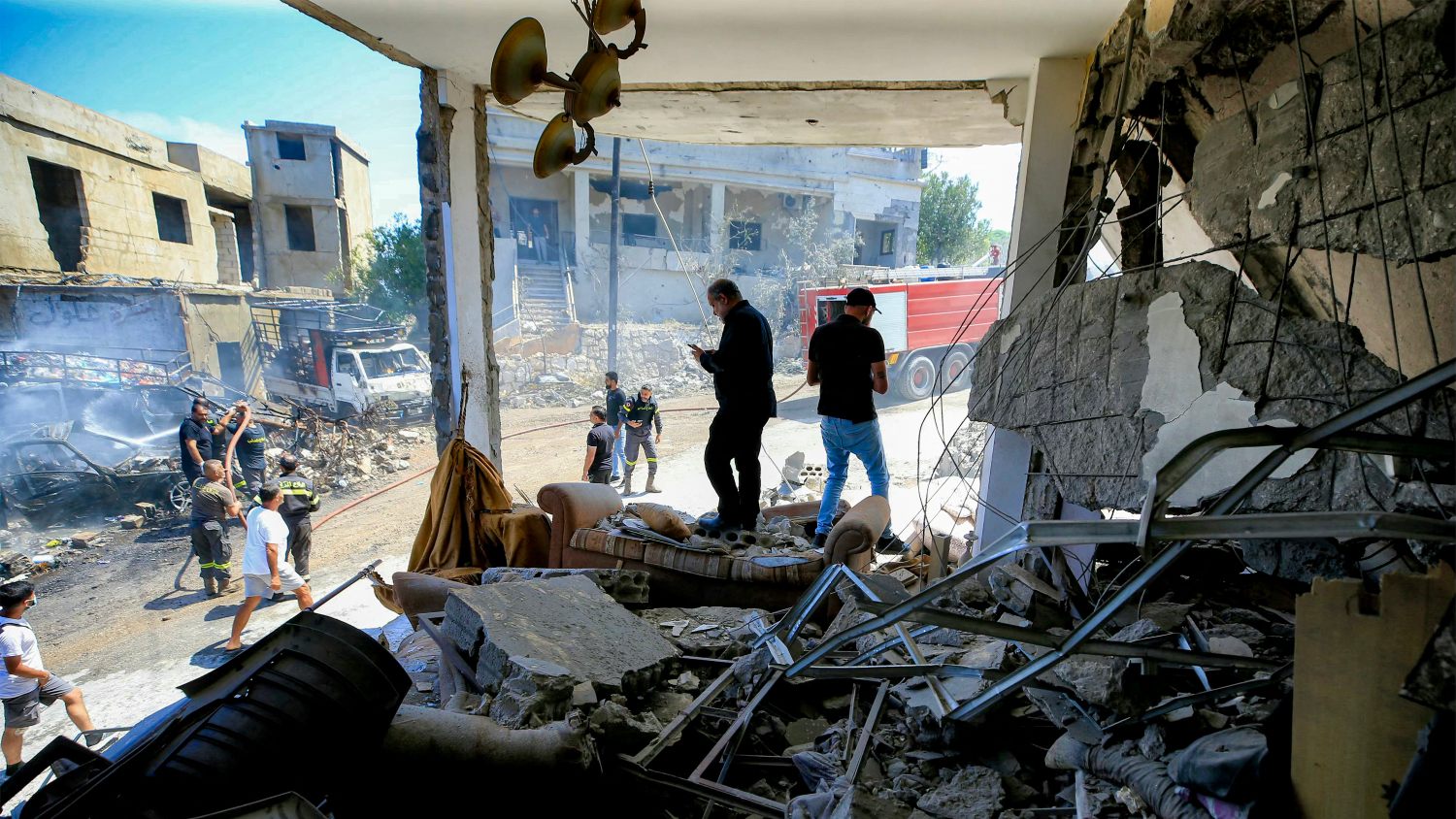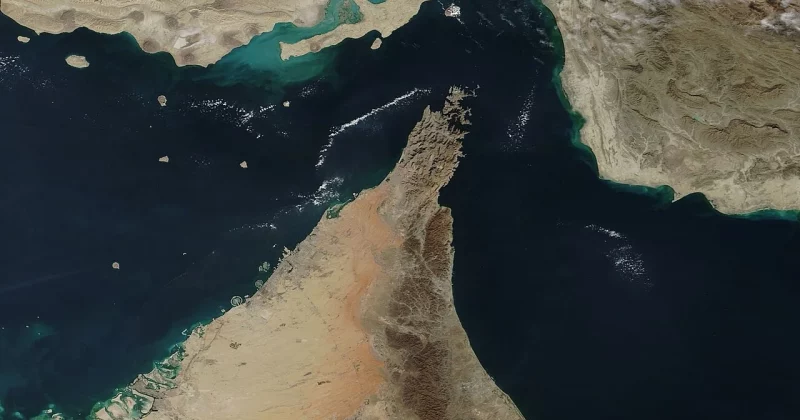
LONDON: OPEC+ is set to agree on Sunday a fourth increase in oil output targets in as many months, three OPEC+ sources said, even though the U.S. war with Iran is still preventing several of the group's members from pumping more.The war has cut oil flows via the Strait of Hormuz, creating the world's biggest ever supply crisis as key OPEC+ members including Saudi Arabia have been unable to supply customers in full since the end of February. The crisis for OPEC+ deepened when the United Arab Emirates left the Organization of the Petroleum Exporting Countries after almost 60 years.Seven core members of OPEC+, which groups OPEC and allied producers including Russia, have increased their output quotas from April to June by almost 600,000 barrels per day.Also read | The safe keepers: Inside India's booming locker economyIn reality, the group's production has collapsed due to export cuts by Gulf members, averaging 33.19 million bpd in April versus 42.77 million in February, according to OPEC figures.On Sunday, the seven members will likely increase targets by about 188,000 bpd from July, the sources said. This is the same as the June hike, which was adjusted down from monthly increases of 206,000 bpd in May and April to take into account the UAE exit.All the sources spoke on condition of anonymity and said a final decision had not been made.Also read | Major change in buyer behaviour as e-scooters race deeper into BharatThe seven of 21 OPEC+ members due to meet on Sunday are Saudi Arabia, Iraq, Kuwait, Algeria, Kazakhstan, Russia, and Oman.A full OPEC+ ministerial meeting is also scheduled for Sunday but is not expected to make any policy changes, the sources said.
OPEC+ set for fourth oil quota hike since Hormuz closure, sources say
OPEC+ is set to raise its oil output targets for the fourth straight month, a strategic move amidst production hurdles faced by some of its member countries. Despite setbacks, prominent players such as Saudi Arabia are striving to align with demand.
TL;DRAI
OPEC+ approves fourth quota hike (July +188k bpd) despite output collapse: 33.19M vs 42.77M bpd, worsened by U.S.-Iran conflict and UAE's exit. Supply instability threatens global data center costs; persistent geopolitical friction prevents OPEC from stabilizing energy markets.
281 words~1 min read