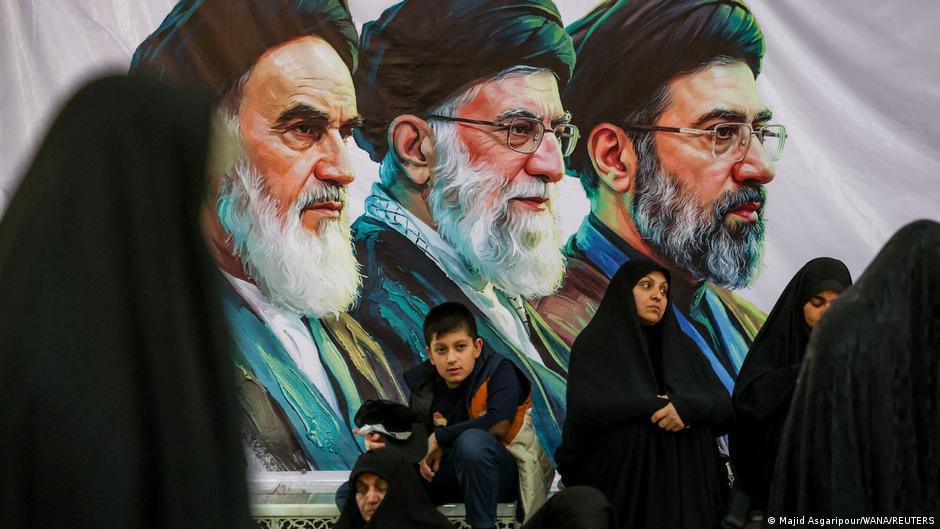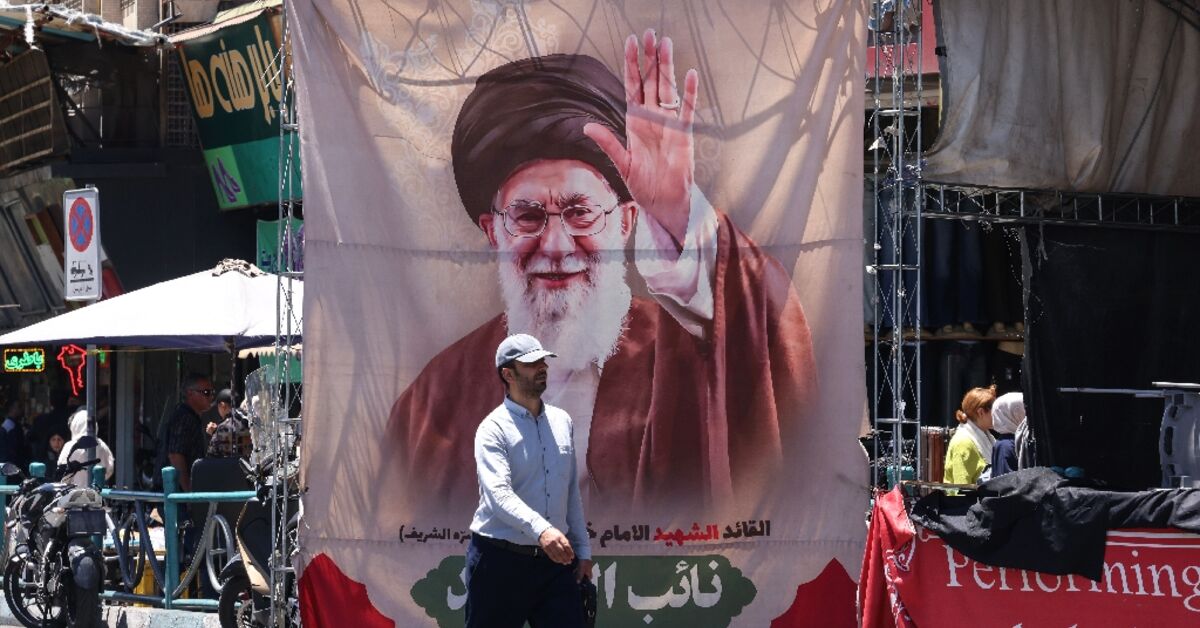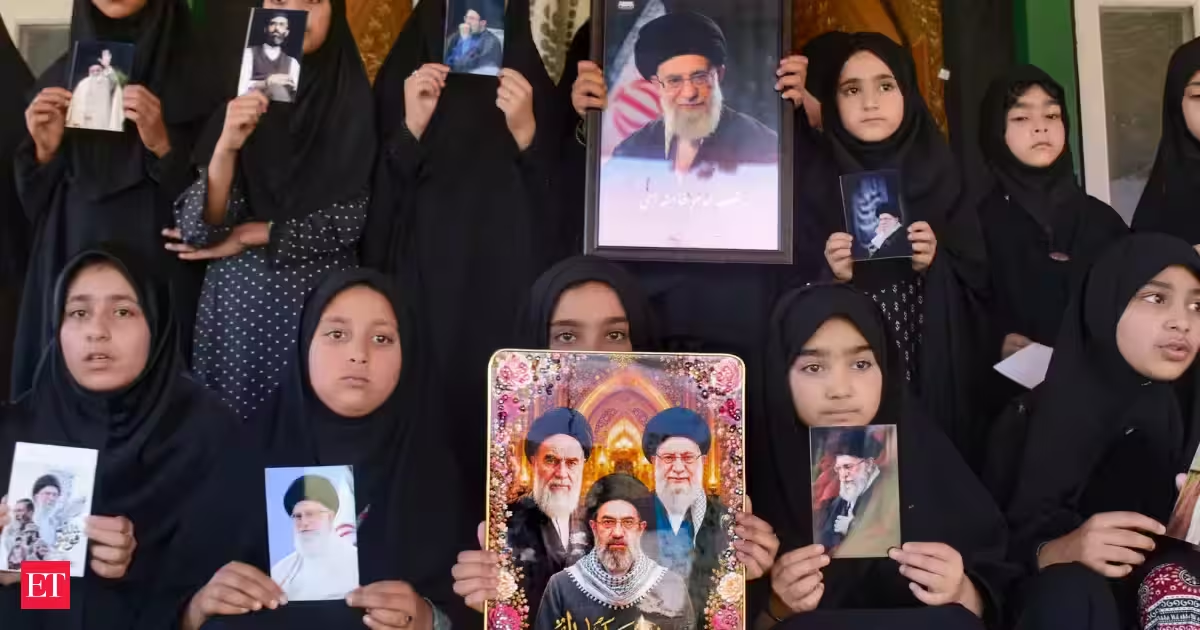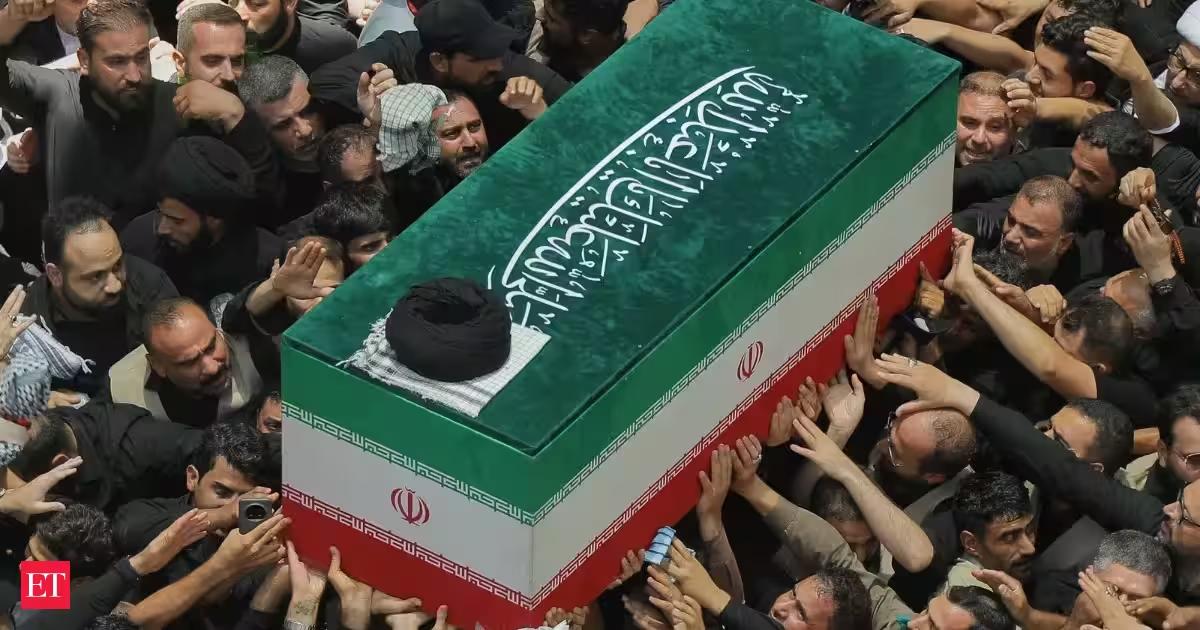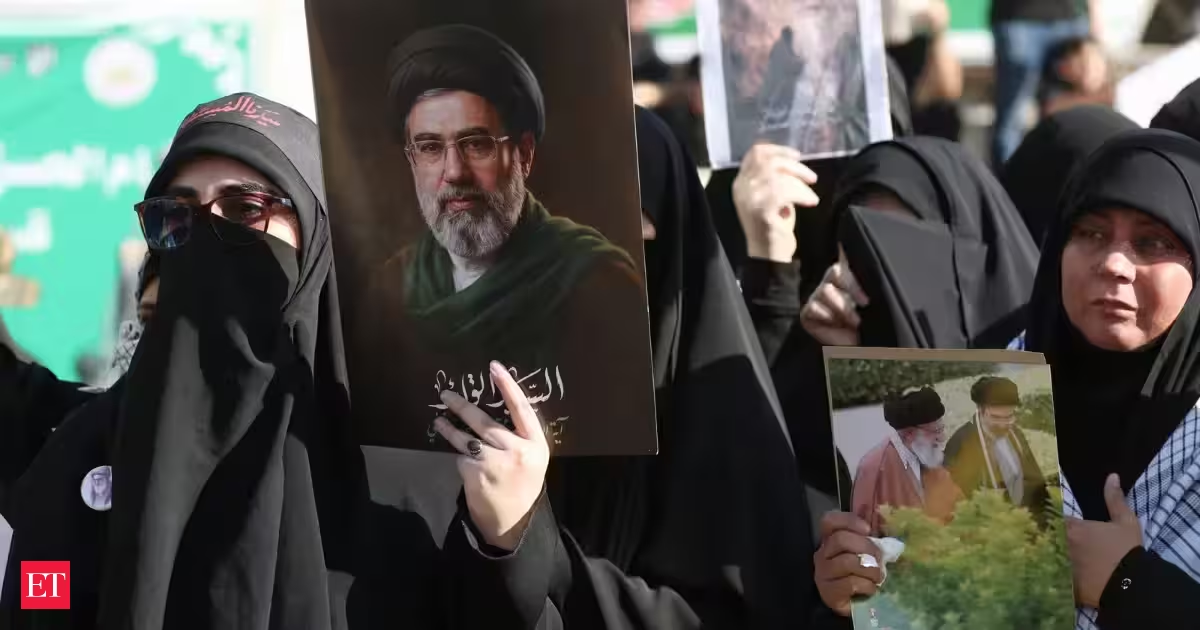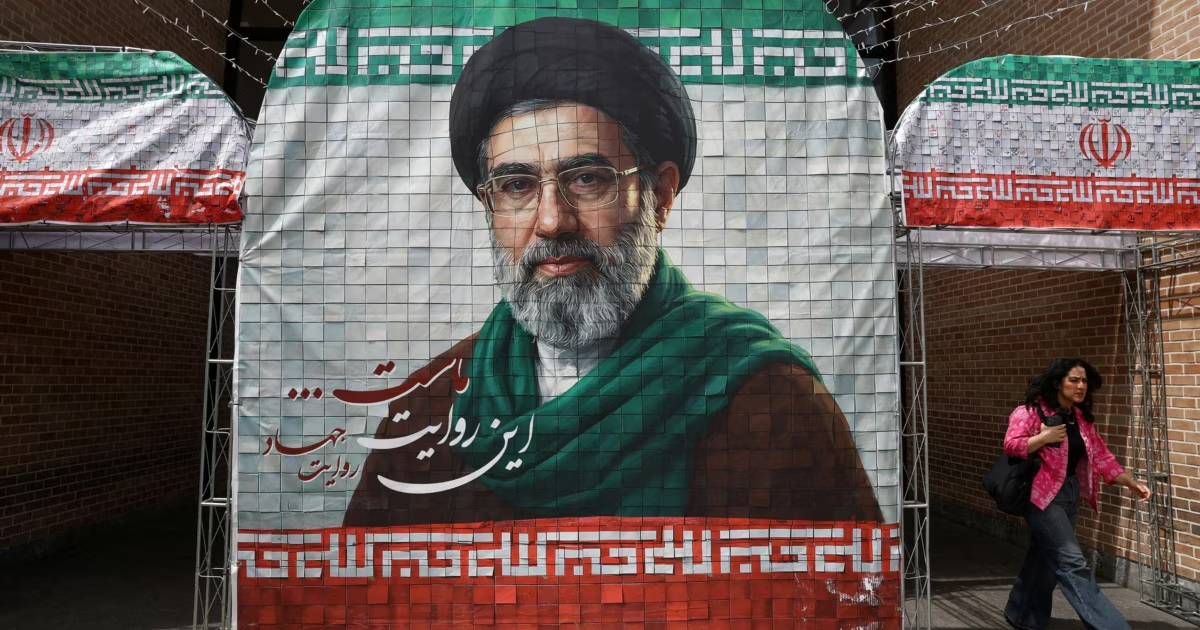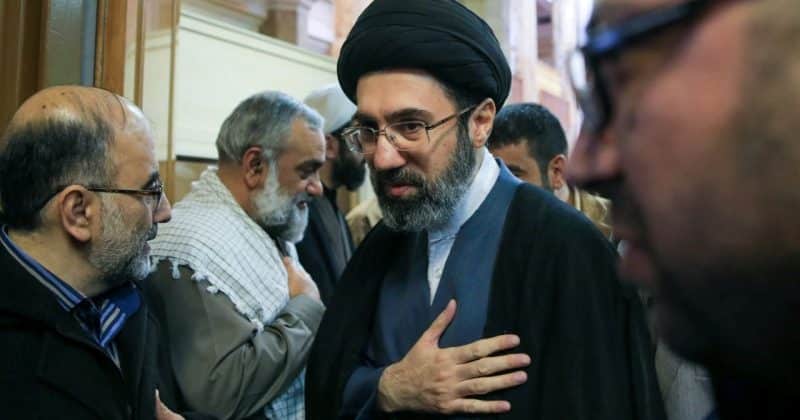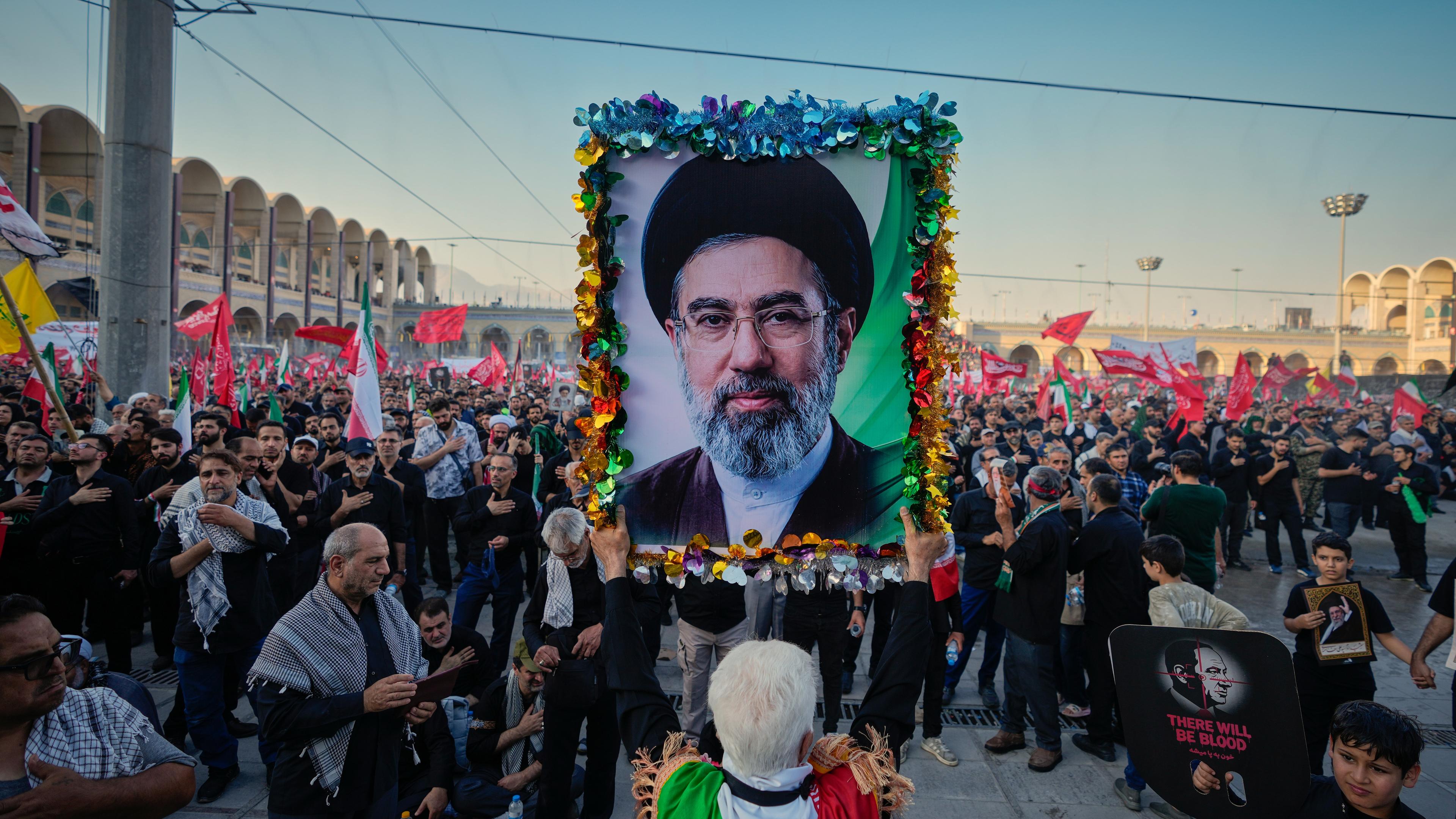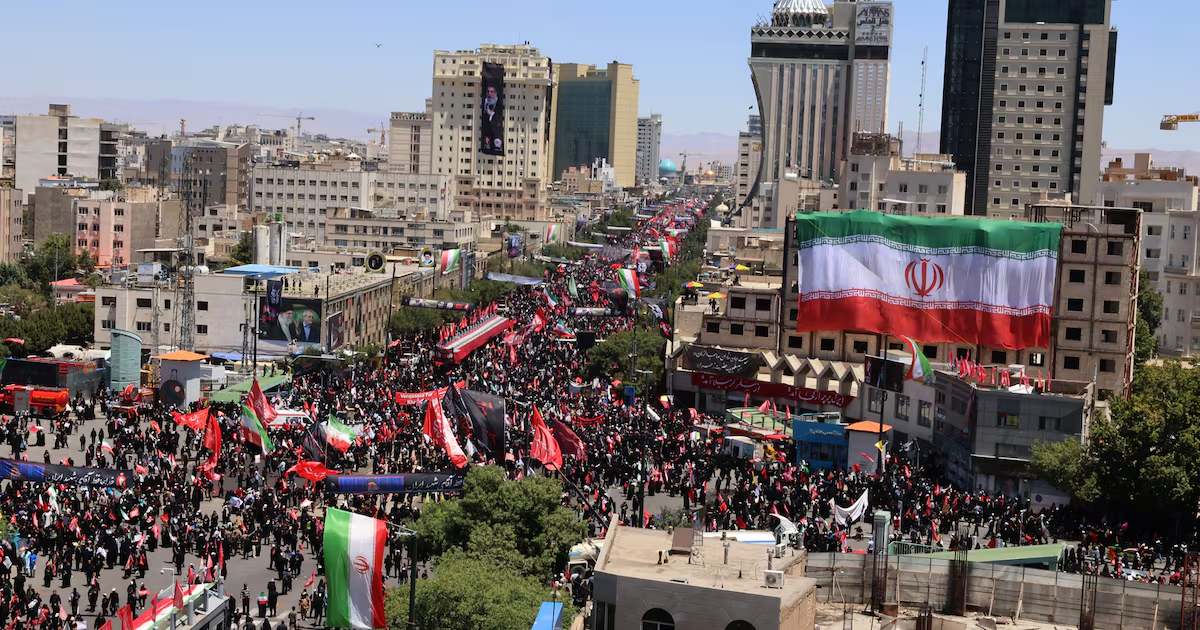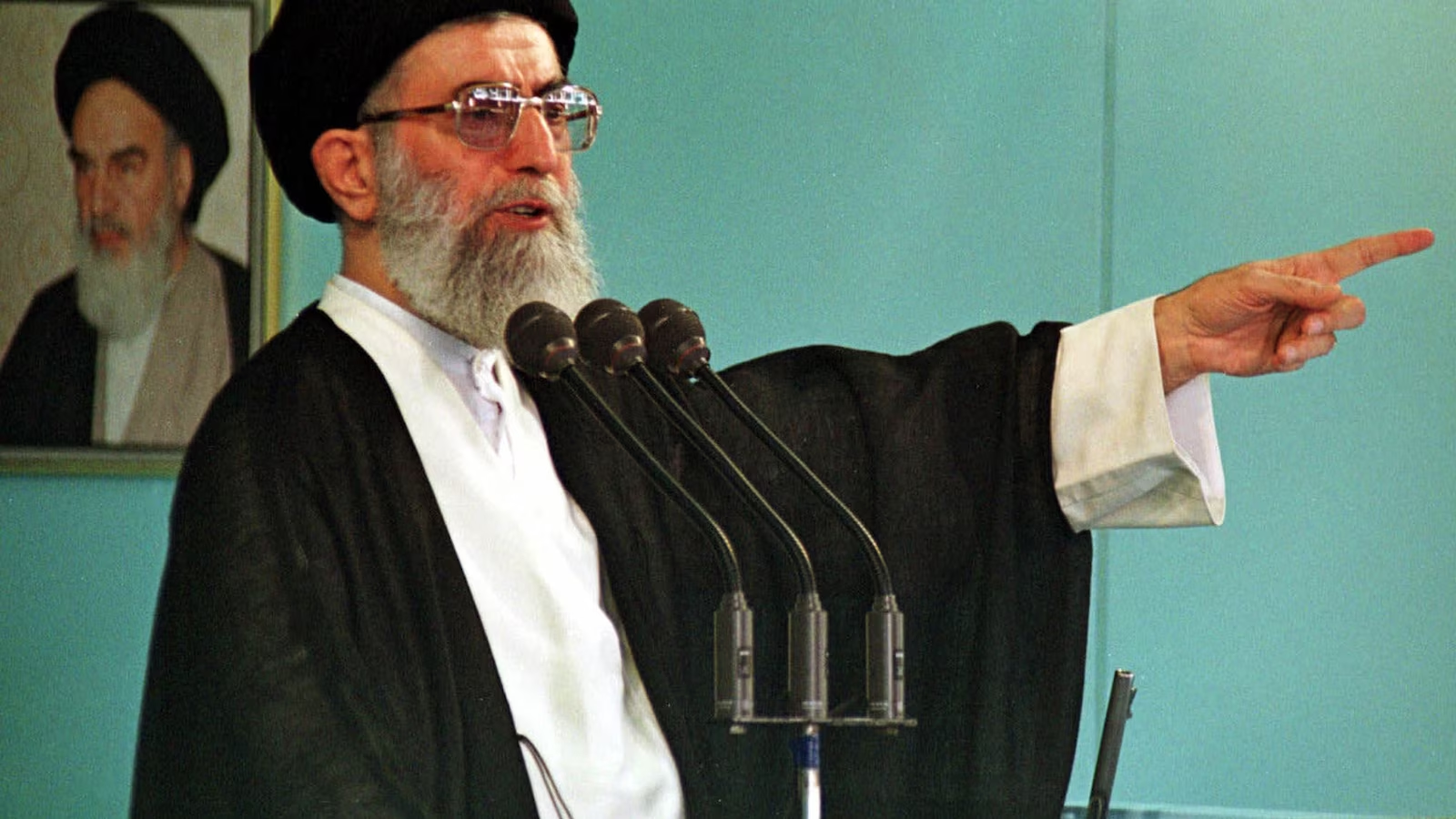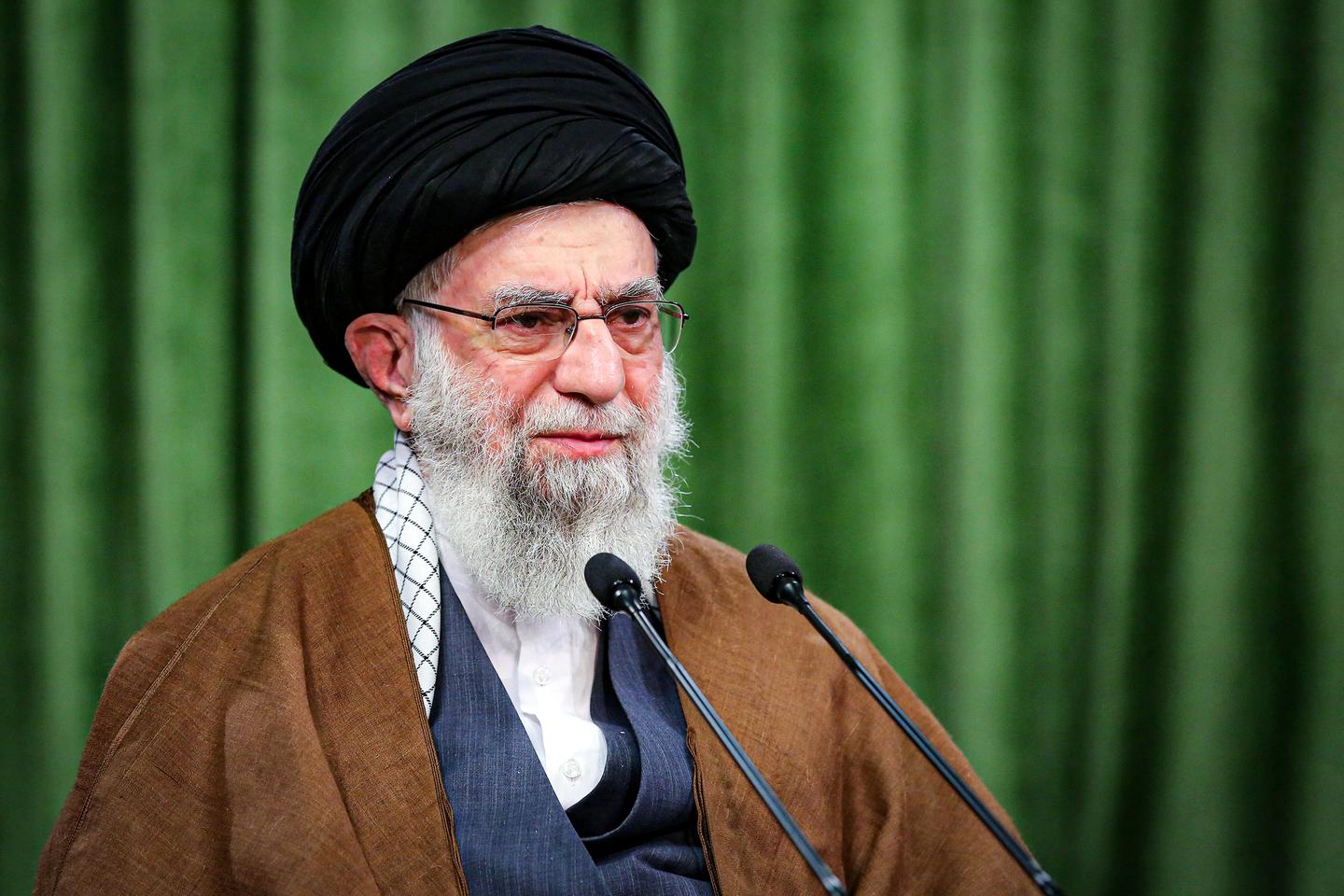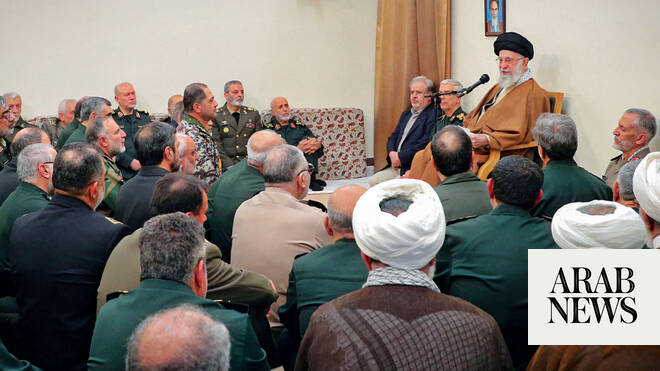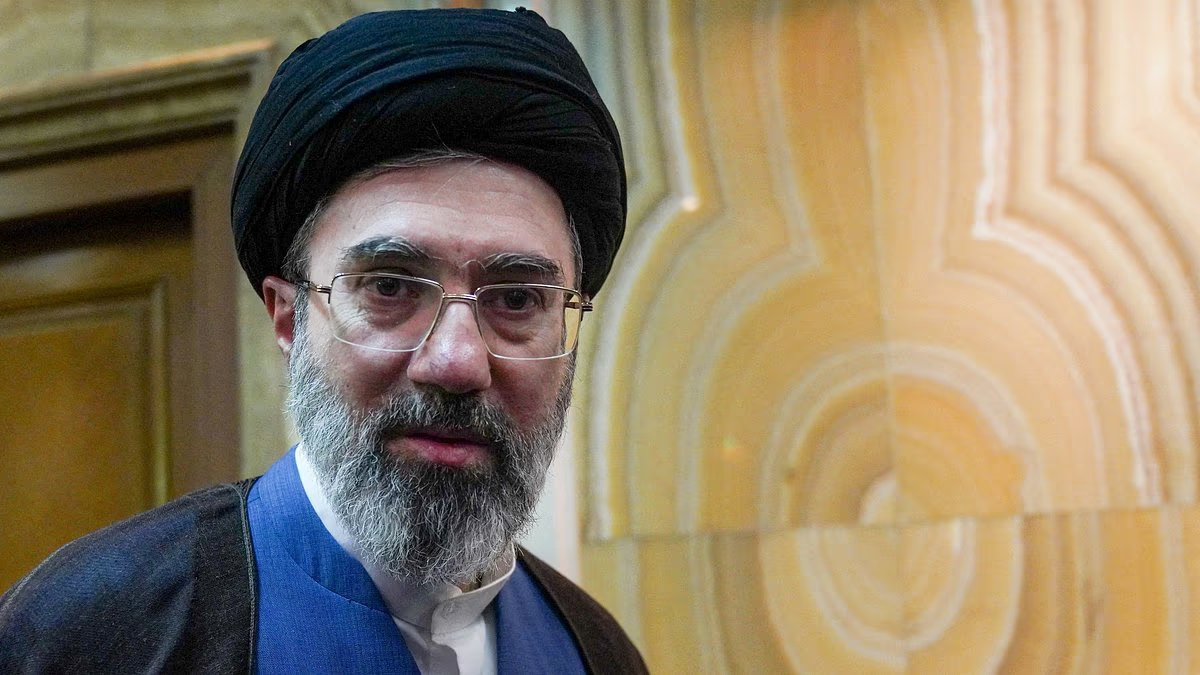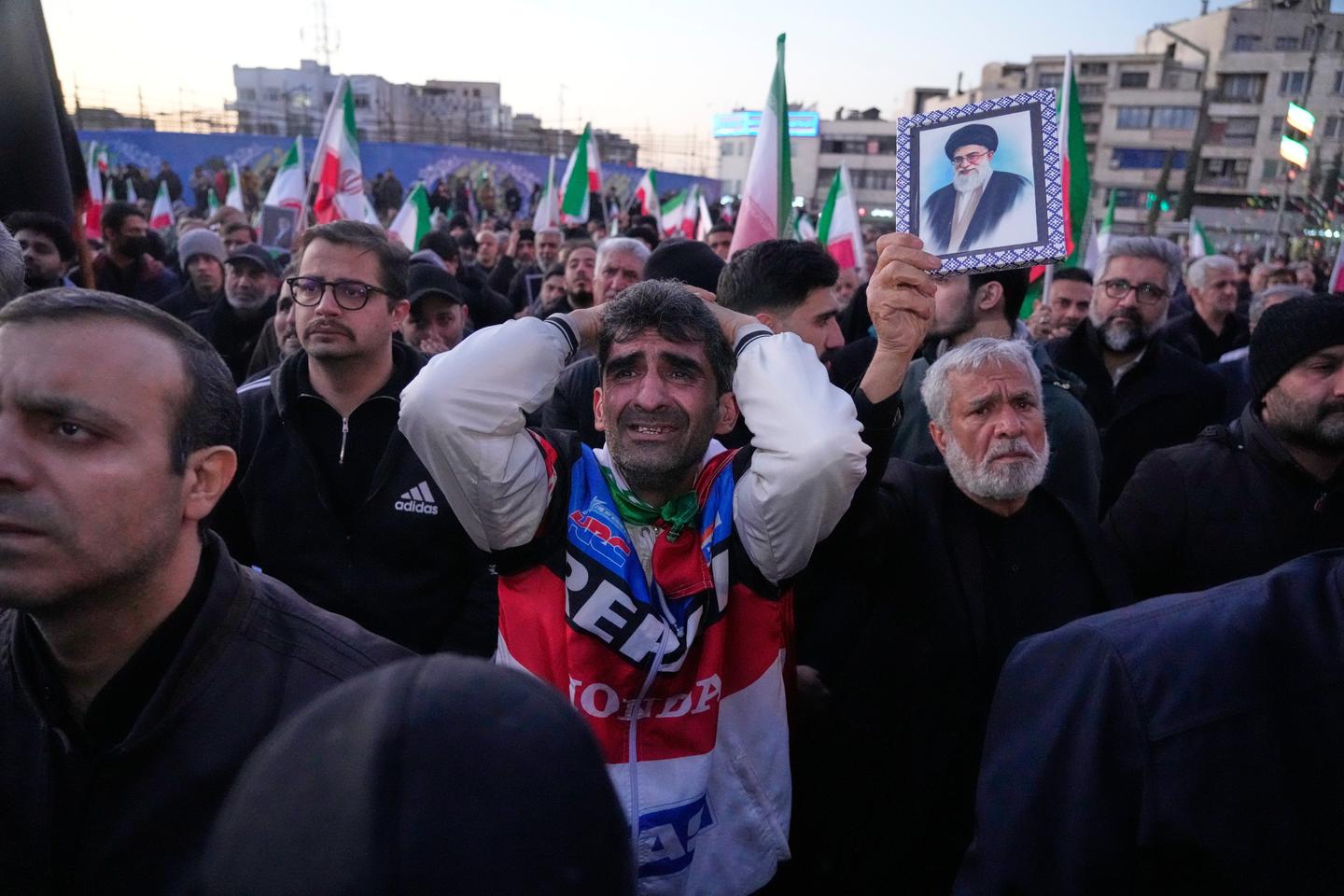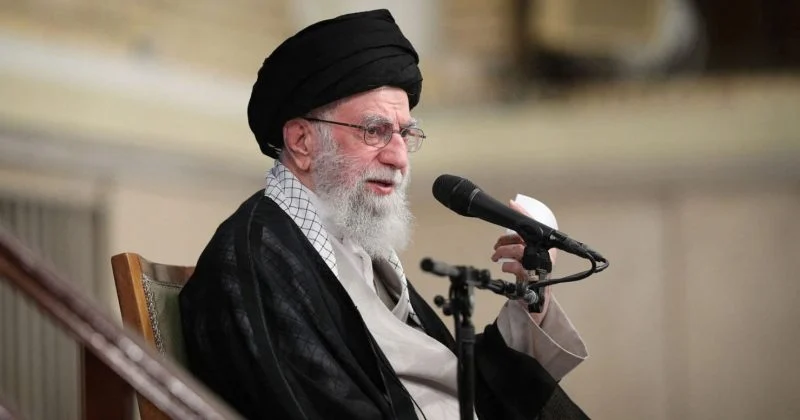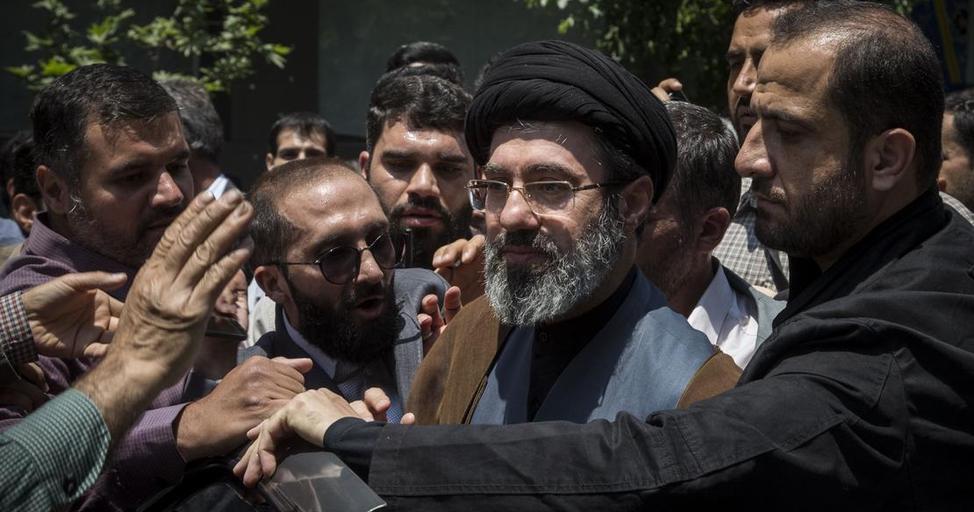
Following the death of Ayatollah Seyyed Ali Khamenei, the second leader of the Islamic Republic, on February 28, in the wake of US and Israeli military strikes, the regime has launched a multi-tiered effort to reshape history. Government apparatuses and various political factions are aggressively trying to convince the public that the late ruler, against whom millions of Iranians had chanted “Death to the Dictator” for decades, was no dictator.
Even some reformist political figures, such as Mohammad-Ali Abtahi, are extending this defense to the newly appointed Supreme Leader, Mojtaba Khamenei. Reacting to the new leader’s permission to sign an interim agreement with the United States, Abtahi remarked: “The Supreme Leader is not a dictator who barks orders for a body of experts to simply operationalize. The leadership can trust the opinions of reliable experts and set aside personal views.”
Whether the Islamic Republic operates as a dictatorship is not a mere dispute over semantics. If this dictatorial nature is to be denied, especially by those who spent years calling the regime exactly that, a fundamental question must be answered: Why is it that, at every critical historical juncture, decisions always descend exclusively from the top, authorized by a single individual?