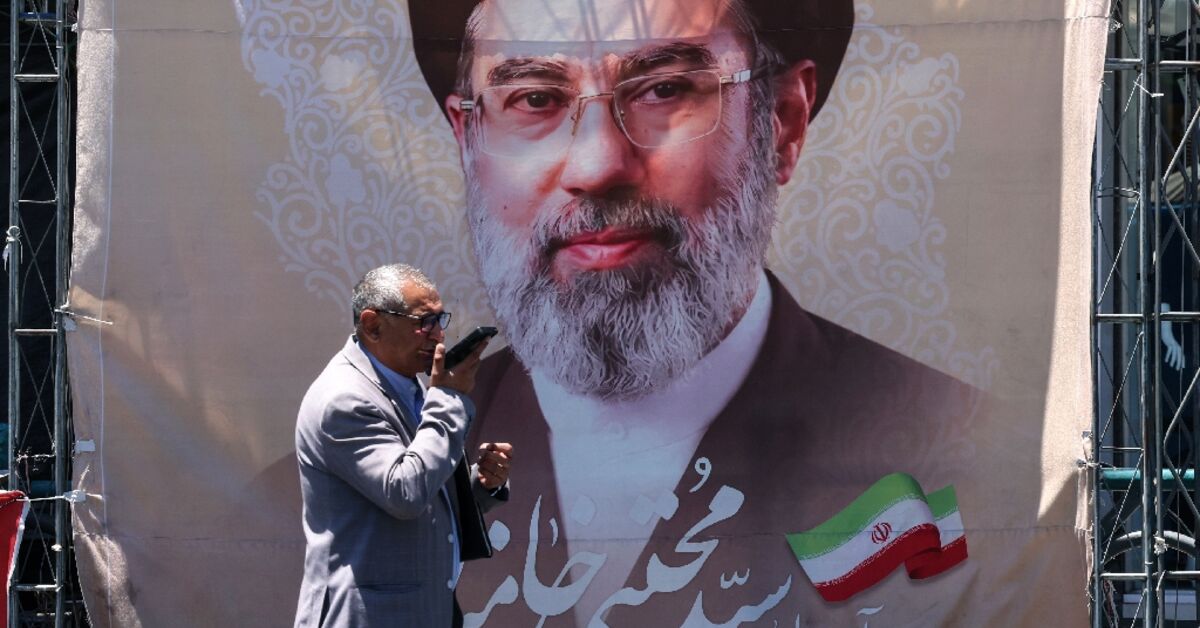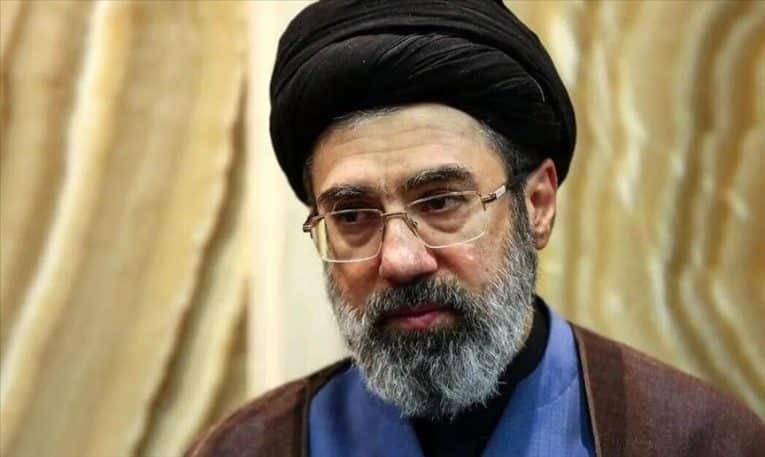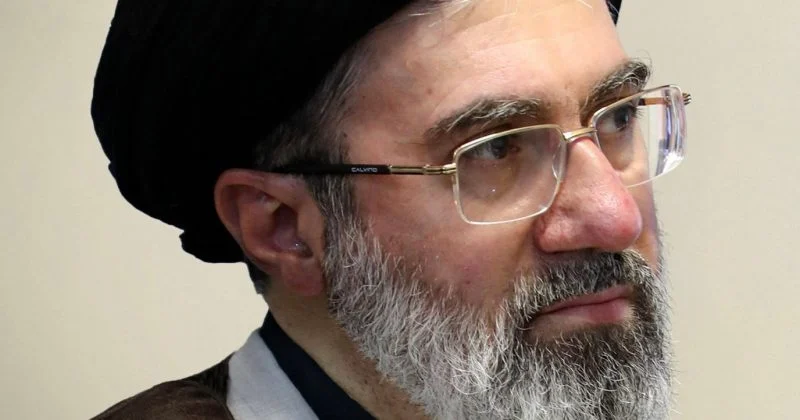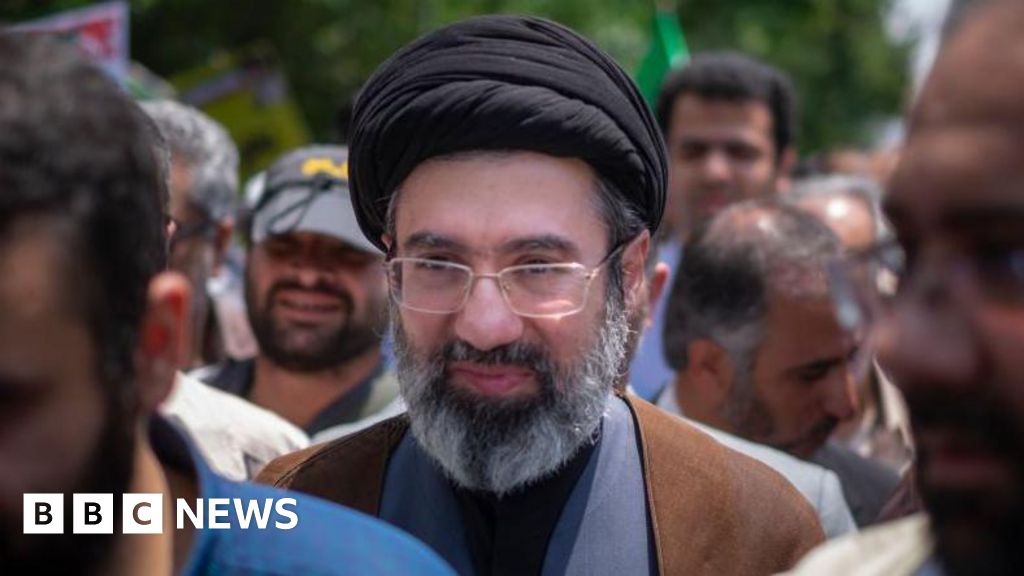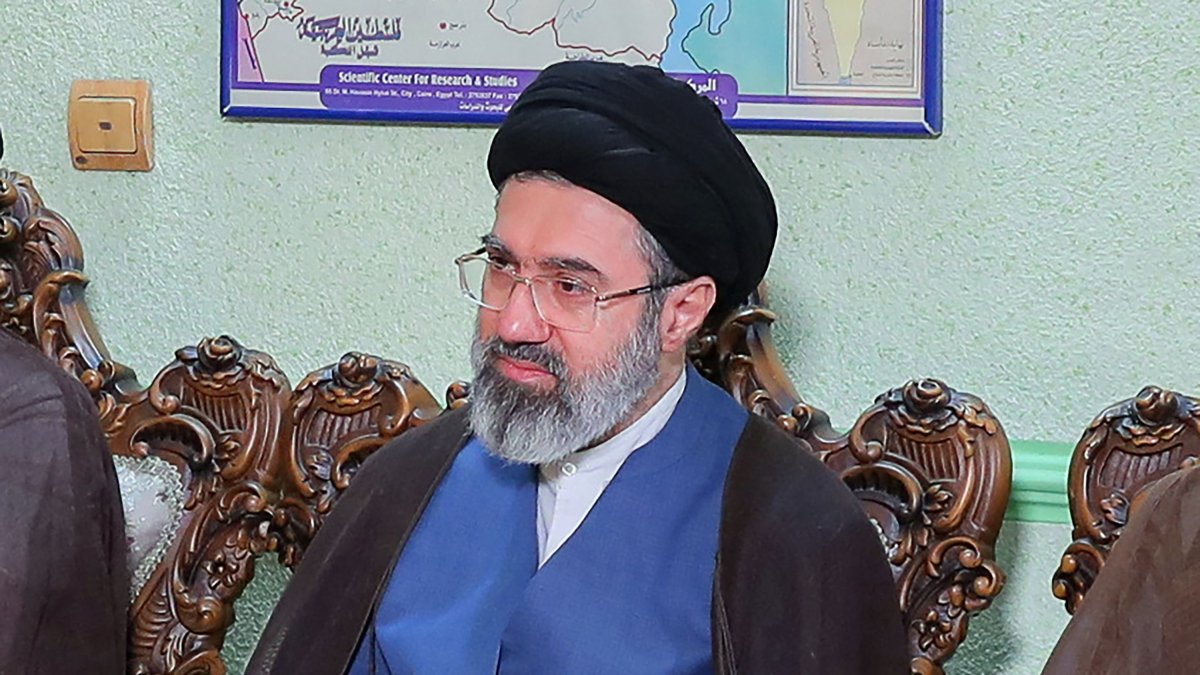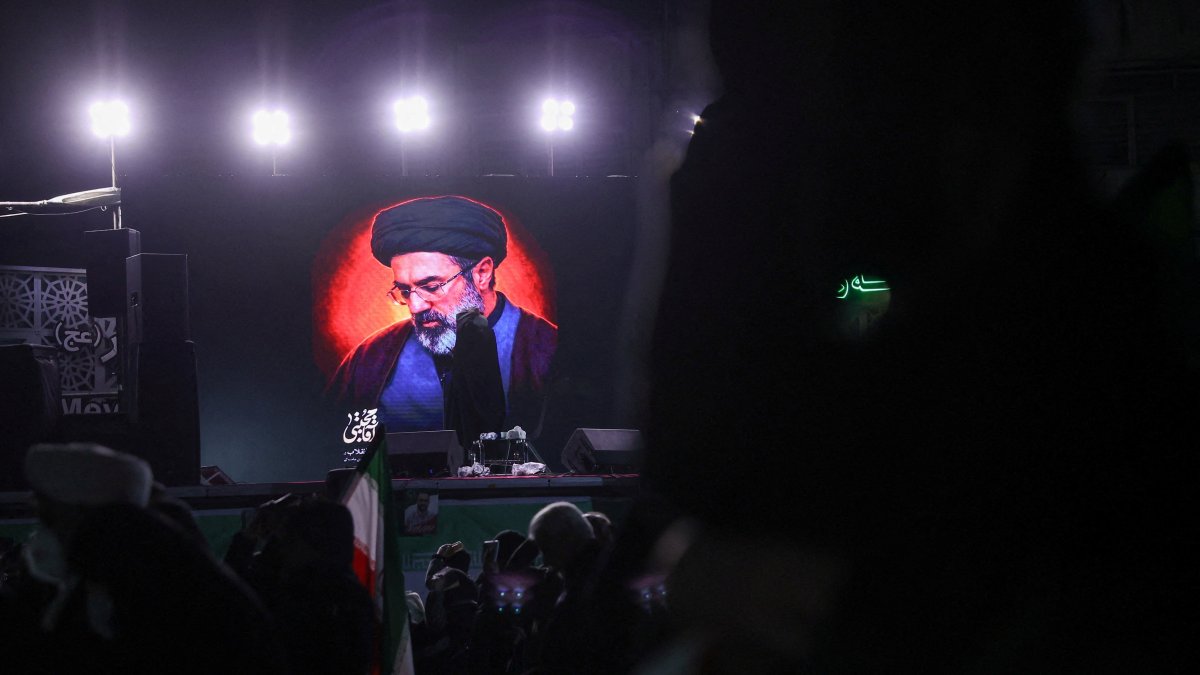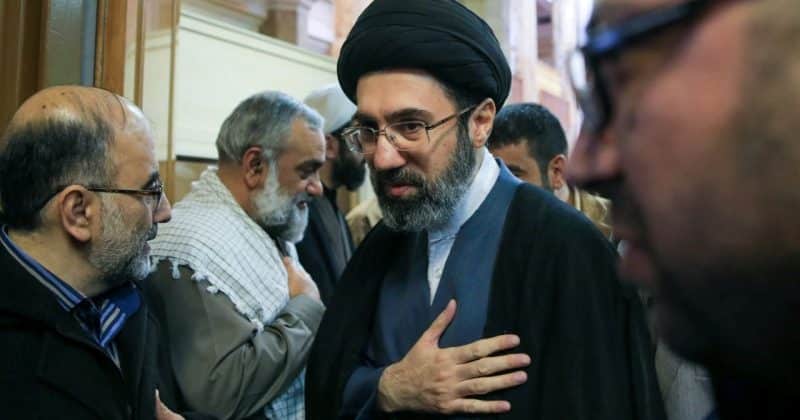
Iran’s political landscape has shifted following the death of Supreme Leader Ali Khamenei, with new leaders emerging from military, theocratic, and civilian sectors. This transition occurs in the aftermath of a joint U.S.-Israel military operation aimed at regime change, which resulted in Khamenei’s assassination. The Assembly of Experts has appointed Mojtaba Khamenei, the late leader’s son, as the new Supreme Leader, although a Provisional Leadership Council initially managed governance. Markets are assessing the stability of this new leadership structure, with implications for Iran’s future governance and international relations.
The prediction markets reflect these changes, with significant attention on whether Iran will maintain a stable head of state by the end of 2026. Currently, the market suggests a high probability that Mojtaba Khamenei will retain his position as the head of state, with an 82.7% YES pricing. However, the broader question of whether Iran will have no head of state by year’s end shows a low 2.7% YES probability, indicating market confidence in some form of stable leadership.
This leadership transition comes amid ongoing geopolitical tensions and the recent ceasefire with the U.S. and Israel. The market’s reaction suggests that participants view the current leadership as likely to maintain stability, at least in the short term. However, the situation remains fluid, and any indications of internal power struggles or external pressures could alter these perceptions.