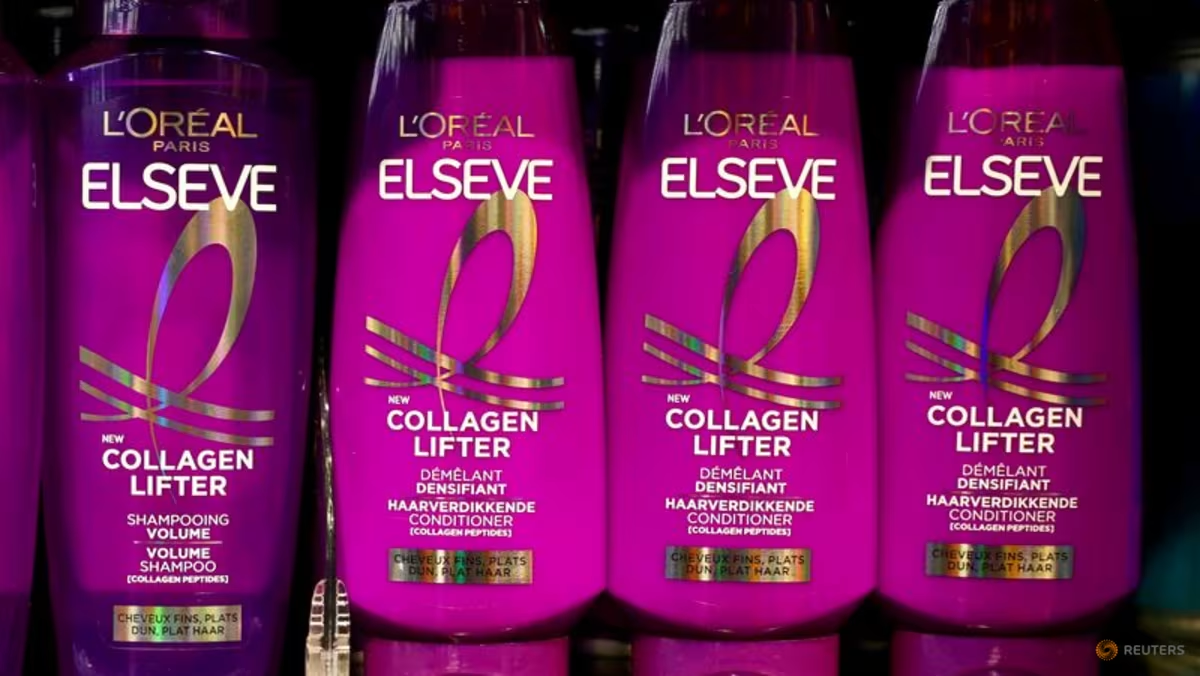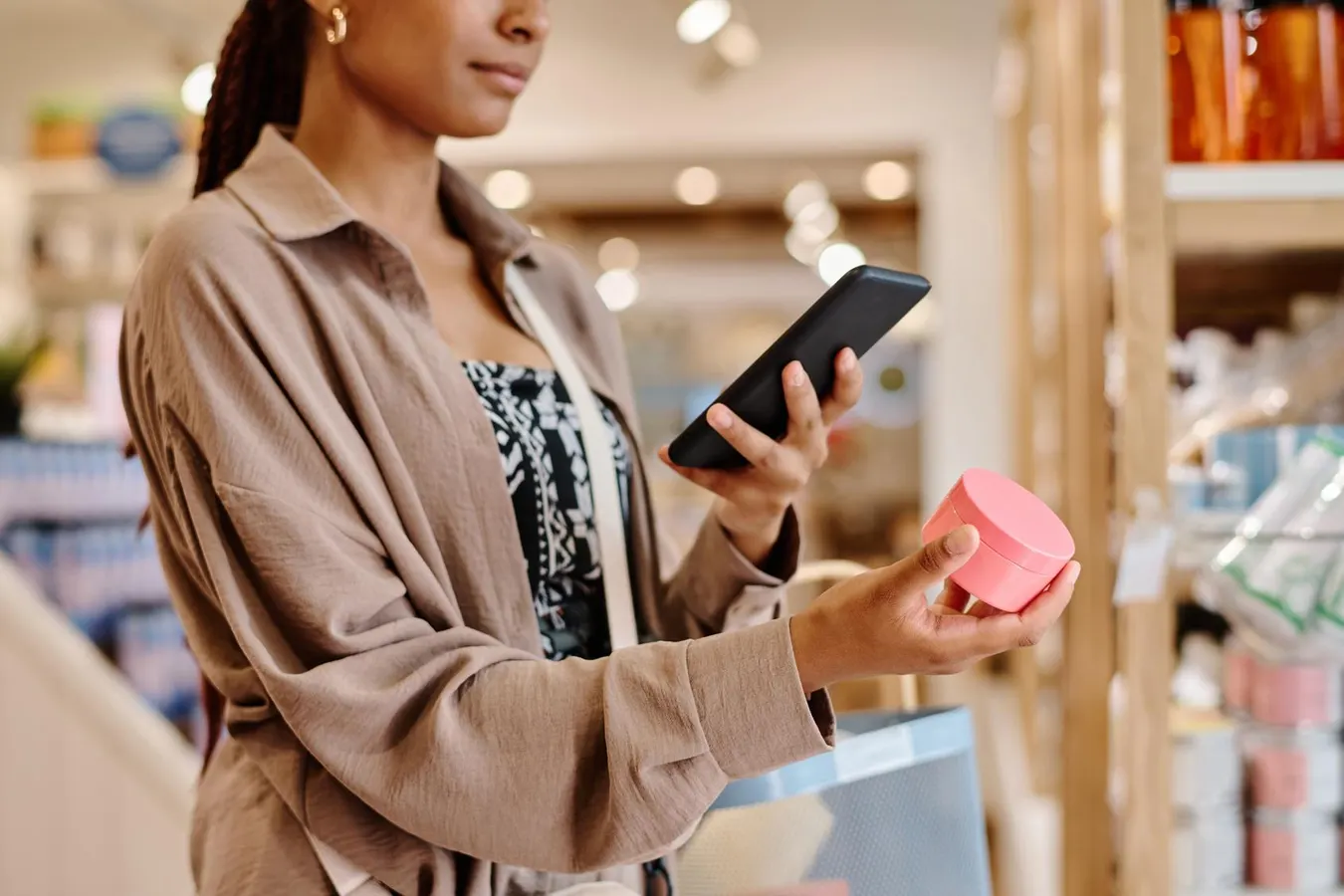
The AI story has mostly been told through chips, data centres, and the companies building the models. It is now being told through the shampoo aisle.
The world’s largest makers of everyday goods, the businesses behind the bottles and packets in most kitchens and bathrooms, say they are using artificial intelligence to design products and run the campaigns that sell them, turning a technology associated with software into a fixture of the consumer-goods lab.
It is the same wave of enterprise adoption that has pulled AI tooling into corporate software stacks, arriving now in categories as unglamorous as body wash and biscuits.
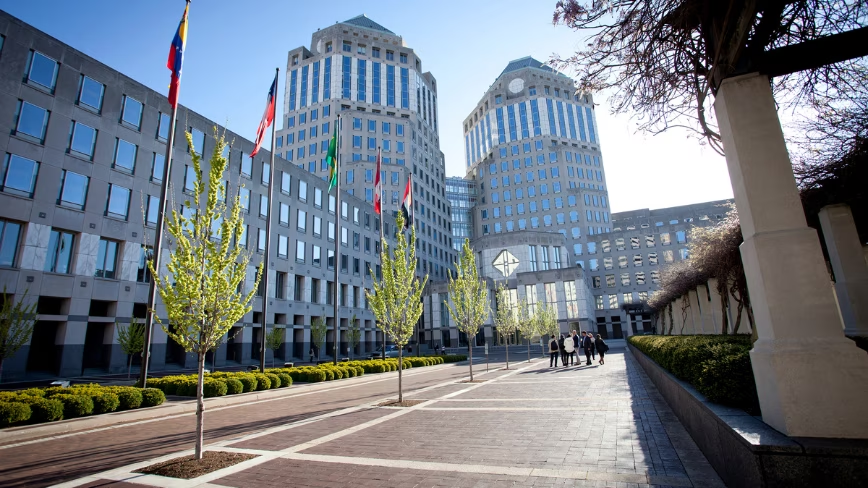
Procter & Gamble offers the clearest example of what this looks like inside research and development.
The 💜 of EU techThe latest rumblings from the EU tech scene, a story from our wise ol' founder Boris, and some questionable AI art. It's free, every week, in your inbox. Sign up now!The company says it used AI to screen tens of thousands of peptides in developing a formula for a Pantene product, drawing on an internal database of more than 8,500 formulations to predict how a mixture would feel on skin or hair before anyone mixed it.