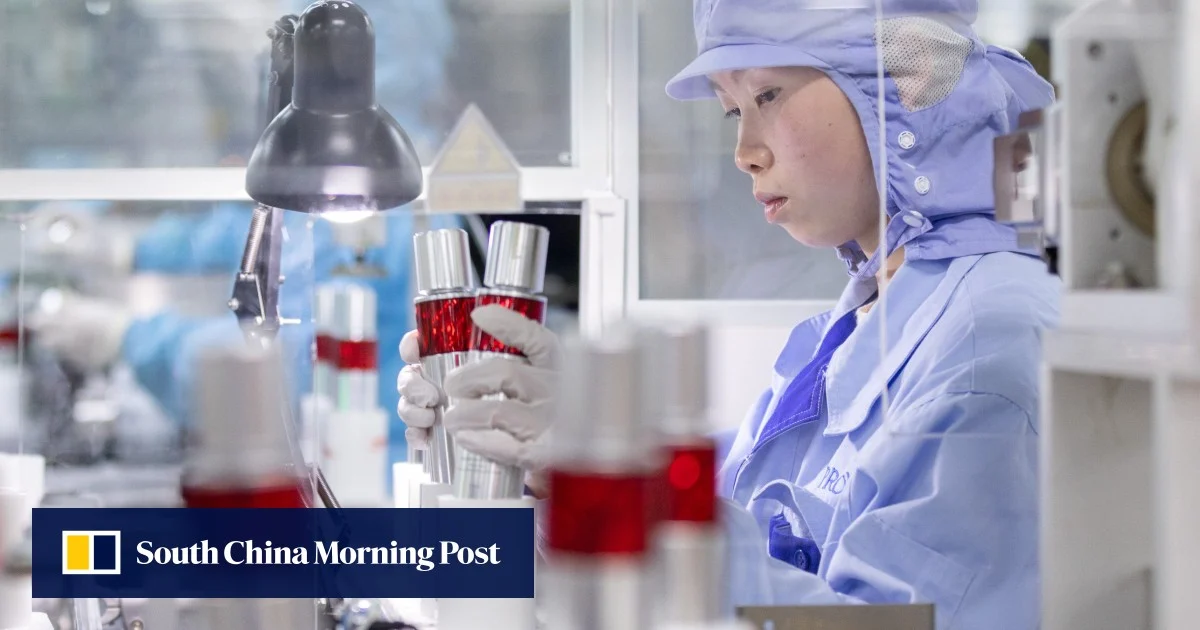
SynopsisA recent experiment involving an AI-generated shampoo formulation is offering insights into how artificial intelligence could reshape product development. By creating a formula based on specific business and performance requirements, AI demonstrated its potential as a tool for accelerating research and development rather than replacing human expertise.TIL CreativesArtificial IntelligenceCan artificial intelligence help create the next consumer product?That question is increasingly being explored by businesses looking to integrate AI into product development workflows. A recent experiment by entrepreneur Ghazal Alagh offered a practical example of how the technology could support research and development teams in the consumer goods industry.The experiment involved asking an AI system to create a shampoo formulation designed to address hair fall. The AI was given a clear set of requirements, including specific active ingredients, expected results within a defined timeframe, and a target price point for the final product.The outcome was a working formula generated entirely by AI. However, the exercise also highlighted an important reality about the current state of the technology. While AI can generate strong starting points, human expertise remains critical to transforming ideas into market-ready products.When the formula was reviewed by the R&D team, it became clear that refinements were still needed. For example, the shampoo's texture was too watery and required adjustments before it could meet commercial standards. The AI had successfully addressed the brief, but the final stages of product optimisation still depended on scientific expertise and practical testing.The significance of the experiment lies less in the shampoo itself and more in what it reveals about the future of product innovation. Rather than replacing researchers, formulators, or product developers, AI is increasingly being positioned as a tool that can accelerate early-stage research, reduce time spent on repetitive tasks, and provide teams with stronger starting points for development.This shift is becoming visible across industries. Companies are exploring AI for everything from ingredient research and product formulation to consumer insights, trend forecasting, and testing scenarios. The objective is not necessarily to automate the entire development process, but to make it faster, more efficient, and more data-driven.As businesses continue experimenting with AI, the conversation is moving beyond whether the technology can generate ideas. The focus is now on how organisations can combine AI capabilities with human expertise to build better products, improve workflows, and accelerate innovation. For many companies, that transition may already be underway.Disclaimer Statement: This content is authored by a 3rd party. The views expressed here are that of the respective authors/ entities and do not represent the views of Economic Times (ET). ET does not guarantee, vouch for or endorse any of its contents nor is responsible for them in any manner whatsoever. Please take all steps necessary to ascertain that any information and content provided is correct, updated, and verified. ET hereby disclaims any and all warranties, express or implied, relating to the report and any content therein.Read More News onRead More News on
AI-generated product development: How a hair fall shampoo formula was created using Artificial Intelligence
A recent experiment involving an AI-generated shampoo formulation is offering insights into how artificial intelligence could reshape product development. By creating a formula based on specific business and performance requirements, AI demonstrated its potential as a tool for accelerating research and development rather than replacing human expertise.
484 words~2 min read