From virtual hair makeovers to skincare advice, artificial intelligence is becoming an early stop in many people's grooming journeys, helping them visualise looks before they seek an expert opinion.A sudden urge for a makeover usually ends at the salon chair, where the cut you imagined and the cut you walk out with rarely match. Across Bengaluru, artificial intelligence now closes that gap before the appointment is even booked. Residents preview hairstyles, test hair colours, decode skincare ingredients and explore fashion choices through AI tools, turning technology into the first stop in the grooming journey rather than the salon mirror.AI becomes the first consultationWhat changed is access. Free generative tools now sit on every phone: upload a selfie, describe a look, and apps return a photorealistic preview in seconds. The better ones map your face shape, hairline and skin undertone, then render the cut or colour onto your own photo rather than pasting a generic style on top. That personalisation is the difference, and it explains why clients now arrive with references built around their own faces instead of a celebrity photo saved from Instagram, Pinterest or Google.Professionals in the city's grooming industry say client behaviour has shifted noticeably over the past year. Danny, senior hairstylist at Rock Paper Scissors, says the trend cuts across age groups, from children to senior citizens. AI-generated references have made consultations more efficient, he explains, because clients walk in with a clearer idea of the styles they want to explore. He adds that the technology has pushed people to experiment with different hairstyles, beard styles and hair colours with greater confidence.Beyond hairstyles: AI enters skincare and self-careFor digital creator Avanthika Babu, AI serves as more than a hairstyle simulator. She relies on it to understand skincare products, uploading ingredient lists and asking for simplified explanations before she tries something new.The mechanics are straightforward. Paste or photograph an ingredient list, and the tool cross-references it against a database, translates the chemical names into plain language, flags likely irritants or pore-clogging agents, and often suggests alternatives. Apps such as SkinSort, Yuka, and Think Dirty do this in a tap, while general chatbots handle a pasted list just as readily. The appeal is skin literacy on demand, a way to read past the marketing on the front of the bottle.Babu finds the technology useful for making informed decisions, yet she treats it as a supporting tool rather than the final authority. In her view, AI helps organise information and generate ideas, while personal judgment still shapes every grooming decision.Technology has limits, experts sayDespite its growing popularity, stylists caution that AI-generated previews often diverge from real-world results. Danny explains that matching a hairstyle depends heavily on a person's natural hair texture and the amount of maintenance they are willing to commit to.The reason is technical. Simulating real hair, its texture, density and the way it moves, is the hardest task for these models, so previews stay convincing on straight hair and drift on wavy and especially curly textures. Live try-ons can glitch too, with strands lagging behind a turn of the head. According to Danny, that is exactly where professional experience earns its place: explaining what is realistically achievable, rather than simply recreating a digitally generated image.Human expertise still drives final decisionsImage consultant Sonia Pardesi believes AI works well as a starting point for clients exploring their personal style. It generates ideas quickly and visualises different possibilities, making the early stages of styling more efficient.Translating those ideas into a look that suits an individual's personality, profession and comfort level, she says, still calls for human expertise. Beyond appearance, styling involves understanding confidence, aspirations and emotional expression, qualities that sit beyond what technology can replicate. Rather than replacing image consultants, Pardesi believes AI will strengthen the profession by freeing experts to focus on personalised guidance, strategic thinking and stronger client relationships.Inspiration meets individualityStylist Gousia Galib Khan has noticed more clients, particularly from Gen Z, arriving with AI-generated inspiration before consultations. She welcomes the technology as a creative aid, while holding that fashion decisions need more than artificial intelligence behind them.Clothing and personal style carry more than visual appeal, according to Khan; they also reflect an individual's personality and comfort. She uses AI herself to develop mood boards and explore creative concepts, yet her final styling decisions stay shaped by professional judgment and the client's unique identity.Even frequent users keep the technology in its place. Babu describes AI as a useful source of inspiration and information, a companion to real-world experience and expert advice rather than a substitute for either. As AI threads deeper into everyday life, Bengaluru's grooming industry appears to be embracing it as a practical partner, one that sharpens consultations while leaving the people behind the chair firmly in charge.Frequently Asked Questions1. What grooming tasks are people using AI for?People use AI to preview hairstyles, test hair colours, decode skincare ingredients, try beard styles and explore fashion or colour choices before they consult a professional.2. Why are stylists seeing more AI-generated references from clients?AI lets users build personalised visual references around their own facial features, so both client and stylist start the consultation with a clearer, shared picture.3. How accurately does AI predict how a hairstyle will look?It varies with hair type. Previews stay realistic for straight hair and drift for wavy and curly textures, because natural texture, density and maintenance are difficult to simulate.4. Are grooming professionals using AI in their own work?Yes. Some hairstylists and image consultants use AI to build mood boards, explore colour combinations and visualise styling ideas before they discuss options with clients.5. Can AI replace a professional stylist or image consultant?Industry experts treat AI as a planning and visualisation tool. Final recommendations still depend on professional expertise, individual preferences, lifestyle and judgment that technology lacks.end of article
AI is Bengaluru's new style consultant, previewing haircuts and skincare before the salon visit
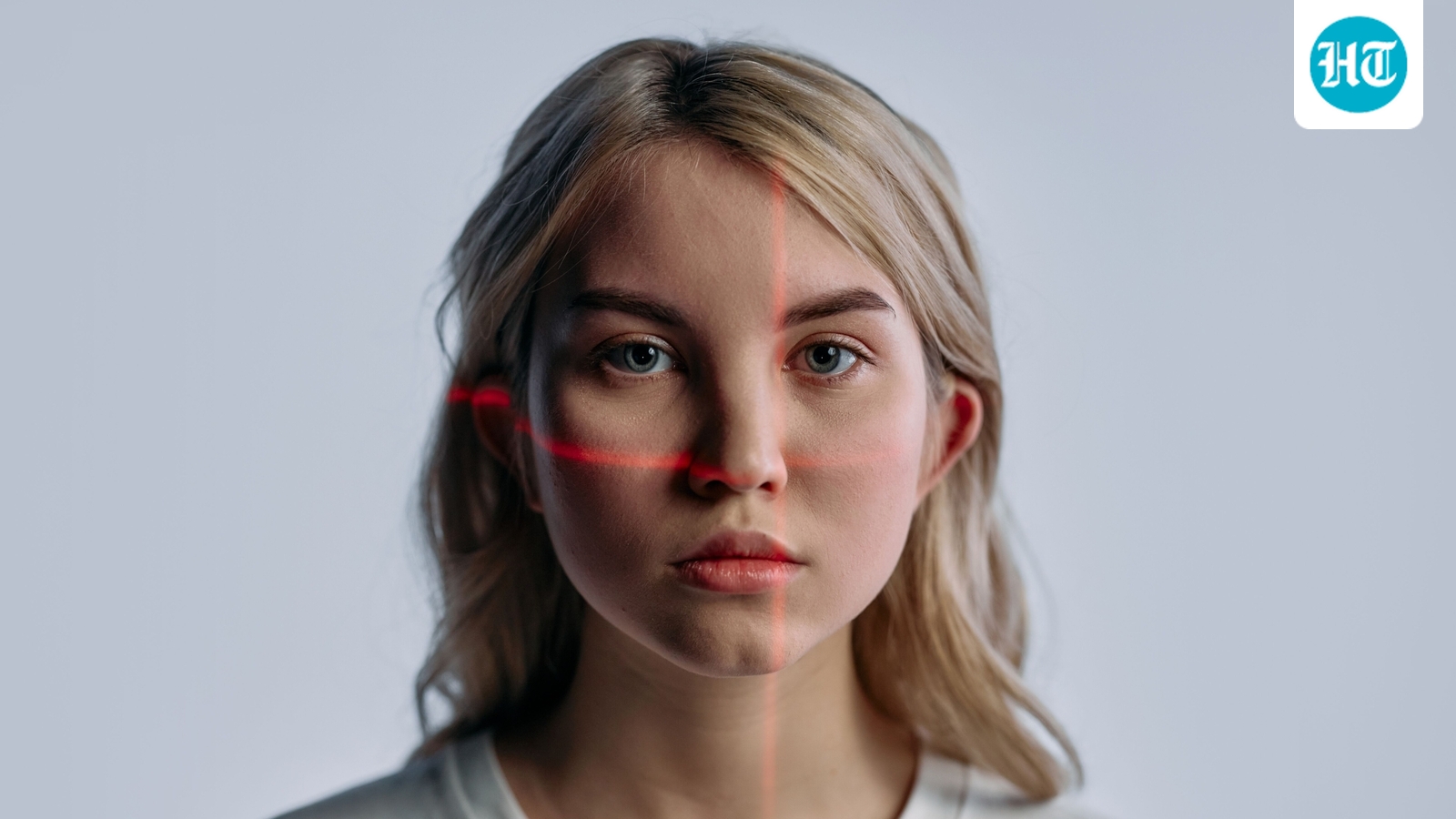
From virtual hair makeovers to skincare advice, artificial intelligence is becoming an early stop in many people's grooming journeys, helping them visualise looks before they seek an expert opinion.A sudden urge for a makeover usually ends at the salon chair, where the cut you imagined and the cut you walk out with rarely match. Across Bengaluru, artificial intelligence now closes that gap before the appointment is even booked. Residents preview hairstyles, test hair colours, decode skincare ingredients and explore fashion choices through AI tools, turning technology into the first stop in the grooming journey rather than the salon mirror.
Free generative AI tools let Bengaluru users preview haircuts and skincare by mapping face shape onto selfies. Yet models struggle with curly hair, showing foundation models drive ideation but require expert judgment for actual results.