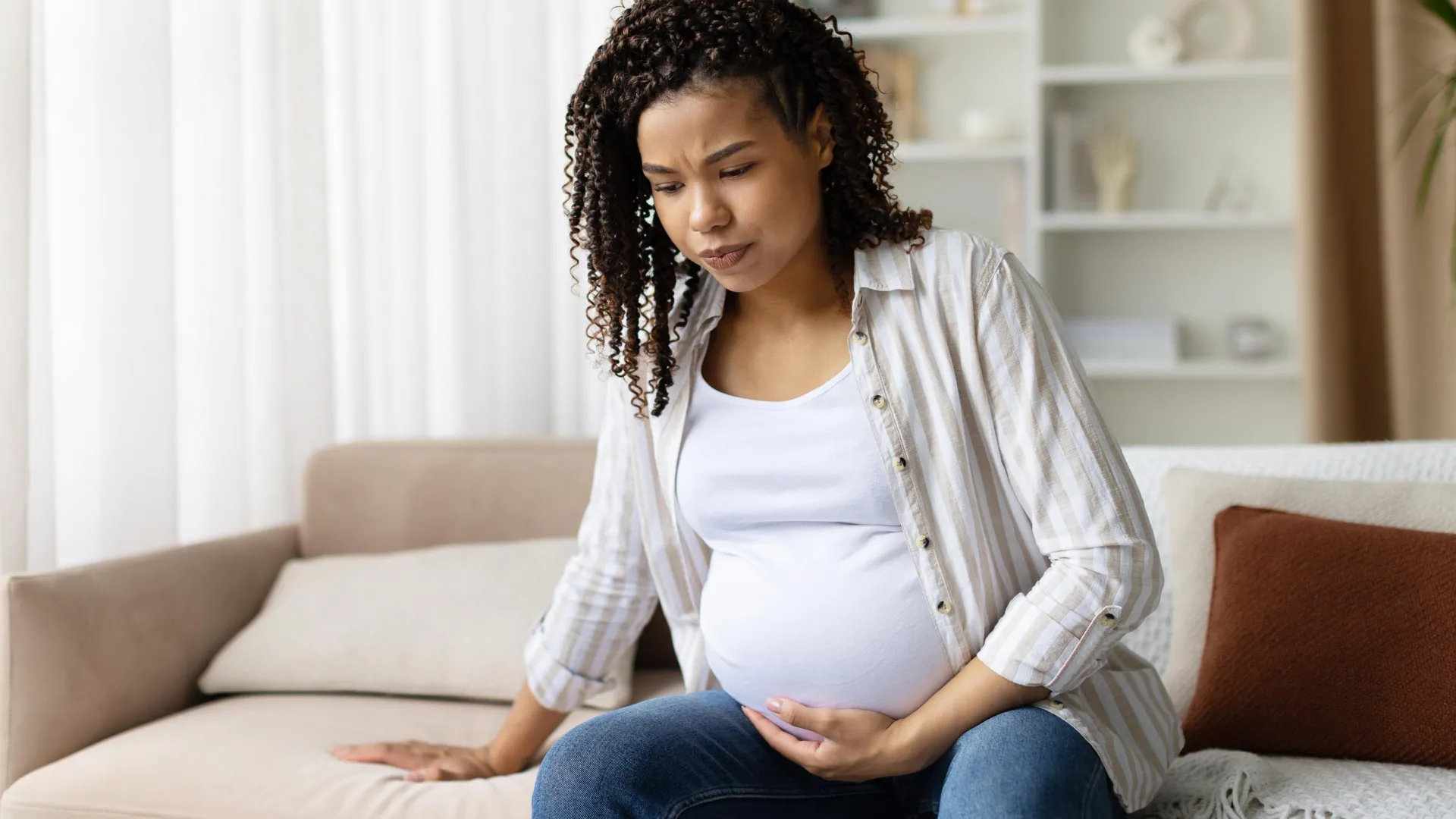
One of the largest investigations ever conducted into chemical exposure during pregnancy has found that pregnant women regularly encounter dozens of chemicals found in everyday life. Researchers say many of these substances may influence how early a baby is born and how much the baby weighs at birth, both of which can affect health well beyond infancy.
The study, led by researchers at the UNC Gillings School of Global Public Health, Stanford University School of Medicine, and the Woods Institute for the Environment, was published in JAMA Network Open.
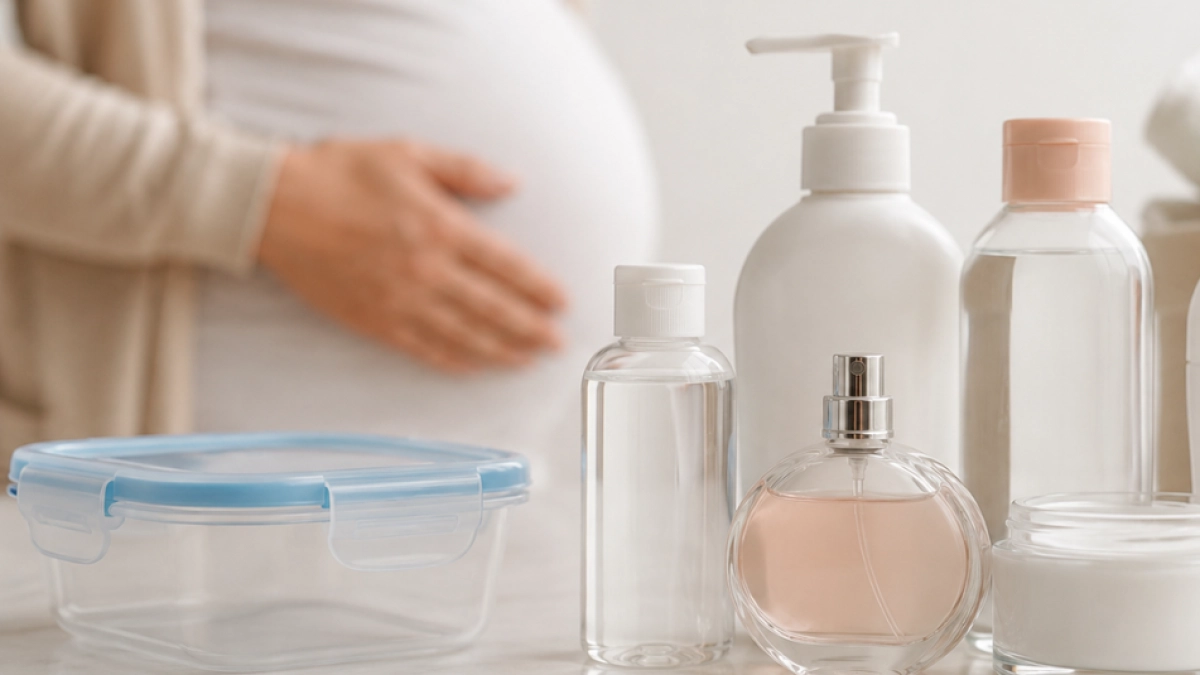
Researchers discovered that participants were exposed to an average of 45 different chemicals. These included phthalates, replacement plasticizers, polycyclic aromatic hydrocarbons (PAHs), and halogenated phenols. Such chemicals can be found in food, drinking water, air pollution, personal care products, fragrances, and a variety of household items.
"These chemicals are difficult to avoid because they're found in a wide range of products we use every day. It can be difficult to know whether products contain them, and even when we do know, we have limited control over exposures," said first author Jessie Buckley, PhD, professor of epidemiology at the Gillings School. "Although there are some practical steps people can take, reducing harmful chemicals at the source is the most effective way to protect children and families."