MARÍA MEDEM
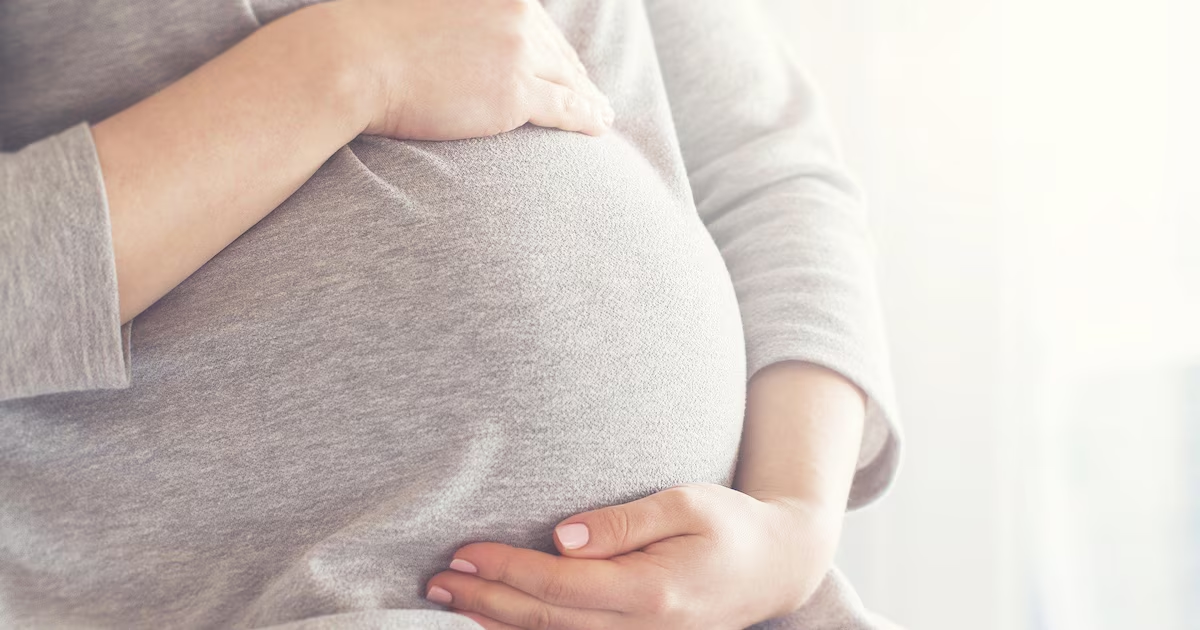
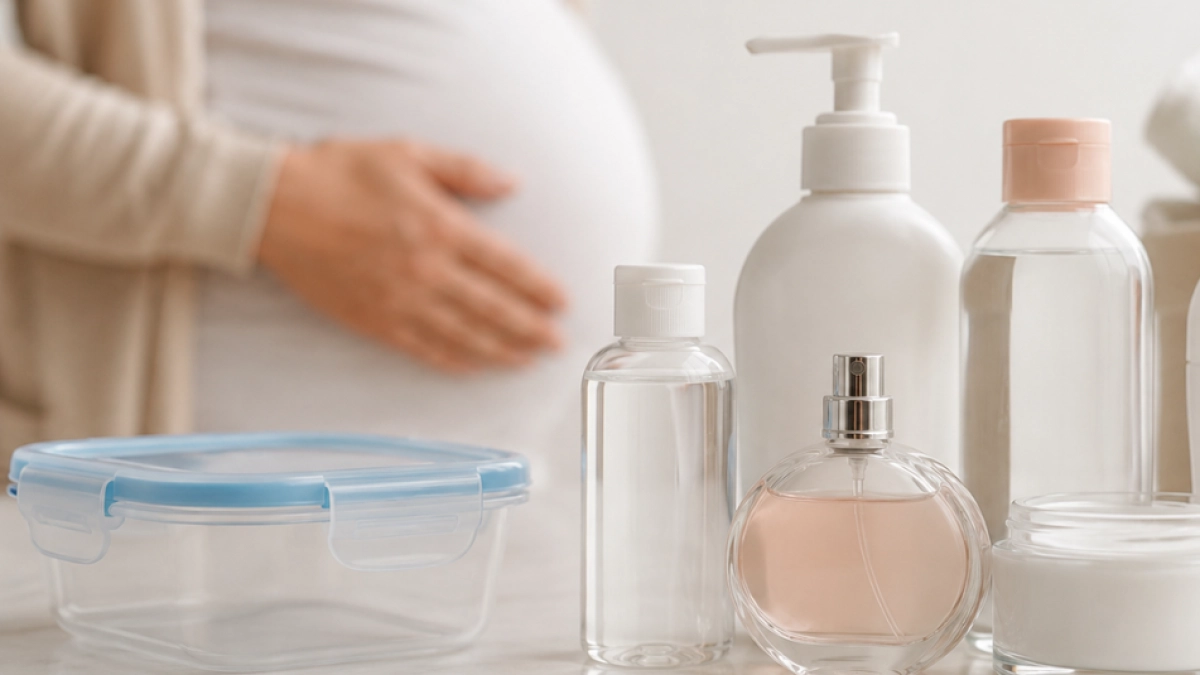
When I was pregnant with my first child 12 years ago, my friends gave me all the childcare equipment imaginable that they no longer needed: baby carrier, collapsible crib, foldable bouncer and a complete set of glass baby bottles. I placed these on a high shelf, unable to foresee whether they would be useful to me or not. Returning from the maternity ward, the emotional and domestic overwhelm that accompanies the arrival of a first baby made me lose all critical and environmental sense, giving way only to practicality.
I did the best I could, trying four kinds of plastic bottles paired with as many different nipples, according to the day's trial and error, to feed my newborn. A decade later, the glass bottles still lie on the same shelf. I sometimes come across them and think I got it all wrong. From non-organic industrial diapers to plastic bottles heated in the microwave. In a January 2025 article in the New England Journal of Medicine, 20 public health researchers "presented a wide range of evidence" establishing the link between the rise in childhood diseases such as cancer, reproductive organ malformations and neurodevelopmental disorders, and children's exposure to synthetic chemicals and plastics, mostly derived from fossil fuels. The cozy nest I had concocted for my child was a polluted one.