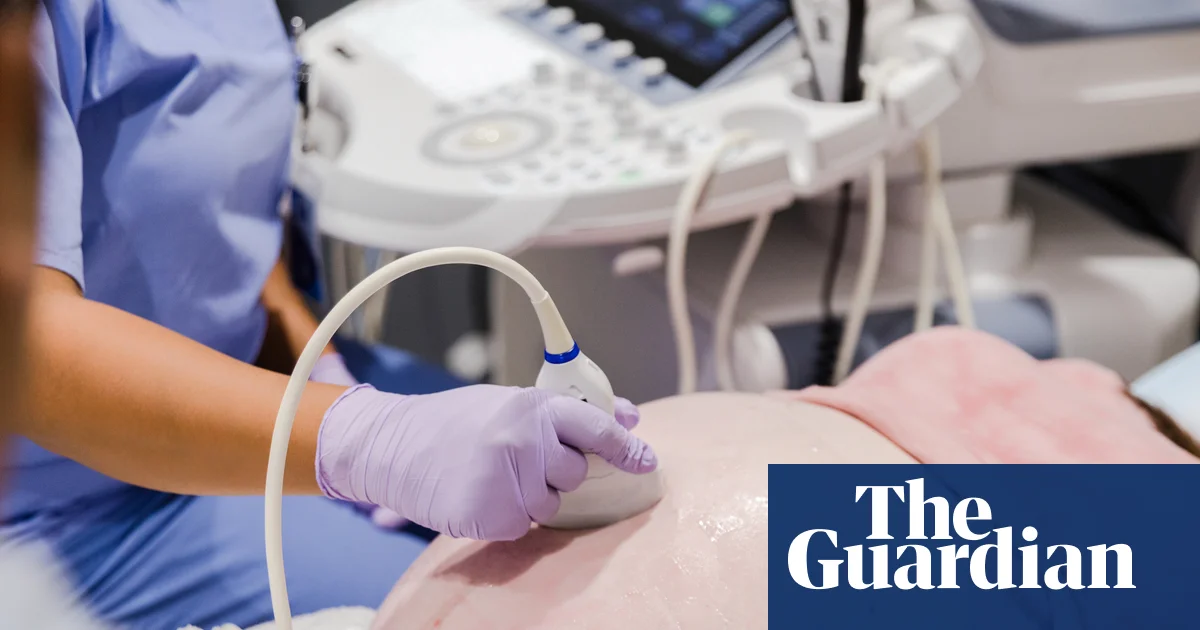
Research tracking about 200 women found those who had at least two miscarriages had higher levels of chemicals in their blood
Exposure to some toxic Pfas “forever chemicals” may increase the risk of having multiple miscarriages, new peer-reviewed research has found.
The study, which tracked about 200 women in China, found those who had at least two miscarriages, or unexplained recurrent spontaneous abortions, showed higher levels of several types of Pfas in their blood. The study adds to a long list of reproductive harms associated with Pfas exposure.
“Prior studies have identified that Pfas were associated with adverse pregnancy outcomes, but the potential influence of Pfas’s exposure on [recurrent miscarriages] remained uncertain,” the study’s authors, with the Chinese Center for Disease Control and Prevention, wrote. “Our investigation identified significant associations between [some Pfas] and increased risks of unexplained recurrent spontaneous abortions.”
Pfas are a class of about 16,000 chemicals typically used to make products that resist water, stains and heat. They are called “forever chemicals” because they do not naturally break down and accumulate in humans and the environment. The chemicals are linked to cancer, kidney disease, liver problems, immune disorders, and other serious health problems.