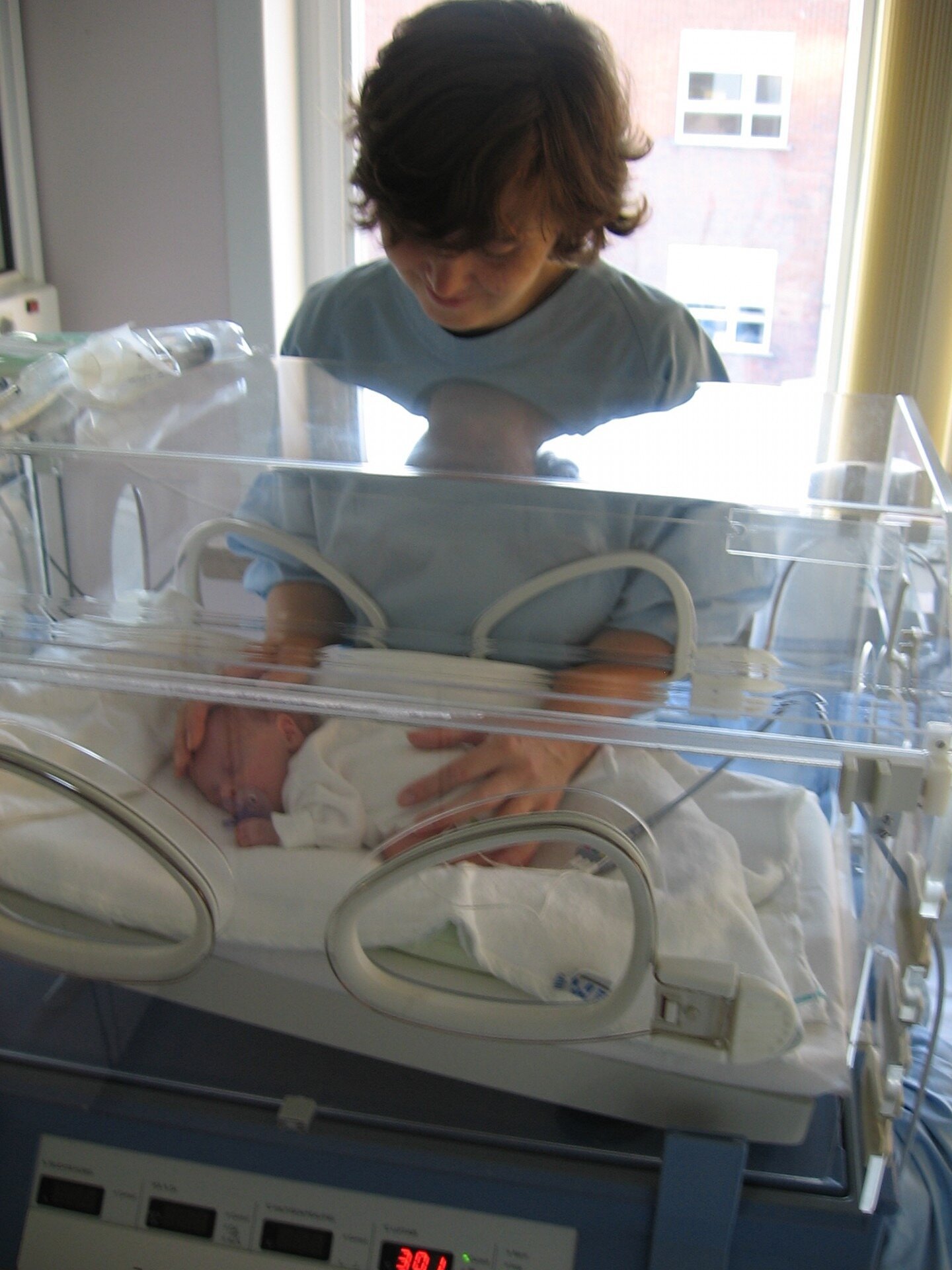
Research has shown that pregnant women exposed to indoor air pollution face risks.
Pregnant women exposed to indoor air pollution and tobacco smoke are placing their unborn babies at severe risk of premature birth, dangerously low birth weight, and acute breathing difficulties, groundbreaking new research has revealed.
A landmark study conducted by paediatricians at the University of Cape Town (UCT) and reported by Weekend Argus has laid bare the devastating toll that poor household air quality inflicts on newborns. Analysing data from 1,143 live births within the Drakenstein Child Health Study—one of Africa’s largest birth cohorts—scientists discovered that 17% of babies were born prematurely, 15% suffered from low birth weight, and seven per cent experienced immediate respiratory distress at birth.
Crucially, the research proved that infants exposed to high levels of coarse particulate matter whilst in the womb were nearly twice as likely to suffer from respiratory distress, while elevated carbon monoxide levels trended towards more than doubling the odds of a newborn suffocating at birth. Furthermore, active maternal smoking was directly linked to significantly lower birth weights in newborns.