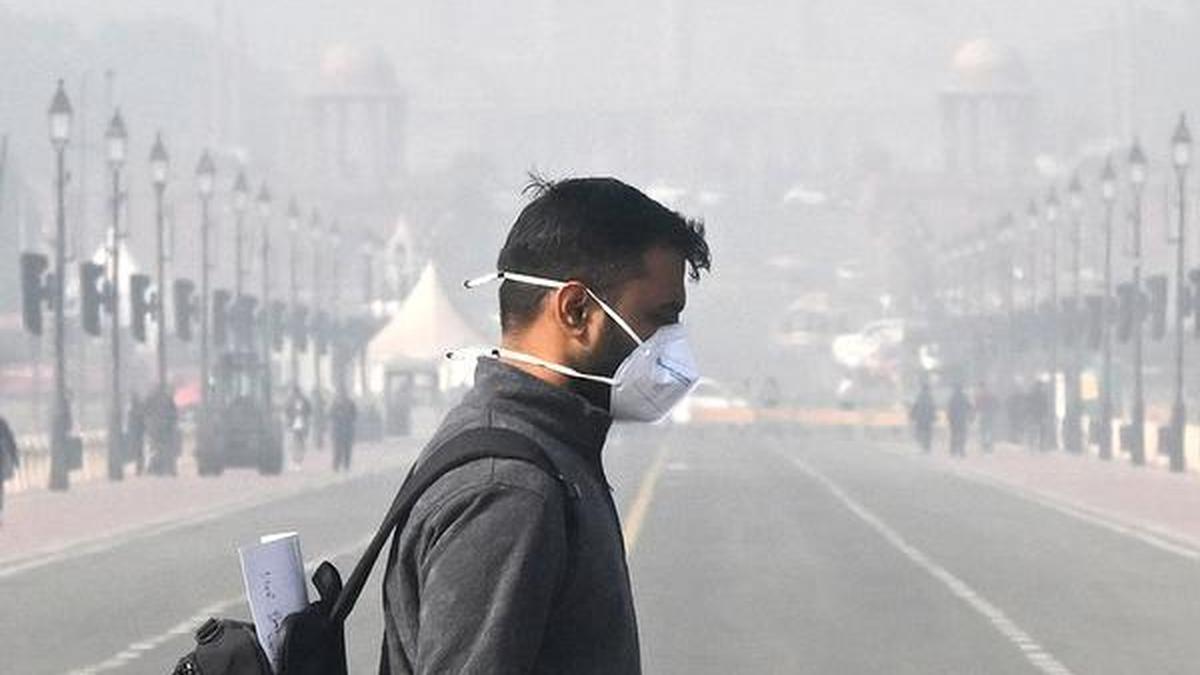
Air pollution may be doing more damage during pregnancy than previously understood. A new study by researchers at All India Institute of Medical Sciences (AIIMS Delhi) has found that exposure to polluted air can damage the placenta, restrict fetal growth and increase the risk of pregnancy complications.The research suggests that fine particulate matter, commonly known as PM2.5 and PM10, may even affect a child's development after birth.ALSO READ: Lewis Hamilton and Kim Kardashian are worth $2,450,000,000 combined; his 'billionaires shouldn't exist' remark is going viralWhat the Study FoundPublished in the journal EMBO Molecular Medicine, the study examined the impact of urban air pollution using laboratory experiments, animal models and data from human pregnancies.Researchers discovered that tiny pollution particles can cross the placental barrier, triggering inflammation and oxidative stress. This process can interfere with the placenta's ability to deliver oxygen and nutrients to the developing fetus.ALSO READ: 'What are you doing here?': Viral video shows Indian-origin cricketers save woman from stalker in Canada days after racism rowThe team found that exposure to particulate matter affected several key placental functions, including:Blood vessel formationNutrient transportHealthy fetal growthAs a result, babies may face a higher risk of growth restrictions before birth.Higher Risk of Low Birth Weight and Pregnancy ComplicationsThe researchers also analysed data from 994 pregnancies across regions with varying pollution levels. These findings reinforce concerns that long-term exposure to polluted air can affect both maternal and fetal health.Their findings showed that increased exposure to PM2.5 was linked to a greater likelihood of:Low birth weightPreeclampsia, a serious pregnancy complication marked by high blood pressureToxic Metals Found in Placental TissueCorresponding author Subhradip Karmakar said the study revealed that pollution particles could breach the placental barrier and influence genes responsible for fetal growth."We also found evidence of toxic metals such as lead, cadmium and antimony accumulating in placental tissue, suggesting that pollutants can reach the fetus and potentially influence growth and neurodevelopment," he said.According to the researchers, the presence of these metals raises concerns about the long-term health effects of prenatal pollution exposure.Scientists Identify Key Gene Affected by PollutionOne of the most significant discoveries involved a gene called IGFBP3, which plays a crucial role in fetal development. Researchers found that inflammation caused by air pollution can suppress this gene, potentially disrupting placental development and affecting healthy fetal growth.The study suggests that this mechanism may help explain why pollution exposure is associated with poorer birth outcomes.Animal Studies Show Developmental ChangesThe team also conducted experiments on pregnant rats exposed to urban particulate matter. The results were striking:Smaller litter sizesAbnormal placental developmentReduced birth weightSlower growth in offspringResearchers further observed behavioural and developmental changes in offspring after birth, indicating that the effects of prenatal pollution exposure may extend beyond pregnancy.More Than a Respiratory Health ProblemThe findings add to growing evidence that air pollution is not only linked to respiratory and cardiovascular diseases but may also pose serious risks to maternal and child health.Researchers said the study highlights the urgent need for stronger pollution-control measures, particularly in urban areas where pregnant women are routinely exposed to high levels of particulate matter.As cities continue to grapple with worsening air quality, the research underscores a critical message: cleaner air may be essential not just for current health, but for the well-being of future generations.(With TOI inputs)
AIIMS study shows how air pollution can damage placenta, restrict fetal growth and change babies before they are born
A new study reveals that air pollution significantly damages the placenta, restricting fetal growth and increasing pregnancy complications like preeclampsia and low birth weight. Researchers from AIIMS Delhi found toxic metals in placental tissue and identified a key gene suppressed by pollution, impacting fetal development and potentially long-term child health.
543 words~2 min read