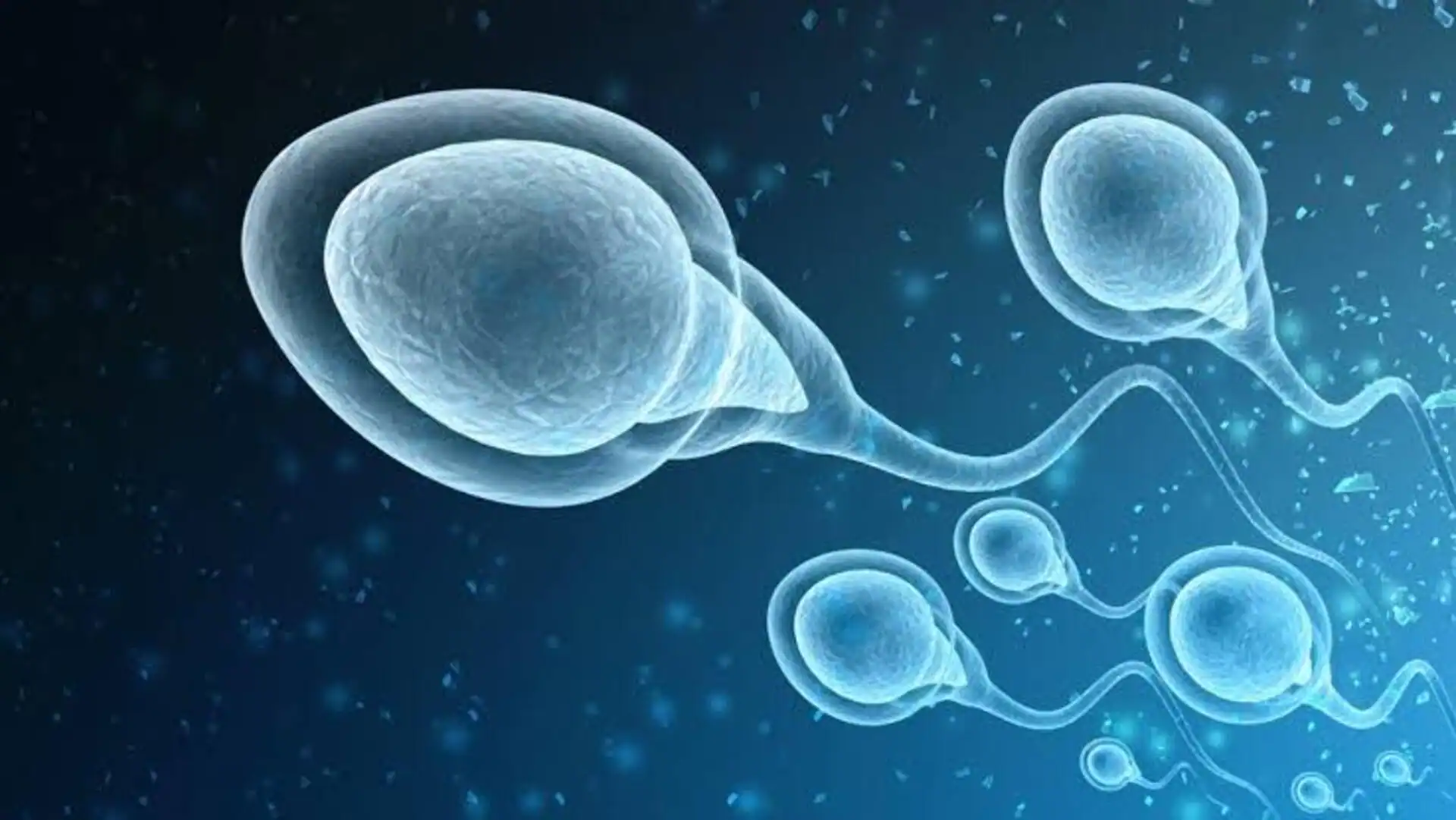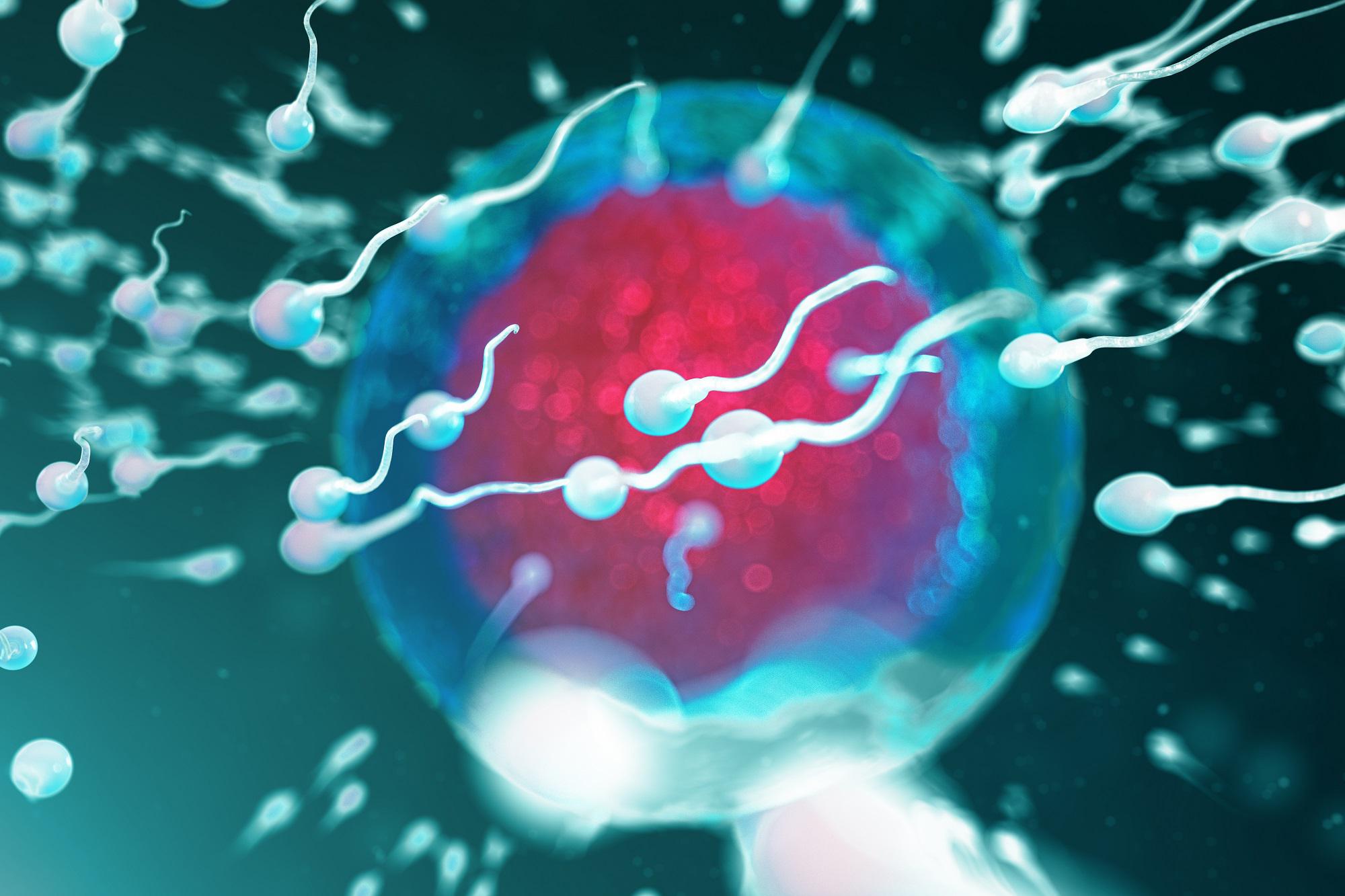
Air pollution appears to alter how sperm genes function, one of the largest fertility studies of its kind has found.Men exposed to common air pollutants while sperm were developing showed subtle DNA changes that affected whether genes were switched on or off, raising fresh concerns that air pollution may harm male fertility and the health of offspring.The findings, presented at the annual meeting of the European Society of Human Reproduction and Embryology in London, identified ozone and nitrogen dioxide as the pollutants most strongly linked to these changes.The study followed more than 2,000 men in Salt Lake City, Utah, between 2013 and 2017. Participants provided semen samples when they enrolled and again after two, four and six months.Researchers estimated each man's exposure to outdoor air pollutants, including ozone, nitrogen dioxide, sulfur dioxide and fine particulate matter, during the three months before each sample, the period of sperm production.Growing evidence that air pollution affects sperm health and may reduce male fertility has been mounting for years, but the biological mechanisms have been unclear.Most research has focused on pollution's effects on sperm DNA fragmentation, which refers to damage in the DNA strands inside sperm cells, as well as sperm shape and movement. The latest work, however, points to a different mechanism - DNA methylation. Men exposed to common air pollutants while sperm were developing showed subtle DNA changes that affected their genes (stock image) A major fertility study suggests that air pollution may harm male fertility by altering DNA methylation — chemical tags that act like dimmer switches on genes in sperm cells — offering a potential biological pathway for the first time
Air pollution may alter sperm and have devastating impact on babies
Men exposed to pollutants showed DNA changes that affected whether genes were switched on or off, raising concerns that pollution may harm male fertility and the health of offspring.
877 words~4 min read