Henry Donovan
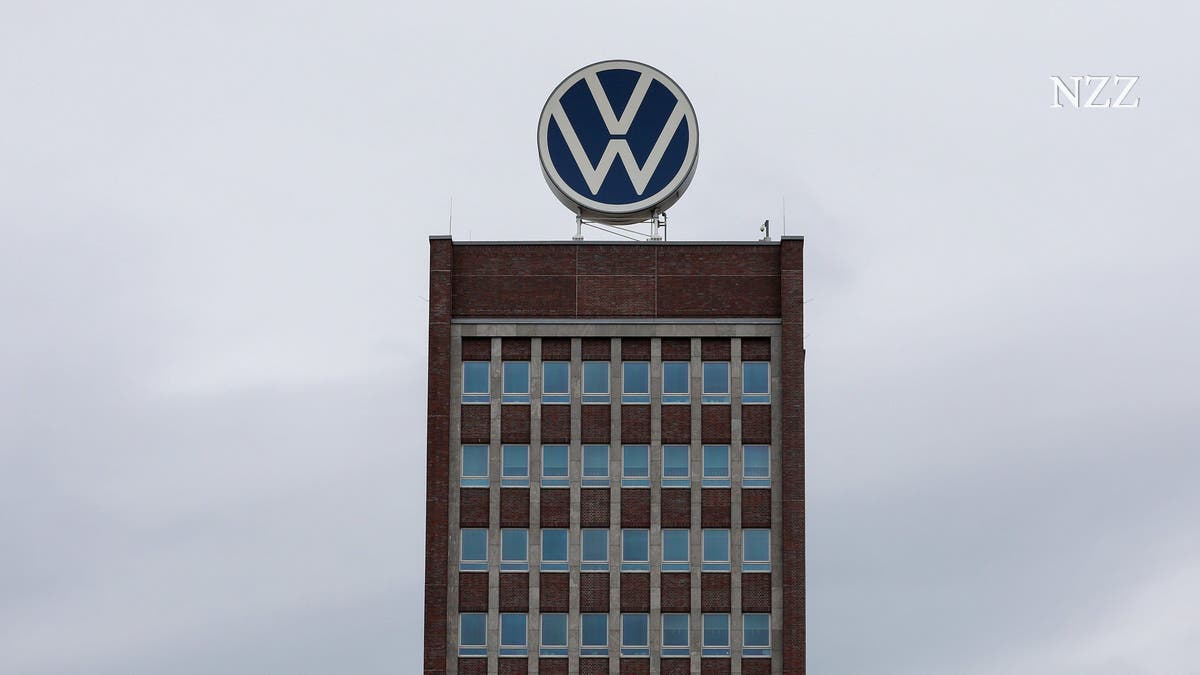
In Germany, the trains have stopped running on time, bridges have been shut over safety fears, and the country’s largest carmaker, Volkswagen, is cutting a sixth of its workforce. The government’s response amounts to a shrug, dressed up as reform. It seems like Germany is on a bad streak – and the AfD looks set to reap the rewards.
Why does a country that still thinks of itself as Europe’s engine room seem to have lost the ability to fix its own bridges?
Take the railways, the infamous Deutsche Bahn. A few weeks ago, they ground to a total halt. Every train in the country stood still, because the radio system that lets drivers talk to signal boxes – a system that appears to date, in spirit if not in silicon, from the Kaiserreich – simply stopped working. For several hours, nothing moved on the tracks of Europe’s largest economy.
Stranded passengers shrugged at reporters when asked how they felt about it. This is just what Deutsche Bahn does, several said, with the weary resignation of people describing the weather rather than a national infrastructure failure. That reaction tells you more about the current German mood than the failure itself does. It is not anger. It is fatalism.