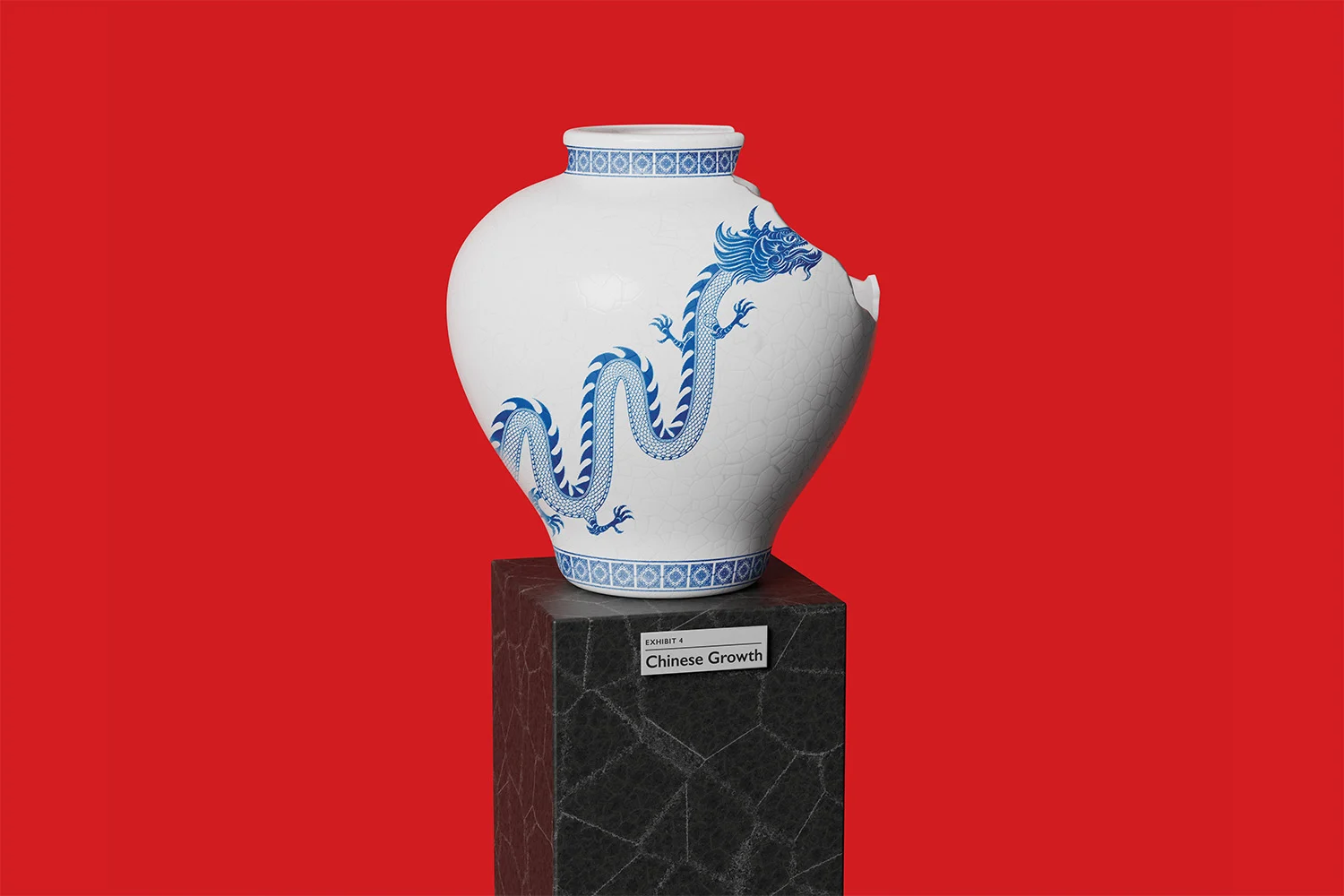
After more than three decades of rapid expansion, China's economy reached a cyclical peak in the first quarter of 2010 and has since gradually shifted into a phase of medium-speed growth, with the binding constraints on growth evolving from supply shortages to demand insufficiency.
From a comparative international perspective, China is now positioned in the income range where per capita GDP exceeds $10,000 but has yet to cross the threshold into high-income economies, remaining in this transitional band for several years.
Historical experience suggests that economies at this level often enter a structurally sensitive and relatively unstable phase of development, where growth patterns and structural dynamics undergo notable adjustment.
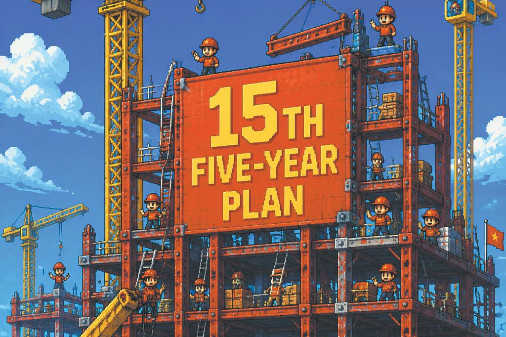
Against this backdrop, the outline of the 15th Five-Year Plan (2026-30) highlights the pivotal role of this period in advancing the process of basically achieving socialist modernization.
It has been identified as a key stage for consolidating development foundations and pushing forward comprehensive efforts, with a focus on strengthening comparative advantages, removing structural bottlenecks and addressing weak links.