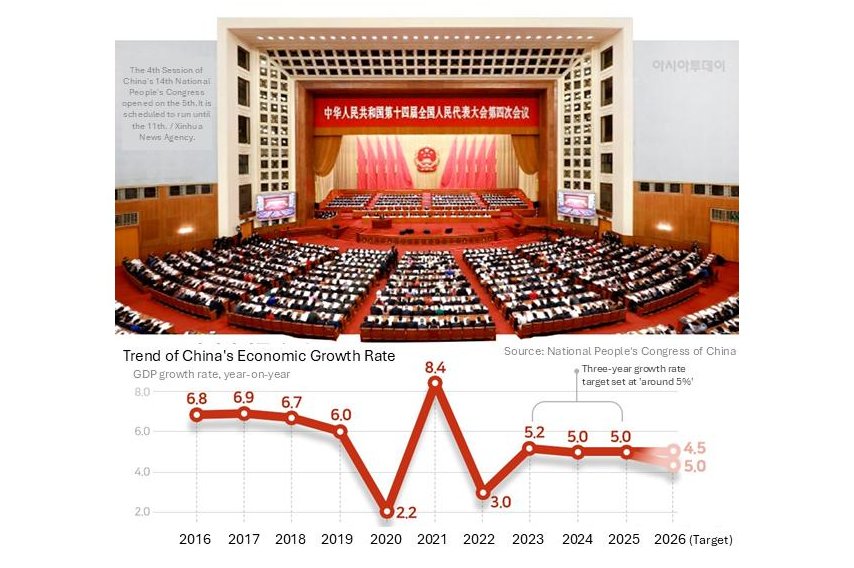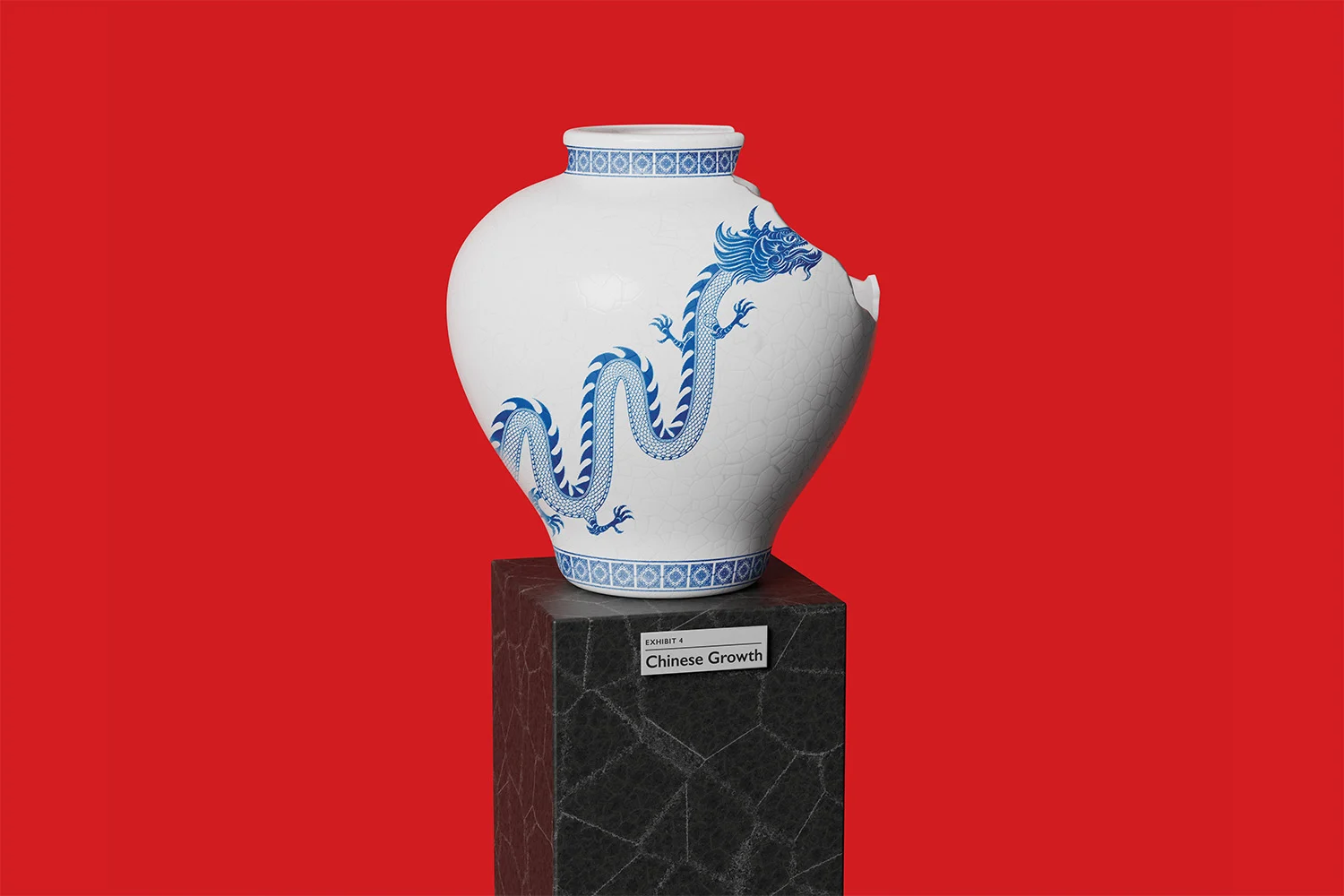
For many countries, annual GDP growth of 4.5 to 5 percent would be a very good year. For China, which announced the target this year, it’s setting expectations deliberately low. After more than three decades of sky-high growth—regularly topping 10 percent a year—Beijing’s economic ambitions have been brought back to earth. And that has changed far more than just the country’s economy.
Until the late 2010s, the entirety of Chinese life was shaped around the reality of high growth. People took on painfully high debt, confident that their salaries would rise to match it. They skipped out on jobs after two months because there was bound to be something better out there. In a world of opportunity, chance meetings could turn into life-changing careers—or you might fall victim to one of the con artists who also flourished in an era where easy payoffs weren’t always a scam. That risk-taking culture itself helped once small businesses grow into international giants.
Golden decades were relatively common in the 20th century: France’s “glorious years,” Germany’s Miracle on the Rhine, even the “Mexican miracle.” But China’s growth after 1980 topped them all, both in scale and length. China went from a country poorer than India to one challenging the United States, surpassing rival after rival: France, Britain, Japan.