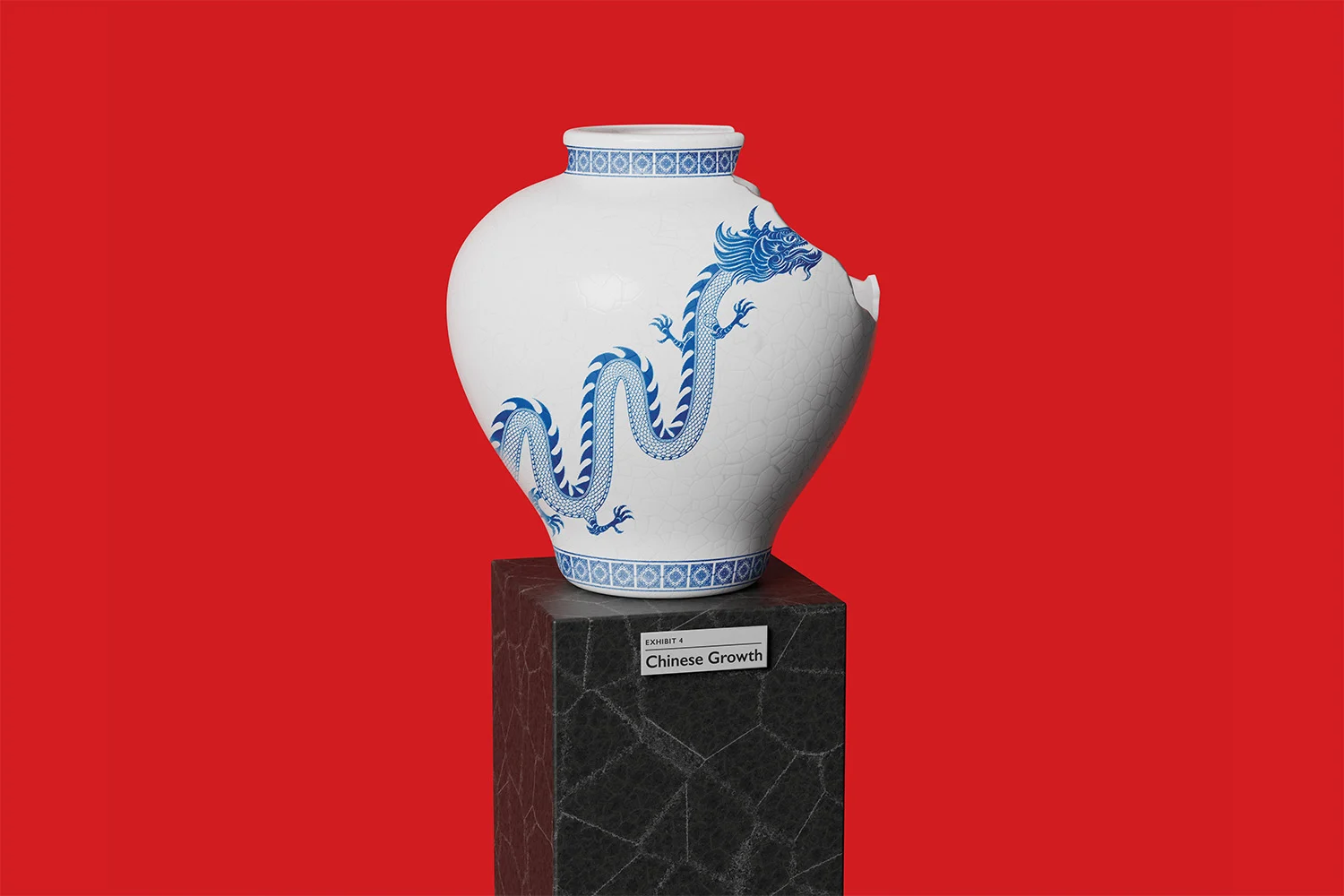
For decades, China maintained double-digit GDP growth, yet this period was accompanied by numerous structural problems. When growth slowed, these contradictions became even more severe, manifesting as immense pressure in the fiscal and debt sectors.
While Western nations might view a 2 percent or 4 percent growth rate as a spectacular success, China faces a shock even with a slight dip in its much higher figures. To understand this issue surrounding Chinese growth, one must look beyond conventional statistics and examine the operational mechanisms of its industries (the meso level of its economy) and enterprises (the micro level).
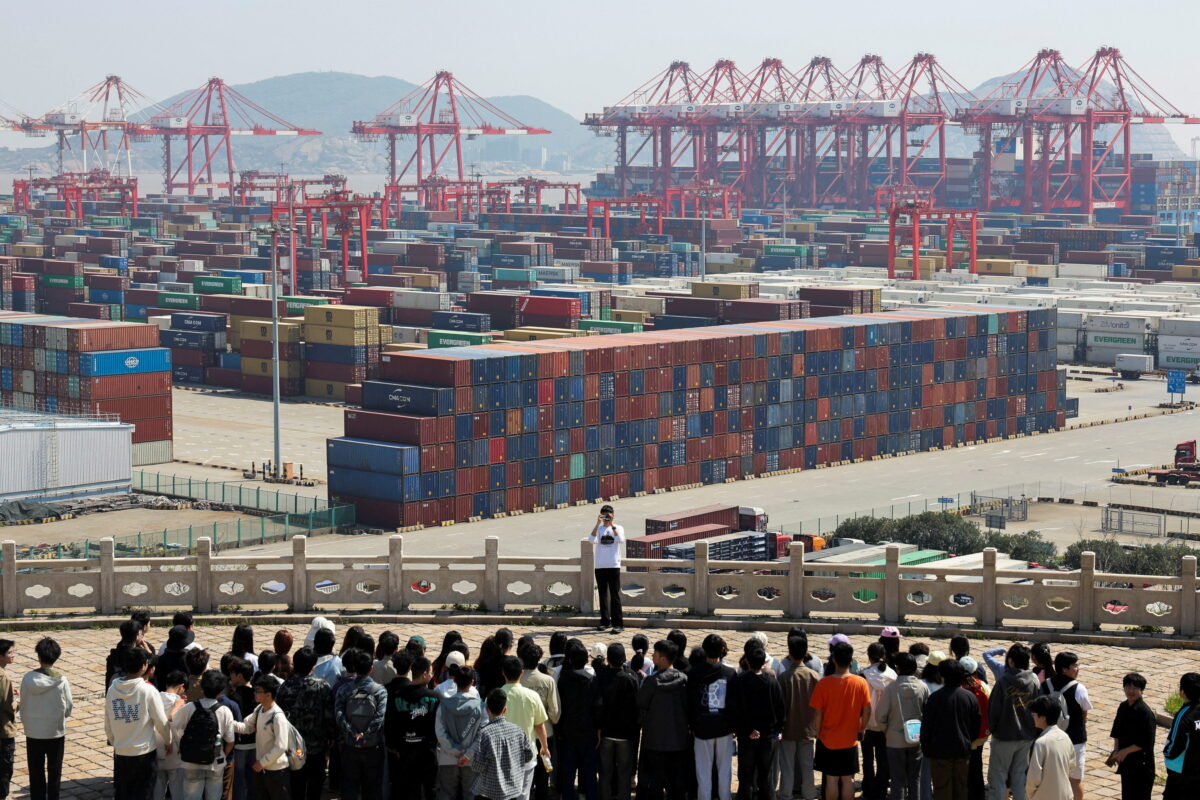
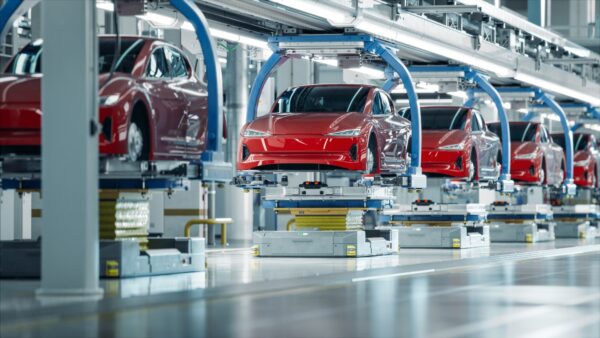
China’s dependence on high growth rates stems from a distorted industrial model. As the “world’s factory,” China’s manufacturing sector is highly vulnerable to economic cycles, international trade, and rising labor costs. As it stands, “Made in China” has been forced into hyper-intense cost competition. To survive, Chinese enterprises have adopted a volume-driven model, relying on incremental expansion rather than per-unit profit.
In a conventional model, an enterprise must sell a product above its cost to remain viable. However, many Chinese firms operate outside this norm, often selling at or below cost. Their secret lies in high-turnover sales. Under such a model, as long as the influx of incremental revenue keeps cash inflows higher than outflows, the industrial machinery continues to turn. While Western companies calculate costs based on real profits and losses, Chinese firms evaluate survival through the lens of cash volume. This allows them to take on “loss-making” business that competitors cannot match.