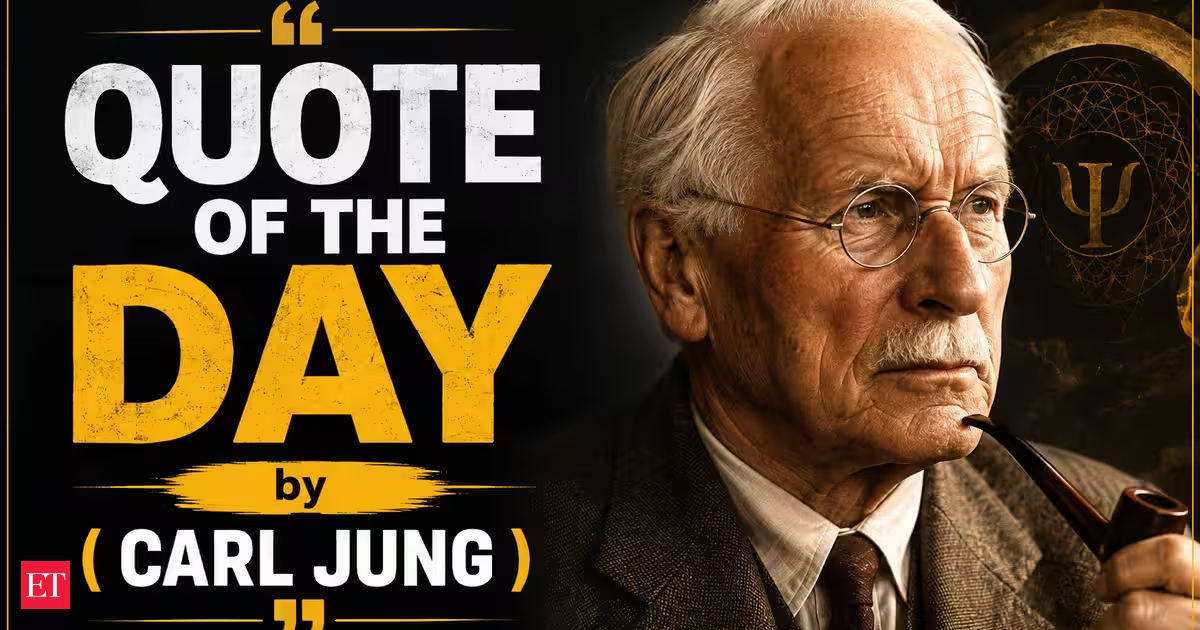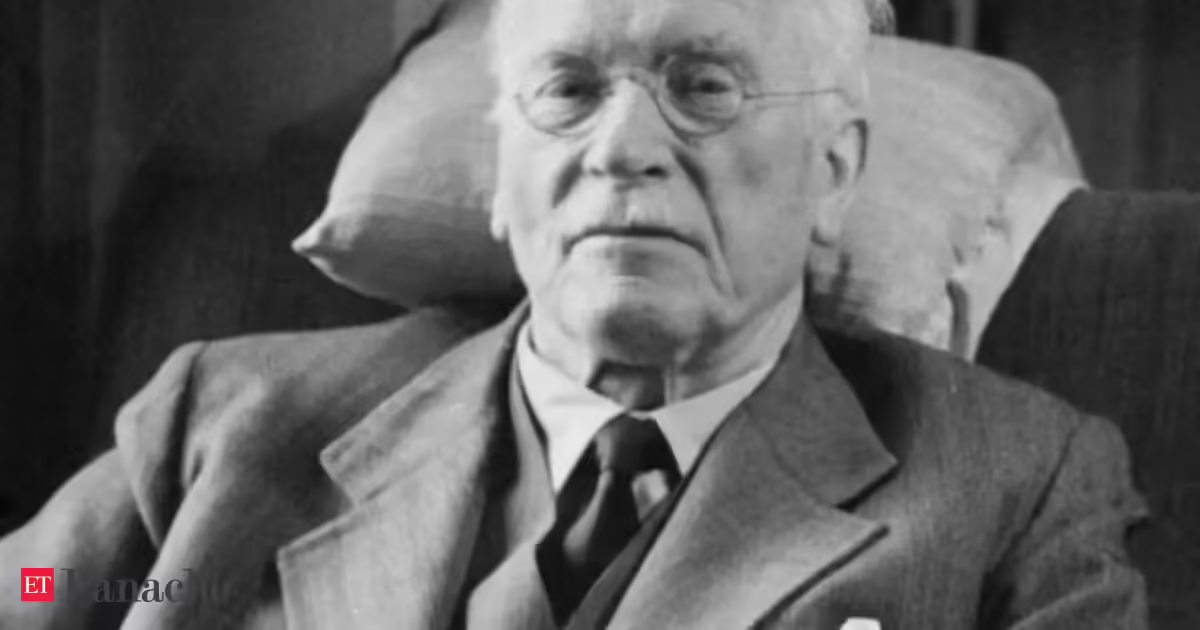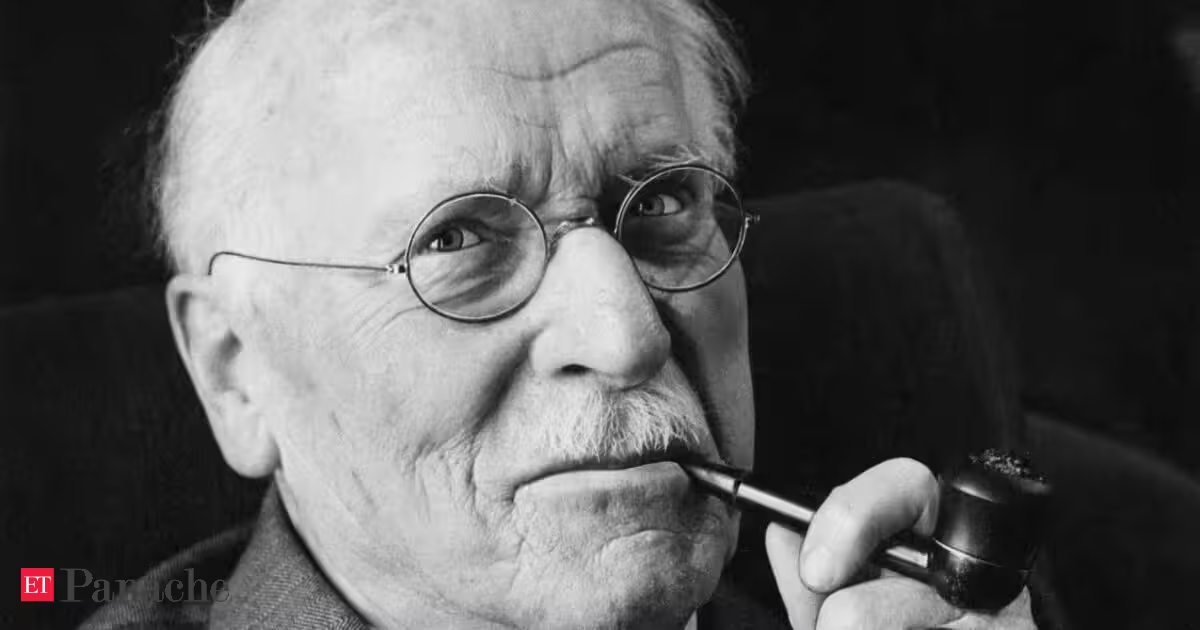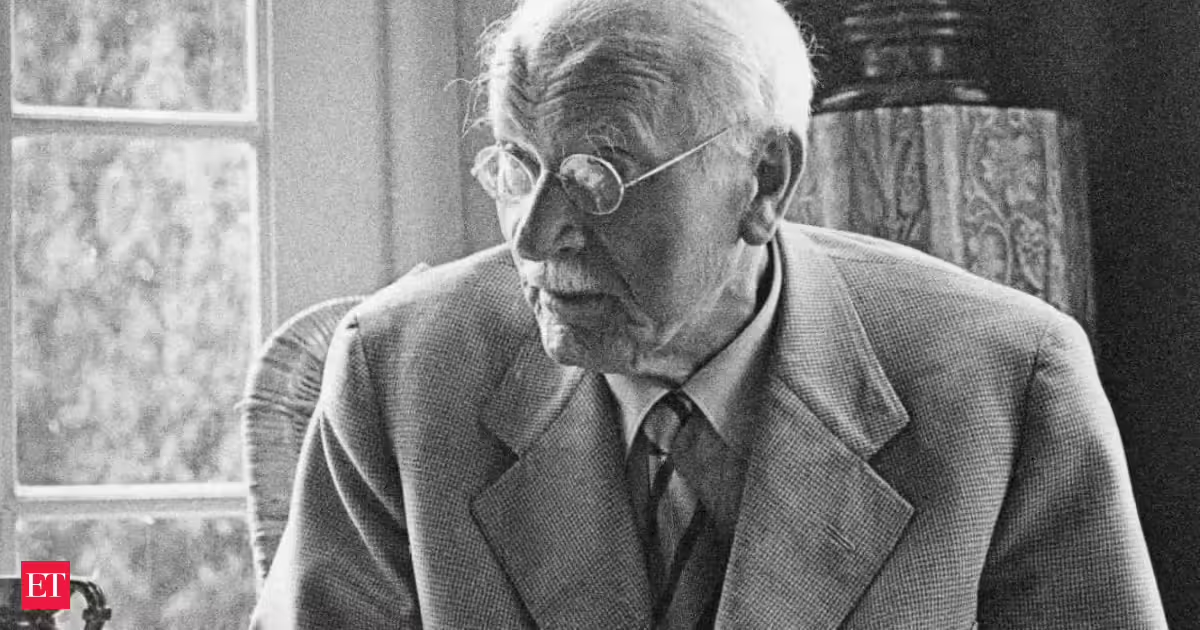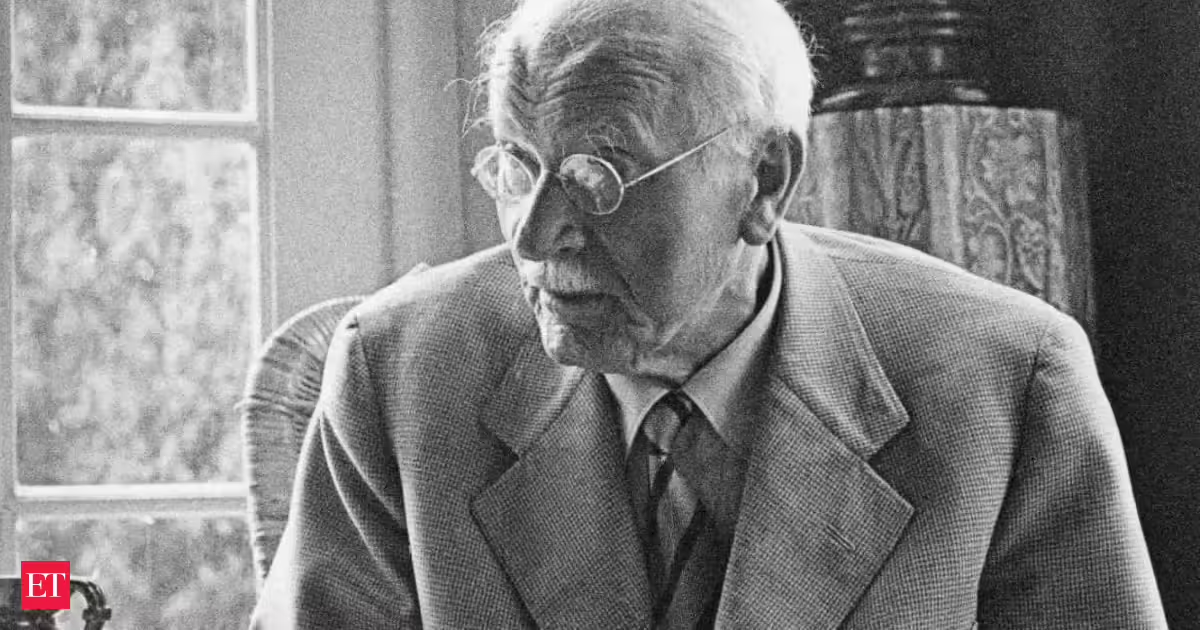
Quote of the Day: Carl Jung, the Swiss psychiatrist and psychoanalyst who founded analytical psychology. Jung’s work reshaped the way we think about the human mind, introducing concepts like archetypes, the collective unconscious, and individuation. His legacy is vast, influencing not only psychology but also literature, philosophy, and even modern spirituality.Jung’s career highlights include his collaboration with Sigmund Freud in the early stages of psychoanalysis, though he later broke away to develop his own school of thought. His writings remain foundational texts in understanding personality and the deeper layers of the psyche. Quote by Carl Jung: “If one does not understand a person, one tends to regard him as a fool” Quote meaning, context and interpretation explained The quote itself is a sharp observation about human relationships and perception. Jung introduces it as a reminder that misunderstanding often leads to judgment. When we fail to grasp another person’s motives, emotions, or worldview, we are quick to dismiss them as irrational or foolish. This tendency reflects more about our own limitations than about the person we judge.Jung was exploring the challenges of empathy and the barriers to genuine human connection. His work often emphasized the importance of looking beneath the surface, recognizing that every individual carries a unique inner world shaped by experiences, unconscious drives, and cultural influences. The quote underscores the danger of superficial judgment and the need for deeper understanding.The statement suggests that ignorance breeds arrogance. To call someone a fool without attempting to understand them is to reveal our own lack of insight. It is a call to humility, urging us to pause before labeling others and instead strive to see the complexity of their perspective. Jung believed that true wisdom comes from recognizing the limits of our own knowledge and expanding our empathy.Jung’s words give a timeless lesson that understanding is the antidote to judgment. In our daily lives, whether in personal relationships, workplaces, or broader society, we often encounter people whose actions or beliefs seem foreign to us. He reminds us that patience, curiosity, and empathy can transform those moments of confusion into opportunities for growth.
Quote of the Day by Carl Jung: 'If one does not understand a person, one tends to…' - What happens when people judge others without truly understanding them?
Carl Jung's profound insight serves as a powerful reminder against superficial judgment. Jung emphasized that failing to grasp another's perspective often stems from our own limitations, urging for empathy and deeper understanding. This timeless lesson encourages patience and curiosity, transforming confusion into opportunities for personal growth and connection.
350 words~2 min read