Have you ever wondered why the same problems keep showing up in your life? Why certain relationships follow the same pattern, or why some fears seem impossible to shake off? According to renowned Swiss psychiatrist Carl Jung, the answer may lie deep within the unconscious mind.One of Jung's most powerful and widely quoted observations is: "Until you make the unconscious conscious, it will direct your life and you will call it fate."Read more: Quote of the day by Leo TolstoyAlthough written decades ago, this quote feels remarkably relevant in today's fast-paced world. It encourages people to look inward, understand their hidden thoughts and emotions, and take responsibility for the direction of their lives.Carl Jung Quote of the Day: What Does the Quote Mean?At first glance, Jung's quote may sound complex, but its message is surprisingly simple.Read more: Mongolian wisdom of the dayThe "unconscious" refers to the thoughts, memories, beliefs, fears and desires that exist below our awareness. These hidden influences quietly shape our decisions, reactions and behaviours every day.When we fail to recognise these unconscious patterns, they can control our actions without us even realising it. As a result, we may believe that circumstances, luck or fate are responsible for our situation.Jung believed that self-awareness is the key to breaking this cycle.Carl Jung on the Unconscious Mind: Why It MattersThe unconscious mind plays a much bigger role in our lives than most people realise.For example, someone who constantly fears rejection may unknowingly avoid opportunities that could lead to success. Another person may repeatedly choose unhealthy relationships because of unresolved emotional experiences from childhood.In both cases, the individuals may think they are simply unlucky. However, Jung would argue that unconscious patterns are influencing their choices.By identifying these hidden influences, people gain greater control over their actions and future outcomes.How the Unconscious Mind Shapes Everyday DecisionsMany of our daily decisions happen automatically.The way we react to criticism, handle stress, choose friends or respond to conflict often comes from deeply rooted beliefs formed years earlier.Imagine someone who grew up hearing that they were not good enough. Even as an adult, that belief may continue to affect their confidence, career choices and personal relationships.Without self-reflection, such patterns remain hidden. They become part of the unconscious mind, quietly directing behaviour behind the scenes.This is exactly what Jung was warning about in his famous quote.Carl Jung's Lessons on Self-Awareness and Personal GrowthJung spent much of his career exploring the importance of self-discovery.He believed that personal growth begins when people become aware of their inner world. This process involves examining emotions, fears, habits and motivations honestly.Self-awareness does not mean achieving perfection. Instead, it means recognising both strengths and weaknesses without denial.The more we understand ourselves, the less likely we are to be controlled by unconscious forces.This idea remains central to modern psychology, coaching and personal development practices.Why People Often Blame Fate Instead of Looking WithinIt is often easier to blame fate than to examine uncomfortable truths.When things go wrong, many people naturally look for external explanations. They may blame bad luck, timing or circumstances.While external factors certainly influence life, Jung believed that personal responsibility also plays a crucial role.Repeated mistakes, recurring conflicts and ongoing frustrations sometimes point towards deeper patterns that need attention.By becoming aware of these patterns, individuals can begin making different choices and creating different outcomes.Carl Jung Quote Explained Through Real-Life ExamplesConsider a person who repeatedly changes jobs because they feel undervalued.Each time, they blame the workplace, the manager or the company culture. Yet the same issue keeps appearing.Through self-reflection, they may discover an unconscious fear of speaking up or setting boundaries.Once this hidden pattern becomes conscious, they can address it directly rather than continuing to repeat the cycle.The same principle applies to finances, relationships, careers and personal wellbeing.Understanding ourselves often reveals solutions that were hidden in plain sight.Jung believed that self-discovery is a lifelong journey. Fortunately, there are practical ways to begin.Keep a JournalWriting down thoughts and emotions can reveal recurring themes and behavioural patterns.Reflect on Emotional ReactionsStrong emotional responses often point towards deeper beliefs or unresolved experiences.Examine Repeating PatternsIf the same problems keep appearing, ask what role your own habits or assumptions may be playing.Listen to FeedbackTrusted friends, family members and mentors can sometimes notice patterns that we overlook.Practise MindfulnessMindfulness encourages awareness of thoughts and emotions without judgement, making unconscious processes easier to recognise.Why Carl Jung's Quote Remains Relevant TodayIn an age dominated by social media, constant distractions and endless information, self-awareness has become more important than ever.Many people spend significant time analysing the world around them but very little time understanding themselves.Jung's quote serves as a reminder that personal transformation begins internally.The challenges we face are not always caused by fate. Sometimes they are shaped by unconscious beliefs, habits and fears that have never been fully examined.Carl Jung's Famous Quote"Until you make the unconscious conscious, it will direct your life and you will call it fate" remains one of Carl Jung's most insightful observations.The quote challenges us to stop viewing ourselves as passive passengers in life. Instead, it encourages us to explore our inner world, recognise hidden influences and take greater responsibility for our choices.While fate may play a role in certain circumstances, Jung believed that understanding ourselves gives us far more power than we often realise.His message is timeless: the more conscious we become of what drives us, the more intentionally we can shape our future.
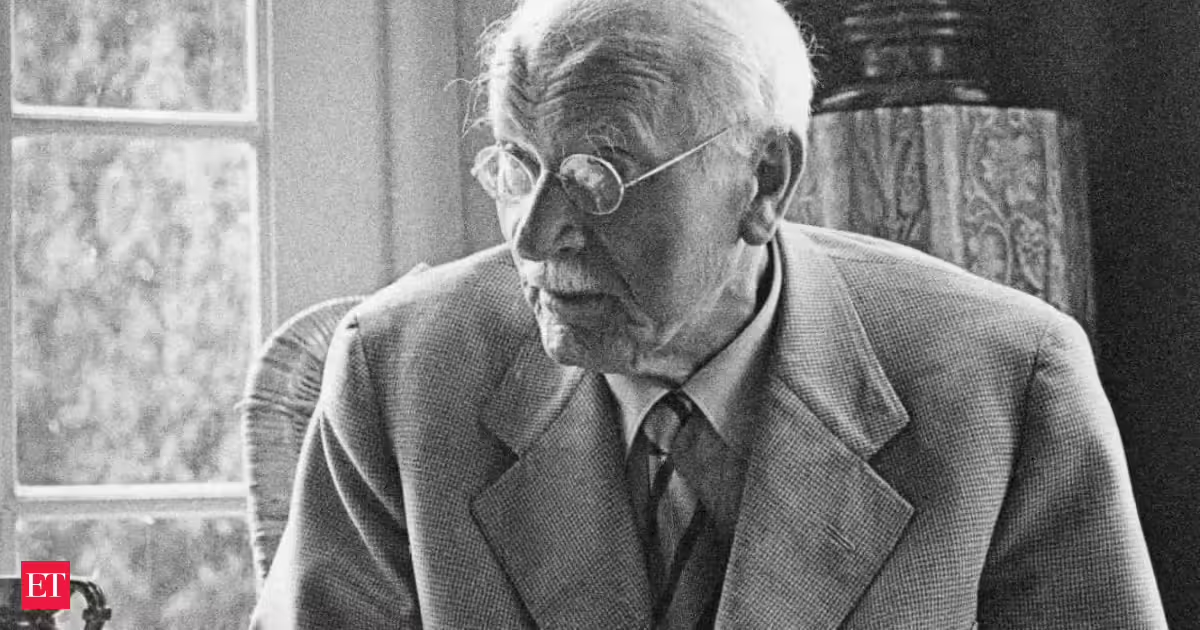
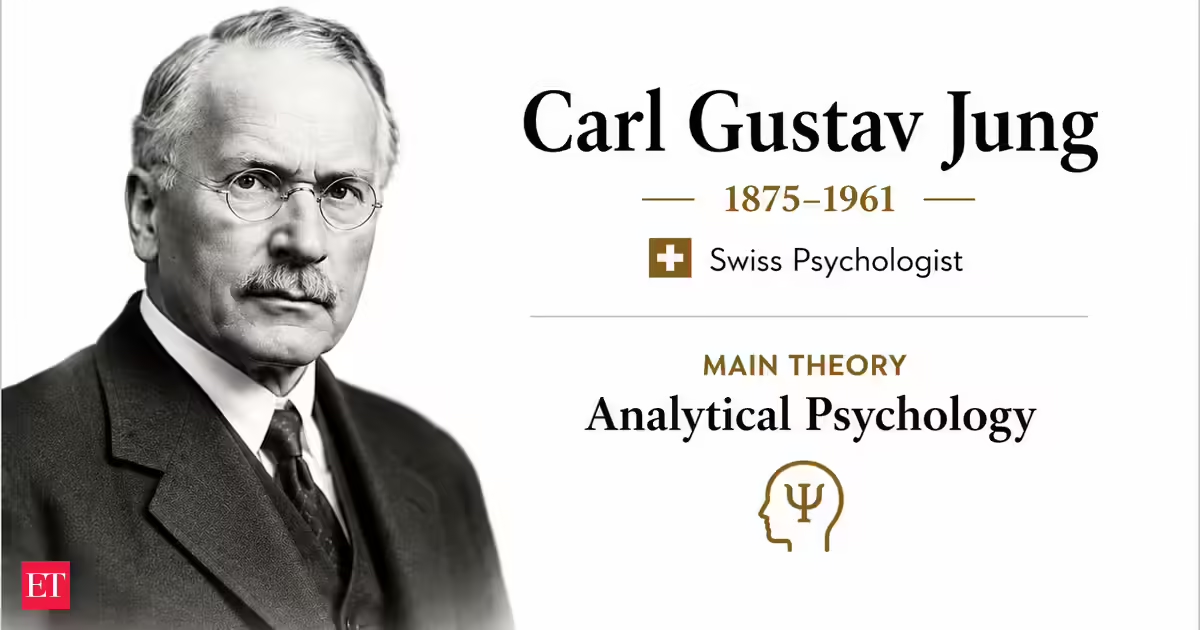
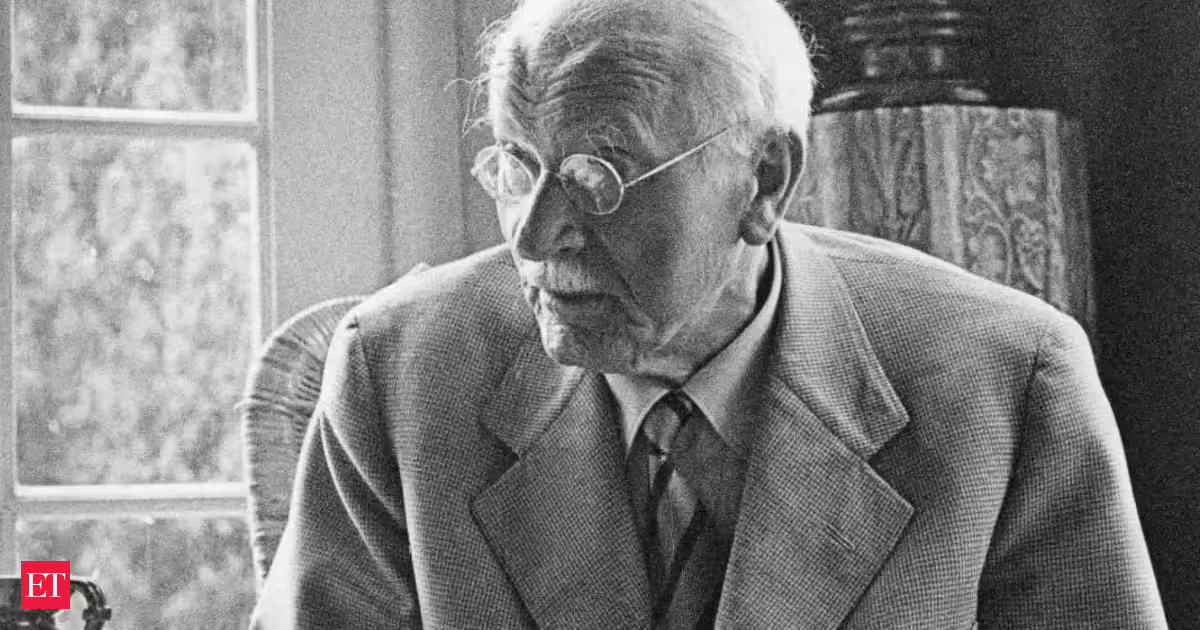
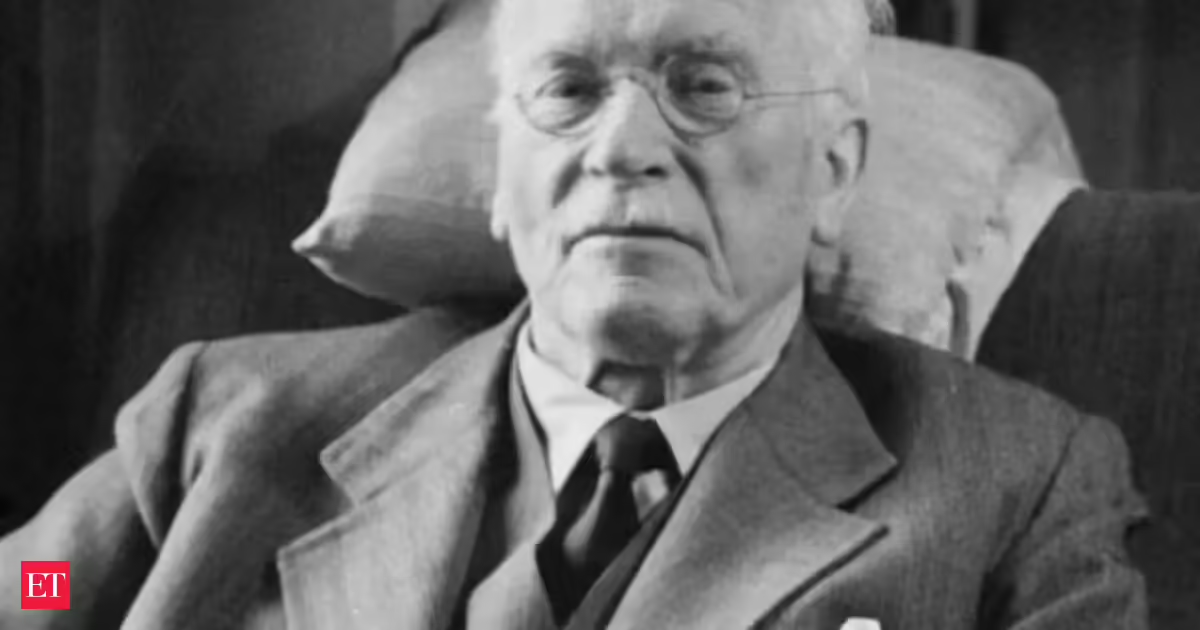
Quote of the day by Carl Jung: 'Until you make the unconscious conscious, it will direct your life and you will call it fate.' The Swiss psychiatrist's timeless lesson on self-discovery and purpose
Carl Jung quote of the day: Carl Jung's quote highlights how unconscious thoughts and emotions direct our lives, leading us to perceive outcomes as fate. By making these hidden influences conscious through self-awareness, individuals gain control over their actions and can actively shape their future, rather than being passively led by unseen patterns.
895 words~4 min read