Story audio is generated using AI
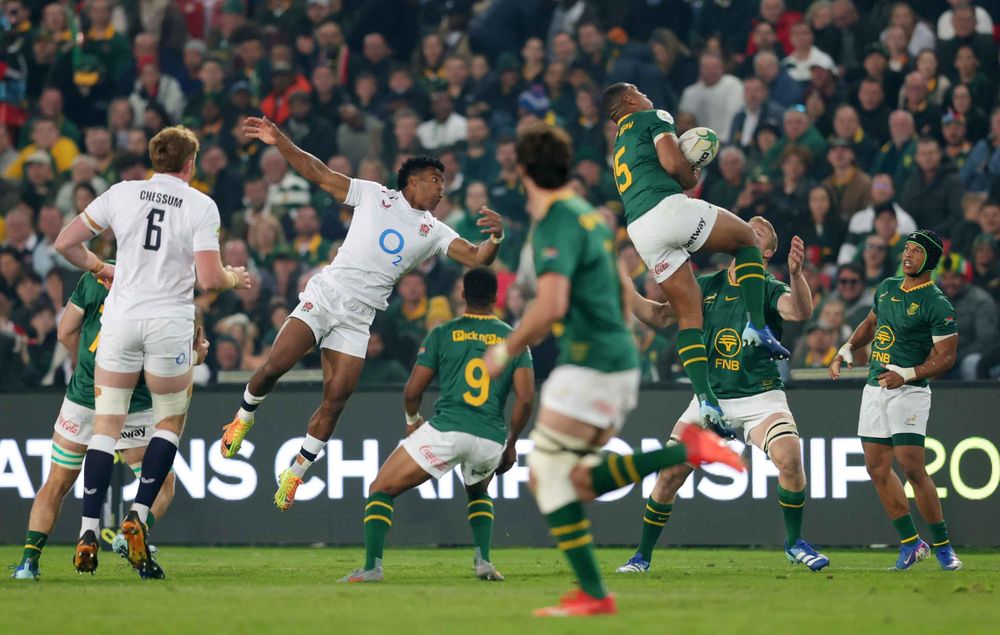
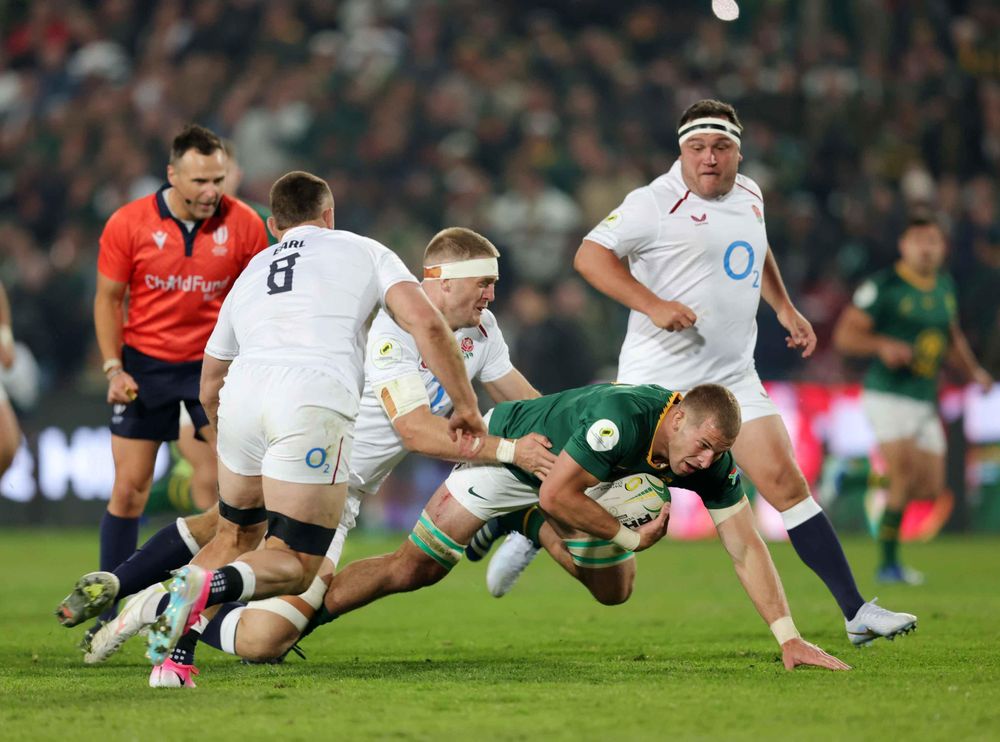
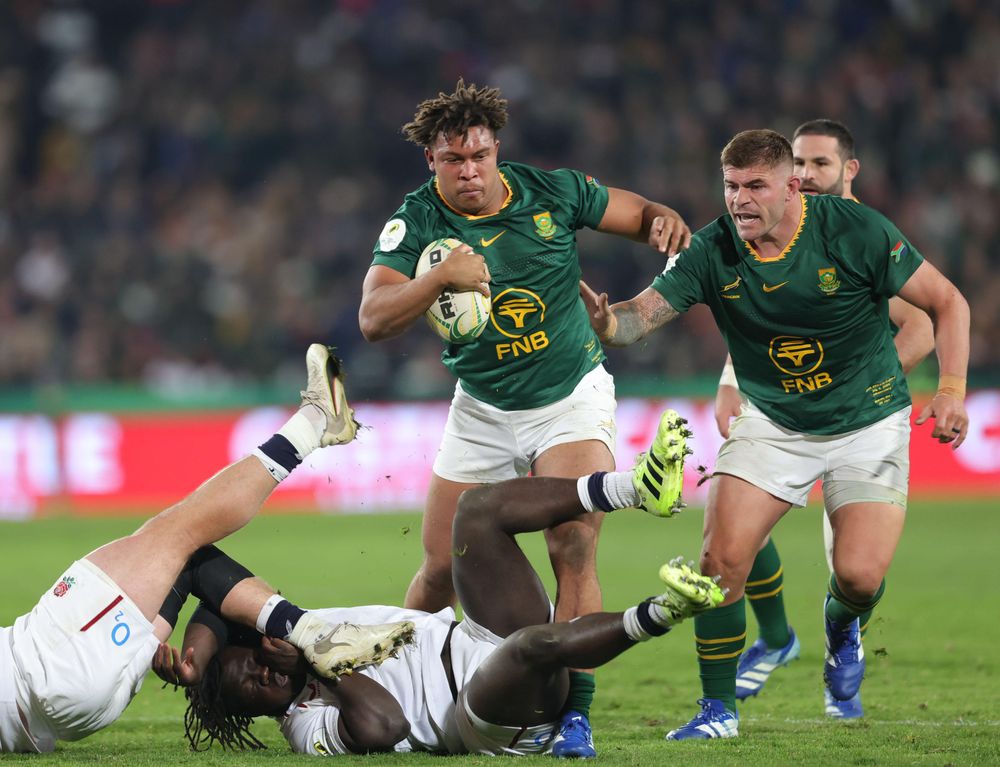
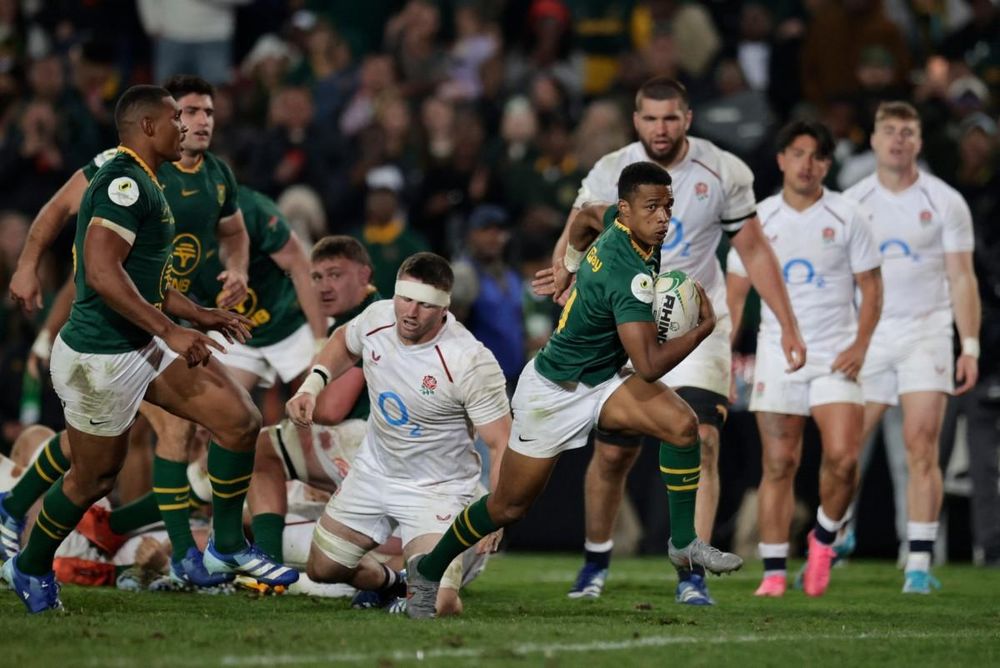
When the Springboks first returned to international rugby playing an antiquated style that was the legacy of their years of isolation, one of the more acerbic hacks nicknamed them the Retroboks. After Saturday’s comprehensive win over England in their opening Nations Championship clash, there is a new name that would be apt — the Flexiboks.Indeed, it isn’t a new thing, and I may even have used the above line before. But at Ellis Park it was acutely obvious, given the circumstances of the South African team’s 45-21 win. The win was achieved on a day when changes were forced at the last minute due to the injury to regular captain Siya Kolisi and to this country’s most-capped player, Eben Etzebeth.When Etzebeth became unavailable, it left coach Rassie Erasmus short of eight locks — Etzebeth, RG Snyman, Franco Mostert, Salmaan Moerat, the newcomer Riley Norton, Ruan Venter, Lood de Jager, plus Jean Kleyn. How many teams would be able to beat England with that many players out and still win by 24 points? None.But the Boks can because of the flexibility of the players in the squad and the game plan. A lot is made by Erasmus of the utility value of players in the 46-man group that were together in the buildup to the England game, and it is not just talk.Pieter-Steph du Toit is the world’s best blindside flank, but if he had to specialise in that position, he could easily be the best lock in the world too. And in either of the two lock positions, he excelled as a No 4 lock against England, but when he started his Bok career, he was deployed in the Victor Matfield-type No 5 role rather than the Bakkies Botha role.Ben-Jason Dixon. Picture: (Ashley Vlotman) Into the match-day squad to meet the injury crisis came Ben-Jason Dixon, and when he came on in the second half, he showed, perhaps for the first time at an international level, why his franchise coach John Dobson has in the past described him as the next Du Toit.Only in this game it was hard to tell which version of Du Toit should be referred to, for while he has excelled as a blindside flank, Du Toit’s regular position for the Stormers, in Joburg he spent a significant part of his time on the field packing down in the second row. Thus releasing Du Toit to play his usual position.But to be honest it wasn’t immediately noticeable from the vantage point of the Ellis Park press box, for the two are interchangeable. If Etzebeth’s concussion and the frequency with which he is concussed are concerning, we should not forget the headaches that kept him out for long portions of the Sharks’ campaign the season before last; then on the basis of this Ellis Park game, the Boks can feel comfortable having Du Toit revert more regularly to lock. Or for that matter Dixon, who has said that he likes playing in the second row, where he played a lot of his youth rugby.Dixon’s injection into the playing team after halftime made it possible for the Boks to return to their more traditional back row configuration of having a strong ball-carrying No 7, a flank who can also play lock, in tandem with a more traditional No 6 who plays to the ball (though Kolisi isn’t exactly the archetypical open-side).This was after the Boks had taken the field, due to Kolisi’s absence, with a completely different dynamic in the first half — Paul de Villiers, a bit of a Heinrich Brüssow clone but a much better carrier, and Cameron Hanekom ensured that England’s ruck ball was slowed down while the Boks’ was quickened in the time that they shot into a 17-0 lead.By the time the Boks reached the second half, something different was needed, and Erasmus made the necessary change, with the Boks reasserting their control by turning to their driving and mauling game. It was the flexibility of a team that used to be known as stereotyped that won the game, and it is that quality and adaptability that will sustain their success going forward.