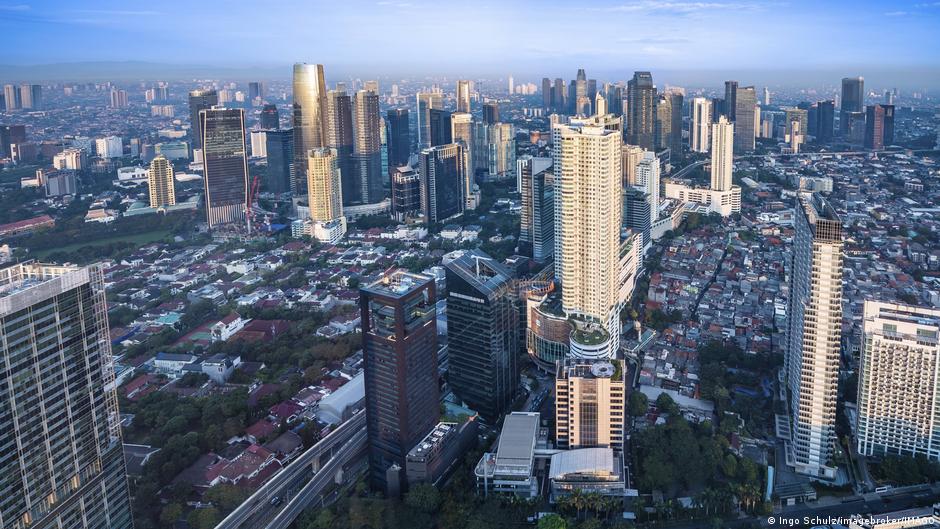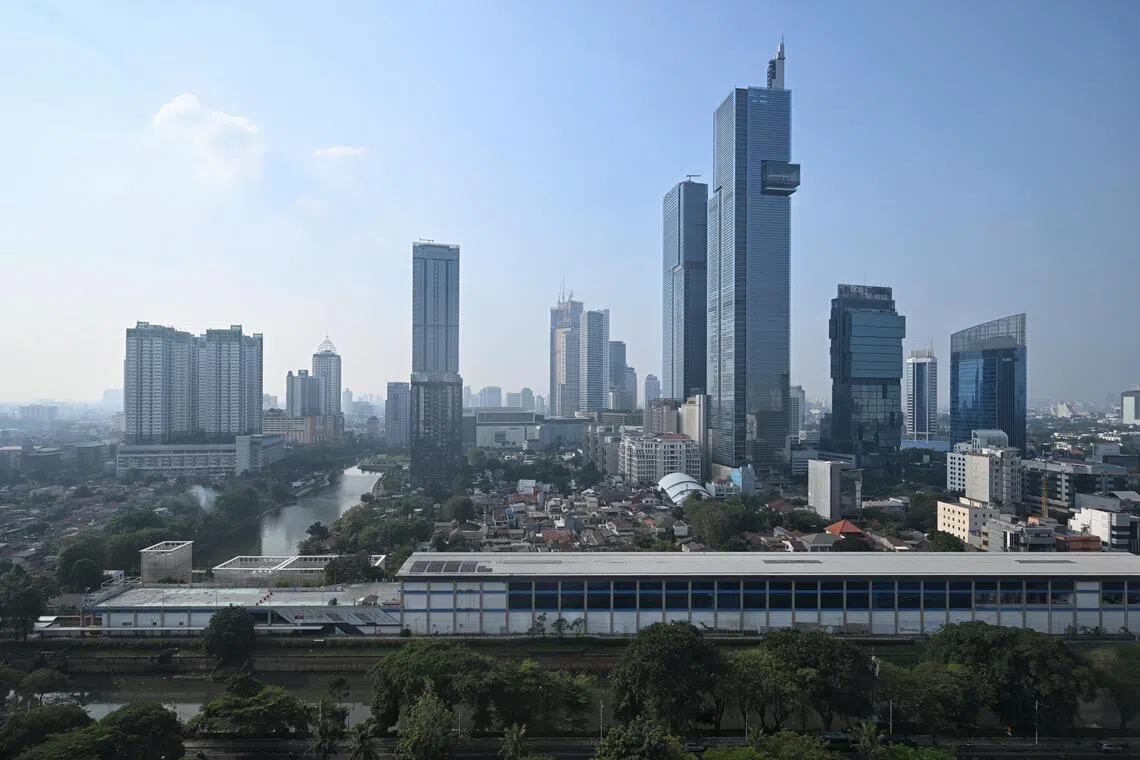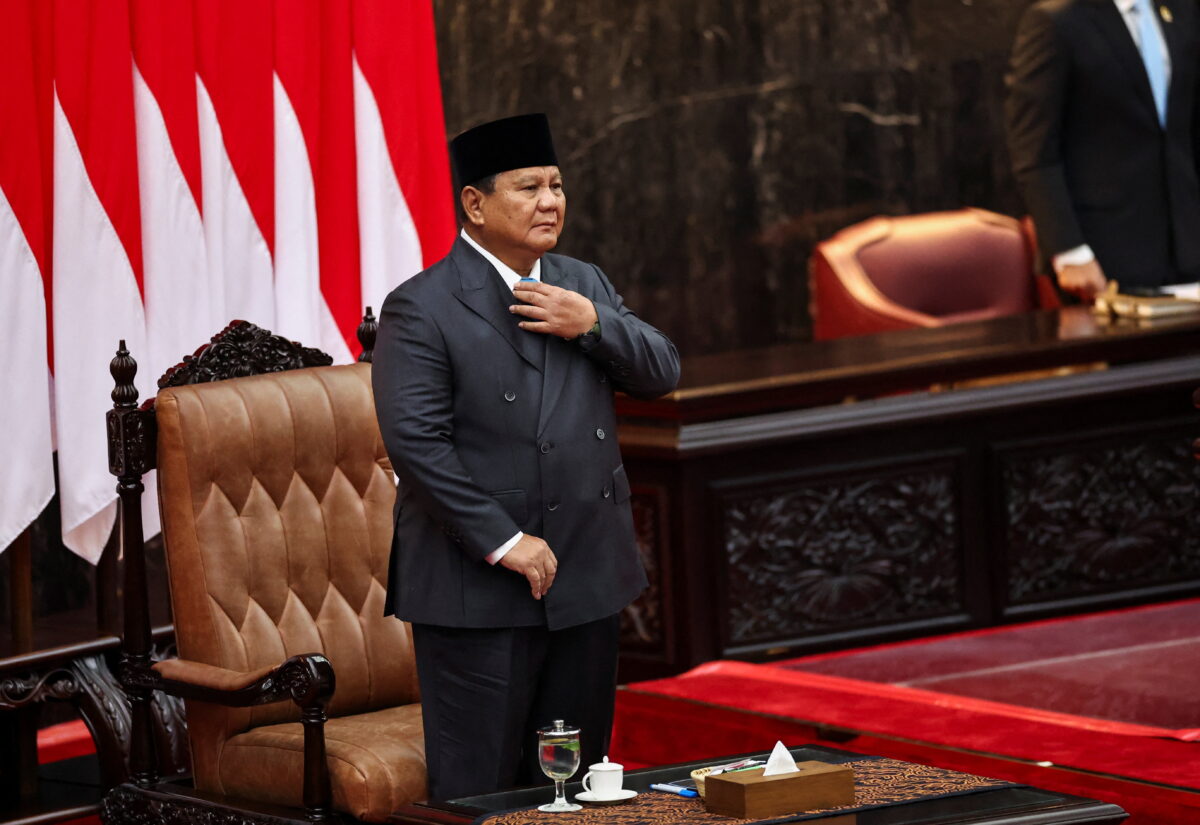
Indonesia’s economy has recently been attracting negative press. Unfairly so, you might think, given that its fundamentals are relatively strong. It is a resource-rich country with a young, growing and relatively well-educated population. Economic growth at around 5 per cent is respectable if not spectacular. Not only does it have a large domestic market, it is tightly enmeshed within an open regional economy. Unlike some of its neighbours, it has also enjoyed stable democratic rule now for a quarter of a century.
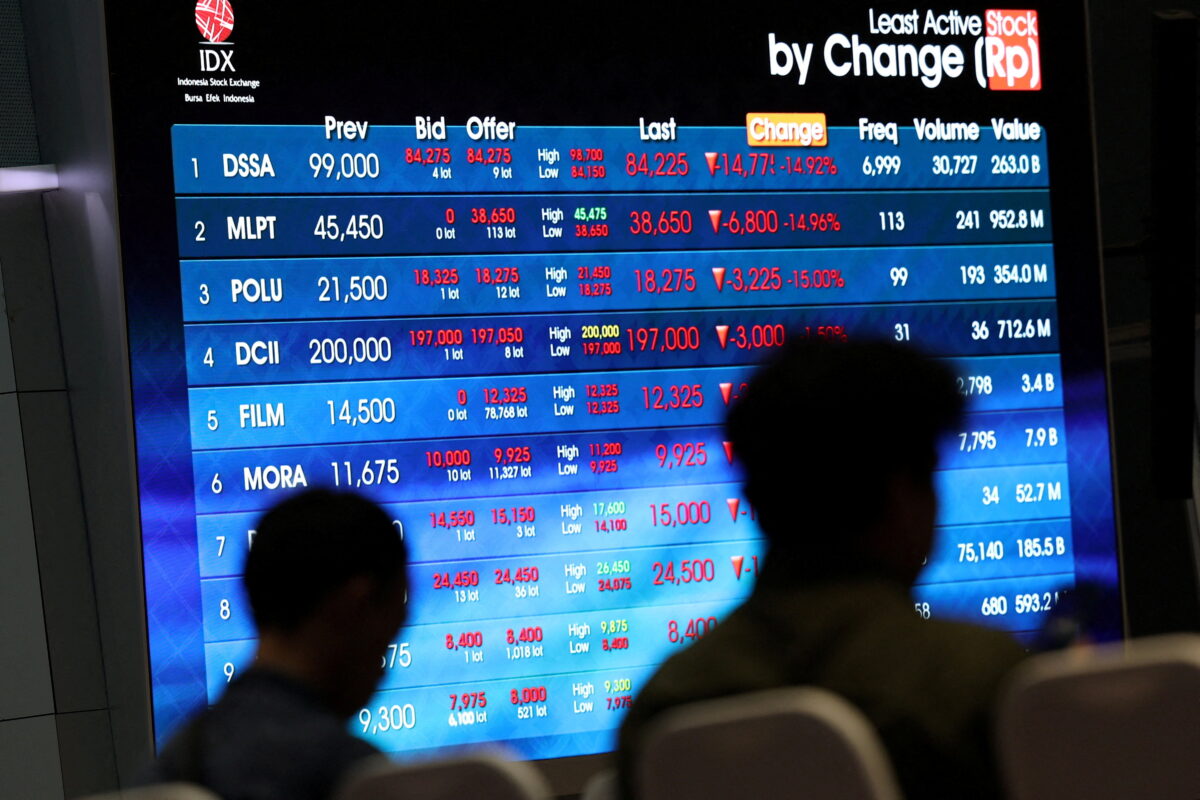
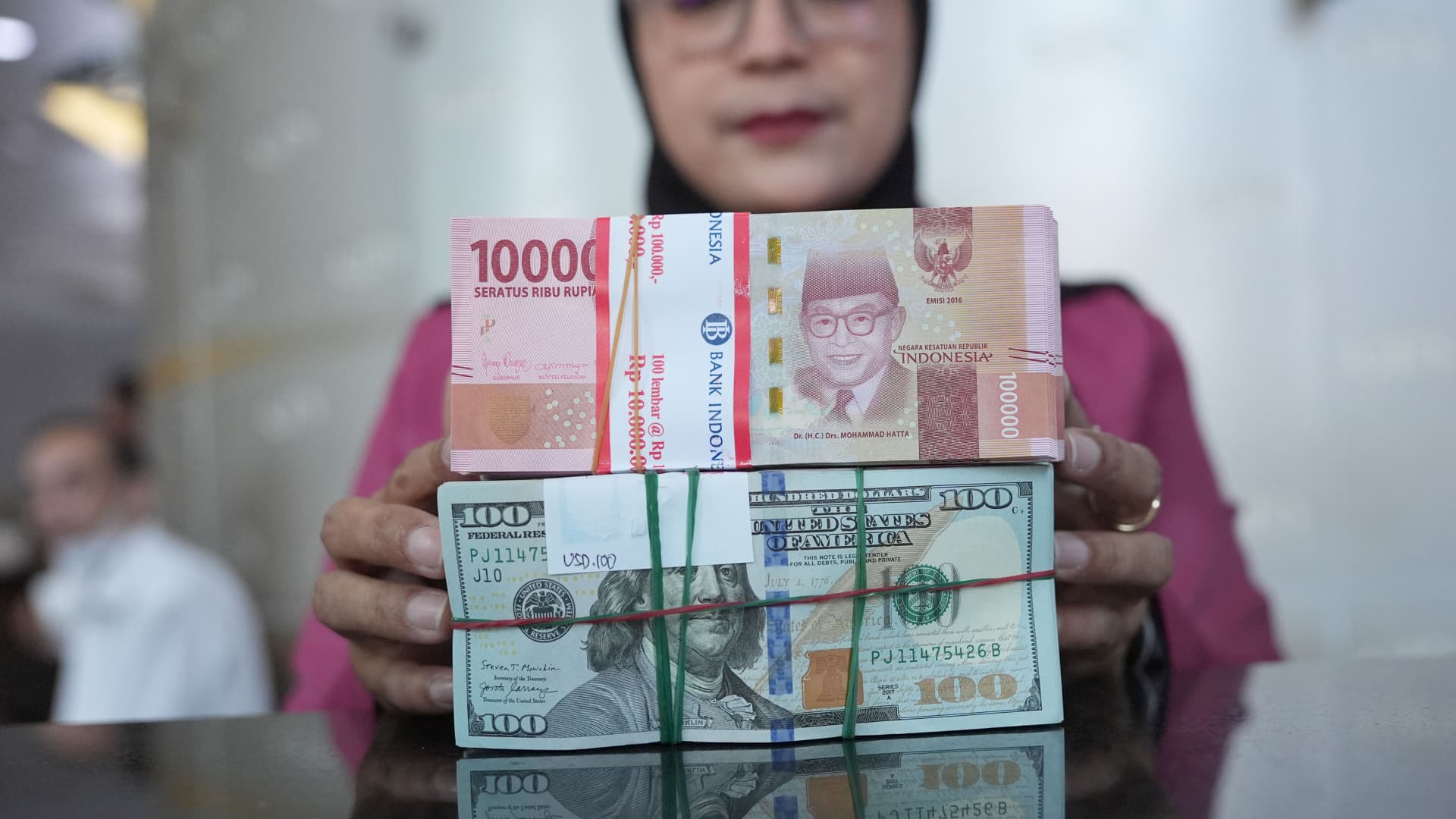
But Indonesia’s economic fundamentals have been shaken by repeated blows since President Prabowo Subianto entered office in 2024. The rupiah has slumped to a record low of Rp 18,190 to the US dollar in June 2026, provoking a strong intervention from Bank Indonesia to prop up the currency with rate hikes. The stock market is looking sickly and the fiscal deficit threatens to exceed the statutory limit of 3 per cent of GDP, a rule which has anchored Indonesia’s fiscal credibility since its introduction in 2003.
Our lead articles this week point to the origins of these economic vulnerabilities in the nexus between populist policymaking and declining market confidence in Indonesia.