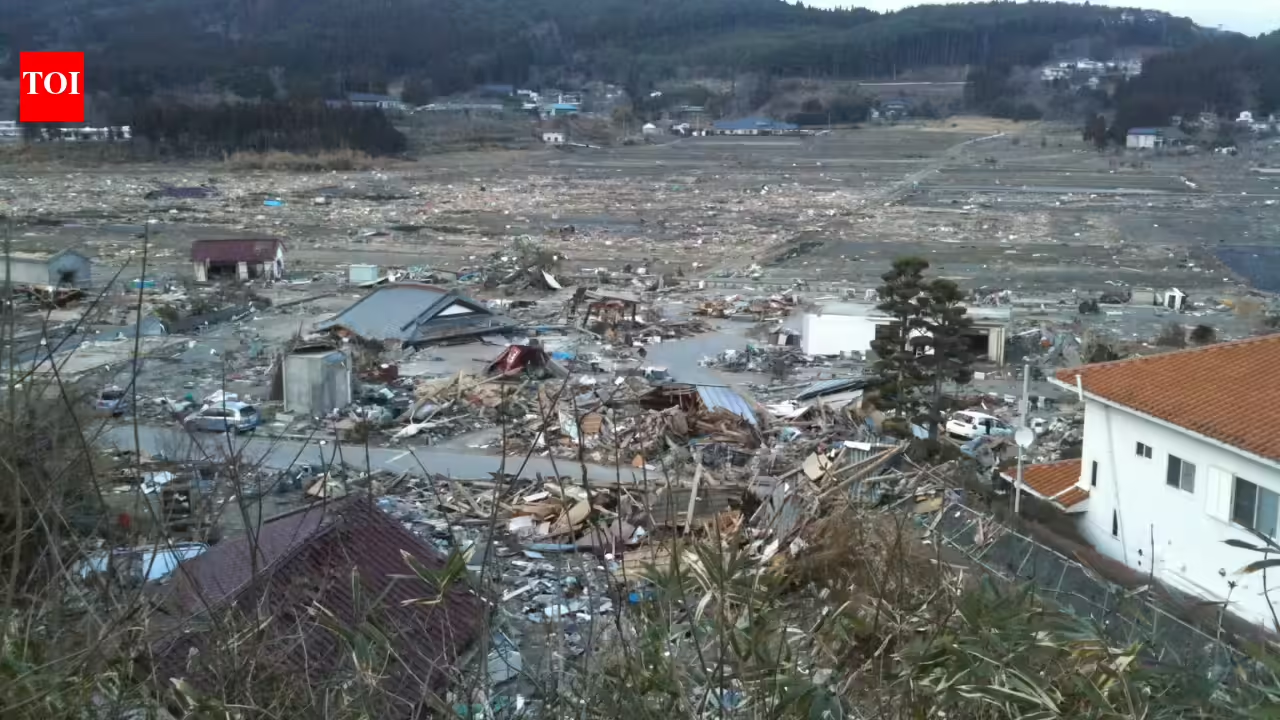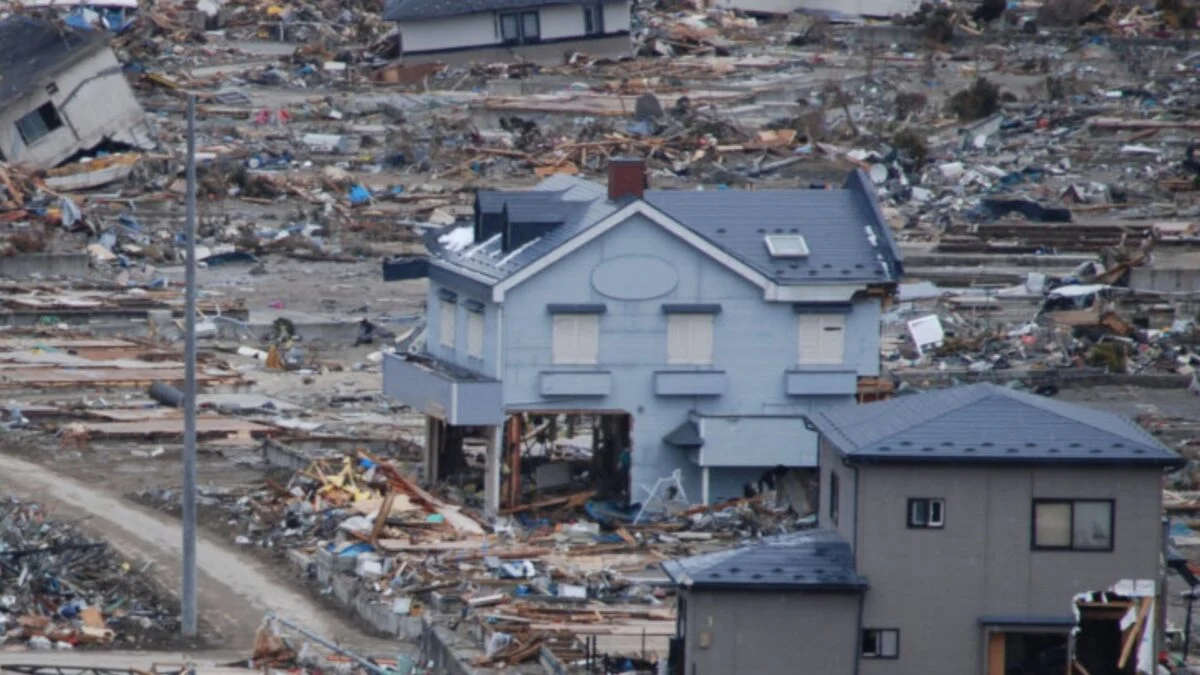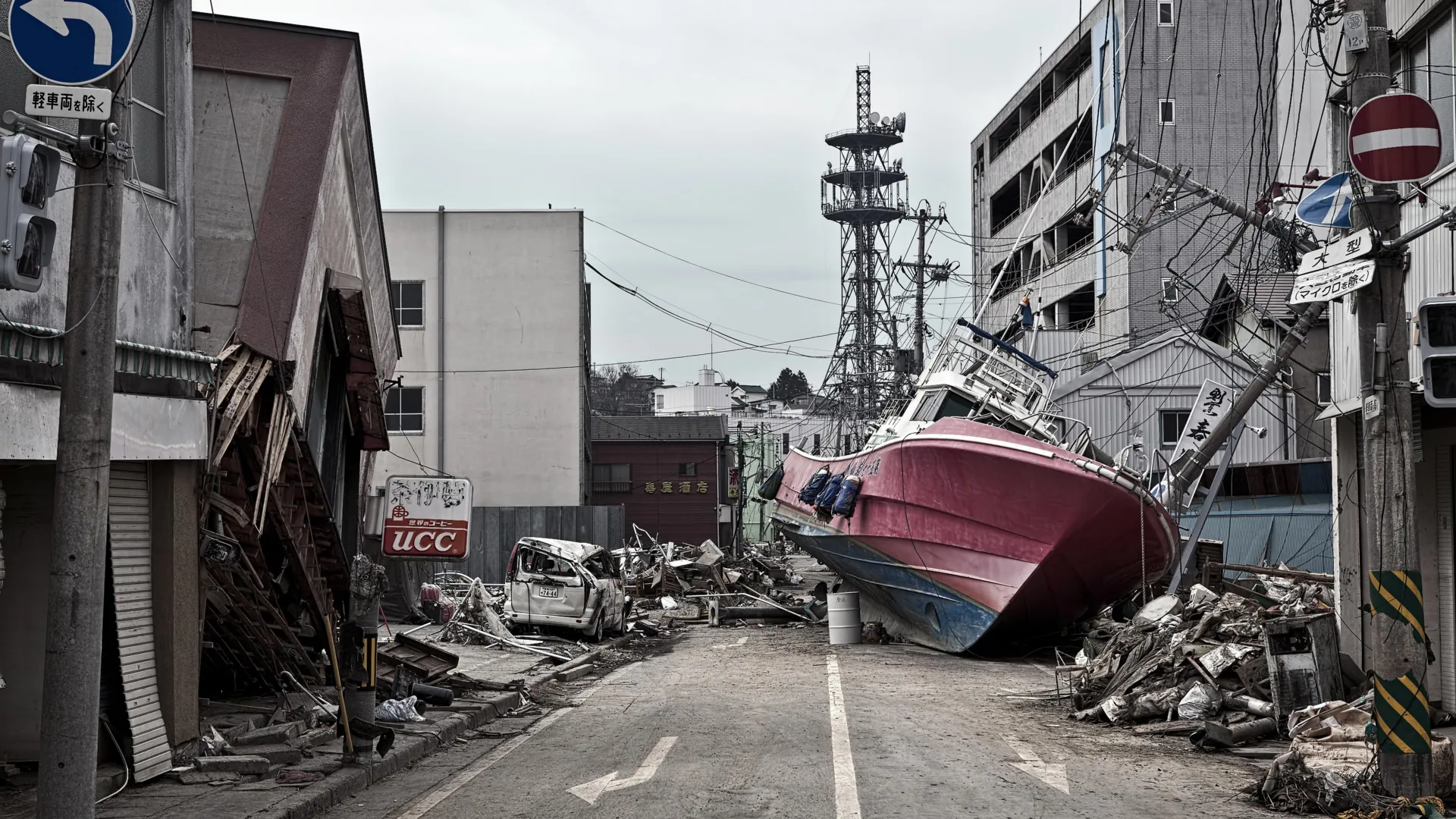
Researchers have uncovered a hidden feature beneath the Pacific Ocean that helps explain why Japan's devastating 2011 earthquake and tsunami became so destructive. The discovery also offers new clues that could improve forecasts of future megaquakes and tsunamis.
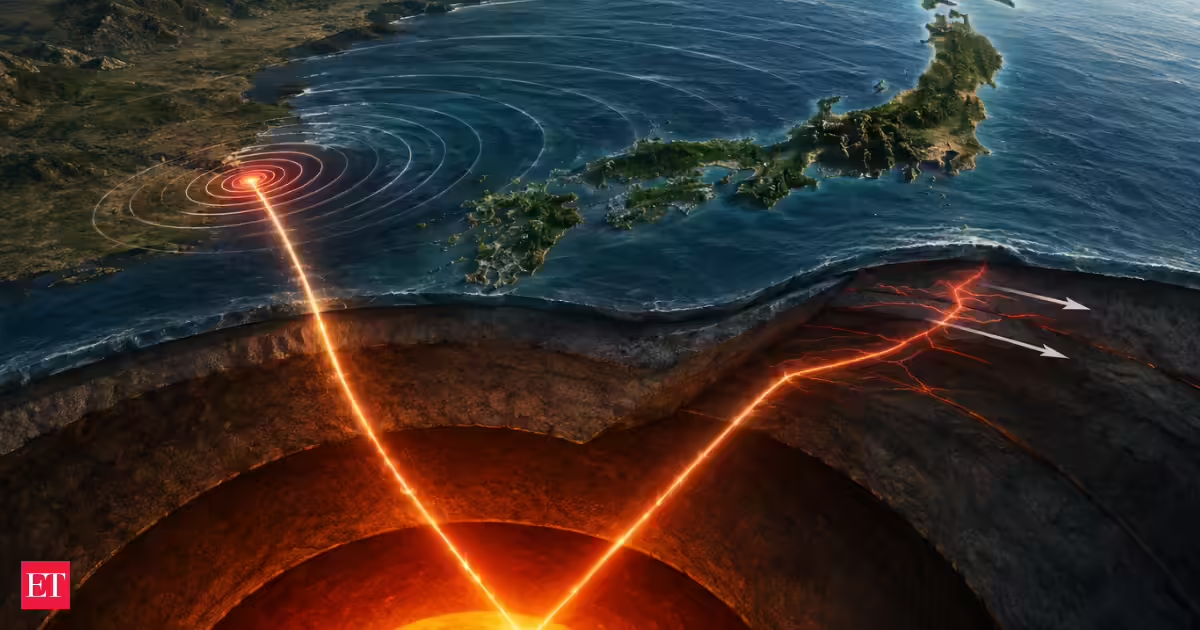
A new study found that a thin layer of soft, clay-rich sediment beneath the Japan Trench played a critical role in the disaster. Located just below the seafloor, this unusually weak layer allowed the fault to rupture all the way to the trench during the 2011 "megathrust" earthquake. As a result, the seafloor shifted by an extraordinary 130 to 200 feet, helping generate the massive tsunami.
"That's equivalent to the entire area between Los Angeles and San Francisco moving 130 to 200 feet in just six minutes," said Christine Regalla, an associate professor in Northern Arizona University's School of Earth and Sustainability and a co-author of the study. "We've never seen anything like that in the time we've been observing earthquakes. Based on what we understood, we didn't think that could happen."
The research, led by Regalla and more than a dozen scientists from around the world, was published in Science.
Hidden Clay Layer Beneath the Japan Trench