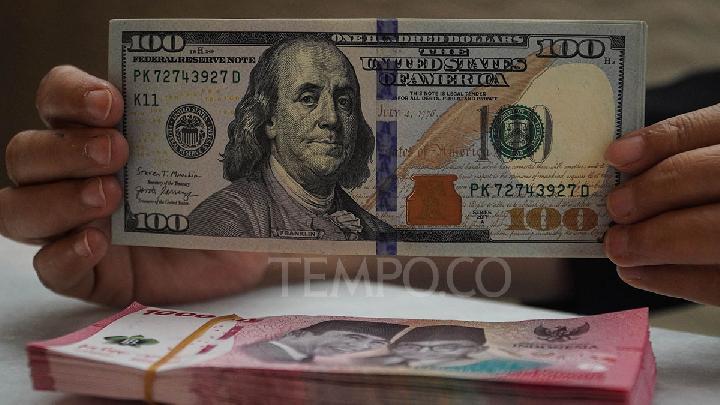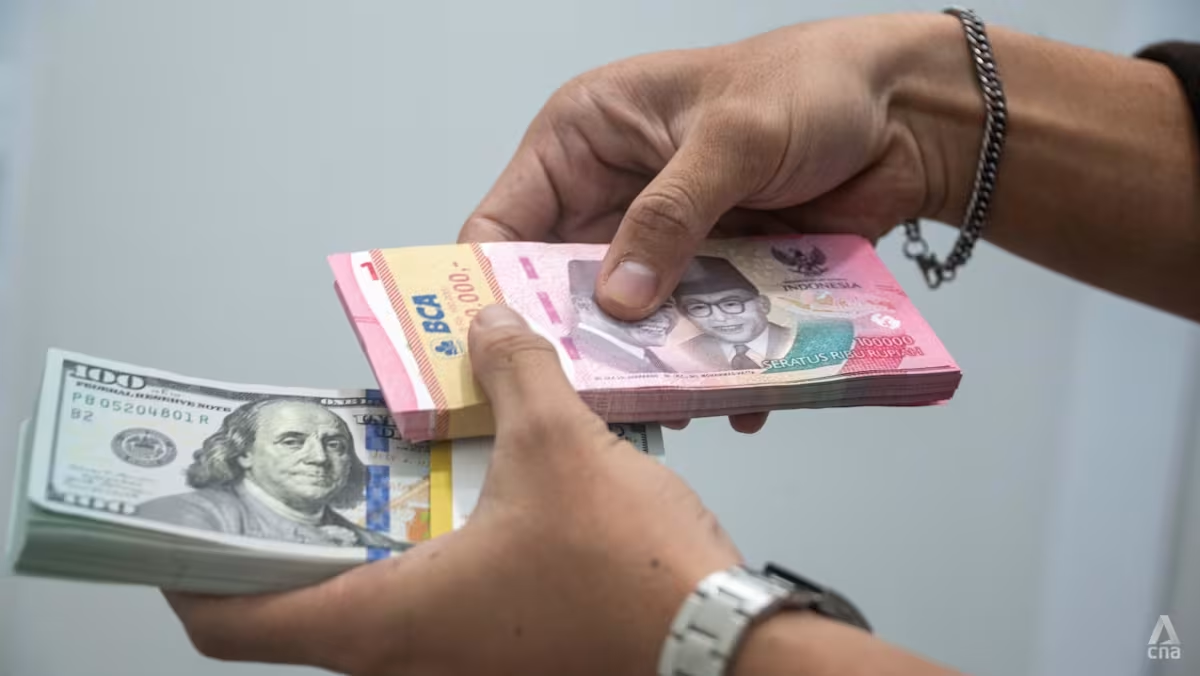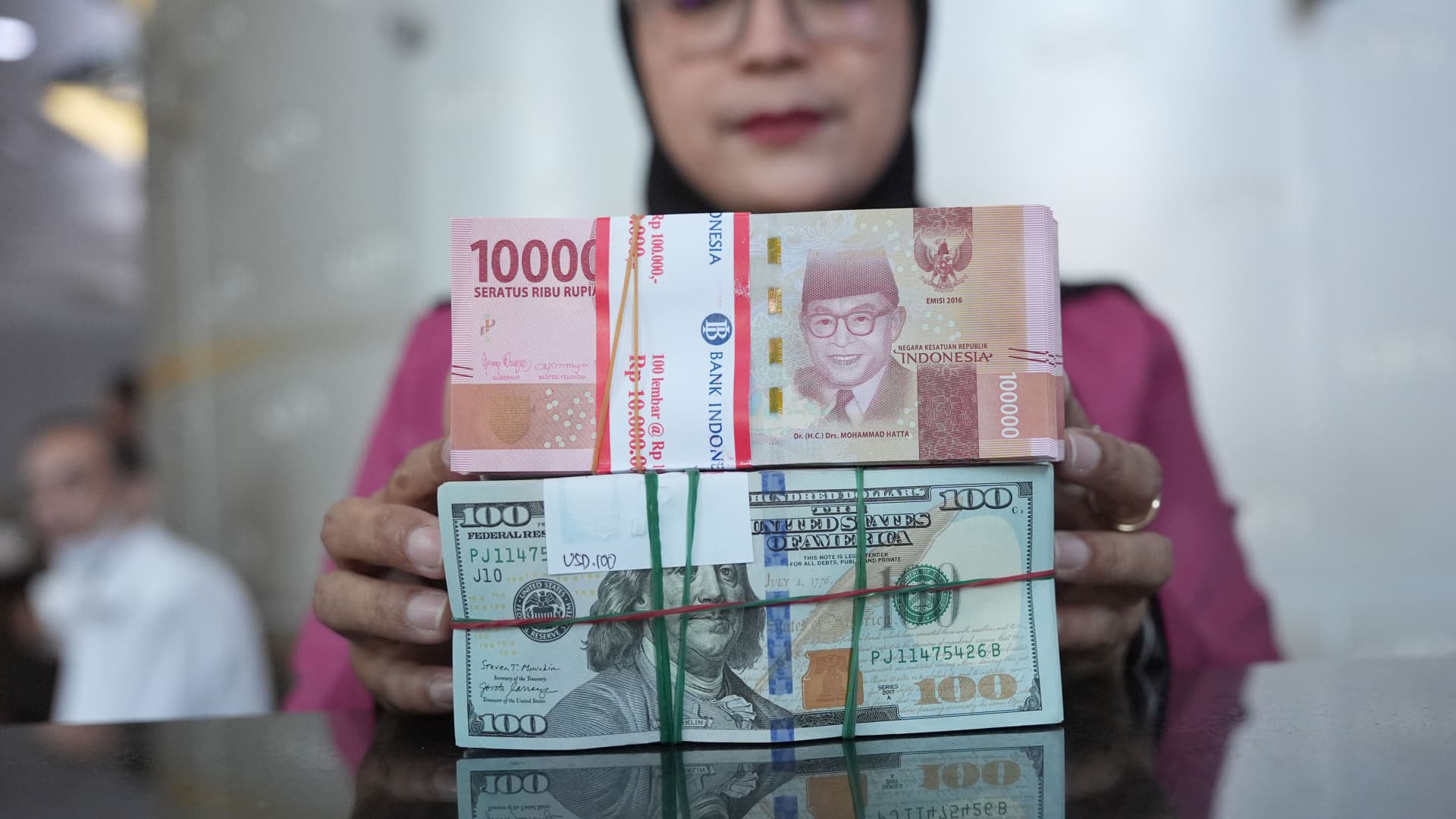
The slogan ‘free and active’ (bebas dan aktif) has guided Indonesia’s foreign policy since the country declared independence in 1945. Indonesia’s monetary policy should follow the same principle — free by delinking from the US dollar and active by targeting domestic economic conditions.
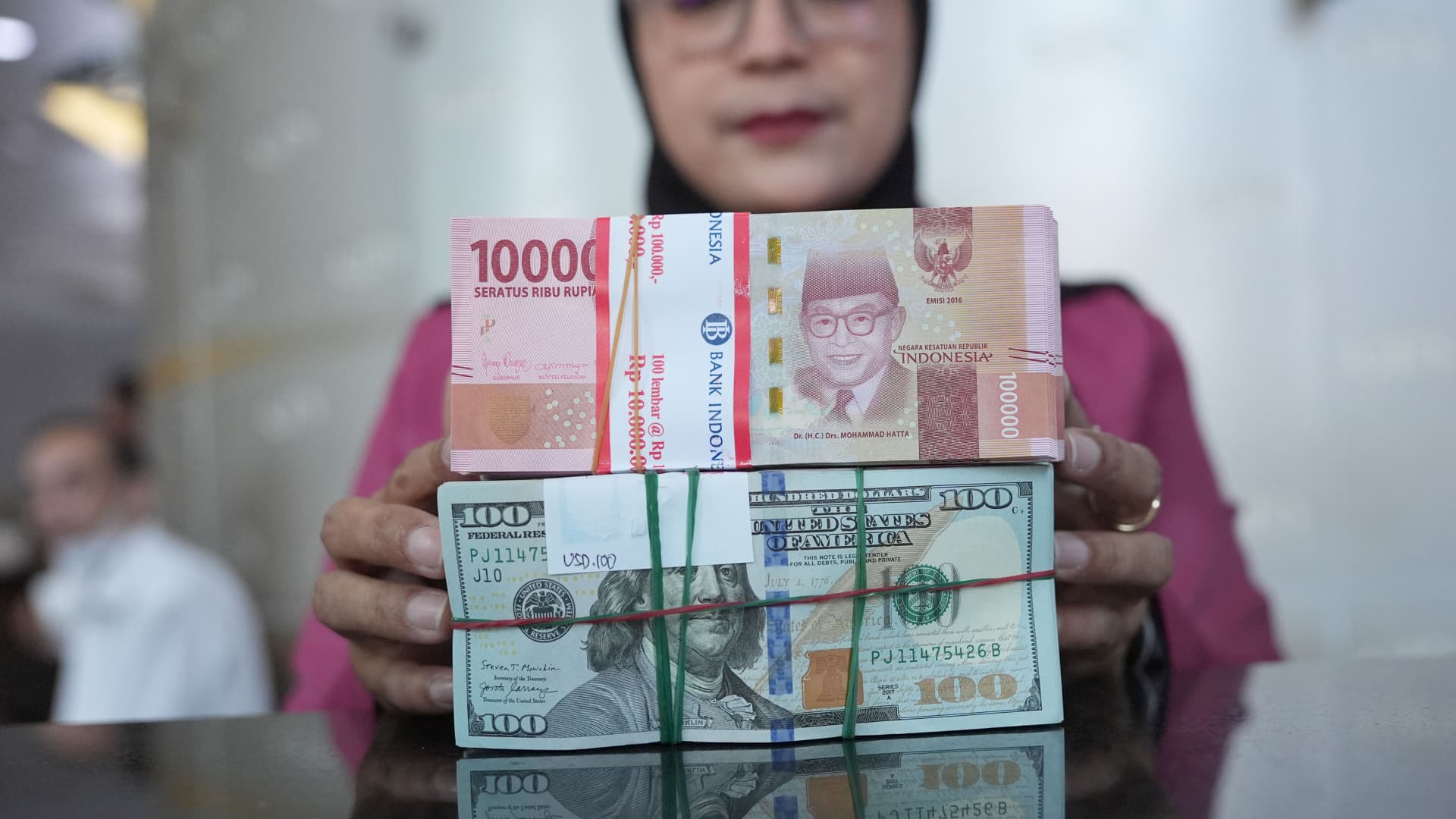
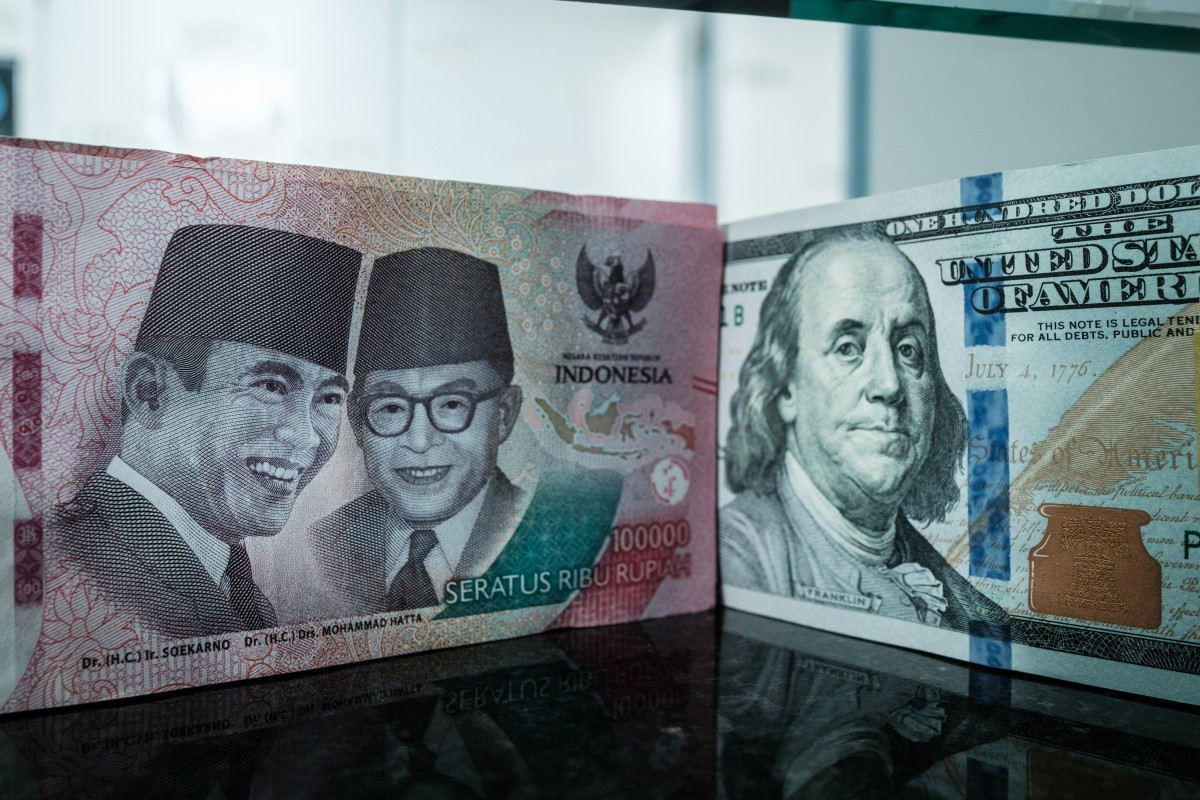
Indonesia’s fixation on the rupiah–US dollar exchange rate has triggered policy responses that are governed by US and global conditions. A rising US dollar has repeatedly been a barometer of stress in the Indonesian economy, including in 2013, when the US Federal Reserve’s suggestion that it would scale back quantitative easing caused capital outflows from Indonesia and other emerging markets. Similar pressures returned with the soaring dollar in 2023 and again in 2026 amid the Iran war.
The dollar fixation has driven a de facto policy of a loose peg to the US dollar. This means that economic activity bears the brunt of economic shocks, rather than a flexible exchange rate absorbing them. Tighter monetary conditions, prompted by a rising US dollar, raise market interest rates, hurting activity even when inflation may be falling and demand is weak.
Indonesia’s announced policy interest rate is symbolic. The deviation of the policy rate from short-term market interest rates makes that clear. Monetary policy is instead conducted by setting liquidity conditions to target a steady rupiah–dollar exchange rate. This liquidity goal means the announced interest rate cannot also function as a policy instrument.