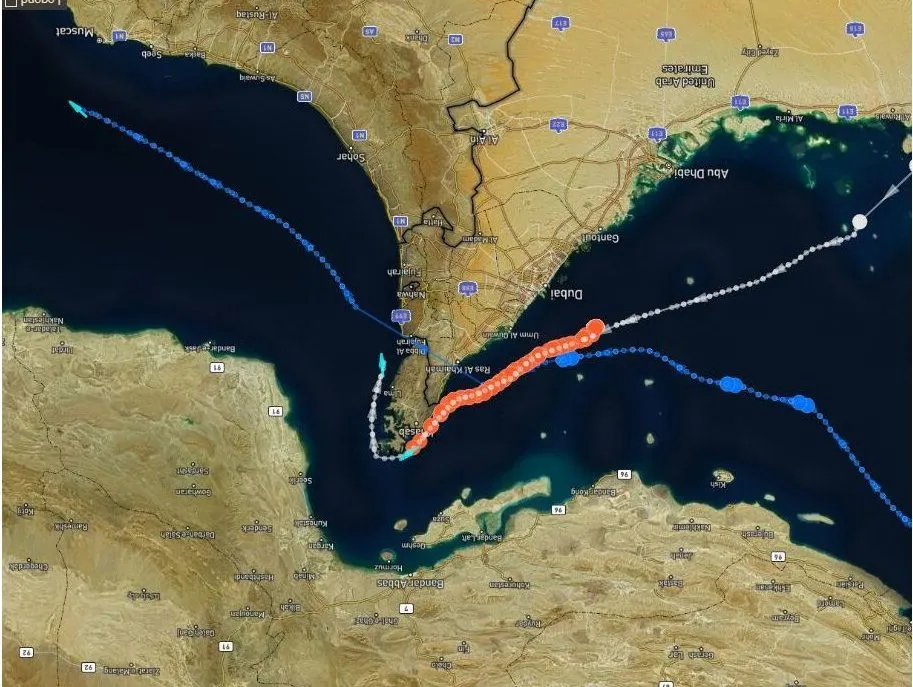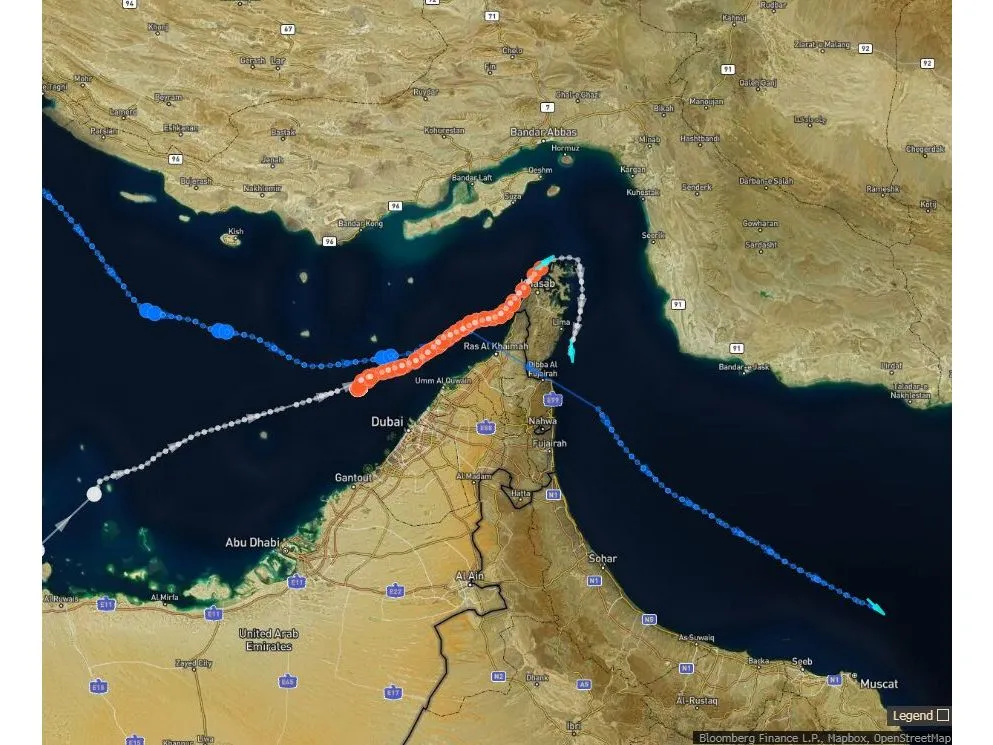
Skip to Content News Archives Economy Energy Oil & Gas Renewables Electric Vehicles Mining Commodities Agriculture Real Estate Mortgages Mortgage Rates Finance Banking Insurance Fintech Cryptocurrency Work Wealth Smart Money Wealth Management Investor Personal Finance Family Finance Retirement Taxes High Net Worth FP Comment Executive Women Puzzmo Newsletters Financial Times Business Essentials More Innovation Information Technology FP500 Podcasts Small Business Lives Told Tails Told Shopping Financial Post Store Obituaries Place a Notice Advertising Advertising With Us Advertising Solutions Postmedia Ad Manager Sponsorship Requests Classifieds Place a Classifieds ad Working Profile Settings My Subscriptions Saved Articles My Offers Newsletters Customer Service FAQ News Economy Energy Mining Real Estate Finance Work Wealth Investor FP Comment Executive Women Puzzmo Newsletters Financial Times Business Essentials HomePMN BusinessOil, Gas Tankers Cross Hormuz Via Oman-Side Route After U-TurnsOil and gas shipping along a US-protected corridor in the Strait of Hormuz showed signs of recovering Sunday, a day after a batch of vessels performed unexplained U-turns and detours in the vital energy corridor.Author of the article:Last updated 1 hour ago You can save this article by registering for free here. Or sign-in if you have an account.The products tanker (in red) that had U-turned on Saturday is attempting a Hormuz transit again on the Omani side on Sunday. One other products tanker and a crude carrier also crossed. Source: Bloomberg(Bloomberg) — Oil and gas shipping along a US-protected corridor in the Strait of Hormuz showed signs of recovering Sunday, a day after a batch of vessels performed unexplained U-turns and detours in the vital energy corridor.Subscribe now to read the latest news in your city and across Canada.Exclusive articles from Barbara Shecter, Joe O'Connor, Gabriel Friedman, and others.Daily content from Financial Times, the world's leading global business publication.Unlimited online access to read articles from Financial Post, National Post and 15 news sites across Canada with one account.National Post ePaper, an electronic replica of the print edition to view on any device, share and comment on.Daily puzzles, including the New York Times Crossword.Subscribe now to read the latest news in your city and across Canada.Exclusive articles from Barbara Shecter, Joe O'Connor, Gabriel Friedman and others.Daily content from Financial Times, the world's leading global business publication.Unlimited online access to read articles from Financial Post, National Post and 15 news sites across Canada with one account.National Post ePaper, an electronic replica of the print edition to view on any device, share and comment on.Daily puzzles, including the New York Times Crossword.Create an account or sign in to continue with your reading experience.Access articles from across Canada with one account.Share your thoughts and join the conversation in the comments.Enjoy additional articles per month.Get email updates from your favourite authors.Create an account or sign in to continue with your reading experience.Access articles from across Canada with one accountShare your thoughts and join the conversation in the commentsEnjoy additional articles per monthGet email updates from your favourite authorsSign In or Create an AccountorSix oil and gas freighters were observed navigating on a route that cleaves close to Oman’s coast. Those are only what’s observable, with many ships known to sail through with their transponders off to avoid digital detection. Western navies continue to say that, while traffic continues, the threat risk is “substantial” and that the center of the strait has been mined. Two other small tankers exited the Persian Gulf by sailing closer to Iran.The oil market is fixated on what’s moving through Hormuz and how, a task that’s become tougher because of ships trying to avoid the attentions of Iran’s military as they come and go. Over Friday and Saturday, at least eight vessels were seen U-turning as they sailed through along the Omani route. Four of them subsequently went on to sail northward toward the Iranian route, and exited the strait. Get the latest headlines, breaking news and columns.By signing up you consent to receive the above newsletter from Postmedia Network Inc.A welcome email is on its way. If you don't see it, please check your junk folder.The next issue of Top Stories will soon be in your inbox.We encountered an issue signing you up. Please try againOf the U-turners, at least one fuel tanker appeared to be making a fresh attempt to transit on Sunday, sailing past the tip of Oman’s Musandam peninsula. Another products tanker transited along the same route earlier, openly signaling its intentions, and is now broadcasting a location in the Gulf of Oman. Others are opting to cross in the dark, popping up once clear of the waterway. One Suezmax crude carrier appeared in the Gulf of Oman on Sunday after last broadcasting from within the Persian Gulf on Saturday. There was no immediate explanation for the ships that turned back on Friday and Saturday, though Iran has repeatedly said that vessels should only transit the strait through the route designated and authorized by the Islamic Republic. Naval liaison groups have yet to comment on the abrupt U-turns, although the Joint Maritime Intelligence Center repeated on Sunday that Iranian forces continue to harass shipping. On Saturday, 19 vessels crossed the Strait of Hormuz in either direction, but only one openly signaled its inbound transit along the Omani coast, Kpler data show. That compares with Friday’s count of 13 along the route. This tally includes only observed transits, and figures may change as more dark crossings — made without transponders switched on — are verified.For much of the war, several ships attempting to leave the Persian Gulf through Hormuz have reported warnings by Iranian forces over radio communications, saying that they should not proceed without getting Tehran’s permission. Iran has fired on some of the vessels that sailed on. Tanker companies have been struggling with the stop-start reopening of Hormuz. Their willingness to take on the risk of crossing the narrow waterway is crucial for the normalization of the oil market, still recovering from a historic four-month crisis. Join the Conversation This website uses cookies to personalize your content (including ads), and allows us to analyze our traffic. Read more about cookies here. By continuing to use our site, you agree to our Terms of Use and Privacy Policy.
Oil, Gas Tankers Cross Hormuz Via Oman-Side Route After U-Turns
Oil and gas shipping along a US-protected corridor in the Strait of Hormuz showed signs of recovering Sunday, a day after a batch of vessels performed unexplained U…
1,023 words~5 min read