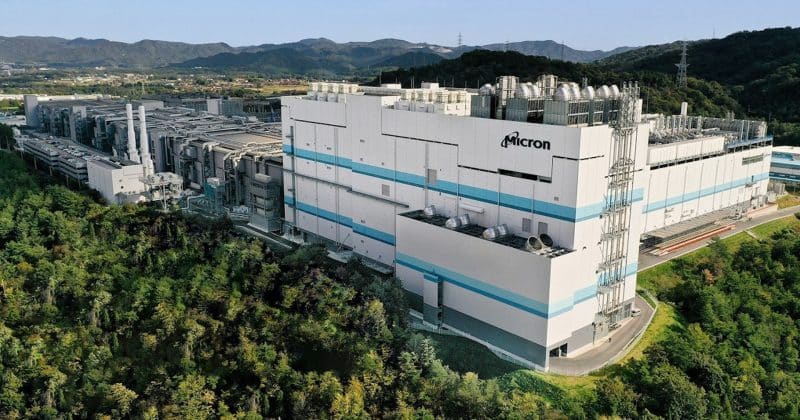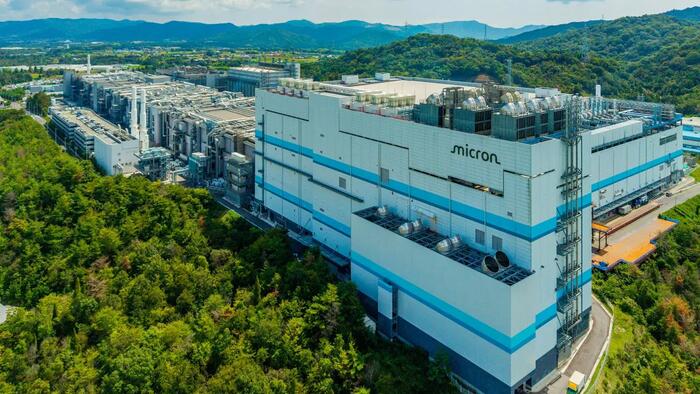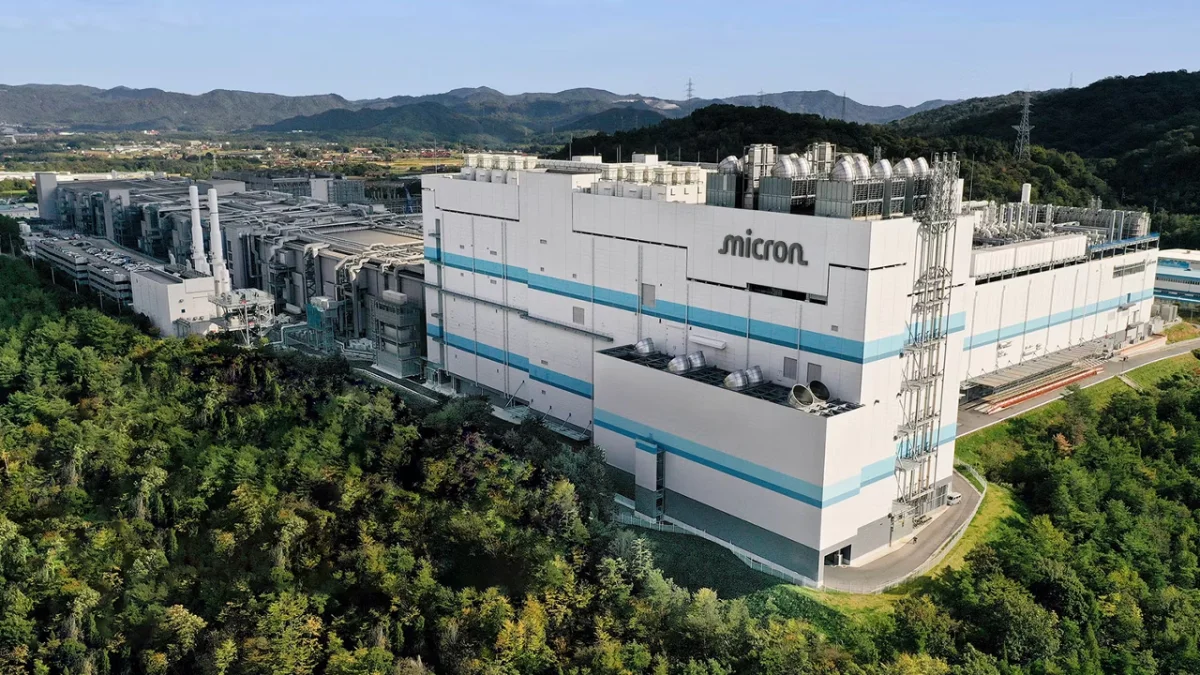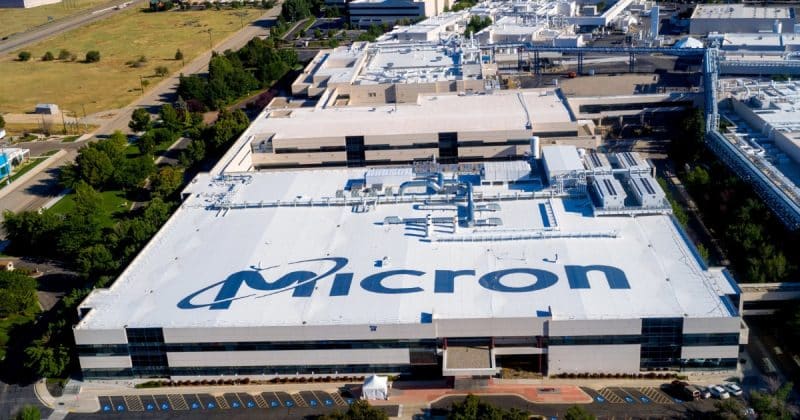
Micron Technology just broke ground on a ¥1.5 trillion expansion of its semiconductor facility in Higashihiroshima, Japan. That’s roughly $9.3 billion to $9.6 billion, depending on exchange rates, making it one of the largest single-site memory chip investments in recent history.
The July 4 groundbreaking ceremony kicked off what will be a two-year construction sprint, with first chip shipments expected by summer 2028. The facility will focus on producing high-bandwidth memory, or HBM, the specialized chips that power the AI data centers everyone from Microsoft to Meta can’t build fast enough.
Why HBM matters for the AI boom
That dynamic has turned HBM into one of the most sought-after commodities in the semiconductor world. Right now, the market is dominated by SK Hynix, which supplies Nvidia’s most advanced AI accelerators, with Samsung running second. Micron has been the scrappy third player trying to close the gap, and this Hiroshima expansion is its loudest declaration yet that it intends to compete at the top tier.
The Hiroshima site holds symbolic importance for Micron’s HBM ambitions. The company produced its first HBM wafer at this very facility, so scaling production here isn’t starting from scratch.