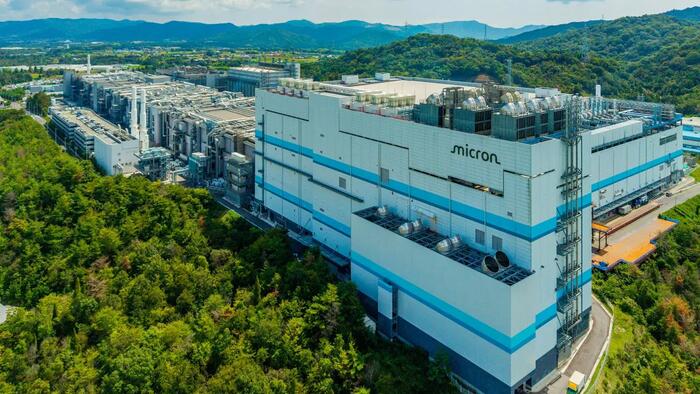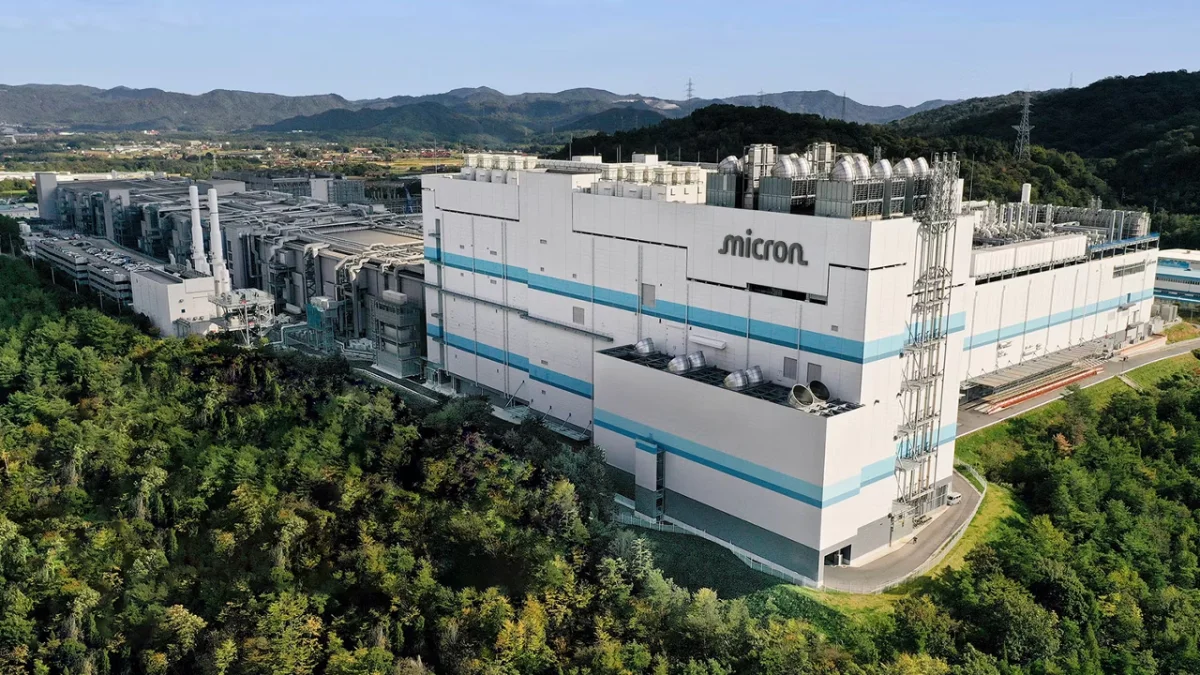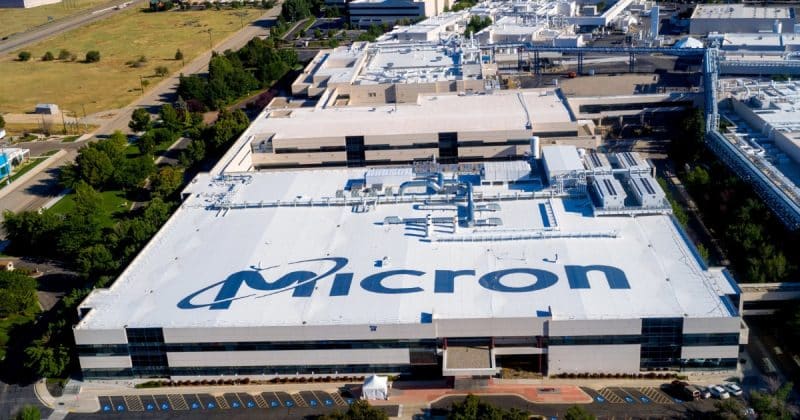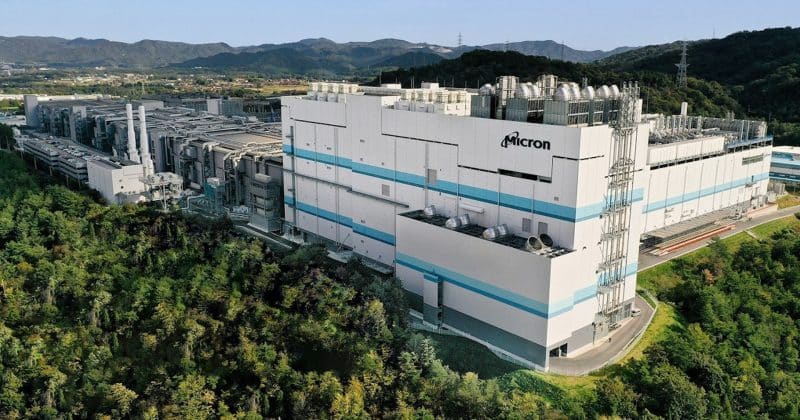
Micron Technology is making one of the largest single manufacturing bets in its history, committing approximately ¥1.5 trillion, roughly $9.6 billion, to expand its chip factory in Hiroshima, Japan. The target product is high-bandwidth memory, or HBM, the specialized chip architecture that has quietly become the most contested real estate in artificial intelligence computing.
Construction is set to begin in May 2026, with initial chip shipments projected to start around 2028. The Japanese government has pledged subsidies in the range of 500 to 536 billion yen to support the project, a figure that represents a substantial share of the total investment.
Japan’s bigger play here
Japan spent much of the 1980s and 1990s as the dominant force in global memory chip production before losing ground to South Korea’s Samsung and SK Hynix, and later to a resurgent Micron in the US. The country has been working methodically to reclaim relevance in the sector, and the Hiroshima subsidy package is a continuation of that effort.
Geographic diversification in semiconductor manufacturing has become something of an obsession for governments worldwide since the supply chain crises of the early 2020s. Pandemic-era chip shortages exposed just how concentrated advanced manufacturing had become, and both the US and Japan responded with aggressive subsidy regimes designed to pull production closer to home.