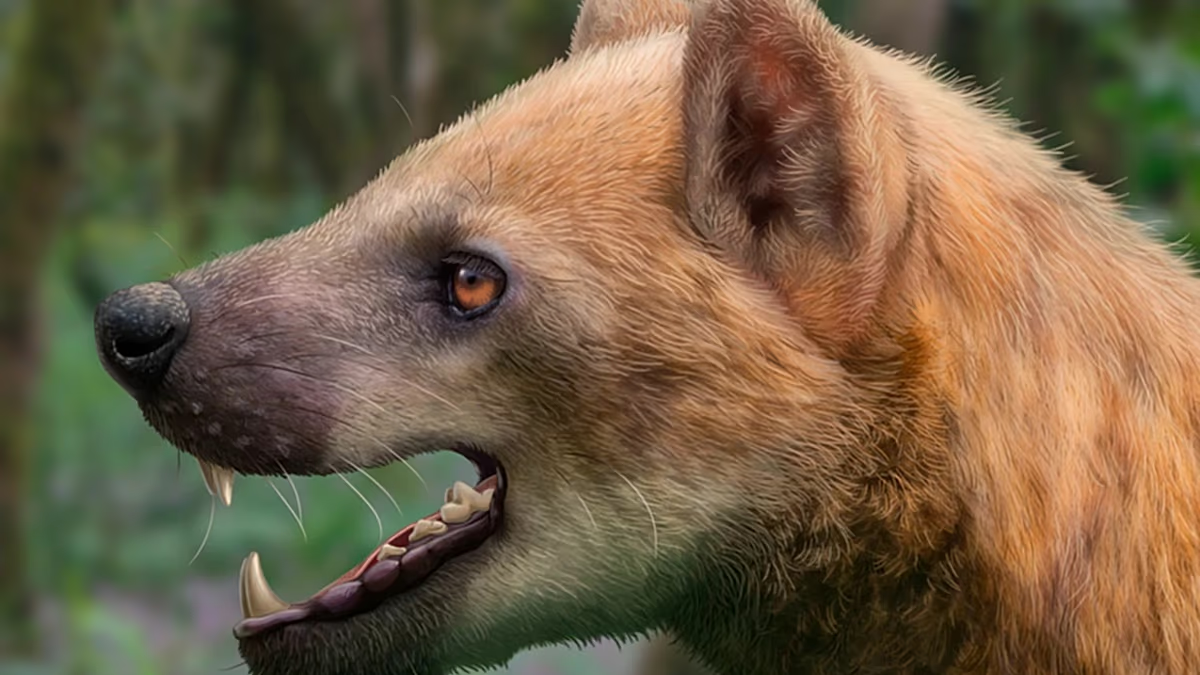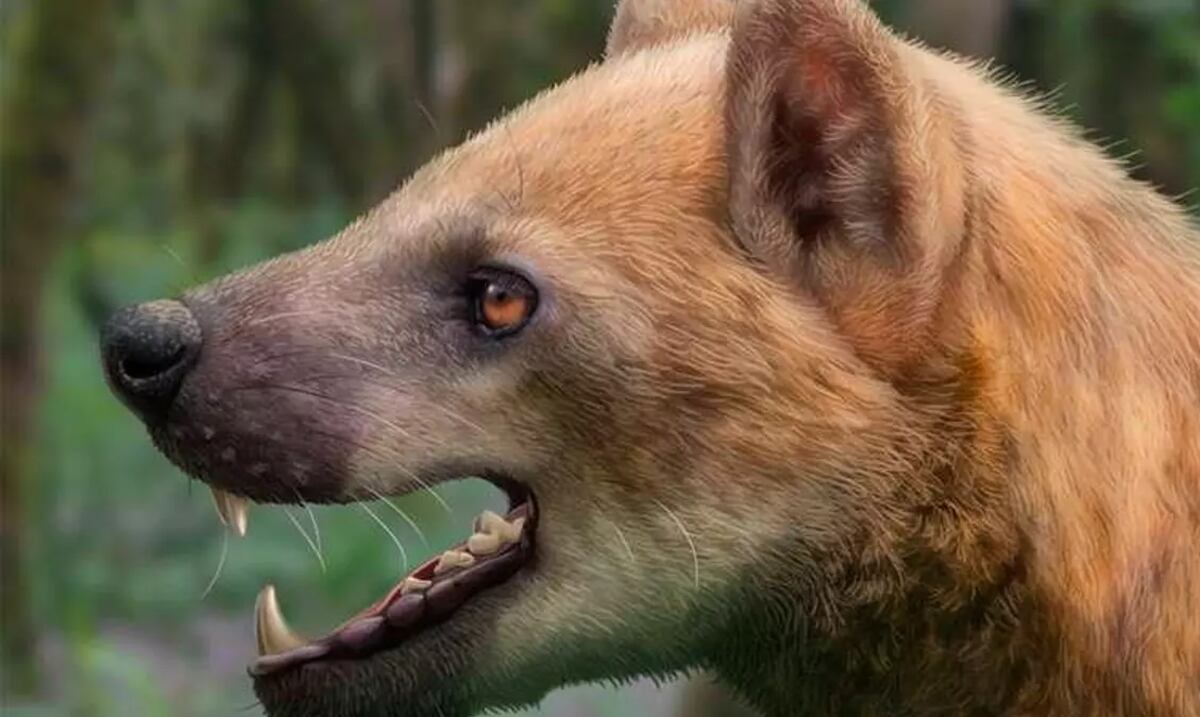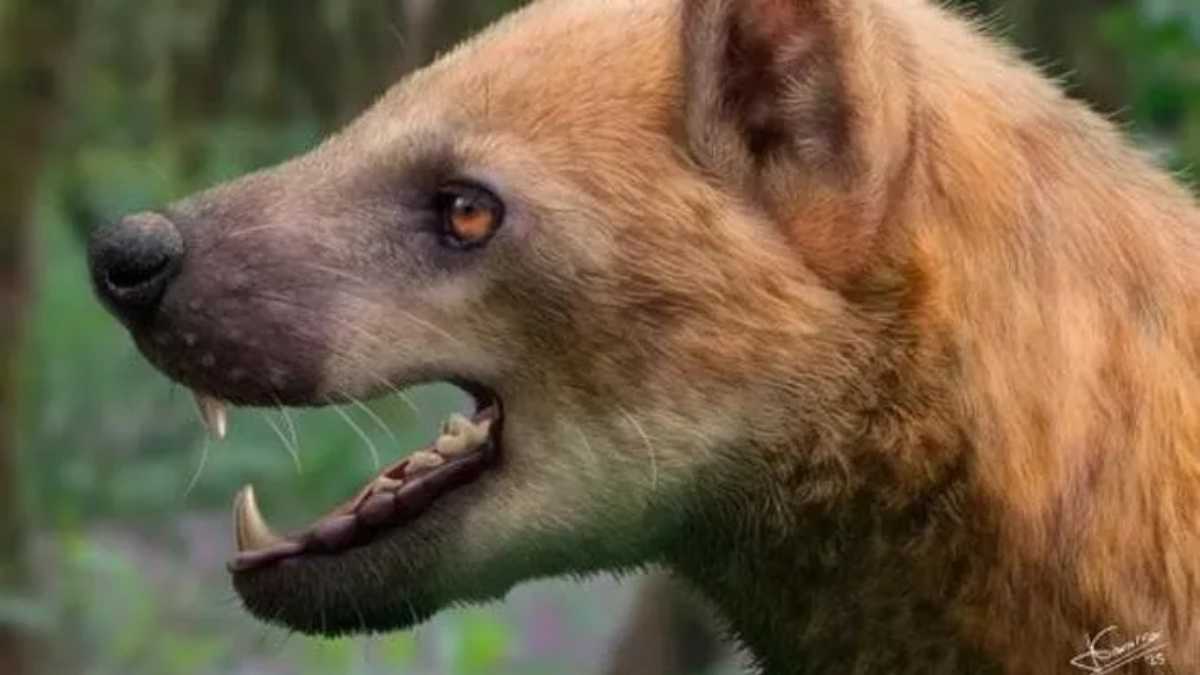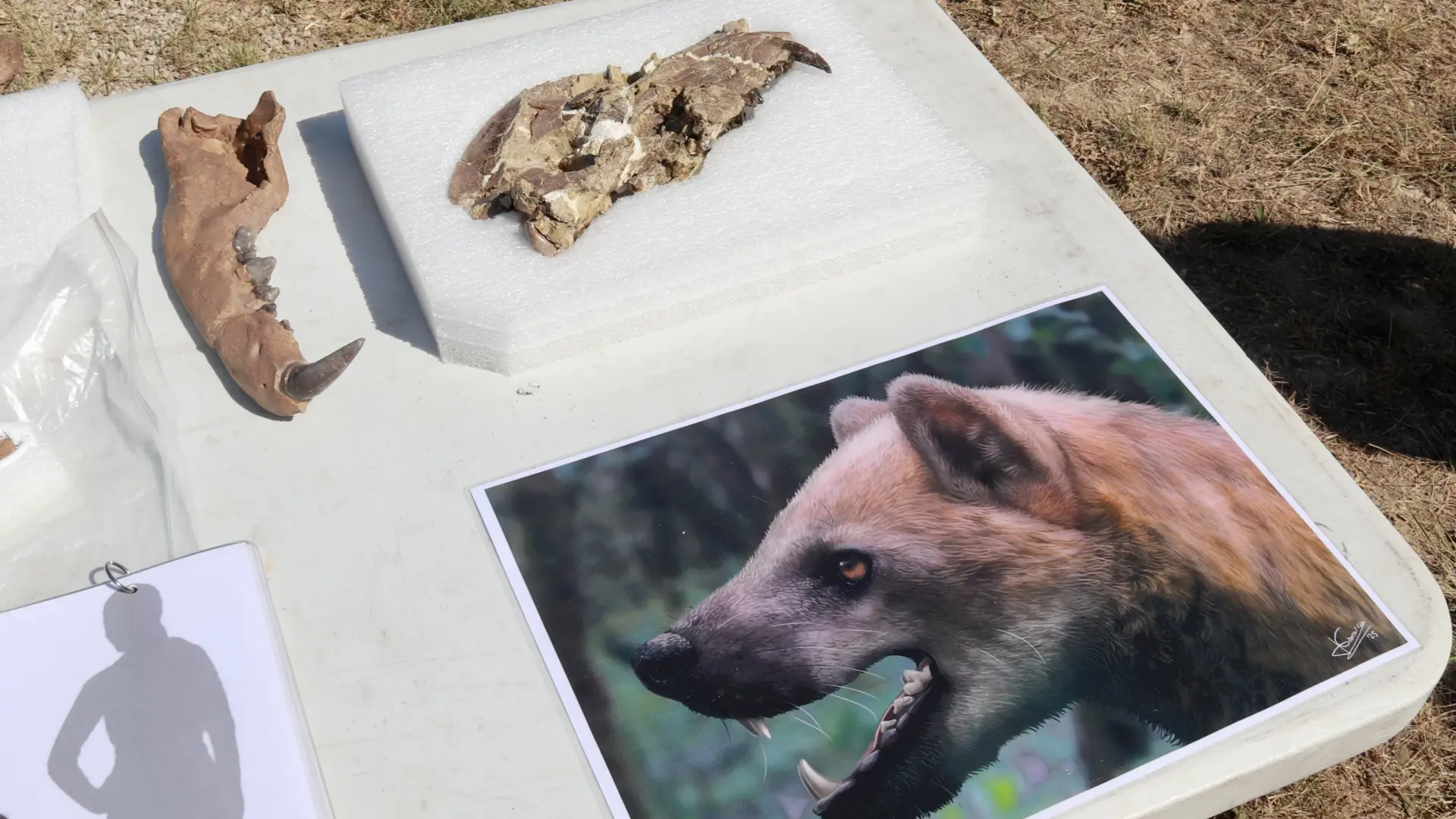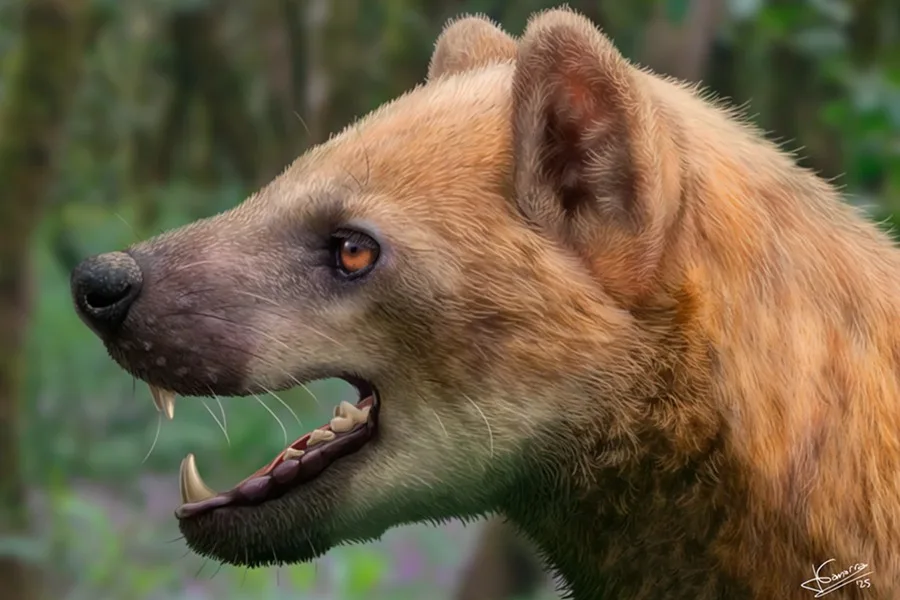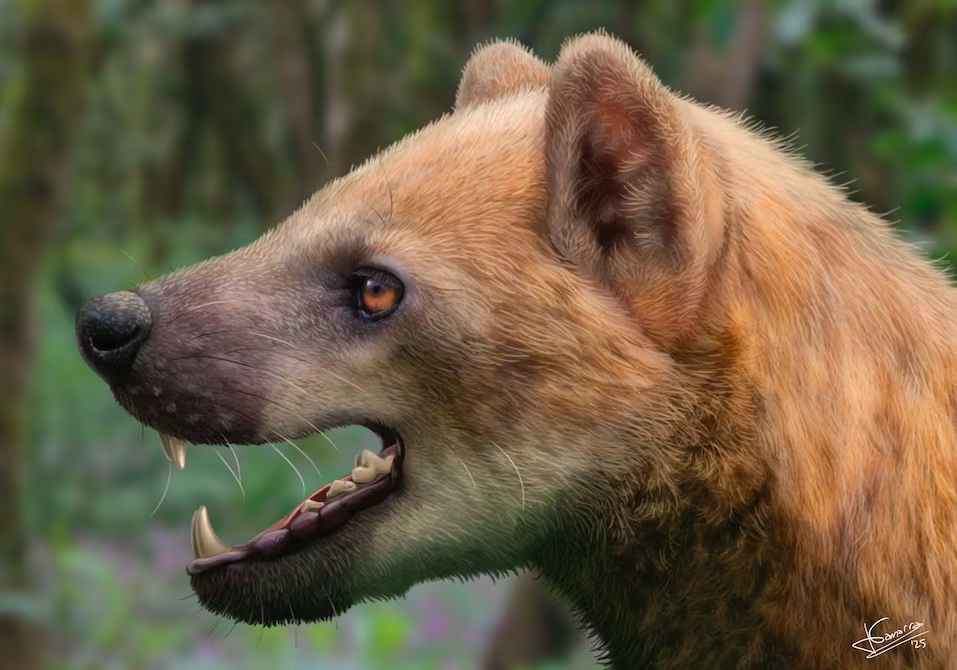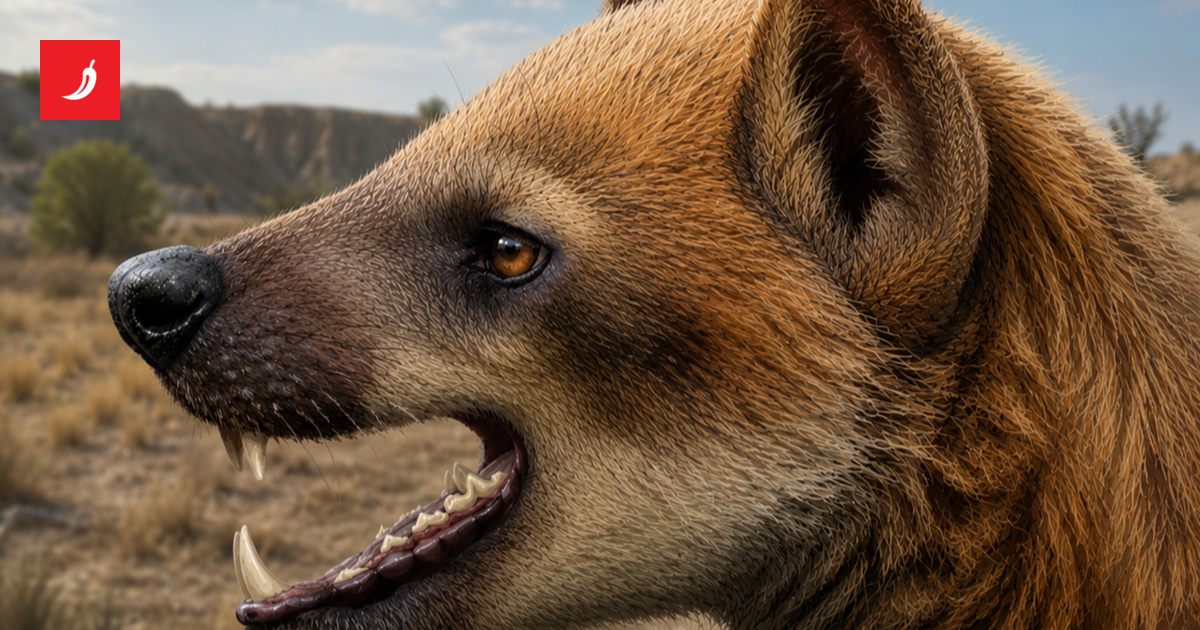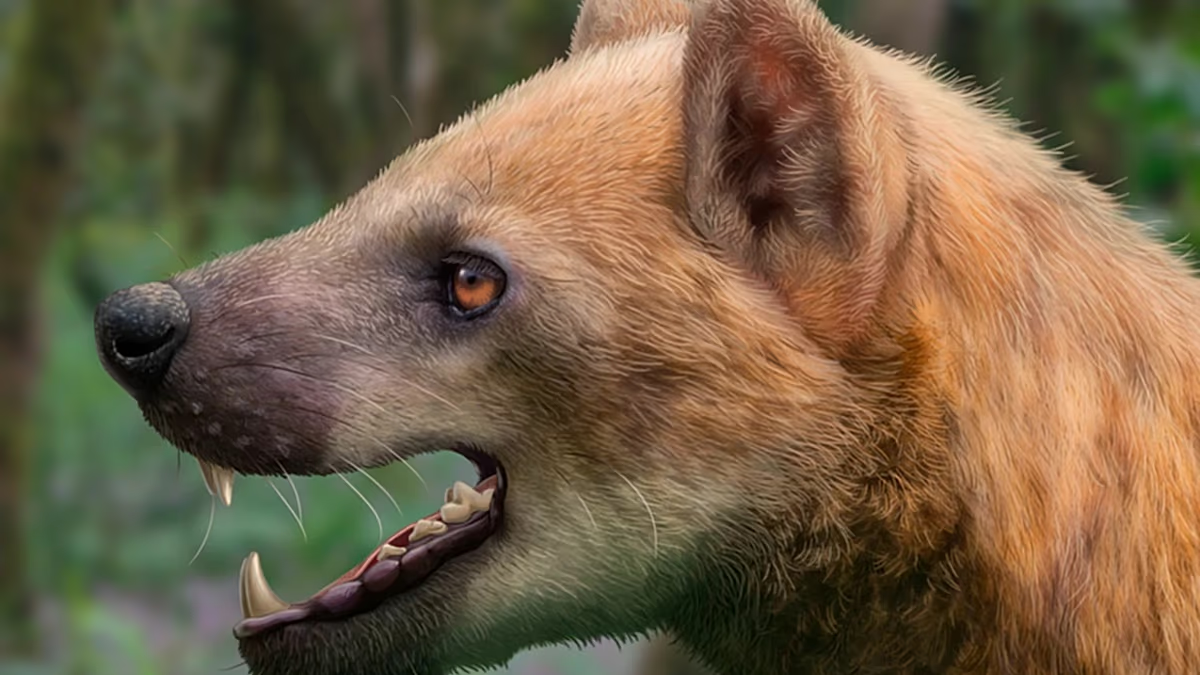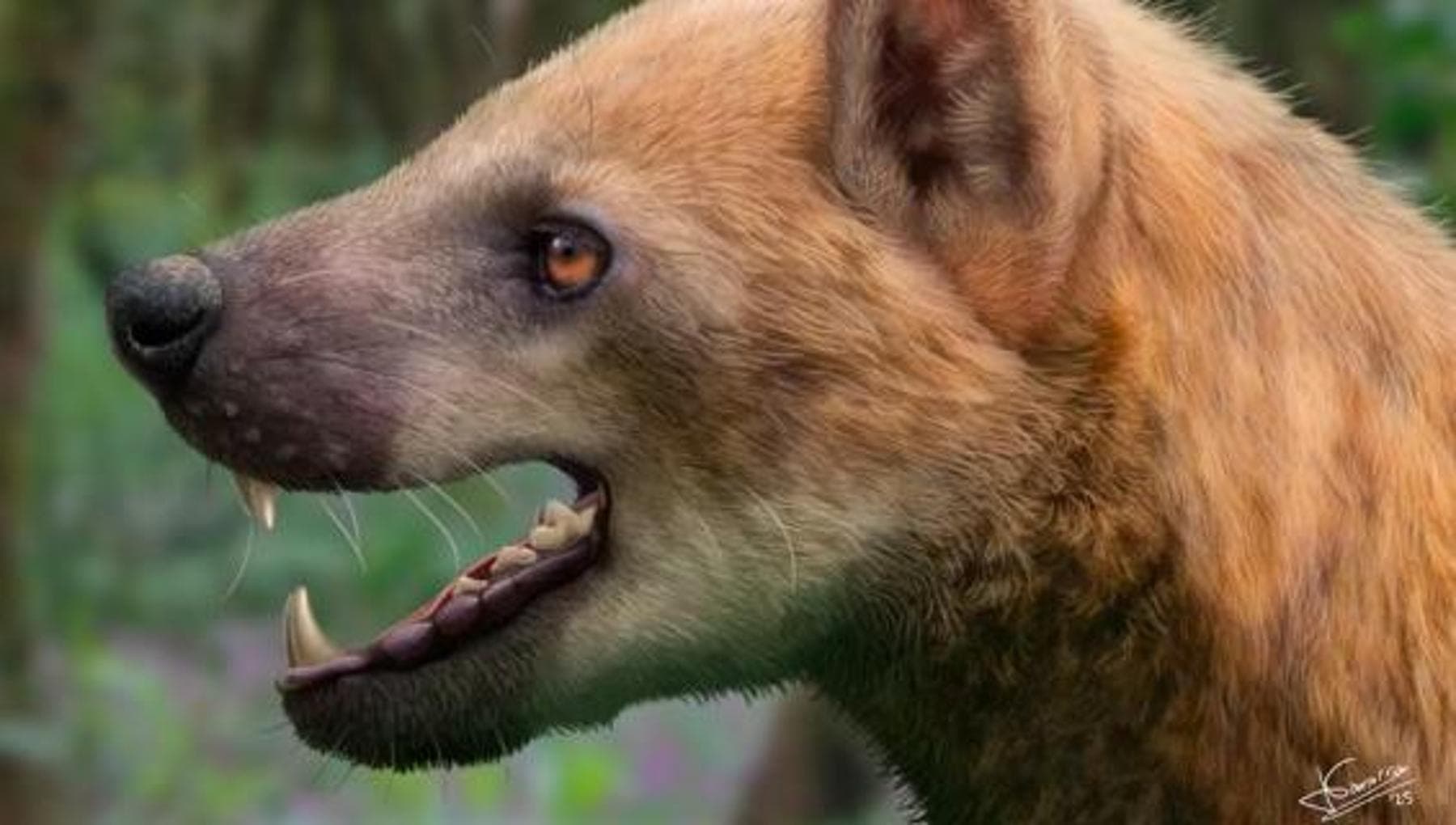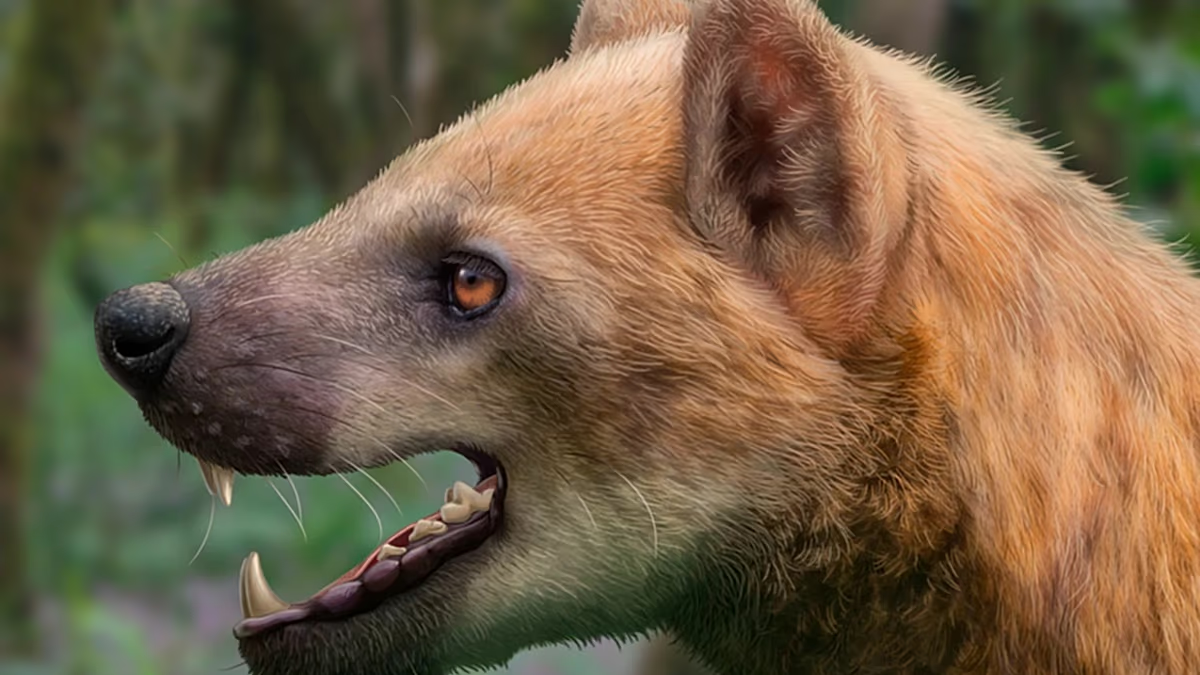
The skull was unearthed in the 1990s during one of the excavation campaigns at Els Casots, the site in the municipality of Subirats (Alt Penedès) that over time has become one of the key Miocene locations in Europe.
At the time, researchers assumed it belonged to an already known specimen of the genus Paludocyon, of which fragmentary remains had been found in the area and in other countries. With nothing new to investigate, the piece was put into storage.
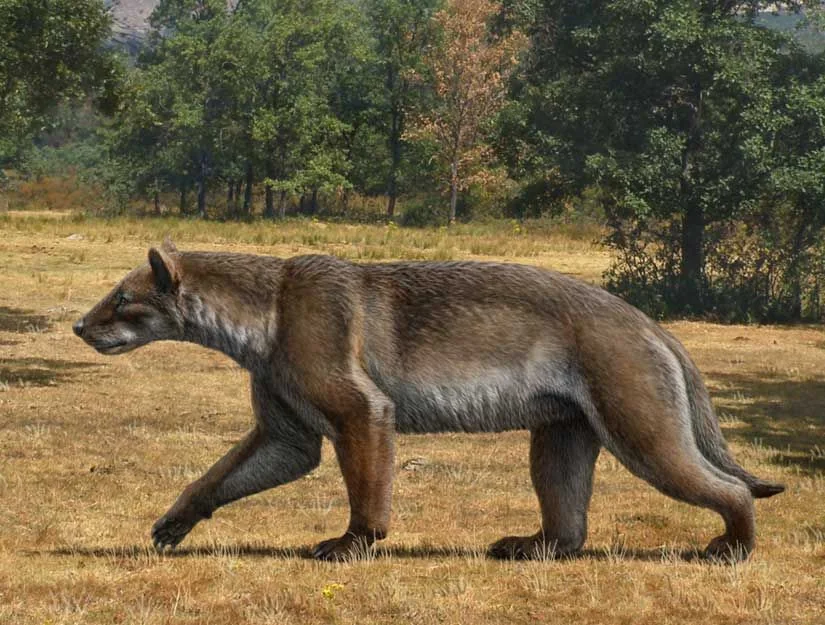
It was not until 2014, in the course of a doctoral thesis, that someone took another look at that skull and realised something did not quite add up. The species it had been compared with was much more robust, roughly the size of a lion or tiger and with a weight close to 200 kilograms.
What they actually had in front of them seemed smaller and probably less muscular. The team at the Institut Català de Paleontologia Miquel Crusafont spent the last two years confirming their suspicion: it was not a known Paludocyon, but a species that no one had described before.
The newly identified species has been named Paludocyon moyasolai, in honour of the palaeontologist Salvador Moyà-Solà, and makes Els Casots the global reference site for this species.