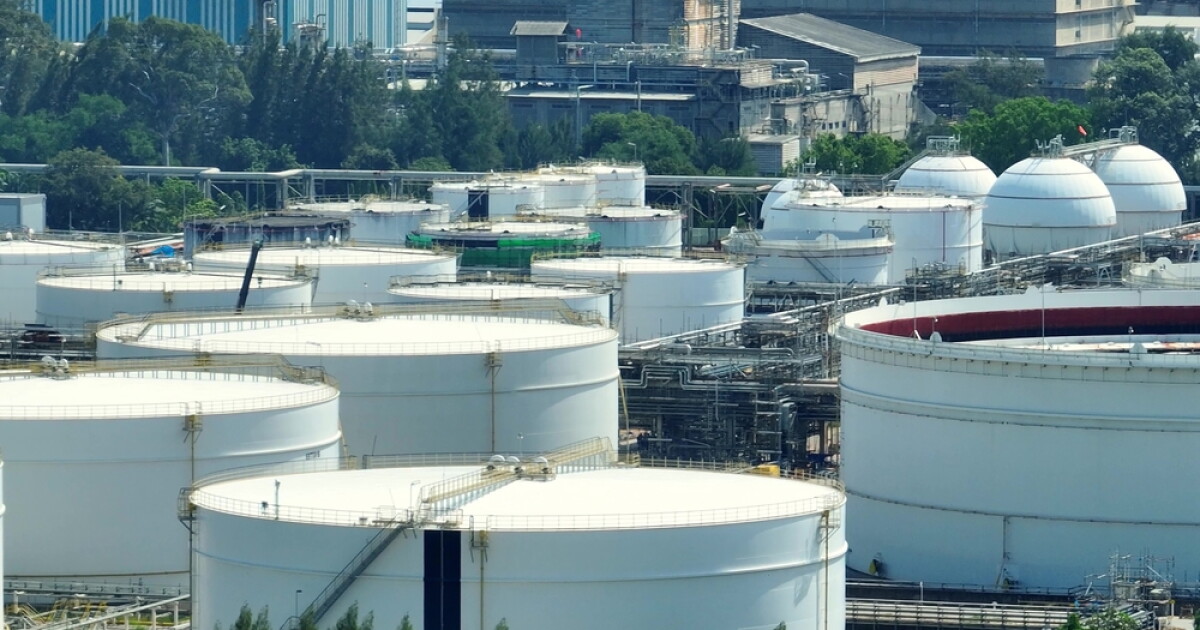
The oil market has experienced a dramatic shift from a supply shock, primarily caused by geopolitical tensions in the Middle East, to a surplus that is raising concerns of a potential global glut. This transformation is reflected in current prices, with Brent crude at $78.44 and WTI at $75.18 as of mid-June 2026. The International Energy Agency (IEA) forecasts indicate a significant rebound in global supply, which could lead to a surplus of 5.05 million barrels per day by 2027. Despite these projections, there is no immediate evidence of a crisis, as physical market indicators like floating storage and inventory levels have not yet shown signs of distress. The Organization of the Petroleum Exporting Countries (OPEC) has reacted by pausing production increases to manage inventory levels, while geopolitical risks continue to loom over the market.
Key Takeaways
Market data suggests fears of a global oil glut are influencing current oil price dynamics and investor sentiment.
Indicators from the IEA forecast a substantial supply rebound that could lead to a significant surplus by 2027, yet immediate physical market stress is not evident.
OPEC’s decision to pause production increases appears consistent with efforts to stabilize the market and prevent excessive inventory build-up.