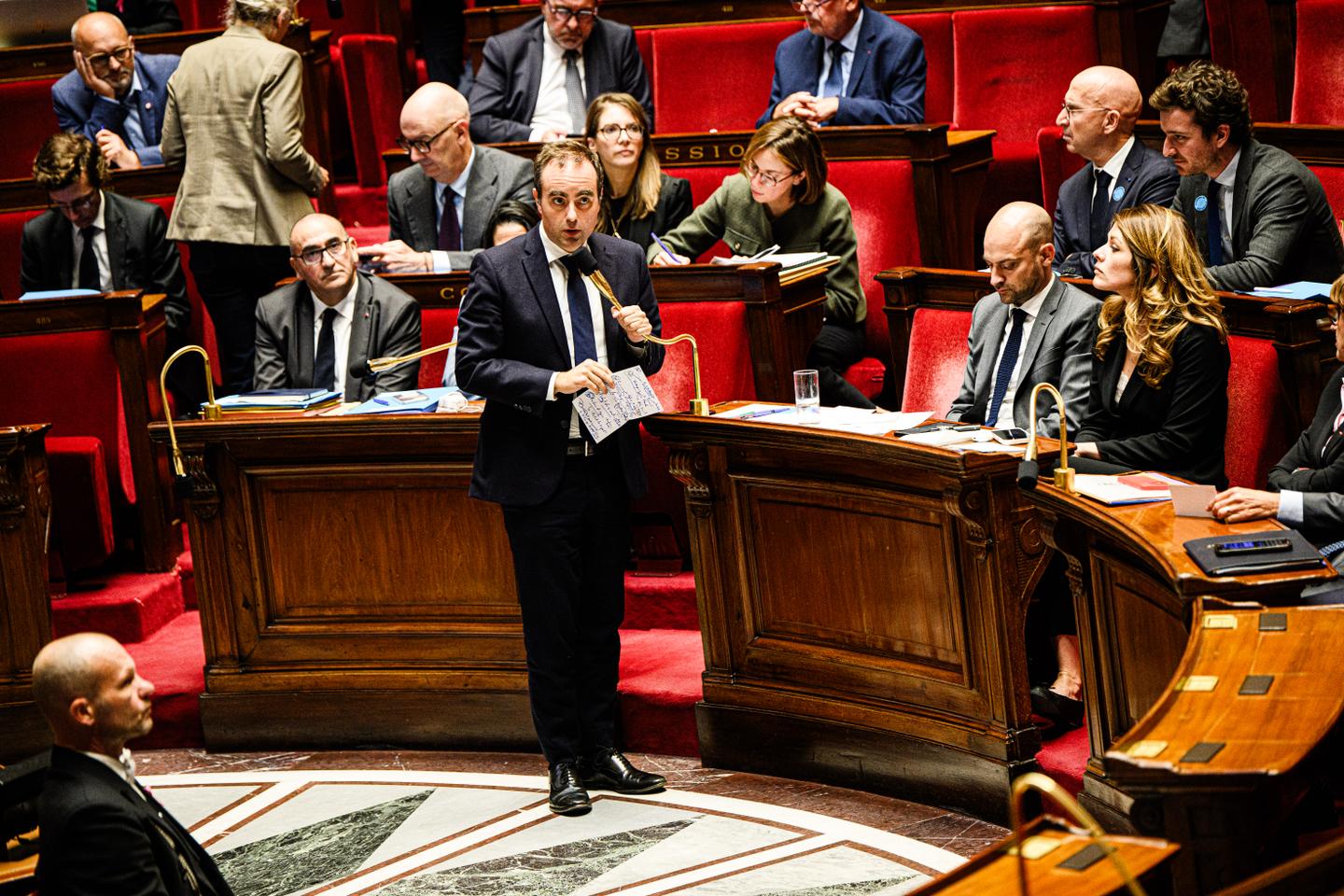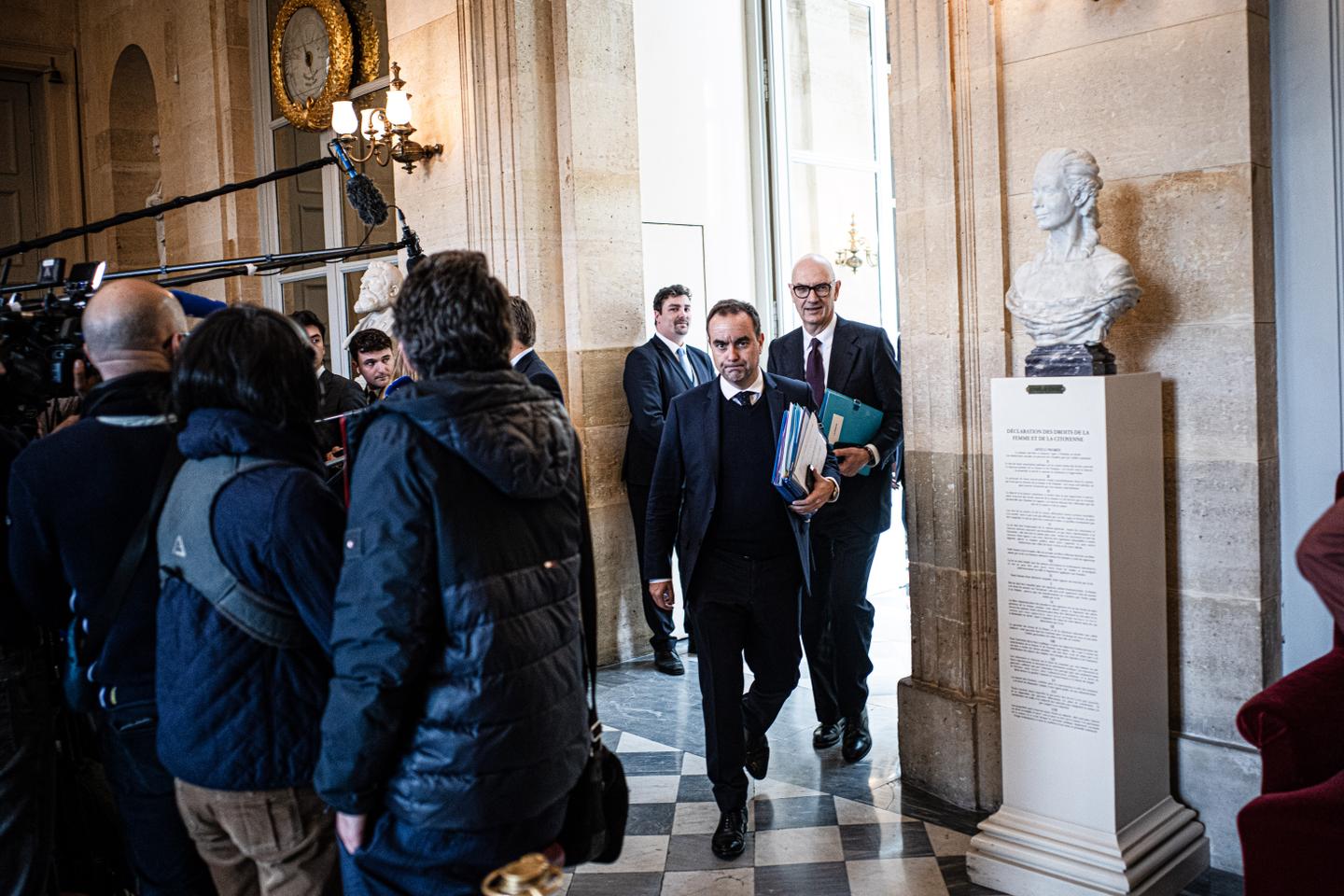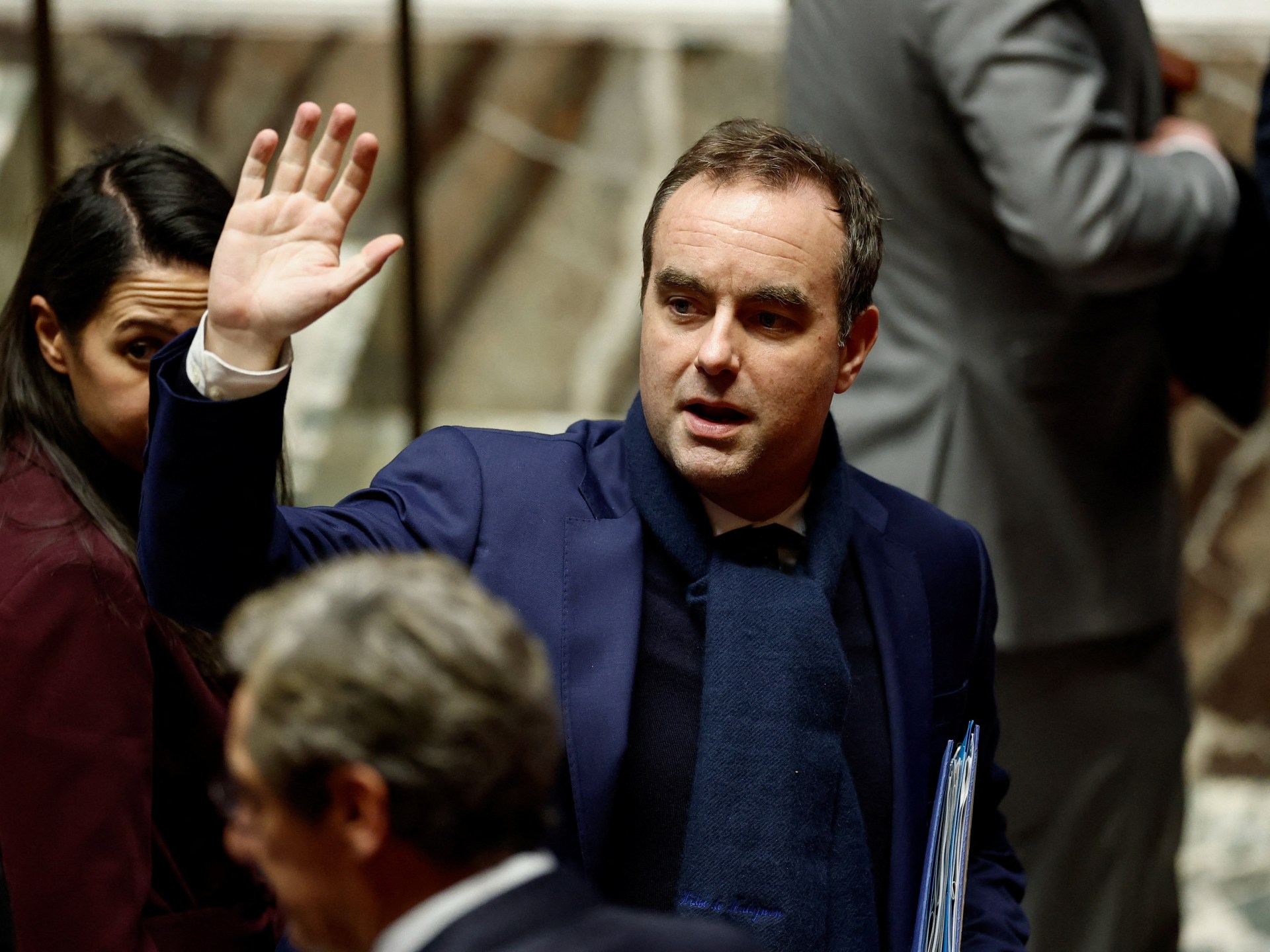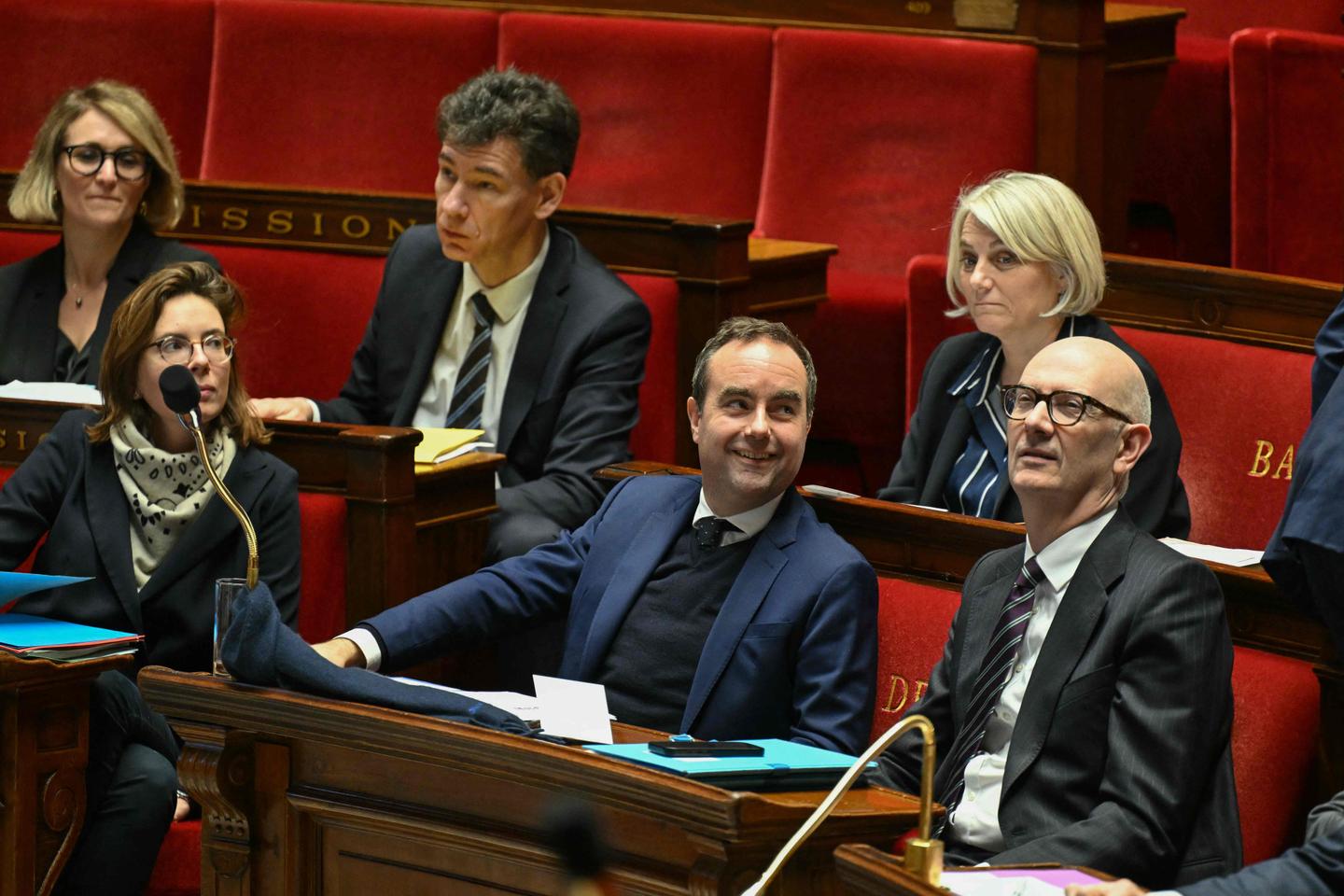
France adopted its 2026 national budget on February 2, 2026, but calling it a clean victory for Emmanuel Macron would be generous. The months-long fight to pass the spending plan was, by most measures, the most bruising fiscal confrontation of his presidency, and it left marks.
The budget did not sail through. Early drafts were rejected outright, triggering high-stakes negotiations that involved no-confidence threats and concessions to parties that Macron would have preferred to ignore entirely.
The government ultimately secured passage by winning over the Socialist Party, and that support came at a price. Key concessions included increased military expenditure and, notably, a freeze on the retirement age, which had been one of the most politically toxic issues in France for years.
The defense budget received a boost of €6.7 billion compared to 2025 levels, equivalent to roughly $7.9 billion. That money is earmarked for specific hardware: a new nuclear submarine and 362 armored vehicles, among other military enhancements.
The fiscal target the government set for 2026 is to bring the deficit down to 5% of GDP, from 5.4% in 2025. That is still a wide deficit by EU standards, and Brussels has been watching. France’s public debt-to-GDP ratio is among the highest in the European Union, a fact that has generated pointed commentary from EU institutions during the budget process.