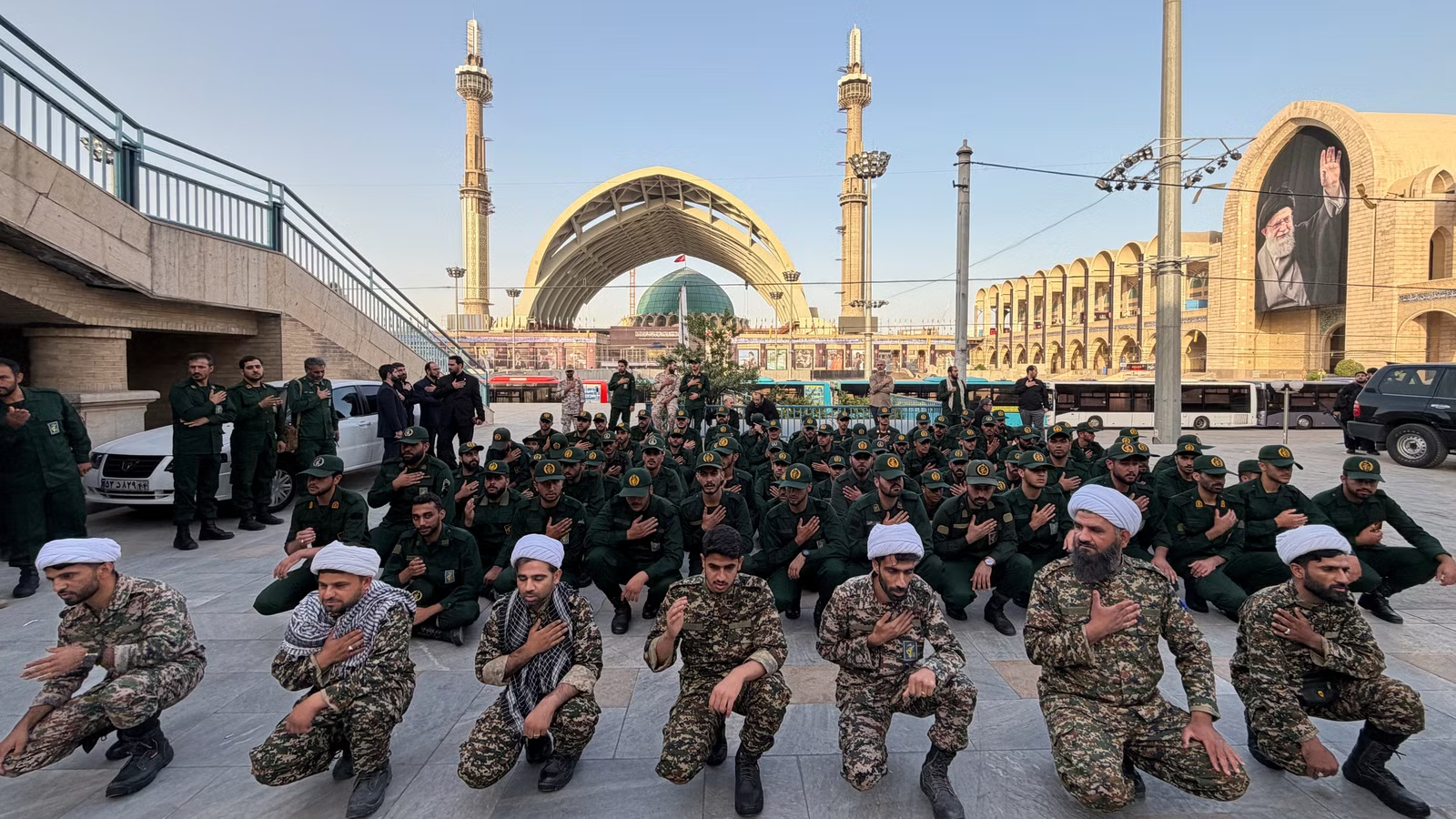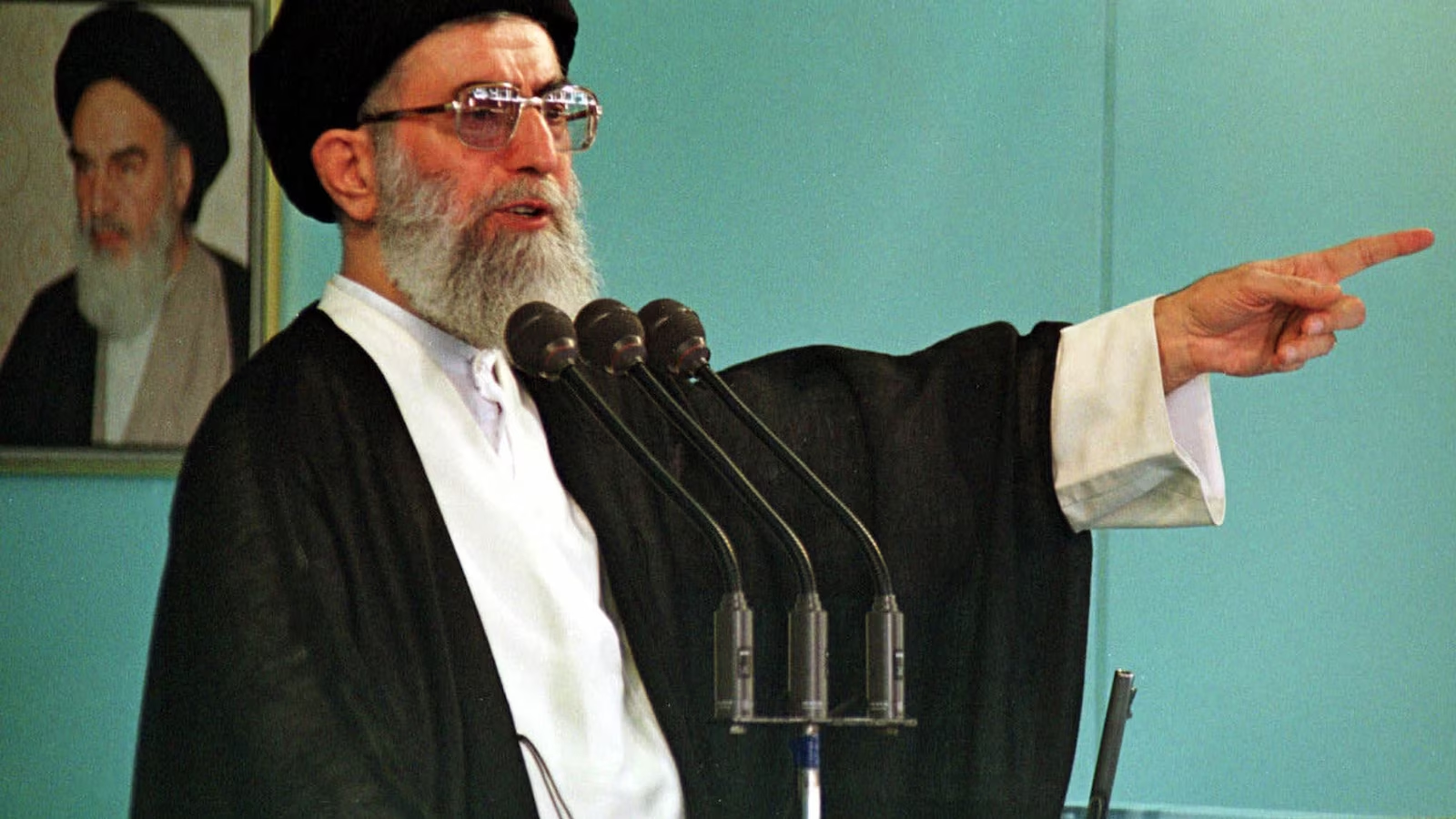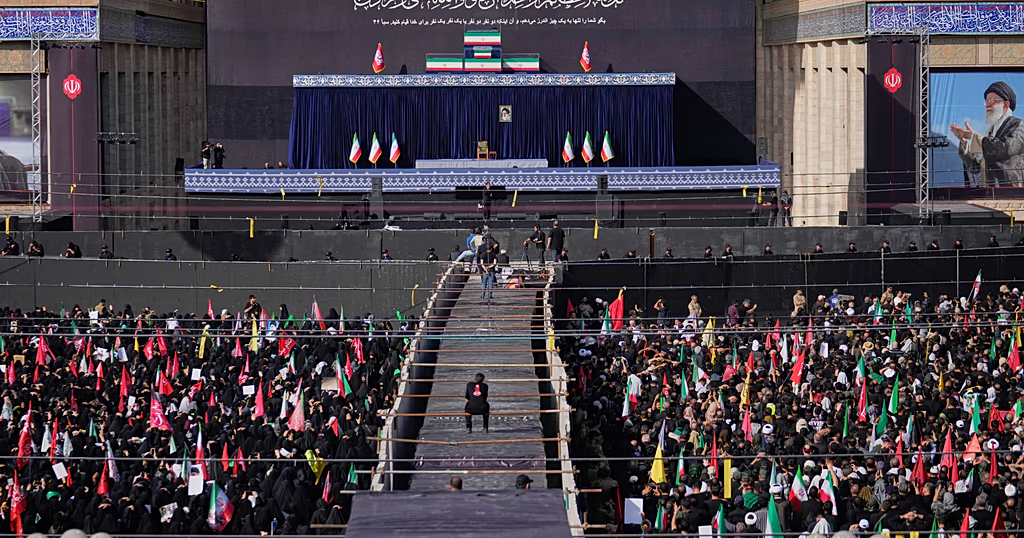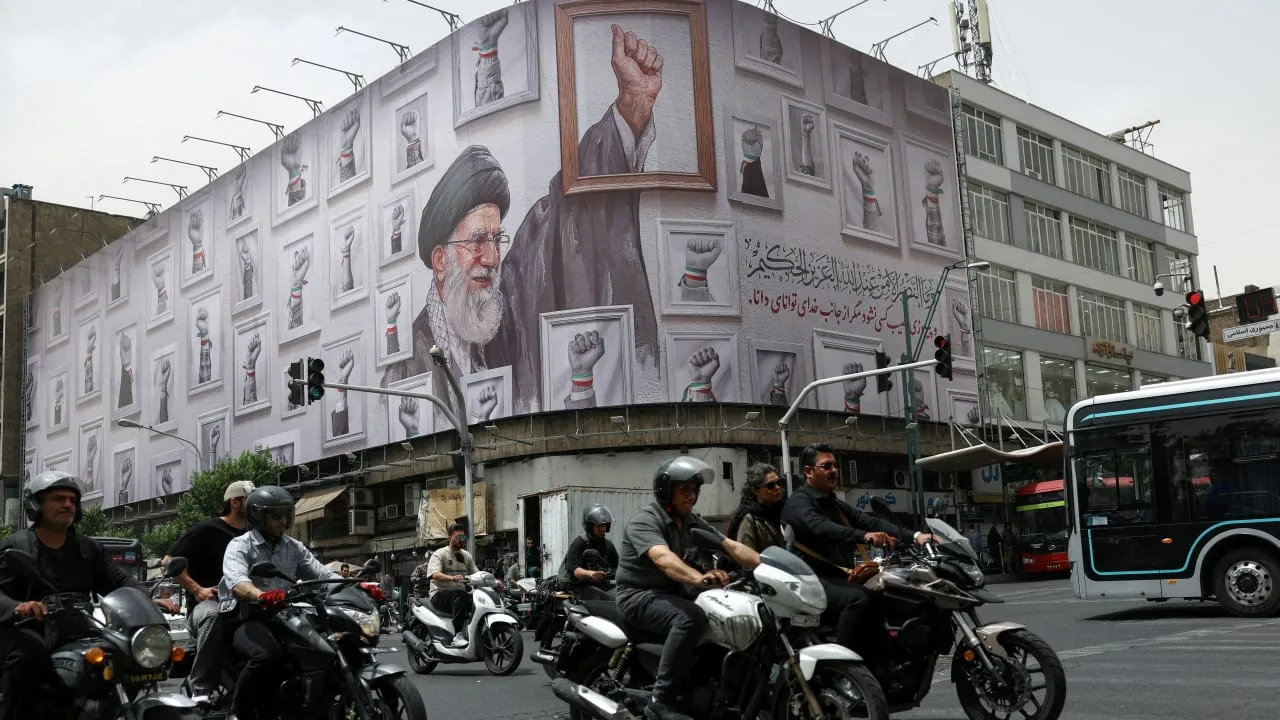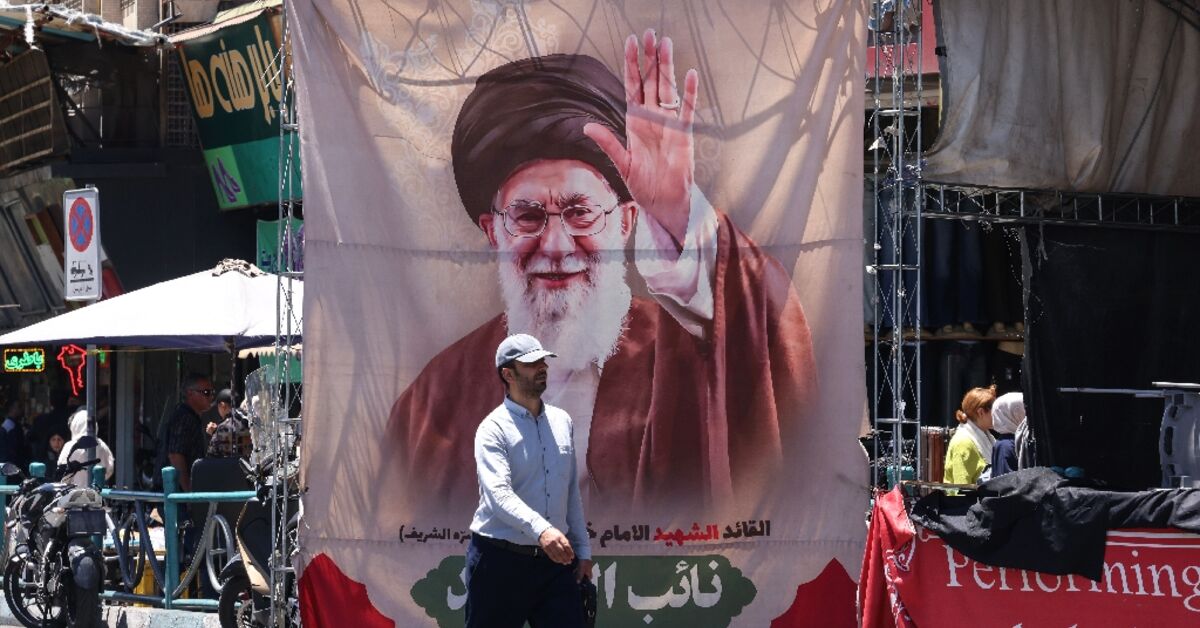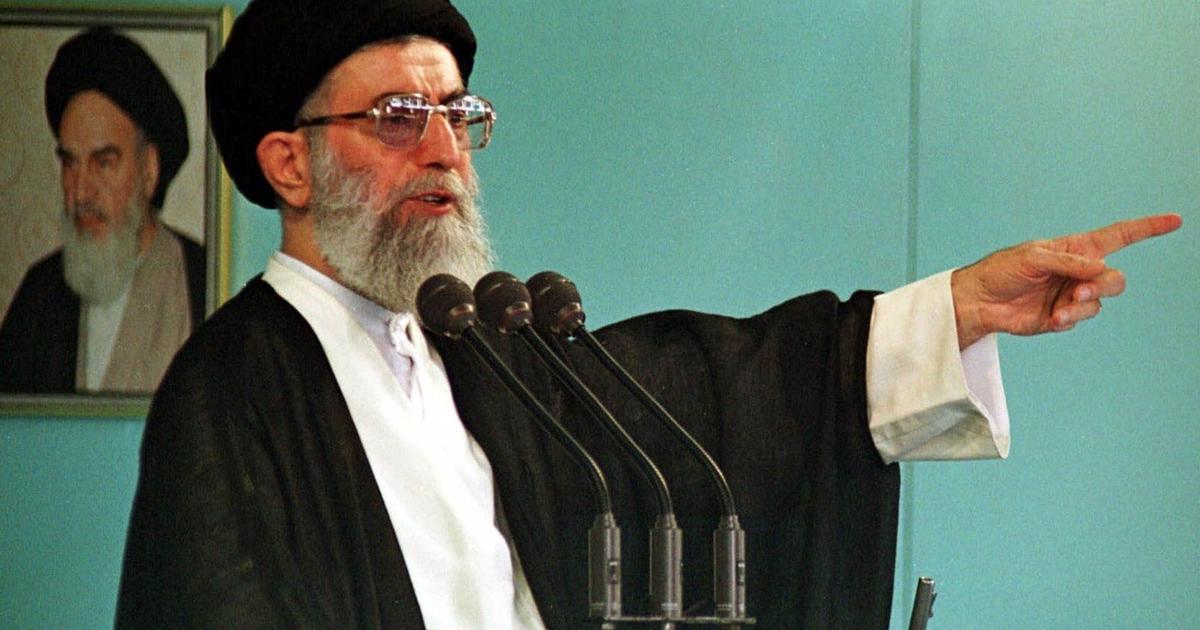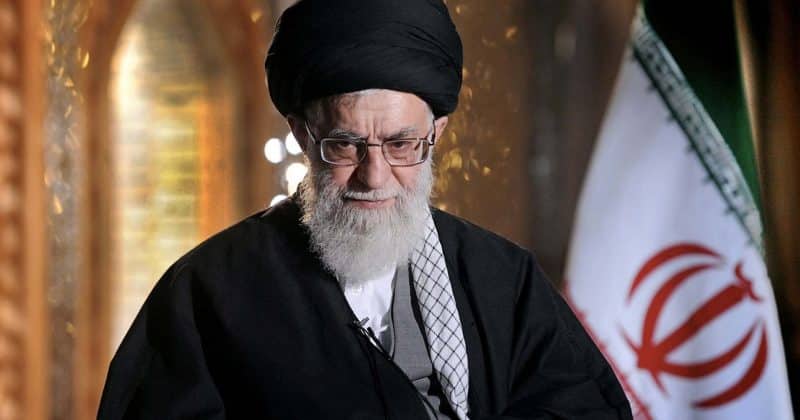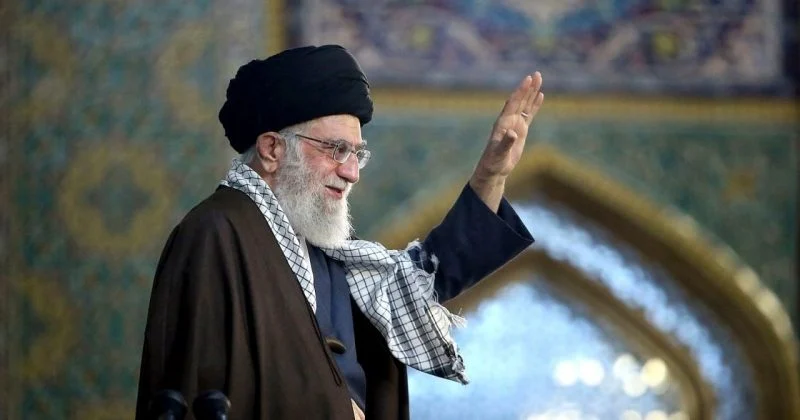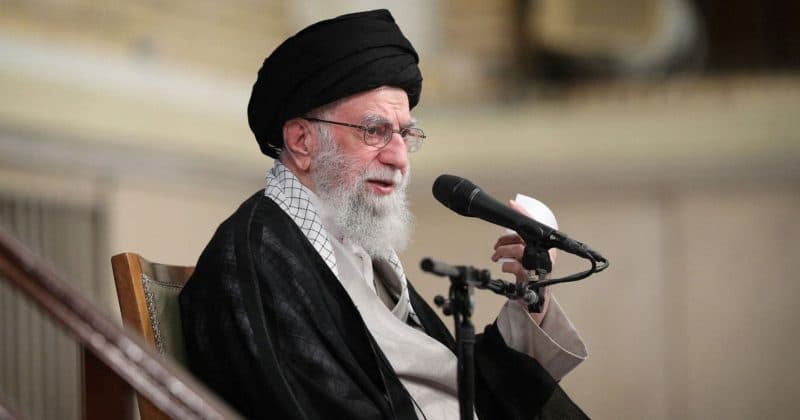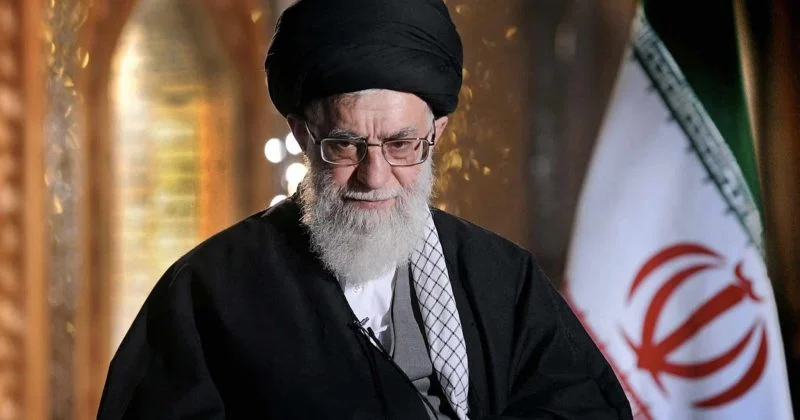
Millions of Iranians are mourning the death of Ayatollah Ali Khamenei, the Supreme Leader of Iran, during a prolonged funeral period. Khamenei was killed in a joint US-Israeli airstrike on February 28, 2026, marking a significant escalation in the conflict over Iran’s nuclear program. The US and Israeli military operations began as negotiations over Iran’s nuclear advancements stalled, particularly concerning uranium enrichment nearing weapons-grade levels. The airstrike, which also resulted in the deaths of several senior Iranian defense officials and civilians, has intensified the geopolitical situation in the region.
The ongoing public mourning reflects the significant impact of Khamenei’s leadership and his death on Iran’s political landscape. The situation has prompted speculation about the stability of the Iranian regime, as markets appear to interpret recent developments as increasing the likelihood of regime destabilization. Current market pricing indicates a decline in confidence regarding the fall of the Iranian regime by the end of 2026, with the probability of such an outcome now priced at 6.5%, down from 8% just 24 hours ago.
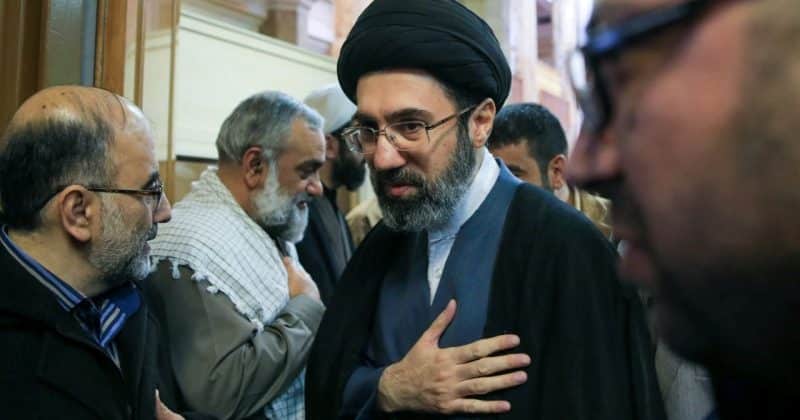
The death of Khamenei and the subsequent geopolitical tensions have contributed to an environment of increased uncertainty in Iran. The appointment of Mojtaba Khamenei as Acting Supreme Leader, amidst the backdrop of military operations and national mourning, adds to the complexity of the situation. The market’s response suggests that participants are closely monitoring the potential for further instability and changes in Iran’s leadership dynamics.