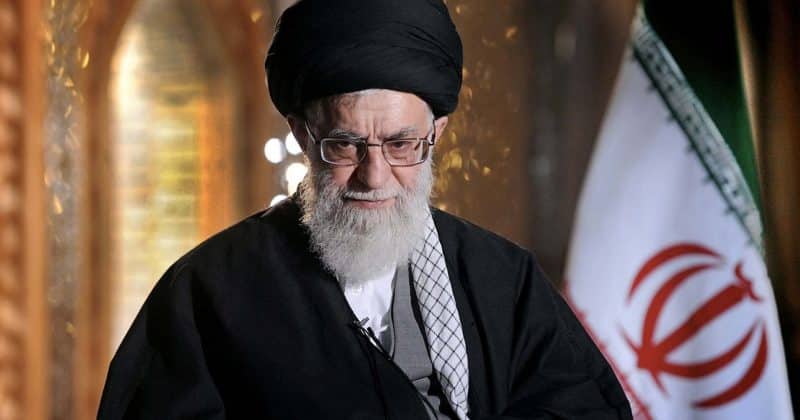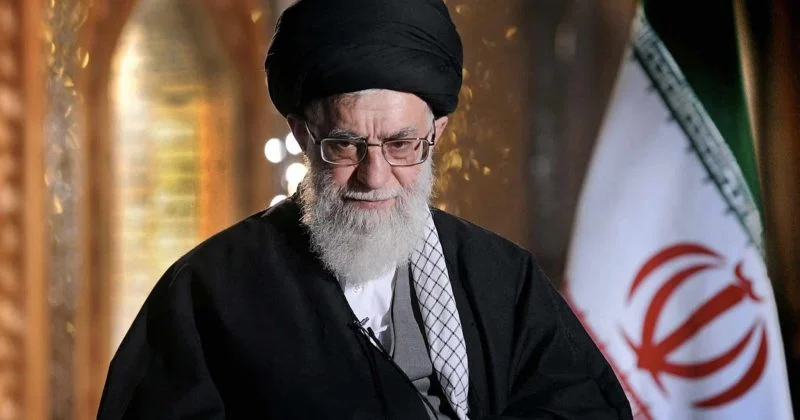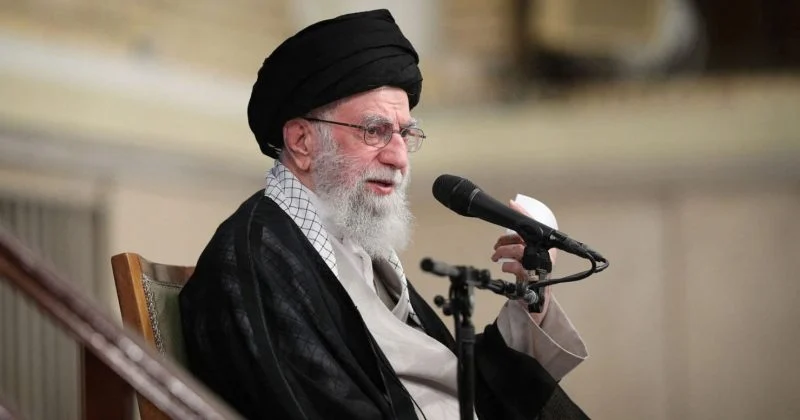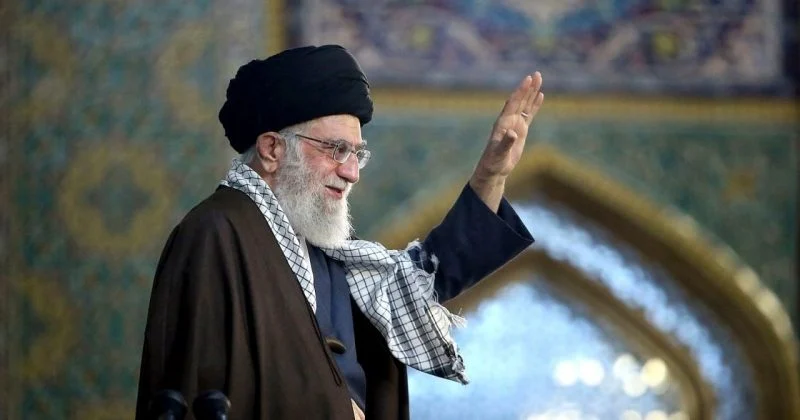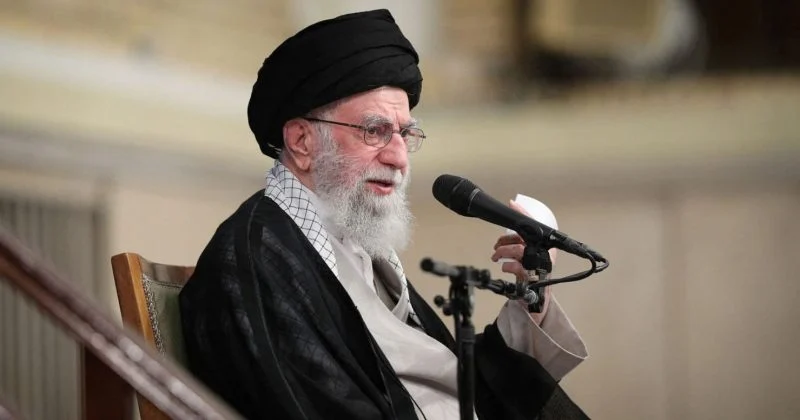
Iran’s Supreme Leader, Ali Khamenei, has been reported as a martyr, leading to widespread mourning across Iran and the broader Islamic community. This comes after Khamenei’s confirmed assassination during a U.S.-Israeli military strike as part of the 2026 Iran War. The national mourning period has seen significant public displays of grief, with many viewing his death as a catalyst for unity and resilience. The political landscape in Iran remains uncertain as an interim leadership council navigates the transition period, with potential implications for the regime’s stability.
The prediction markets have shown mixed reactions to these developments. The market pricing suggests a modest increase in the likelihood of a regime change by the end of 2026, though the probability remains low. The odds for a leadership change by December 31 have slightly decreased, reflecting uncertainty amid the post-martyrdom dynamics and the political maneuverings of key actors such as the IRGC and Mojtaba Khamenei. Markets are closely watching whether mass protests or defections within the military could accelerate a regime shift.
Key Takeaways
The reported martyrdom of Khamenei appears to have increased the perceived risk of regime change in Iran.