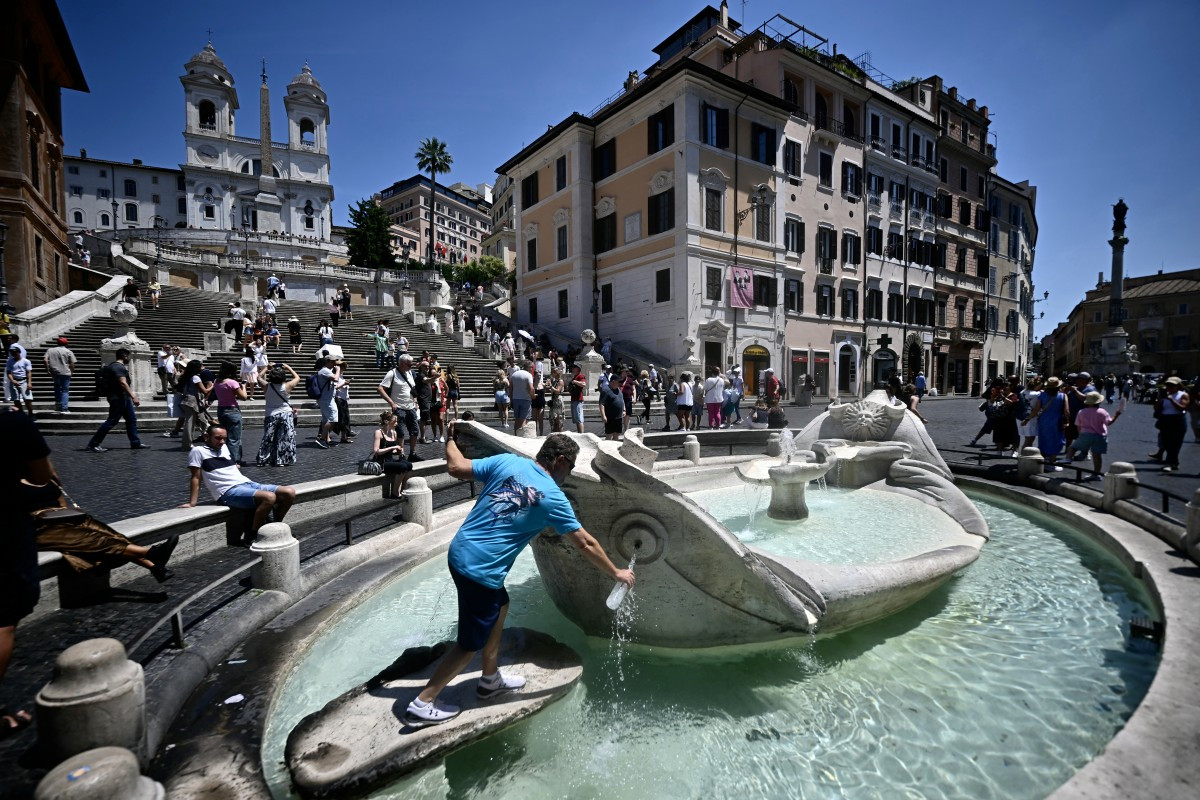
Europe is currently in the grip of a fierce, unrelenting heatwave, with temperatures in several countries surging past 40 degrees Celsius (104 degrees Fahrenheit).This is not simply a matter of discomfort. Extreme heat is a public health emergency. When temperatures climb beyond what the human body can regulate, its cooling systems begin to fail. The most vulnerable – older people, those with chronic illnesses and anyone without reliable access to cooling – bear the heaviest burden.I was in Prague at the height of the heat, when the beautiful city turned into a baroque oven. Like much of Europe, Prague is architecturally designed to conserve warmth through long winters. That same design becomes a liability during prolonged summer extremes. Air conditioning remains uncommon, given the region’s historically modest number of scorching days.I have a surprisingly low tolerance for heat for someone who spent his formative years on a tropical island, and I was surprised to find myself emerging from those two infernal weeks in Prague with both health and sanity intact.So, how did societies in the past develop their own responses to summer’s excesses without mechanical cooling? In premodern China, coping with heat was a well-honed practice, blending material ingenuity with aesthetic and philosophical adaptation.Coolness was not only found in chilled delicacies, clever engineering or escape, but in achieving a sense of peace and balance within oneselfClothing was one of the first lines of defence. Early silk production had already reached extraordinary levels of refinement, yielding fabrics so light they seemed almost weightless.
Reflections | As Europe bakes, how people in China kept cool before air conditioning
As temperatures soar, our columnist takes his cue from premodern Chinese, who used clothing, food and even a Chinese mantra to beat the heat.
252 words~1 min read