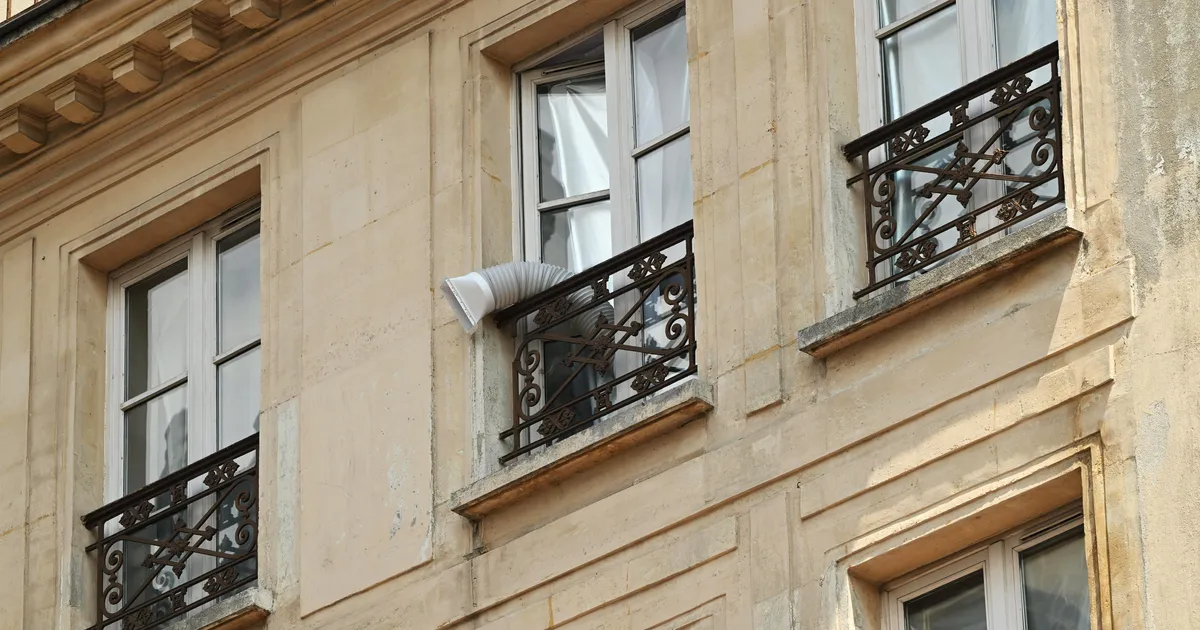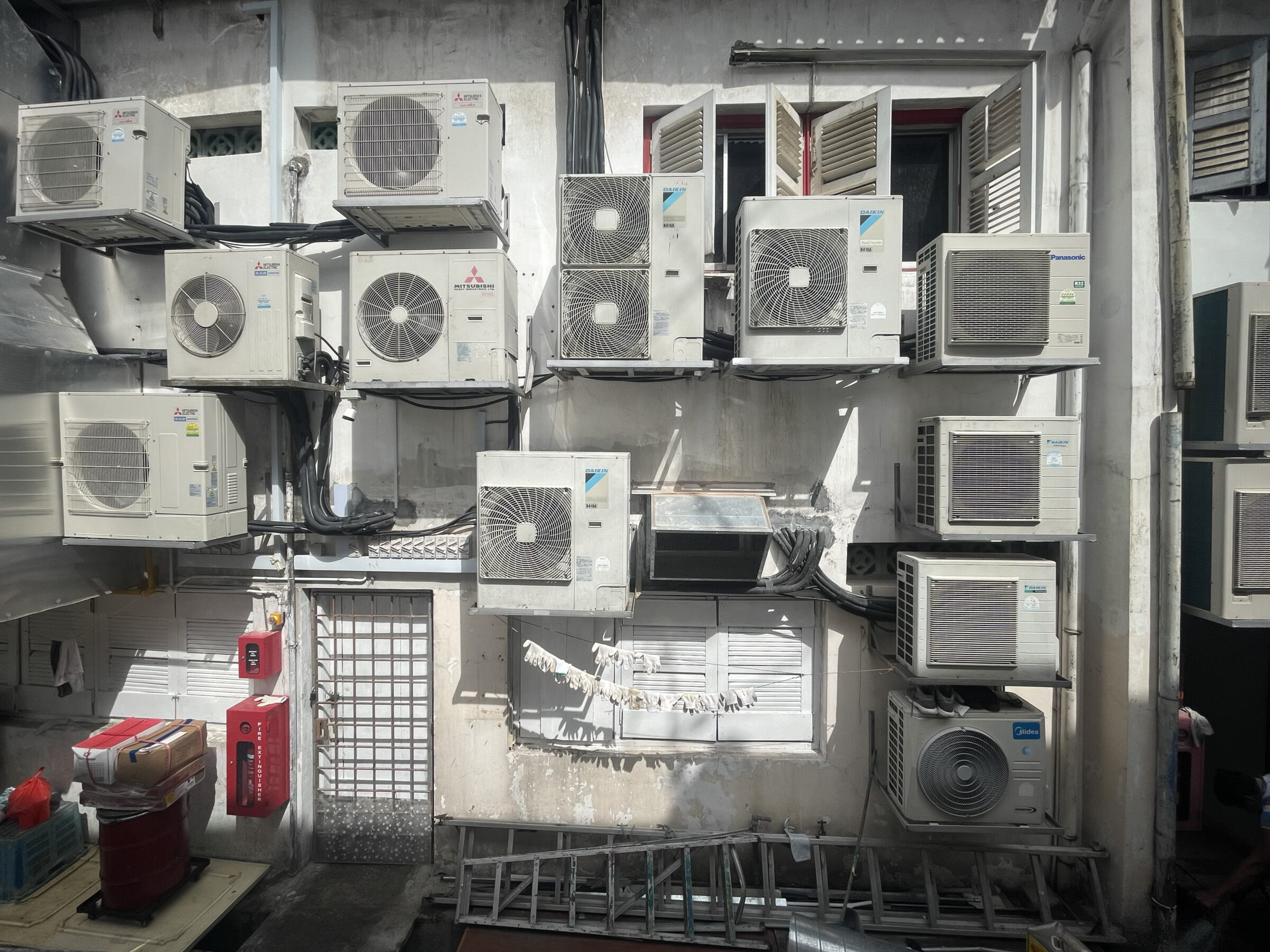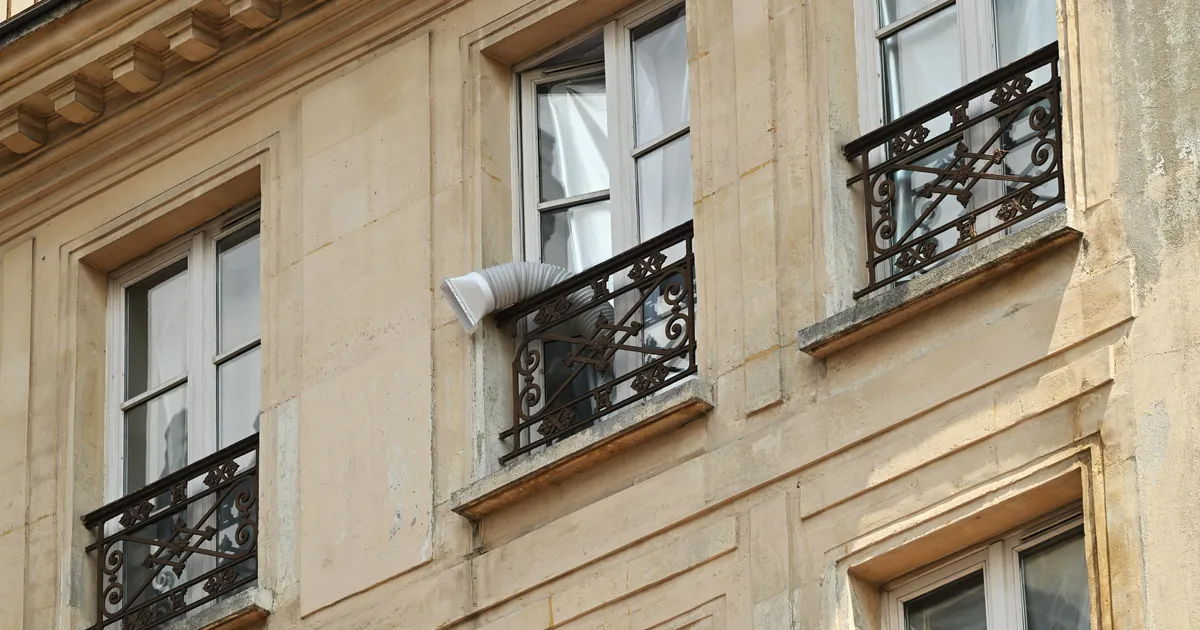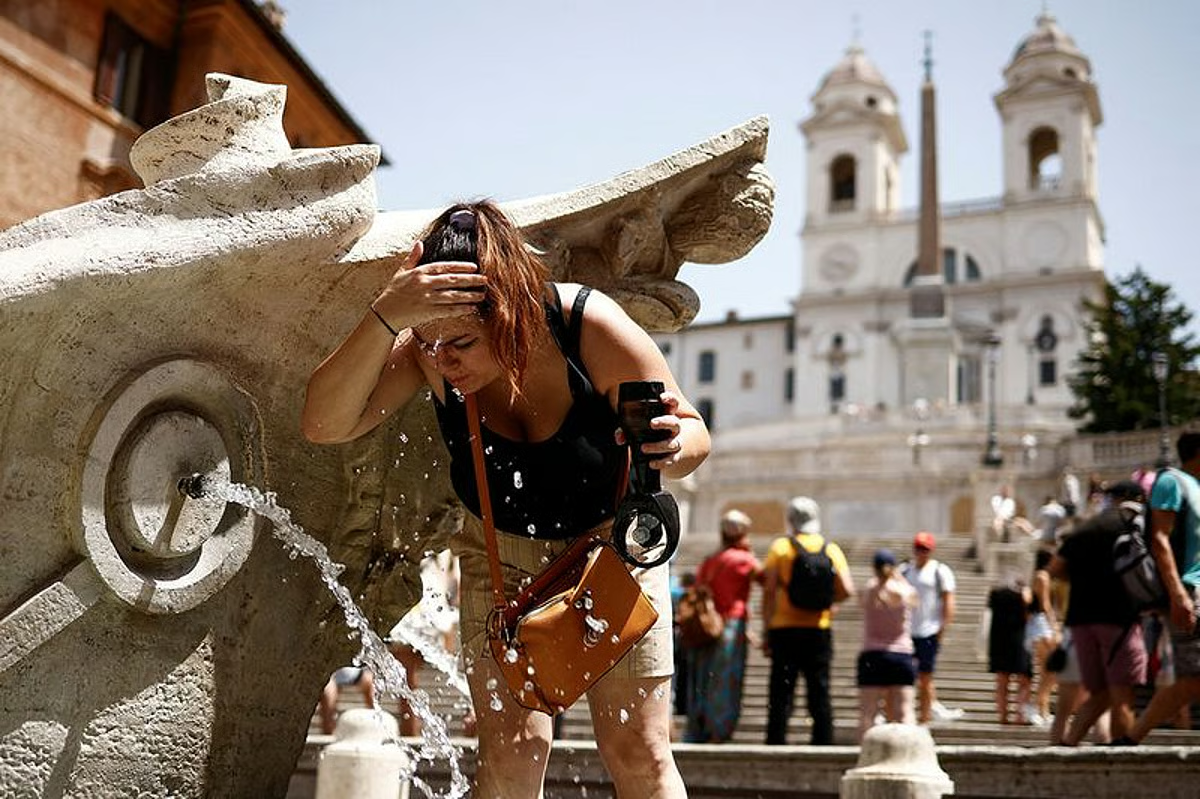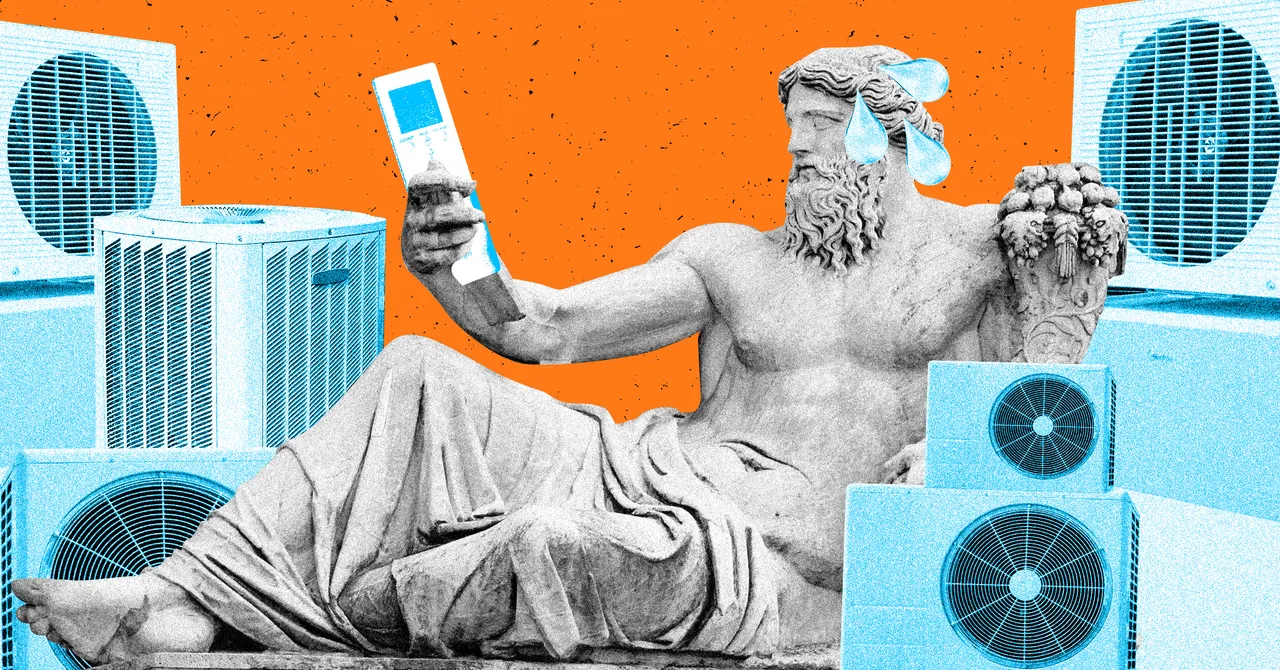
As a heat wave bakes the continent, decades of architecture, the approach to discomfort and norms that kept ACs out of homes are starting to give way Europe is sweltering. France recorded its hottest day since record-keeping began in 1947 and temperatures crossed 40°C in large parts of Spain, Italy and Germany. Schools across France, Belgium and the UK have shut. Rail operators cancelled services because overhead power lines sag and tracks can buckle in extreme heat, and hospitals such as the Frédéric-Henri Manhès facility near Paris have turned their air-conditioned waiting rooms into informal wards for patients who could not cope with the heat in their own houses.Europe is grappling with a severe heatwave as temperatures reach record highs, prompting health warnings and disruptions. (REUTERS)The heat wave, caused by a ‘heat dome’ effect that has trapped warm air over the continent, has been linked to hundreds of deaths even as authorities say the full scale of the toll is still to be known.Yet, despite years of warnings about heat waves getting more frequent, a wealthy Europe has been reluctant to adopt air conditioning. According to the International Energy Agency (IEA), barely one in five houses in Europe has any form of air conditioning, compared to around 90% in the US.A cold continentThe most basic reason for low adoption of air conditioning comes down to climate. Until recently, large parts of Europe simply did not need to cool down.Historically, European cities have not seen prolonged extreme heat, so building codes across the bloc evolved only to keep the warmth in during harsh winter months. That legacy now works against European homes. Older buildings, with their thick walls and small windows, were built to hold heat in, useful in the winter but a liability in a 40°C June. Newer apartment blocks, experts say, were often shaped by daylight and energy-efficiency rules that rewarded large glazed facades with little thought for summer heat gain. These glass towers essentially become greenhouses in extreme heat.Europe, according to assessments by the World Meteorological Organization and Copernicus Climate Change Service, is the fastest warming continent on the planet, heating up nearly twice the global average rate.A woman uses a fan to shelter from the sun outside the Colosseum during a heatwave in Rome, Italy. (REUTERS)Also Read: Europe is ‘melting’: Record-breaking heatwave shuts schools, leaves thousands without power | Top pointsPermissions and costsHouseholds willing to install AC units often hit a wall, literally.A standard split-air conditioner unit, the kind commonly used in Indian households, needs an external condenser, usually bolted to a building’s facade.Across European cities, though, that requirement runs into a thicket of heritage and aesthetic rules.The director of a UK-based installation firm told CNN that authorities in Britain often reject applications because an outdoor unit’s look may not align with the aesthetics of a conservation or heritage area.In Paris, similarly, heritage rules generally bar residents from drilling into historic facades to fit AC units. The French capital is widely regarded as having some of the most complicated air conditioning permission rules anywhere.If permits aren’t hurdles, the price tag can become one. Fitting a unit in Europe can cost more than €1,000, Chinese manufacturer Midea told CNN, putting it beyond many household budgets.This cost would then sit on top of Europe’s already-high power prices, especially for industries, which are charged more. A user of a portable AC unit, which costs a few hundred pounds, told BBC he had to spend about 22 pence an hour, or 5 pounds a day, if the air-conditioning was on.The greener alternative, an air-to-air pump that heats in the winter and cools in the summer, typically costs £4,000 to £10,000 to install, even with a government grant of up to £7,500, the BBC reported. For lower-income households, this math has long favoured enduring a few uncomfortable weeks over shelling out as much for air conditioning.Another European oddity is that air-conditioning has been a topic of political divisions.Further complicating this equation is the European Union’s broader Emissions-cutting programme, which has set limits for hydrofluorocarbons (HFCs) – powerful greenhouse gases – allowed in the bloc, and targets to phase them out.Politics, differences in approach & environmentAnother European oddity is that air-conditioning has been a topic of political divisions.Far-right leader Marine Le Pen has called for a nationwide air conditioning push in France, saying: “The kind of extreme heat we're experiencing, it kills people.” But her Left rival Jean-Luc Mélenchon called the idea misguided and warned that installing cooling units everywhere would deepen the problem of the climate crisis.The debate, though, isn’t a simplistic Right vs Left position.Calls for wider access to cooling, advocacy group Shade the UK notes, can come from the political left as a public-health and equity issue, just as easily as it can come from pro-growth conservatives citing comfort and productivity. Similarly, resistance to household AC units can spring from a conservative instinct to protect heritage buildings as well as from environmentalist concern over greenhouse gas emissions.French climatologist Christophe Cassou told AFP that reducing the question to a simple for-or-against vote on air conditioning lets politicians claim to be adapting to climate change without confronting harder questions about agriculture, power generation and how cities are designed.When politics are not partisan, unease about using air conditioners runs deep in Europe.Thomas Chatterton Williams, in a piece for The Atlantic titled ‘The Overlooked Reason Why Europe Doesn’t Have AC’, pointed to a difference in cultural approach between Europe and the US.Americans, Williams wrote, treat temperature and physical discomfort as “challenges to be fixed rather than states to be endured”. For Europeans, though, the “ubiquity” of air conditioning in the US is viewed as "profligate and pampered”. He added, “These are the people who still carry within them memories of war, occupation, and stretches of extreme privation.”Environmental concerns, then, can be perceived as part of this unease. Eight in 10 people in France see air conditioning as bad for the environment, according to a survey of more than 1,000 respondents cited by AFP.That instinct is not irrational. Cooling accounts for roughly 7% of global electricity demand, the IEA has estimated. Data by the European Commission’s Eurostat also shows that the energy used to cool buildings across the EU jumped by more than 15% in 2024 compared to the year before, even as heating energy use fell, DW reported.But the climate cost of an air conditioner depends heavily on what powers it. France, for instance, draws nearly 70% of its electricity from nuclear plants, so running a unit there would do little environmental harm compared to using one in an area that derives electricity from fossil fuels.A shift is occurringAll the reasons for Europe’s reluctance and adoption of air-conditioning are altering rapidly, simply because heat waves are not a thing of the future.Supermarket chain Carrefour said it sold 30,000 cooling units in a single afternoon last week, roughly a thousandfold jump over a typical day. Amazon’s sales of ACs nearly doubled over the same period last year. AC manufacturers Samsung, Midea and Mitsubishi Electric all reported sales surges across France, Spain, the UK, and Germany, with shipments to Spain and France up 108% this May, compared to the same period the year before.An IEA projection estimates that the number of air conditioning units in the EU could more than double from 2019 levels to roughly 275 million by 2050. France has pledged €80 million to fit schools and nurseries with cooling equipment, and the state of Berlin last November passed its first heat action plan.Researchers, though, have warned against relying only on air-conditioning to beat the European heat.A 2020 study in the journal Environmental Research Letters, led by Vincent Viguié of the French research institute CIRED, found that air conditioning units can make conditions on the streets outside worse. “On average, the duration spent under high heat stress conditions in the streets is increased by about 20 minutes per day because of AC,” its modelling for a Parisian area found.A more recent CIRED simulation of a dense Lyon neighbourhood found that facade-mounted units alone could push local outdoor temperatures up by as much as 1.75°C, AFP reported.Accordingly, experts say, cities need to take holistic approaches: air conditioning may still be necessary, but urban settlements need to build up more area under greenery and turn to advanced engineering for infrastructure. The older toolkits -- such as the use of shutters on windows and doors to block sunlight, insulation and ventilation -- must also remain in the plans being conceived.Follow the latest breaking news and developments from India and around the world with Hindustan Times' newsdesk. From politics and policies to the economy and the environment, from local issues to national events and global affairs, we've got you covered.Read MoreSee Less
Air conditioning is controversial in Europe. Culture & political wars, architecture, norms and costs are behind it
As a heat wave bakes the continent, decades of architecture, the approach to discomfort and norms that kept ACs out of homes are starting to give way | World News
1,454 words~7 min read