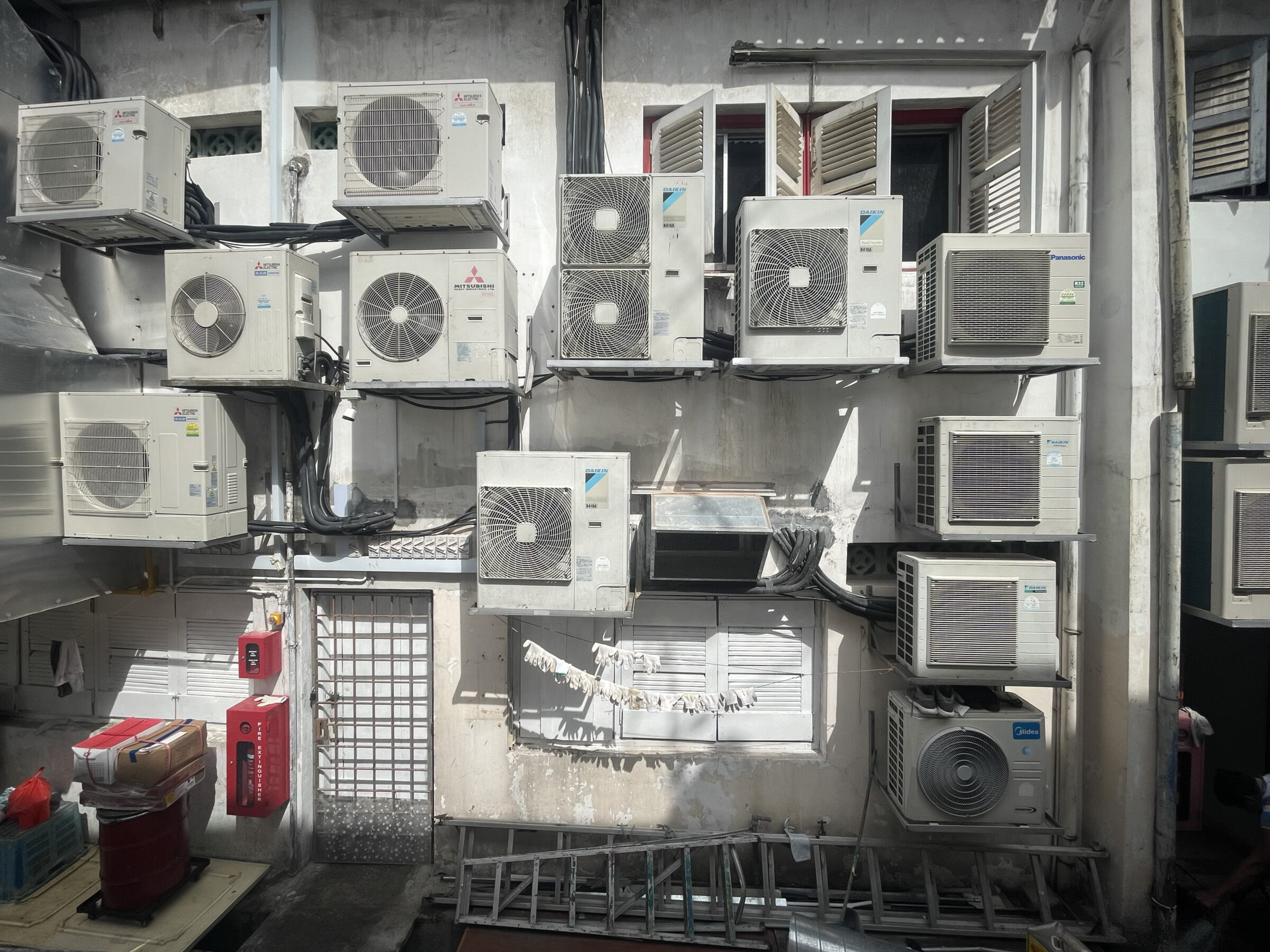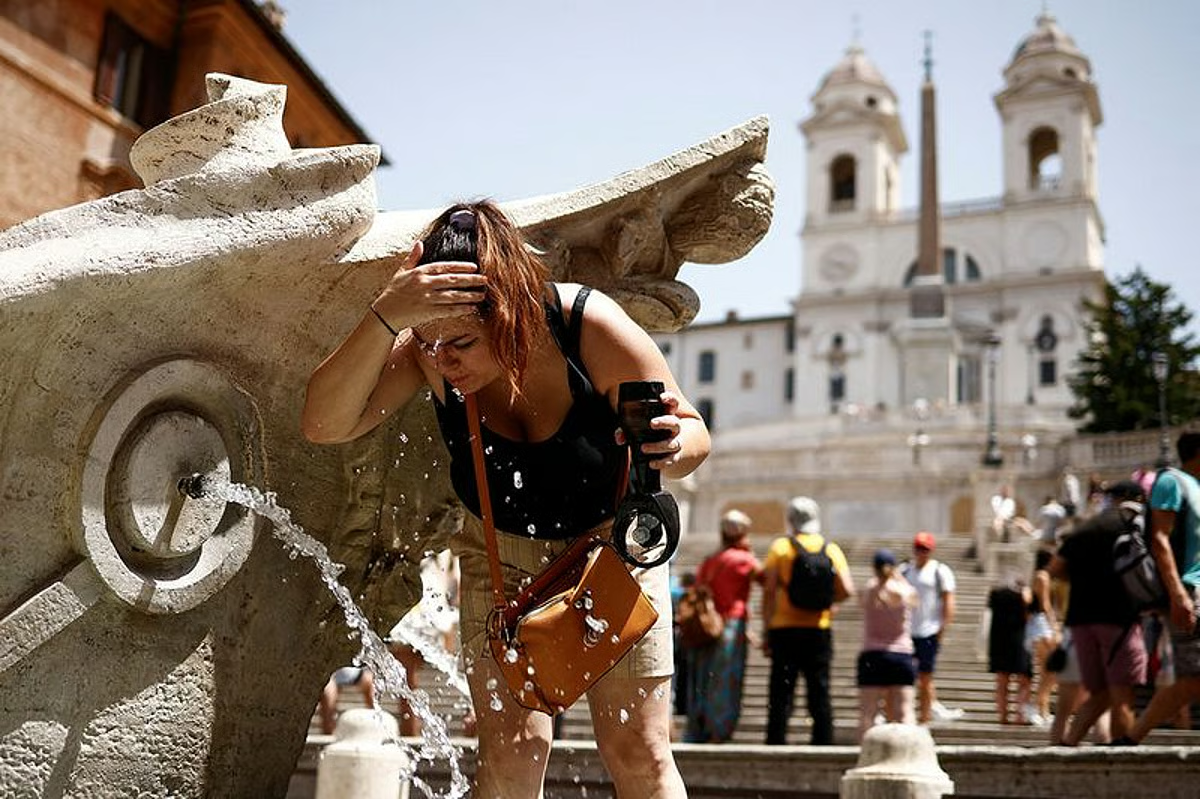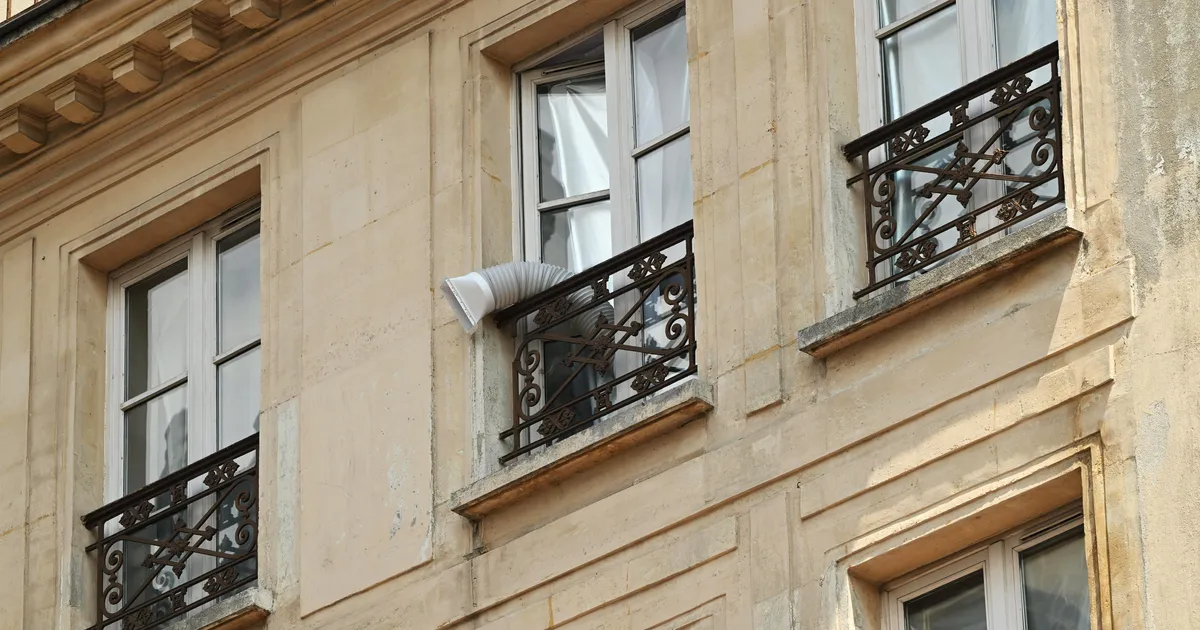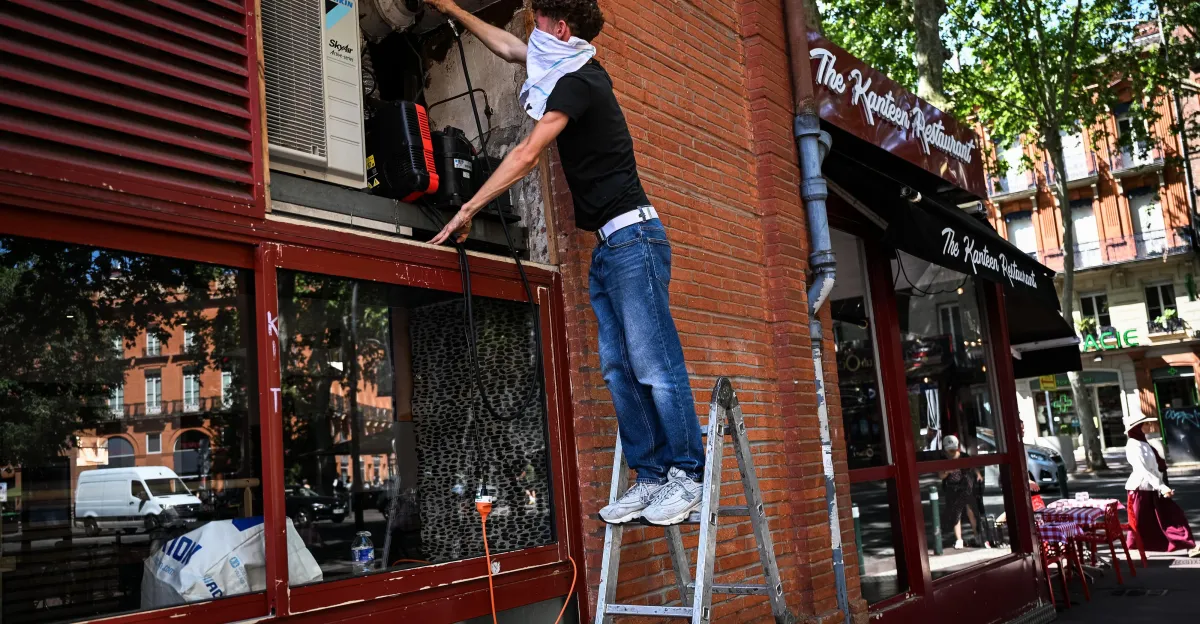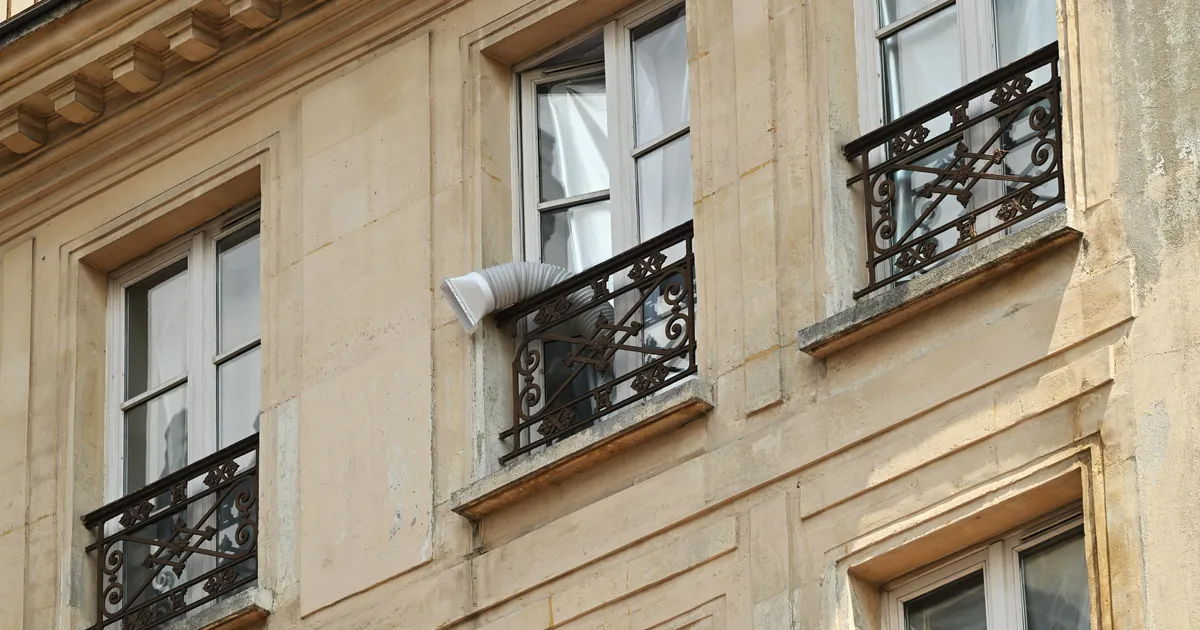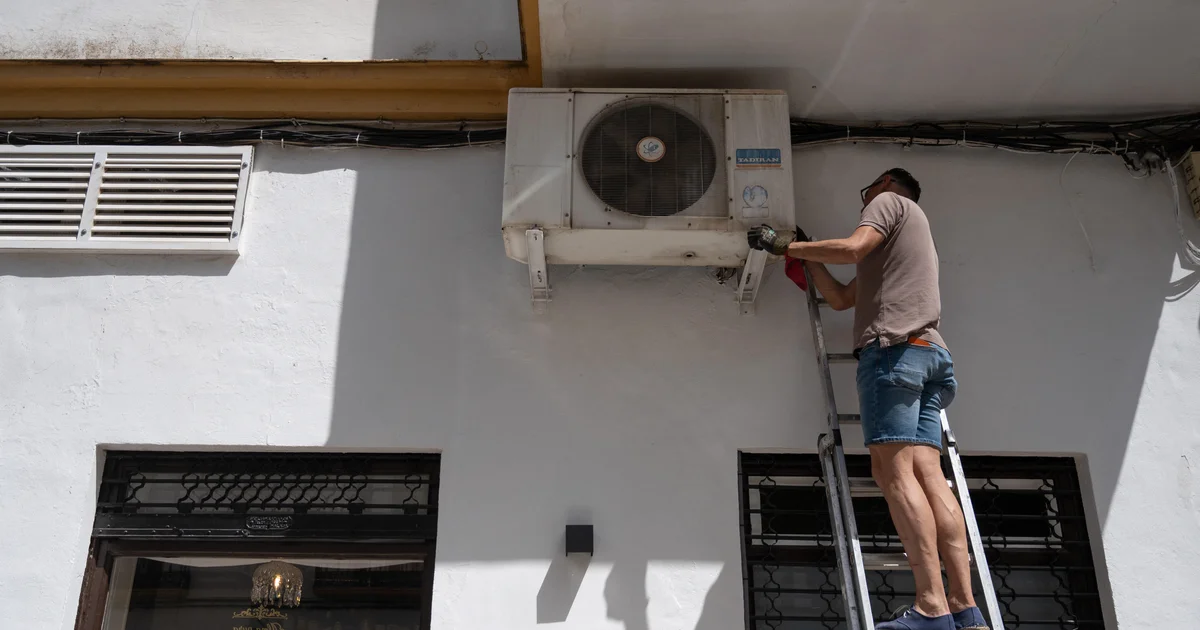
Once considered an unnecessary luxury across much of Europe, air conditioning has become one of the continent's most politically charged household appliances after nearly two weeks of extreme and deadly temperatures.
For decades, Europe distinguished itself from hotter parts of the world by relying on thick masonry buildings, shutters, tree-lined streets and mild summers. Air conditioning remained relatively uncommon, particularly in northern and western Europe but climate change could alter that reality.
Summers that once brought occasional discomfort now routinely produce prolonged periods above 35°C, with urban neighbourhoods experiencing 41°C temperatures due to the "heat island" effect.
A clash between two urgent priorities is emerging: the climate emergency and widening class divide, most recently highlighted by the shutdown of air-conditioning in the lower floors of the European Commission's headquarters for EU staff, according to an internal message seen by Euronews.
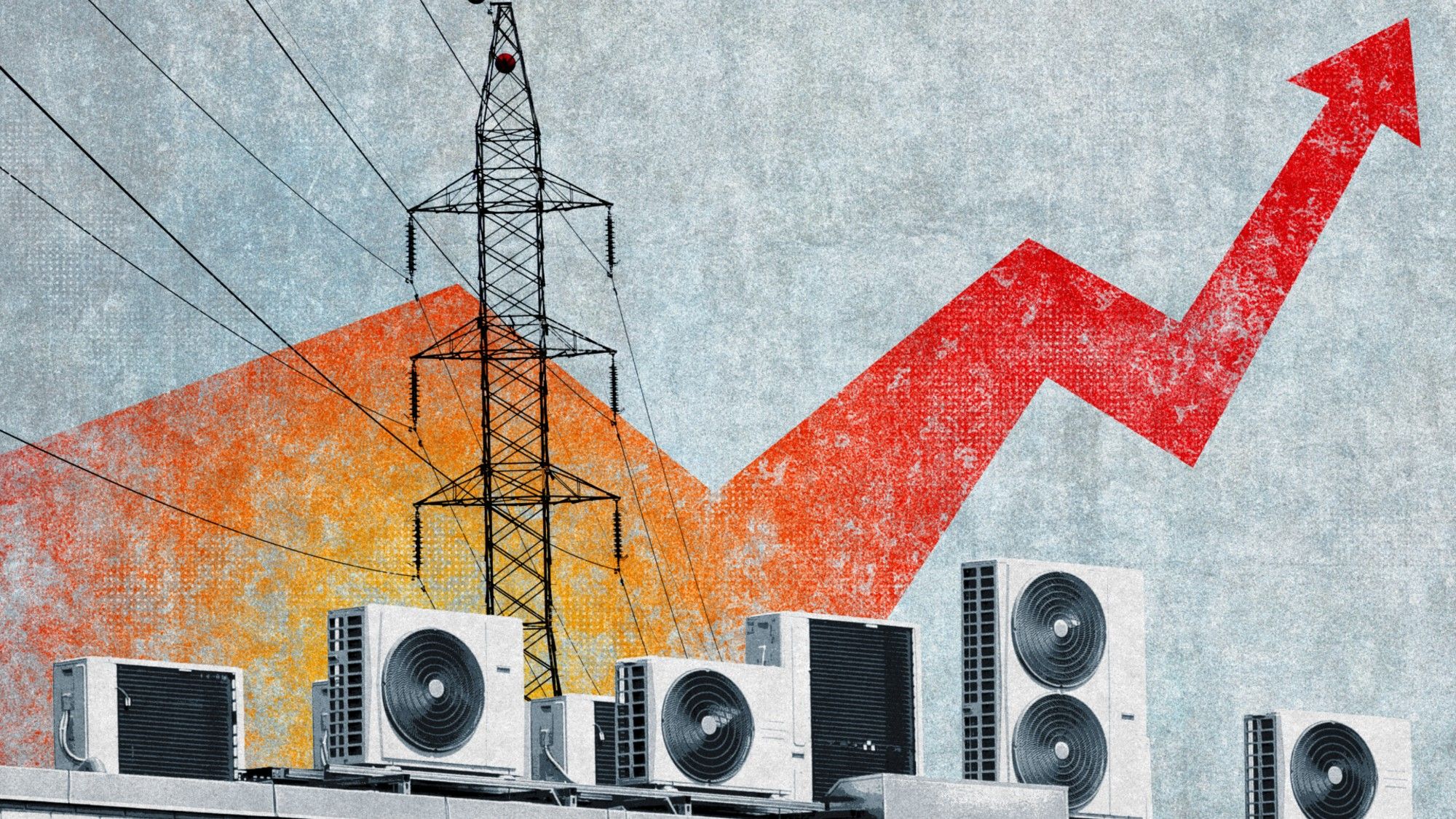
Climate advocates and government officials warn that widespread adoption of air conditioning risks creating a vicious cycle. More cooling requires more expensive electricity, increasing demand during heat waves when power systems are already under strain.