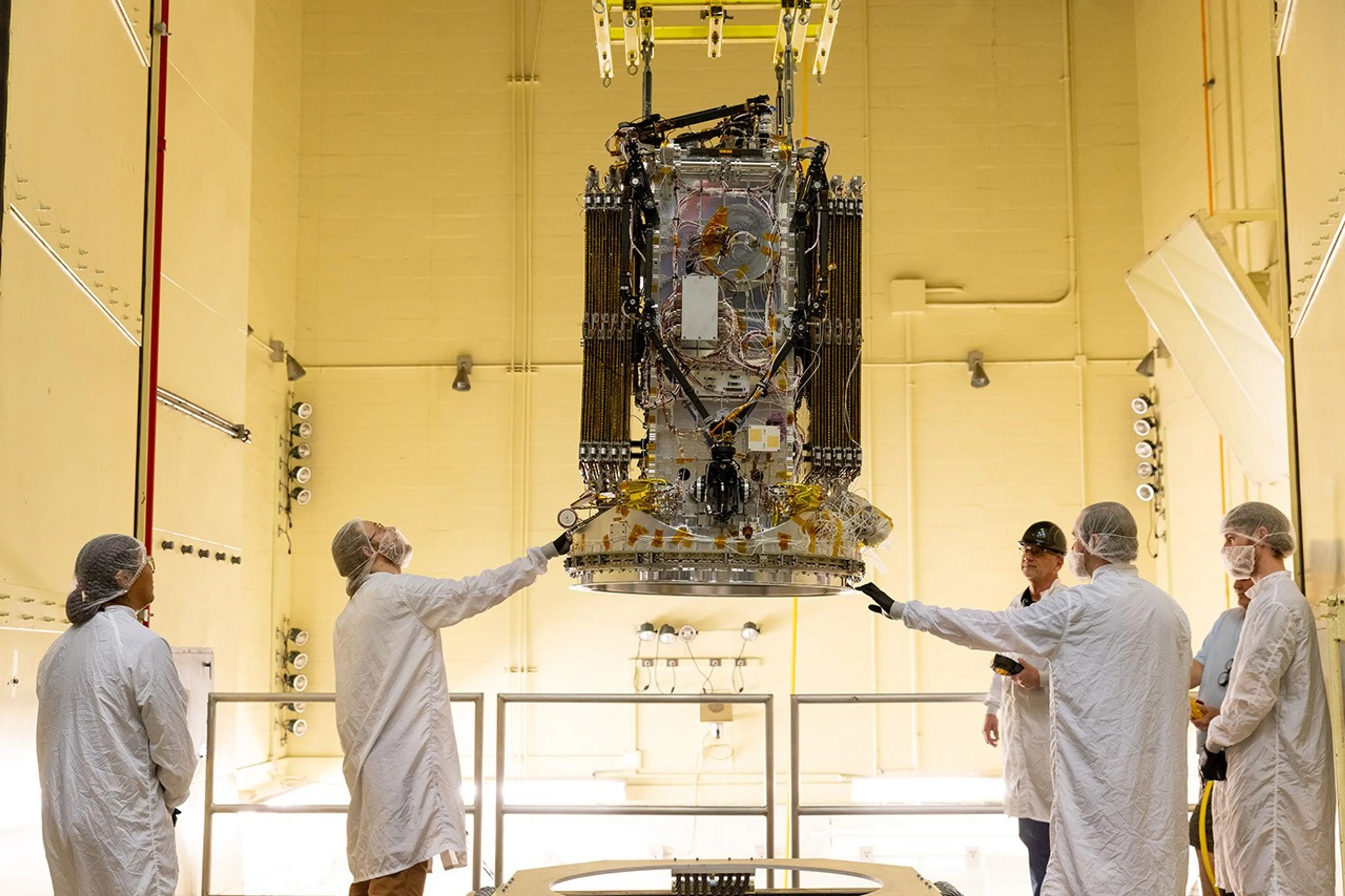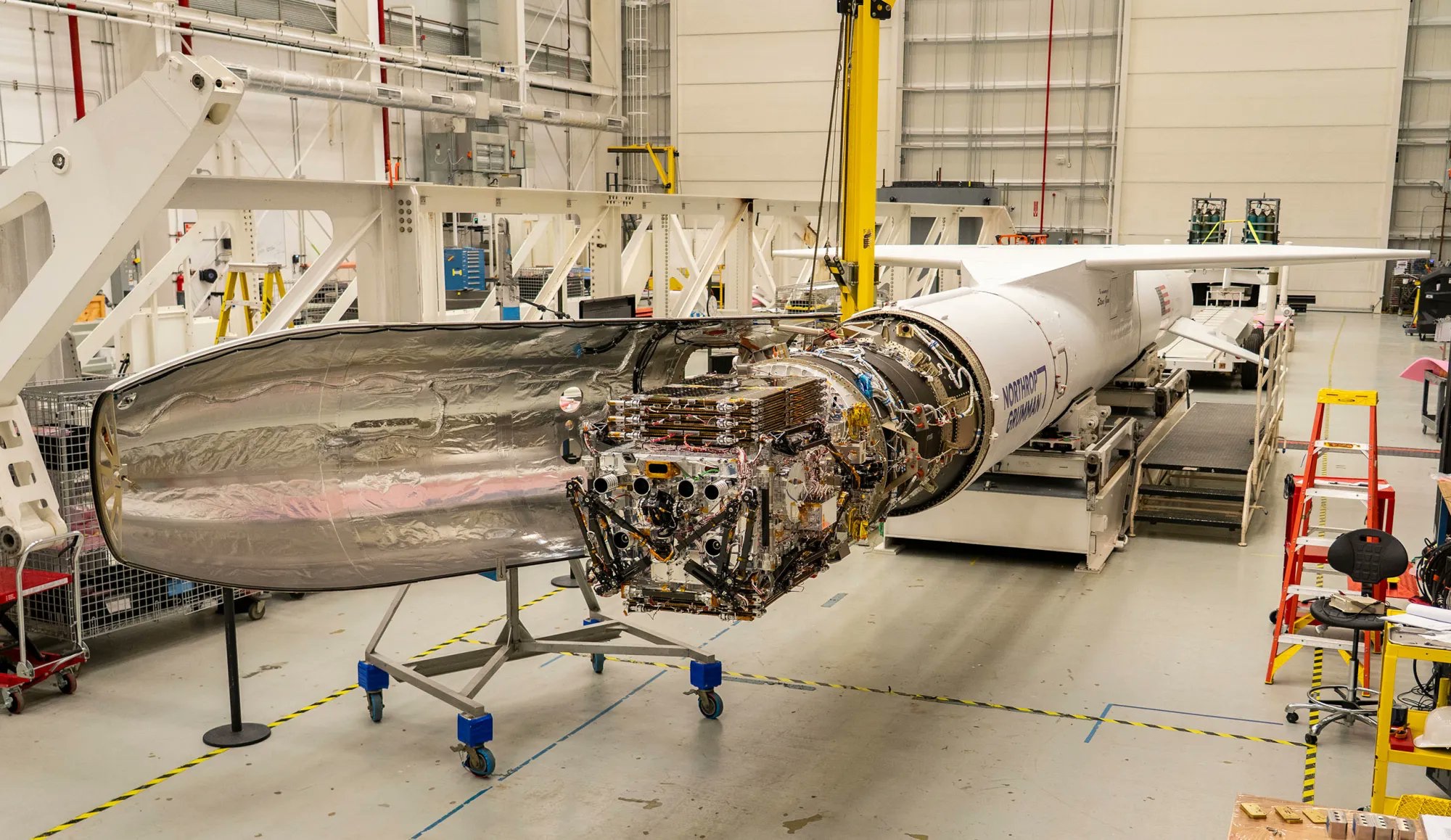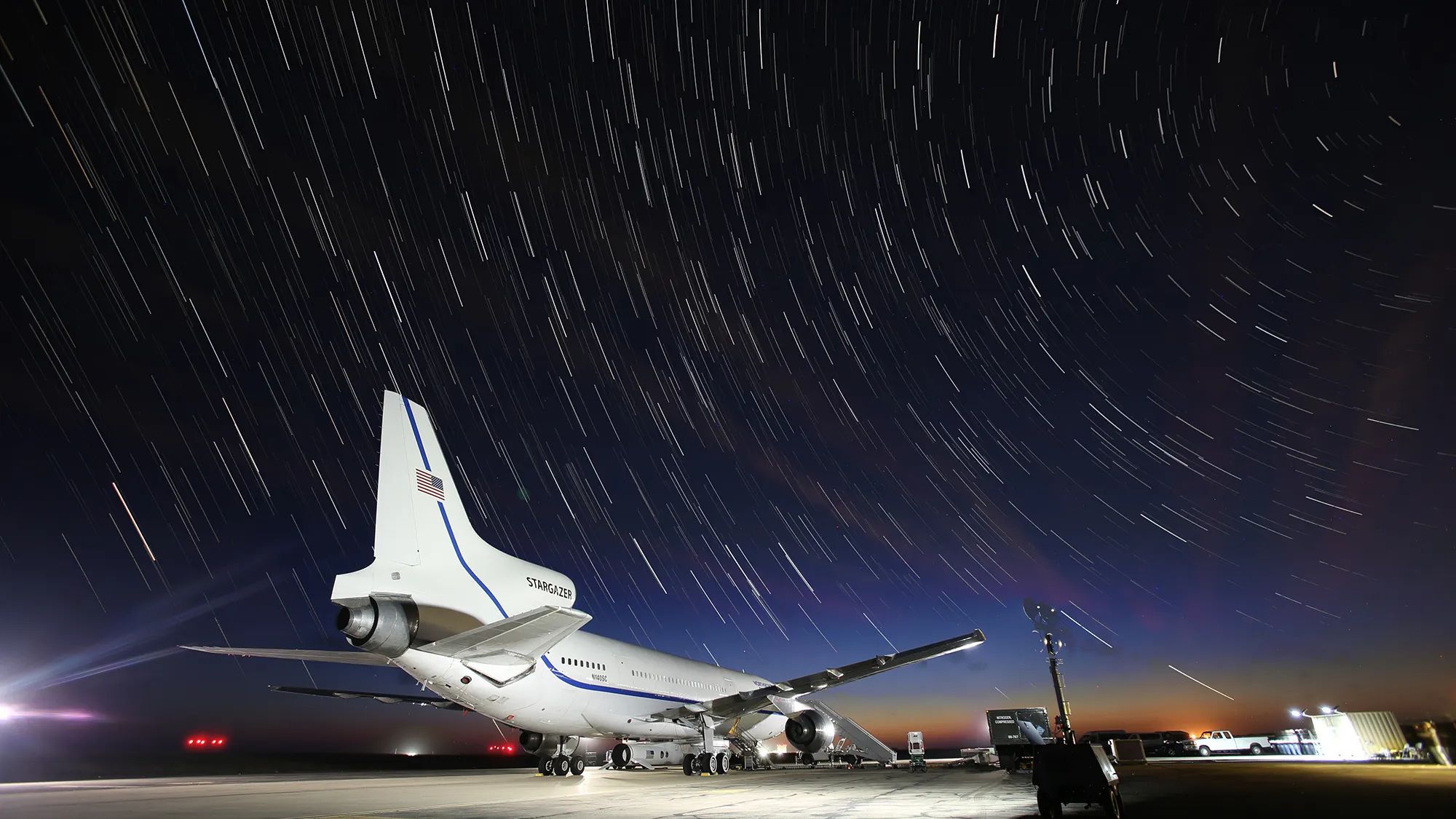
WASHINGTON — A Pegasus XL launched a mission to reboost a NASA astrophysics spacecraft on what may be the final flight of that rocket.
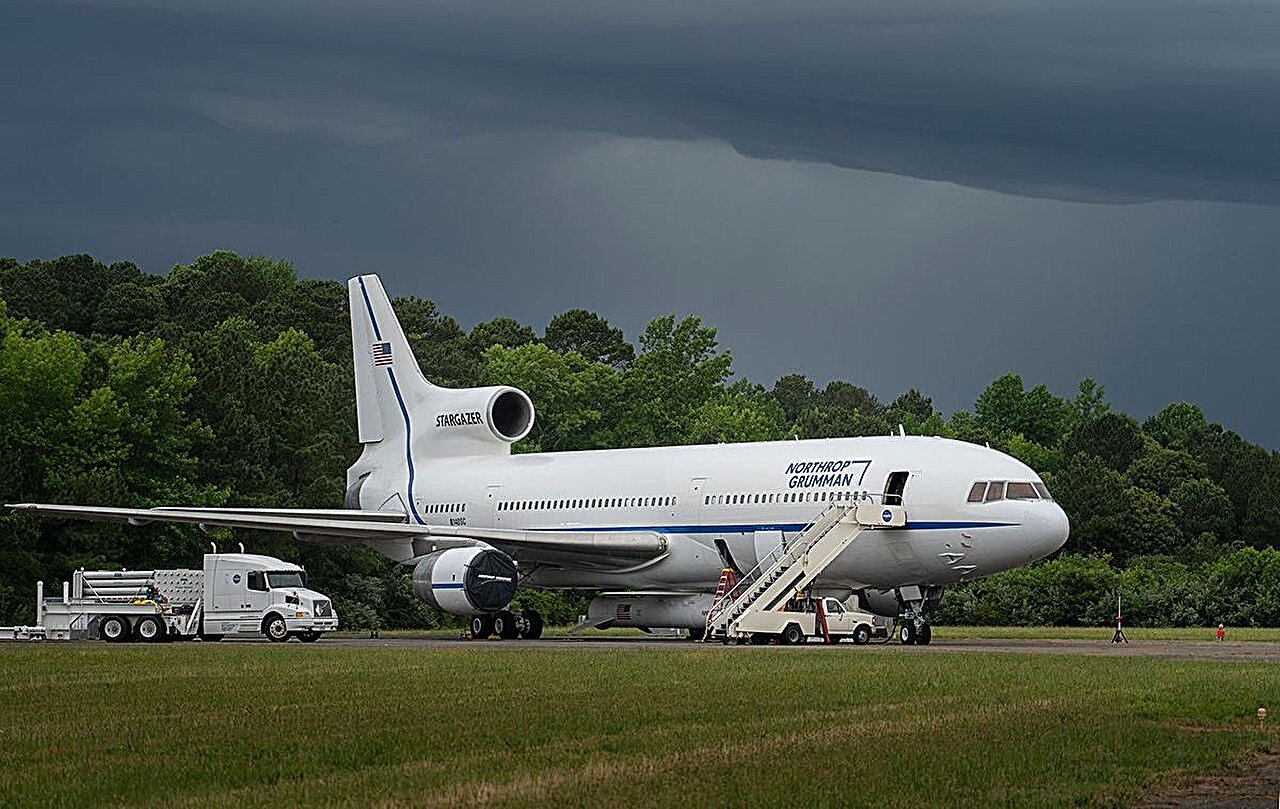
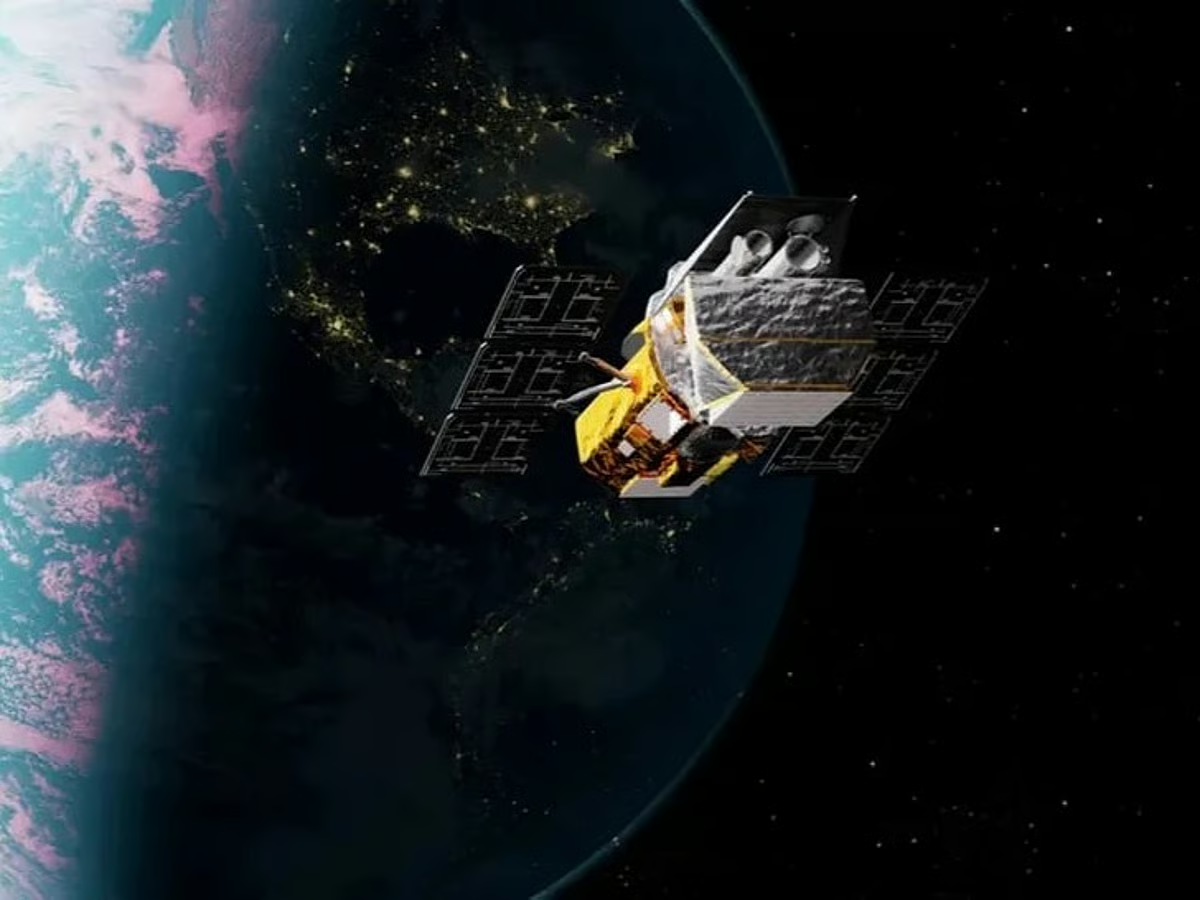
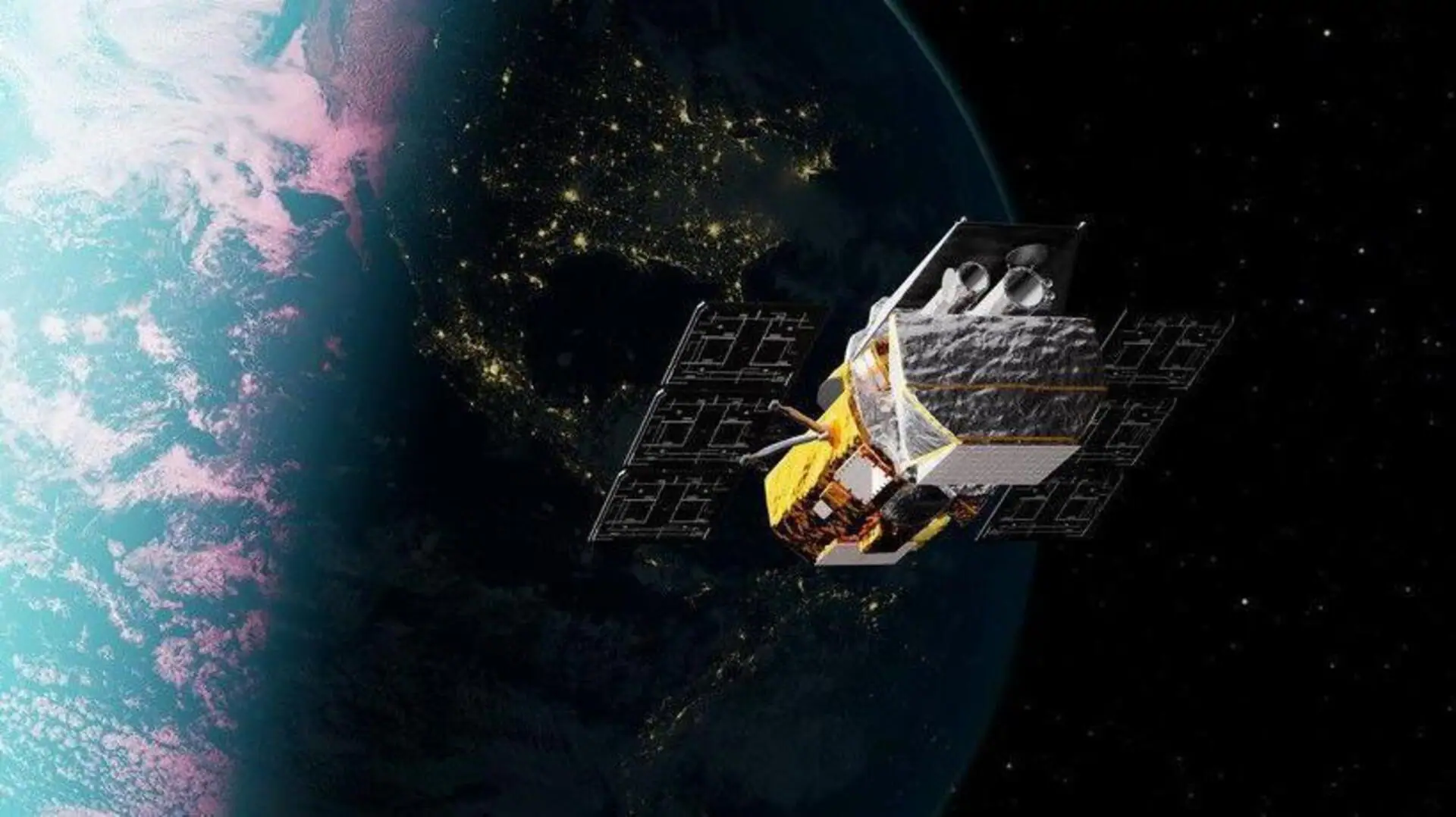
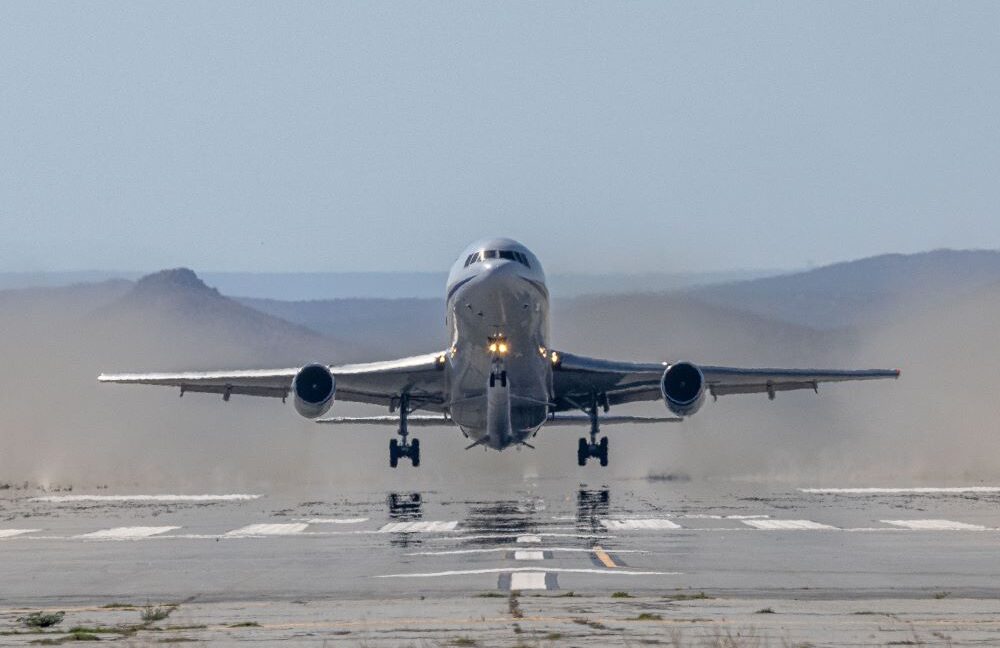
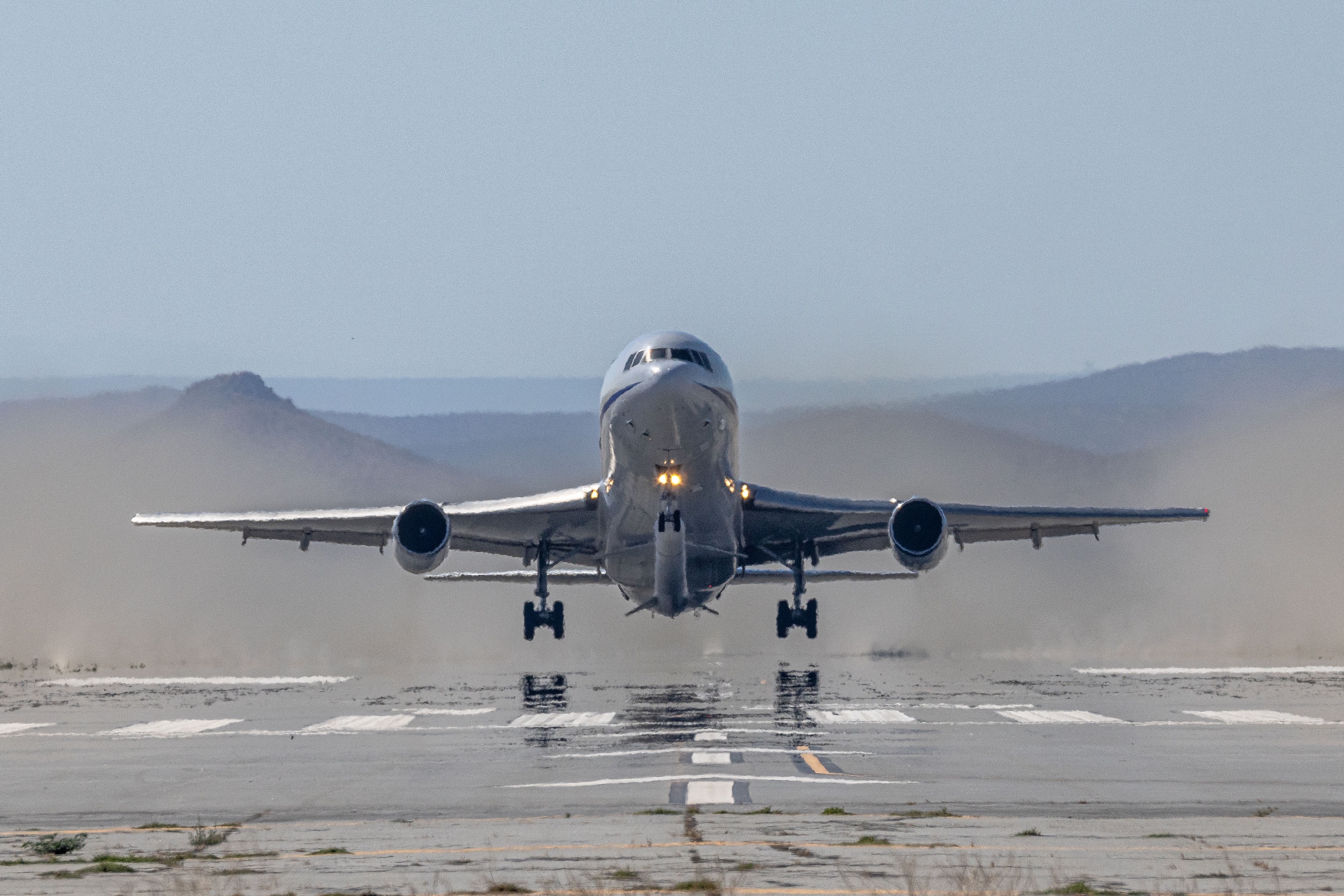
A Northrop Grumman Pegasus XL rocket was deployed from its L-1011 carrier aircraft at 4:36 a.m. Eastern on July 3, after three days of delays caused by weather and technical issues. The rocket placed its payload, the 425-kilogram Link spacecraft from Katalyst Space, into low Earth orbit nearly 13 minutes later.
NASA said in a statement more than seven hours later that controllers had established contact with Link but did not provide any additional information about the status of the spacecraft.
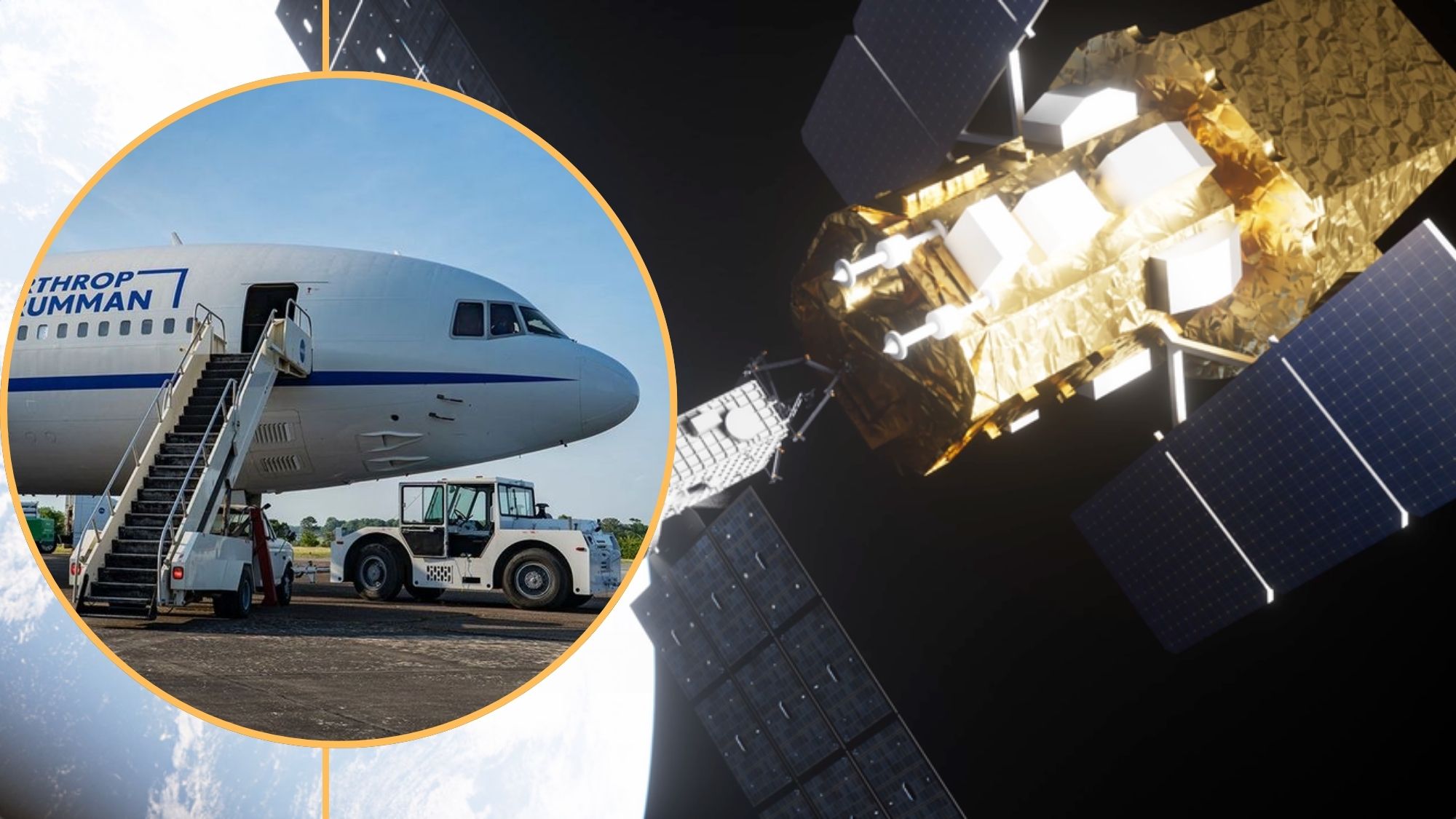
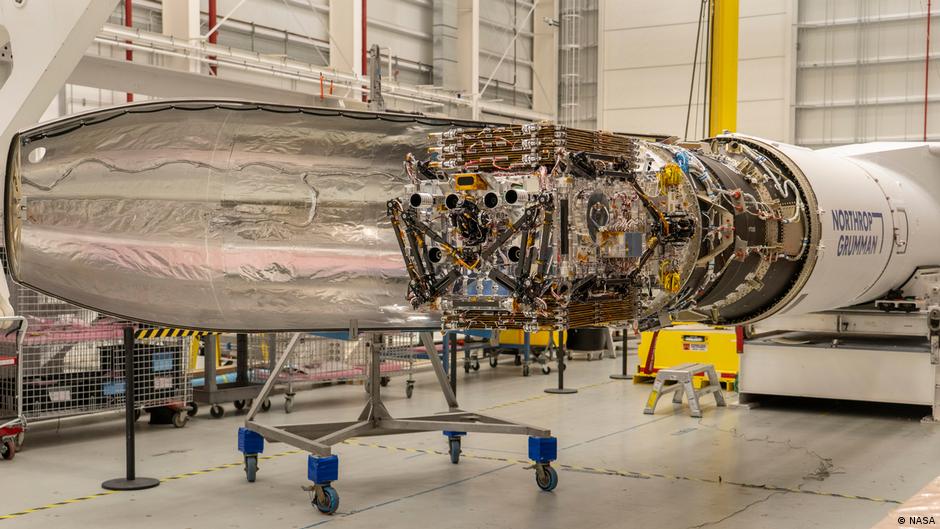
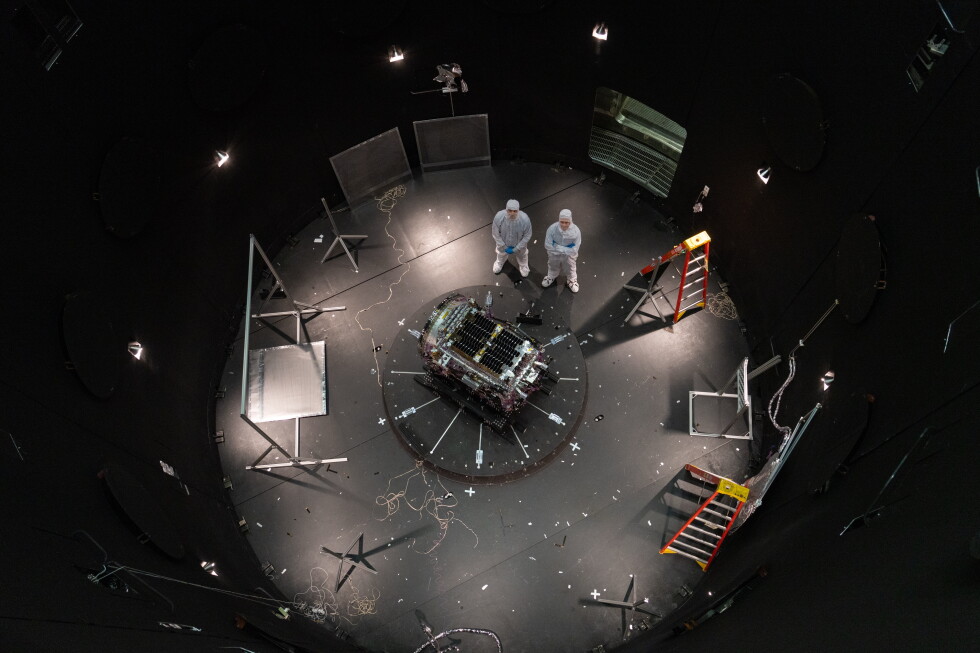
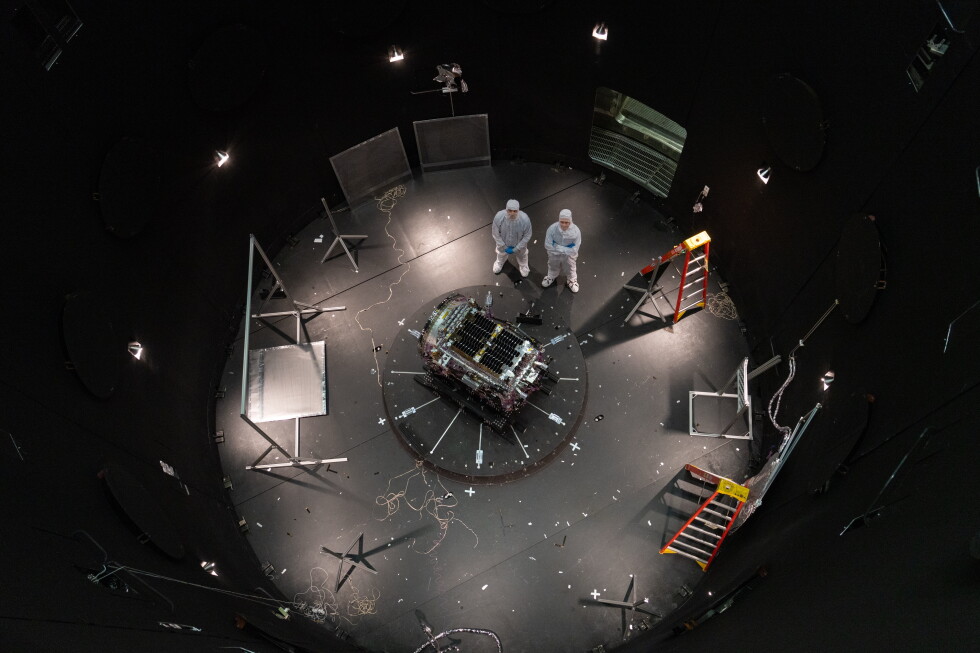
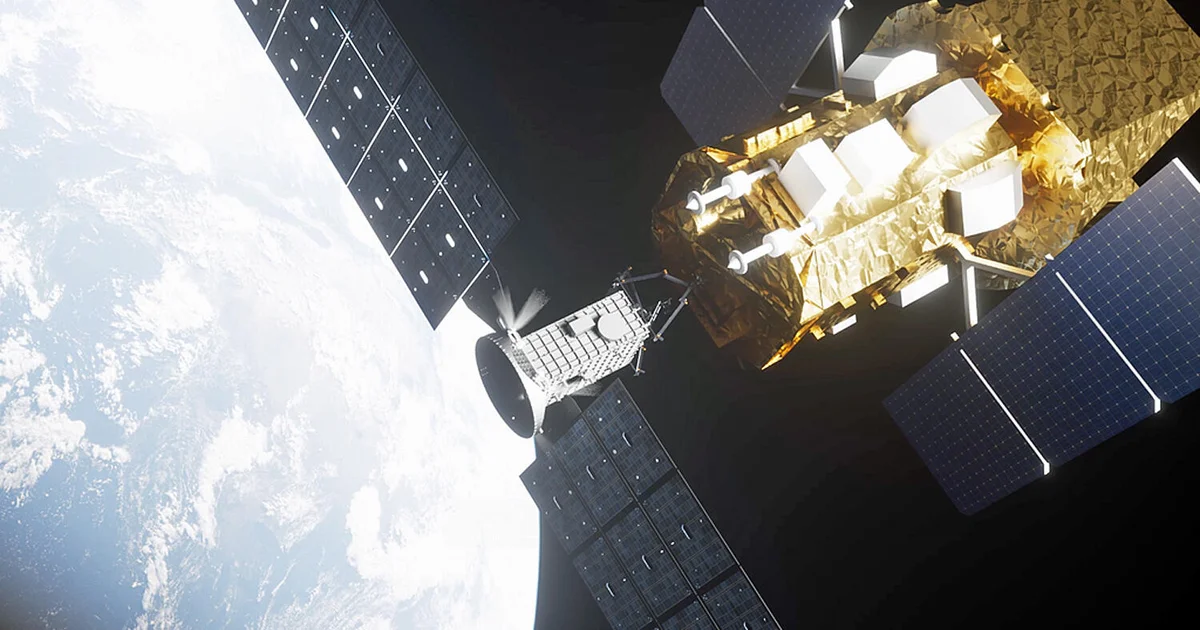
Katalyst Space developed Link under a $30 million NASA contract awarded last September to attempt to save the Neil Gehrels Swift Observatory, or Swift, spacecraft in low Earth orbit. That gamma-ray observatory is in a decaying orbit and in danger of reentering late this year or early next year.
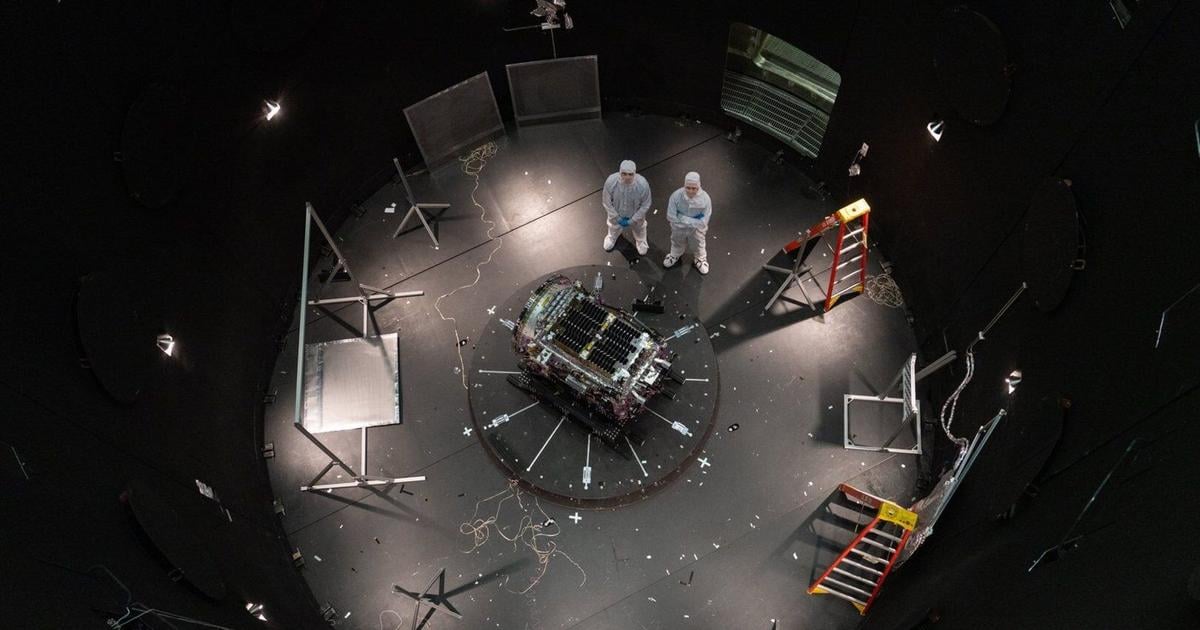
The company repurposed a low Earth orbit technology demonstration of its satellite servicing technology already in development for the Swift reboost mission, delivering a spacecraft ready for launch within nine months of contract award.