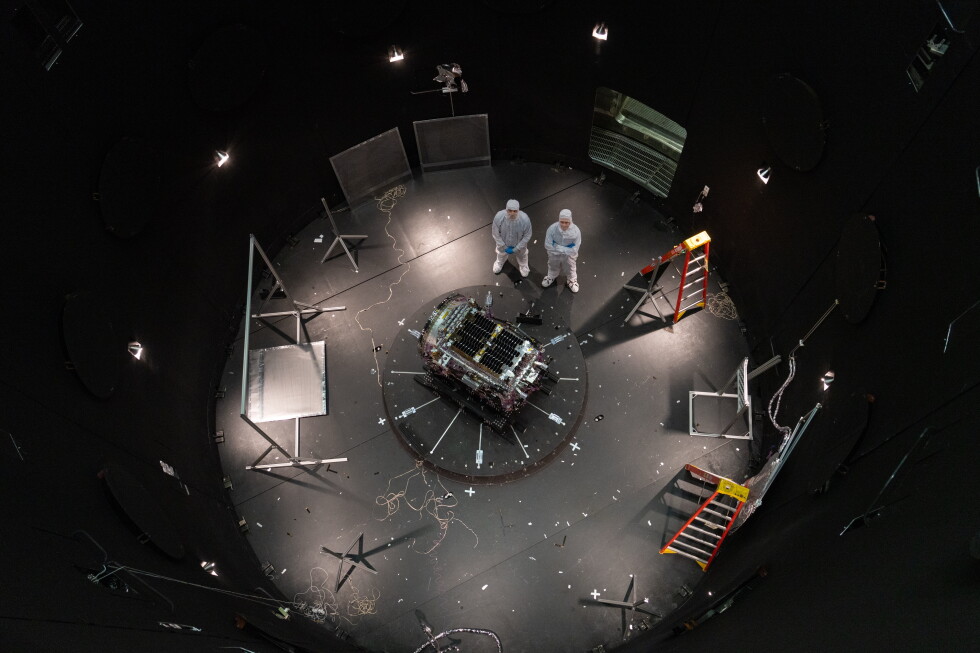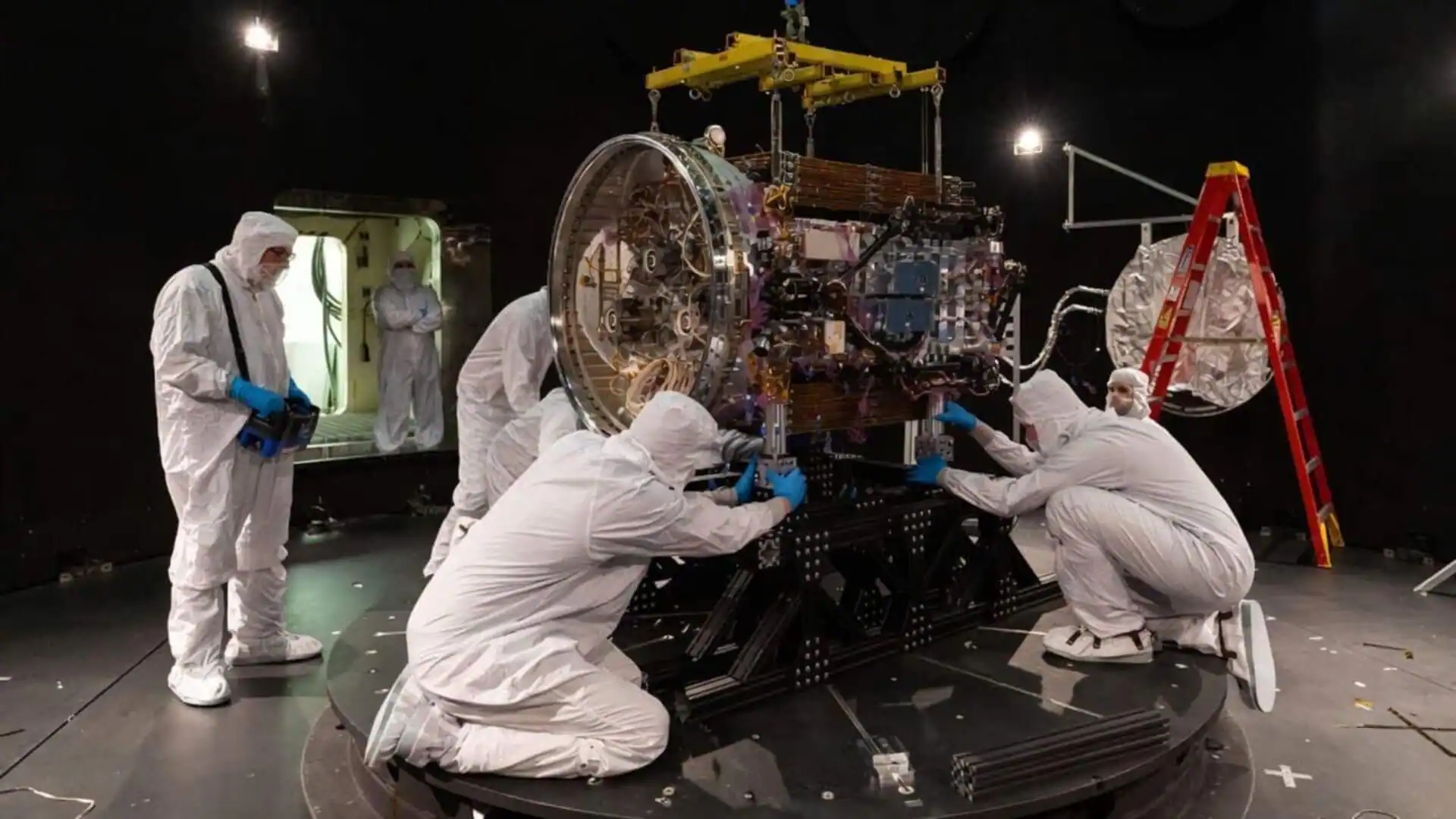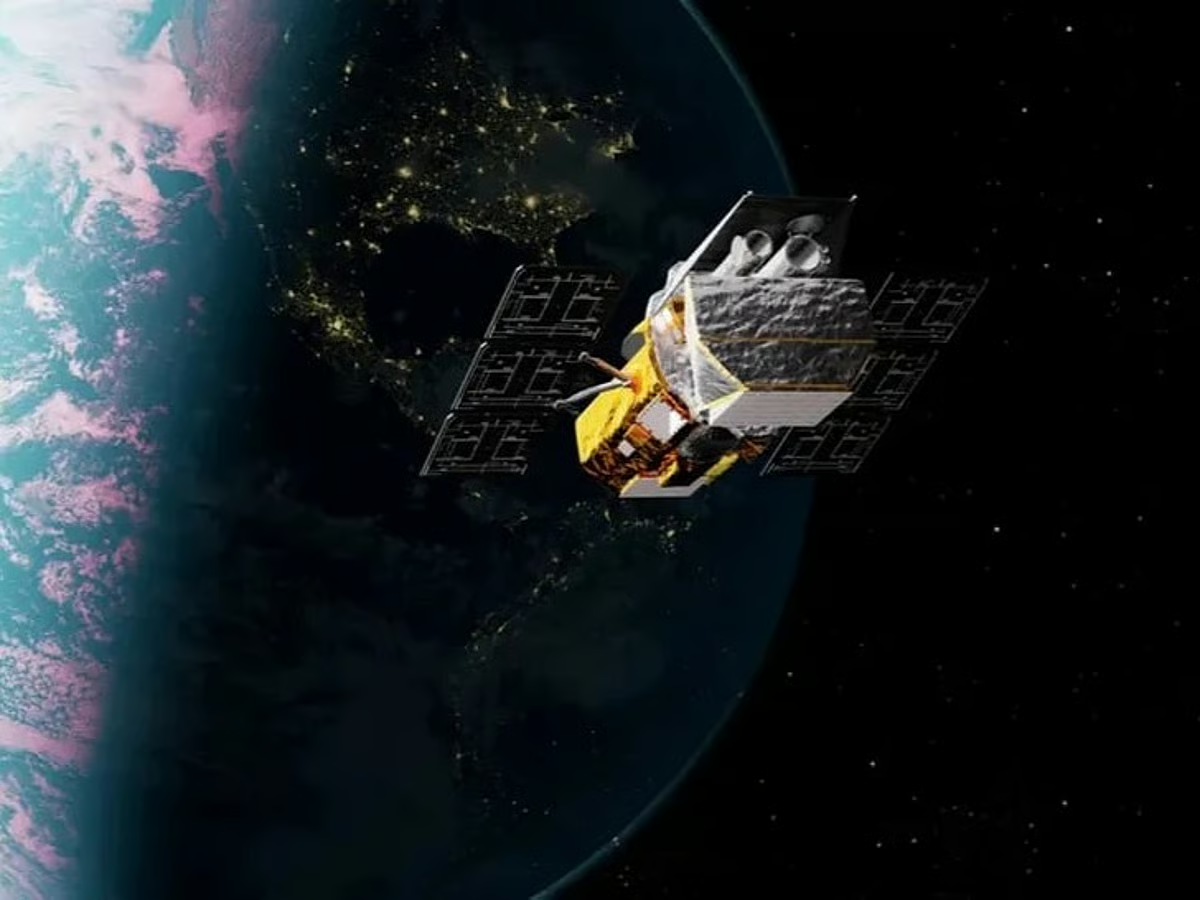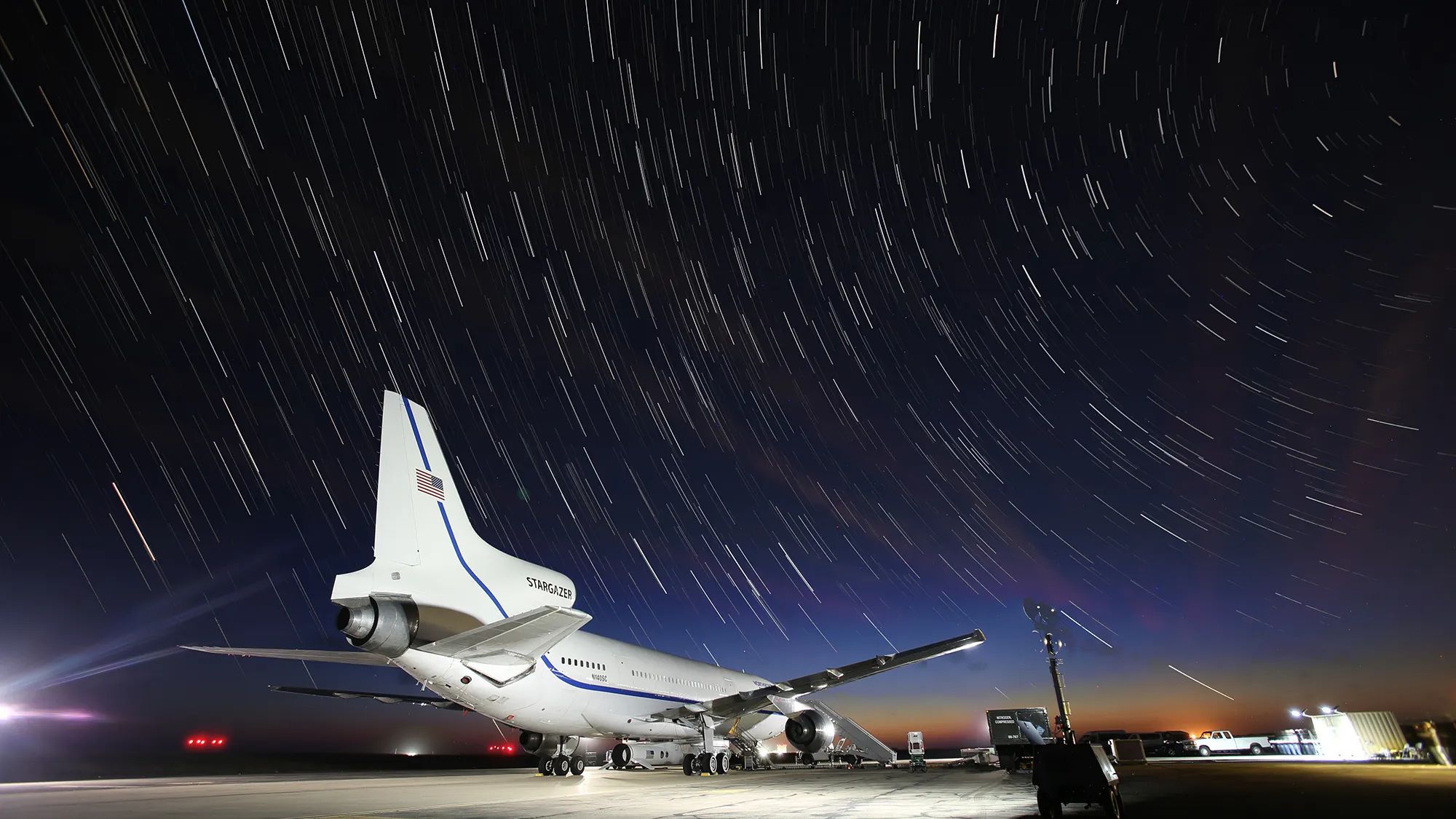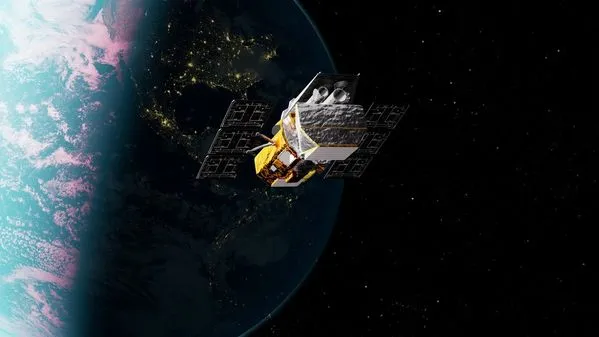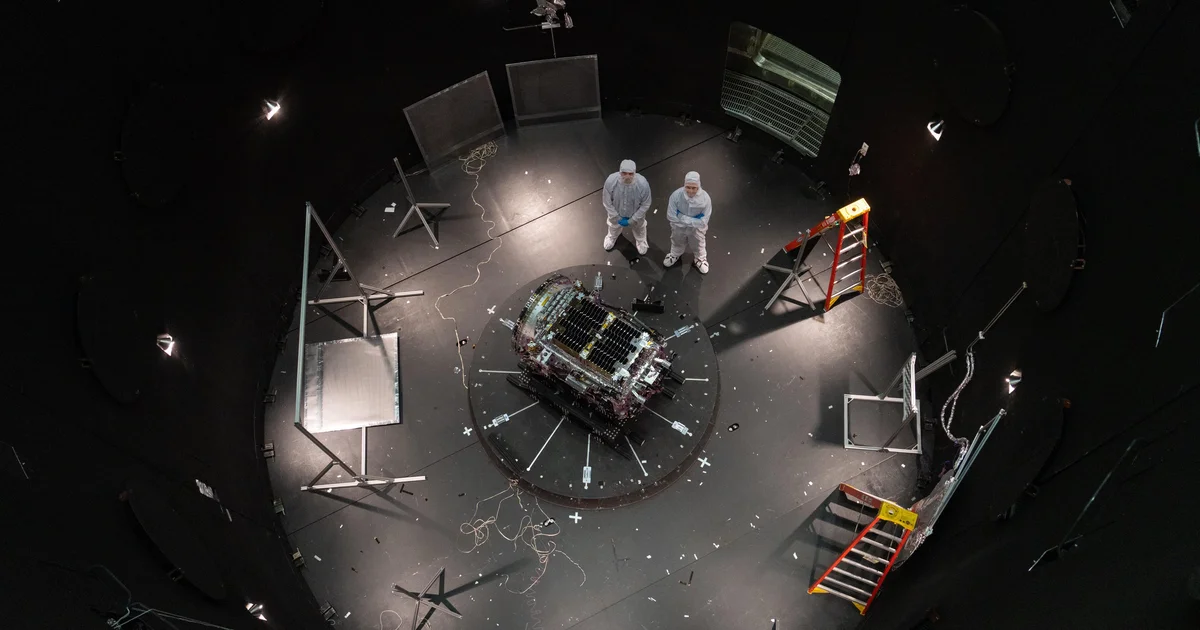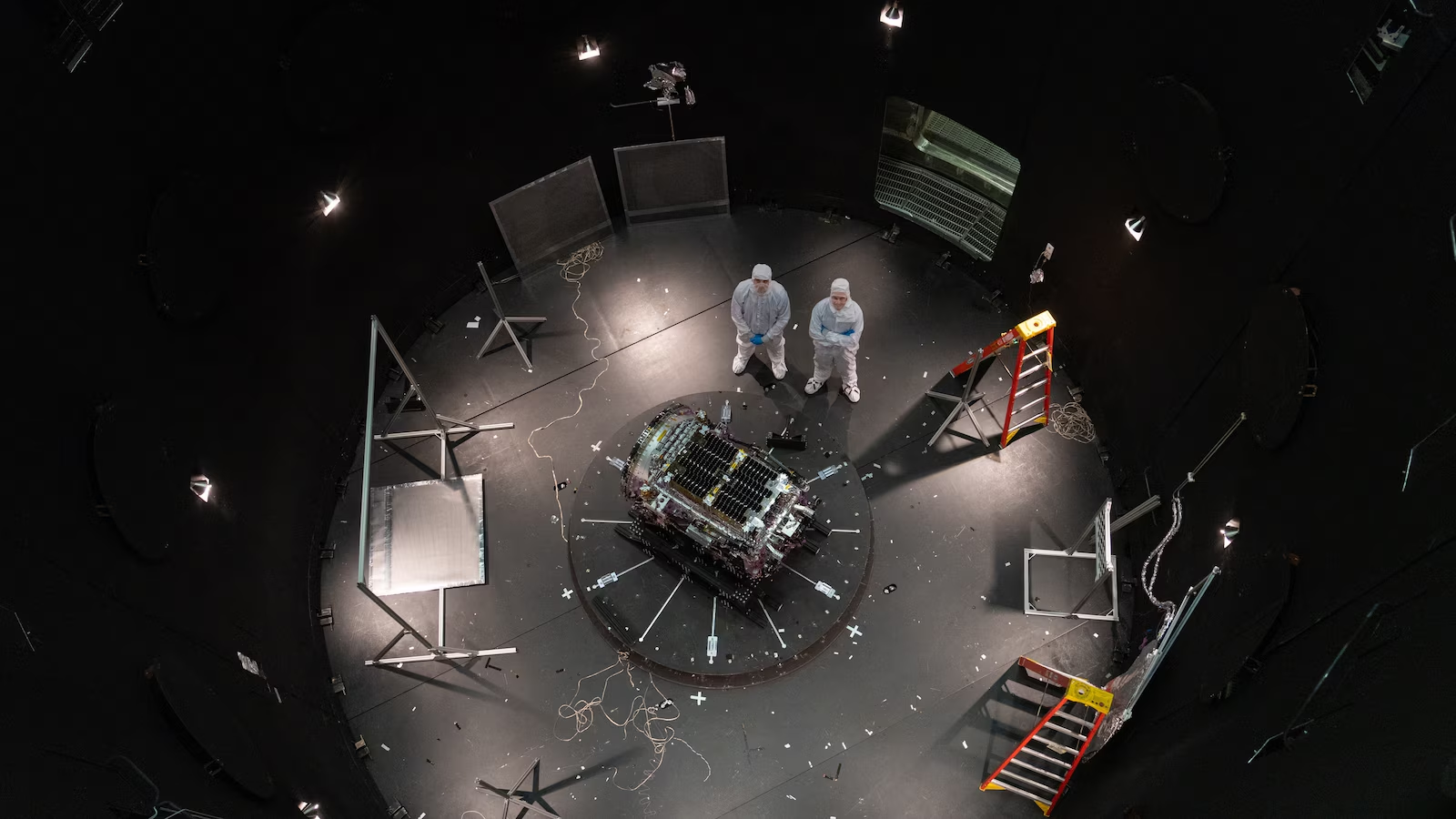
A critical mission to save NASA's Swift Observatory from crashing back to Earth has been delayed after a last-minute launch problem grounded the rescue attempt.Northrop Grumman’s rocket-launching plane took off from the Marshall Islands in the Pacific on Thursday, following a week of weather delays. However, an issue prevented the team from releasing the Pegasus rocket, which was strapped to the plane's belly, NASA confirmed.This Pegasus rocket is carrying a three-armed robotic spacecraft, built by Katalyst Space Technologies, designed to capture the Swift Observatory. The telescope is projected to re-enter Earth's atmosphere and crash by October if the rescue mission does not succeed. No new launch date has been set.(Getty)Swift, launched in 2004, has detected thousands of gamma-ray bursts and exploding stars, providing crucial data for other telescopes. NASA paused Swift's science operations earlier this year to preserve its orbit as long as possible. The space agency hired Katalyst Space last September for the $30 million salvage operation, anxious to continue Swift's scanning of the universe.NASA is coming off a very successful, record-breaking mission – Artemis II – sending four astronauts into space for 10 days, taking them 690,000 miles and around the Moon.Artemis II didn't land on the moon or even orbit it. But it broke Apollo 13's distance record and marked the farthest that humans have ever journeyed from Earth when the crew reached 252,756 miles (406,771 kilometers). Then in the mission's most heart-tugging scene, the teary astronauts asked permission to name a pair of craters after their moonship and Commander Reid Wiseman's late wife, Carroll.(Getty)During April’s record-breaking flyby, they documented scenes of the moon's far side never seen before by the human eye along with a total solar eclipse. Despite its rich scientific yield, the nearly 10-day flight was not without technical issues. Both the capsule's drinking water and propellant systems were hit with valve problems. In perhaps the most high-profile predicament, the toilet kept malfunctioning, but the astronauts shrugged it all off.“We can't explore deeper unless we are doing a few things that are inconvenient,” astronaut Christina Koch said, “unless we're making a few sacrifices, unless we're taking a few risks, and those things are all worth it.”
Last-minute launch issue delays critical NASA rescue mission
A new launch date hasn’t been set for the rush rescue mission to save a NASA space telescope
362 words~2 min read