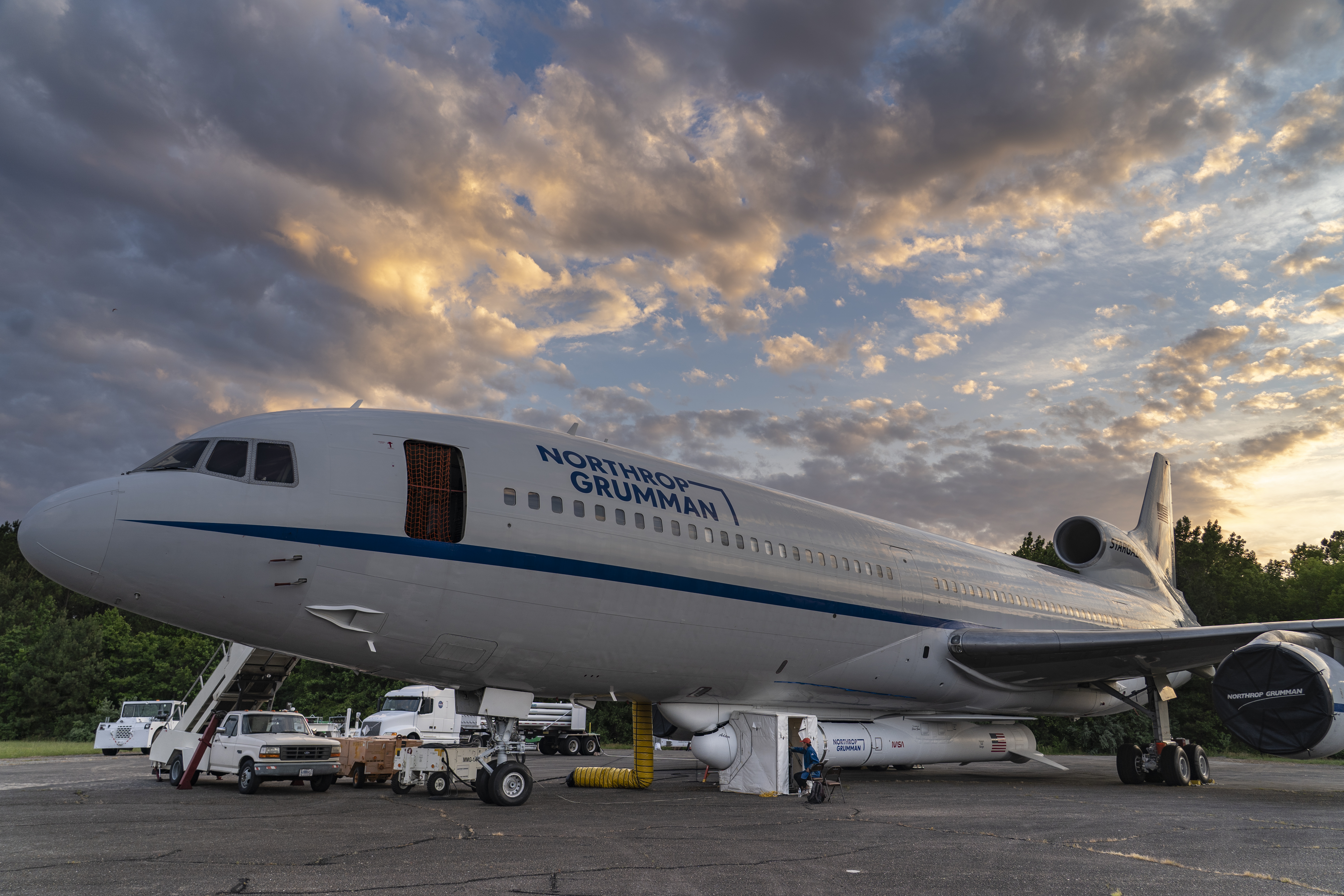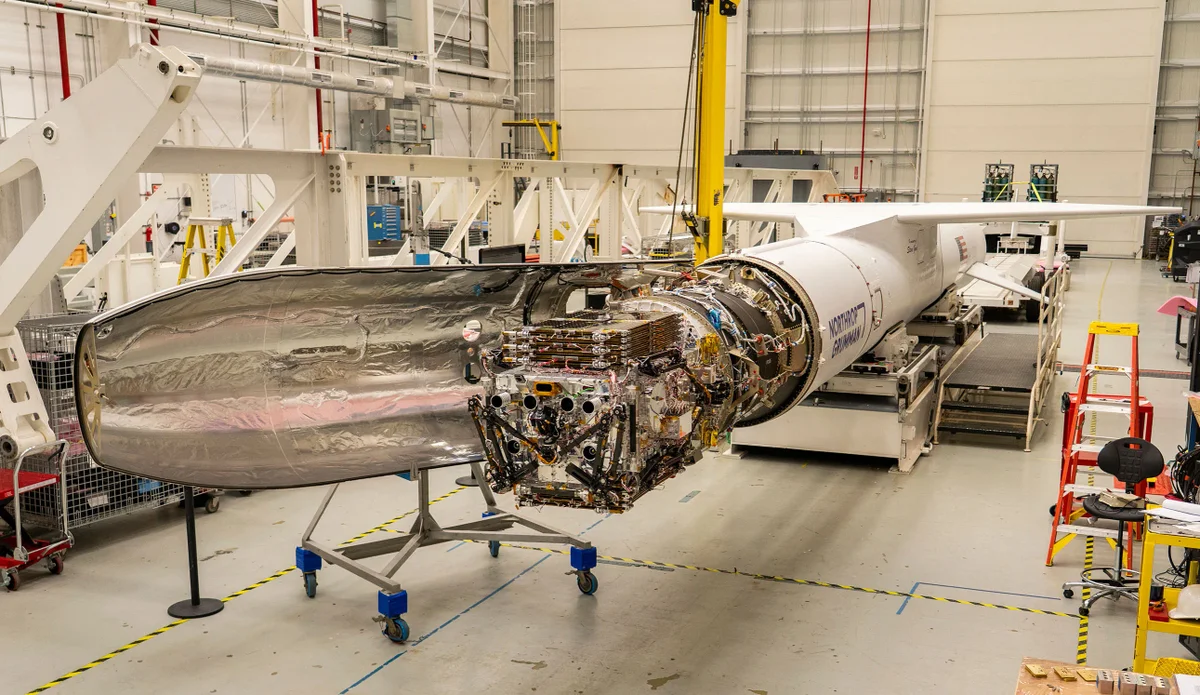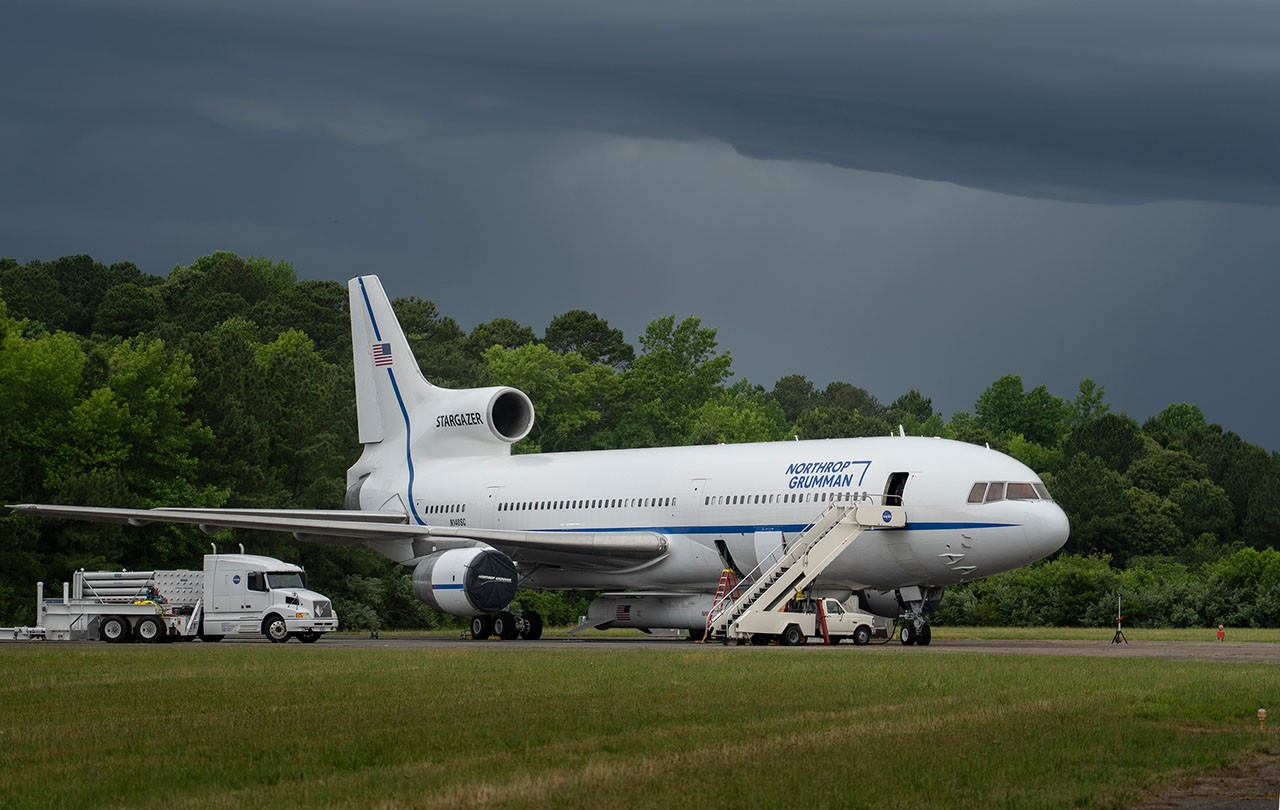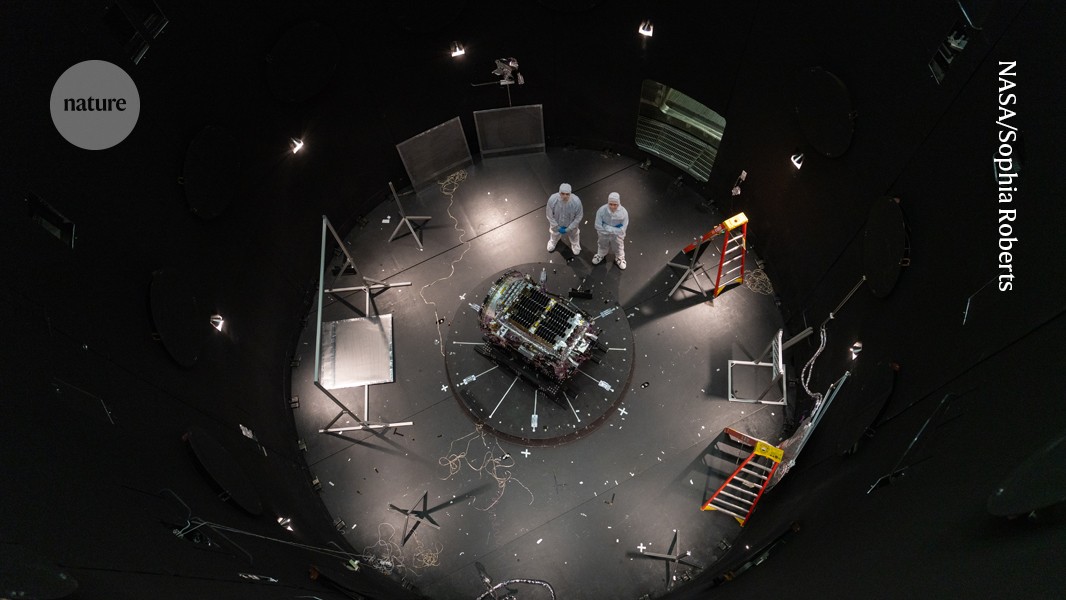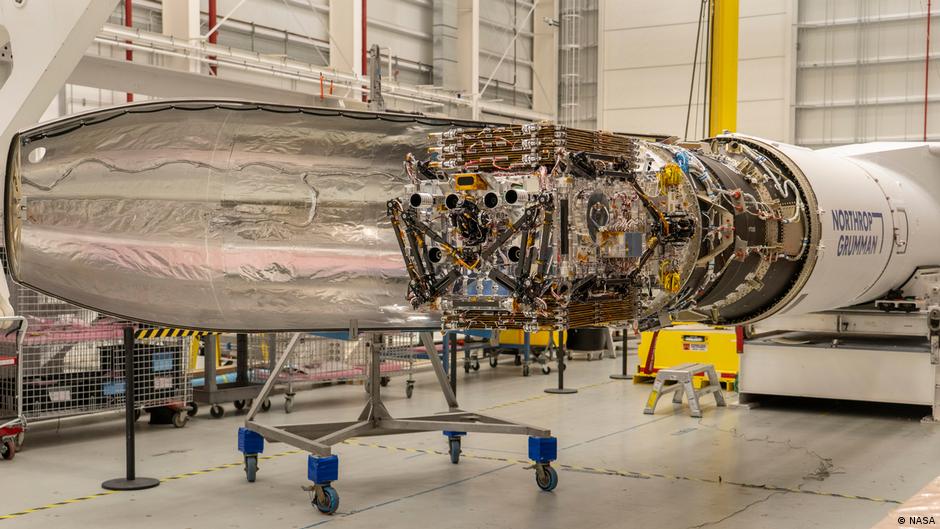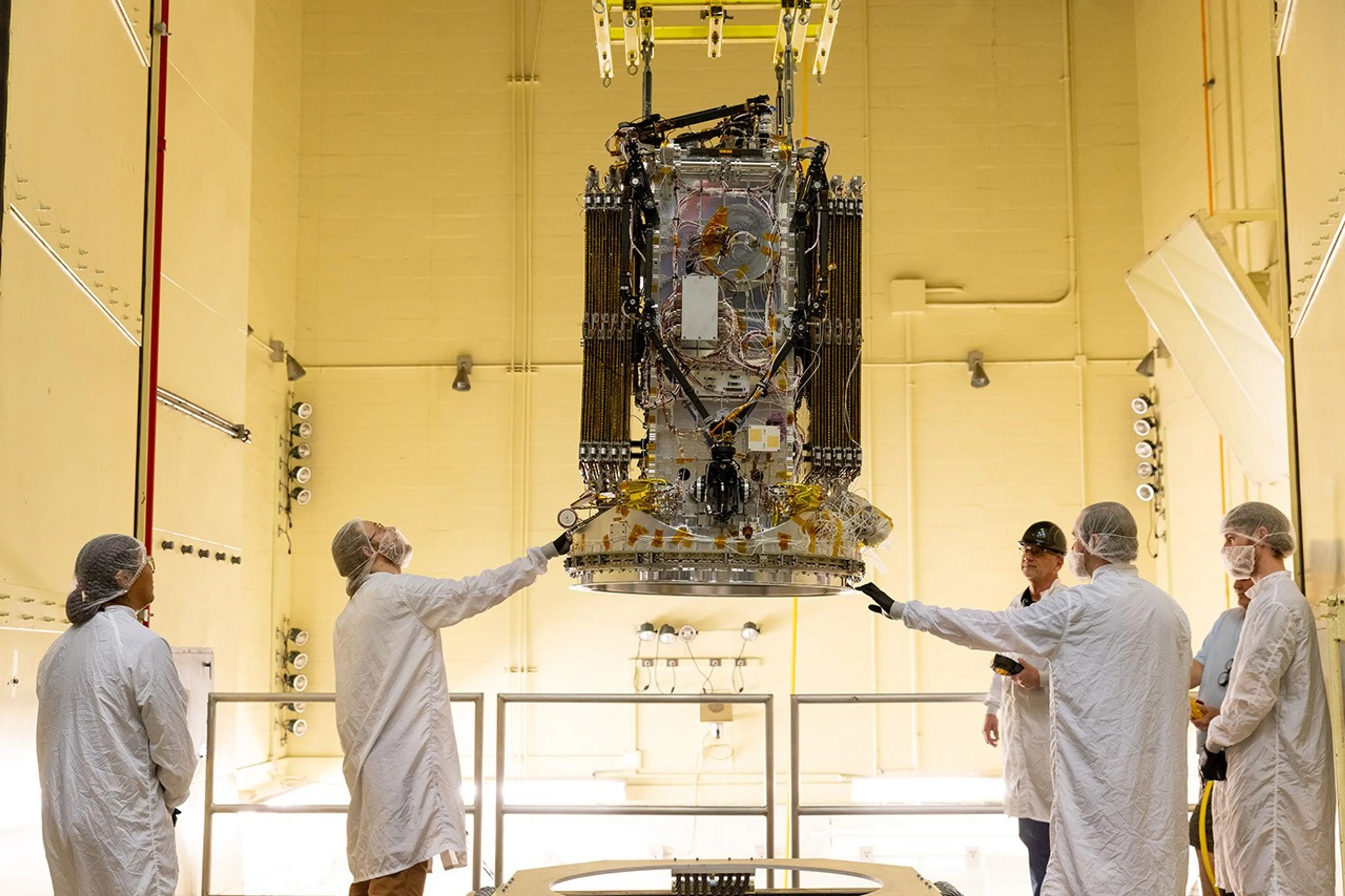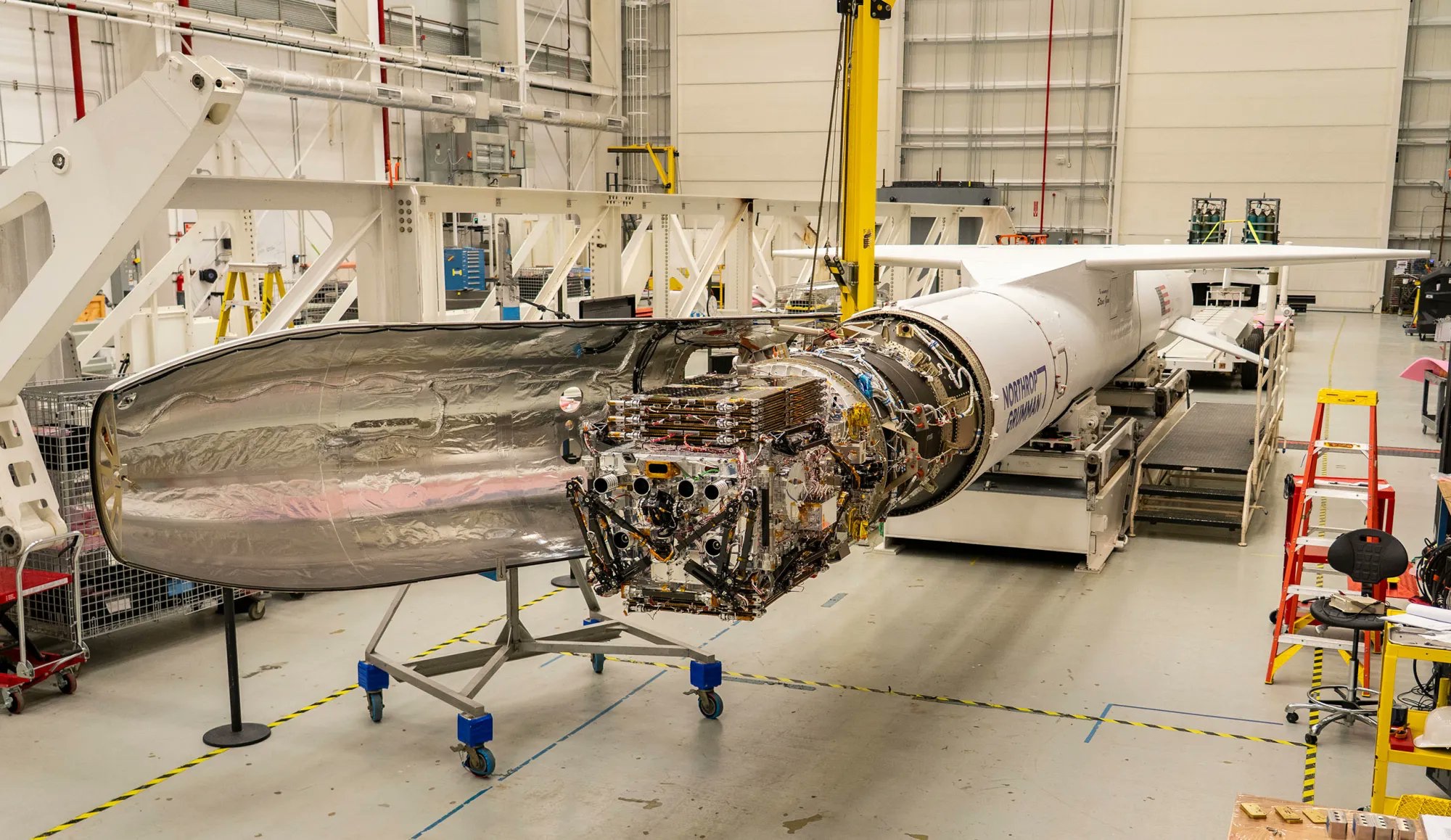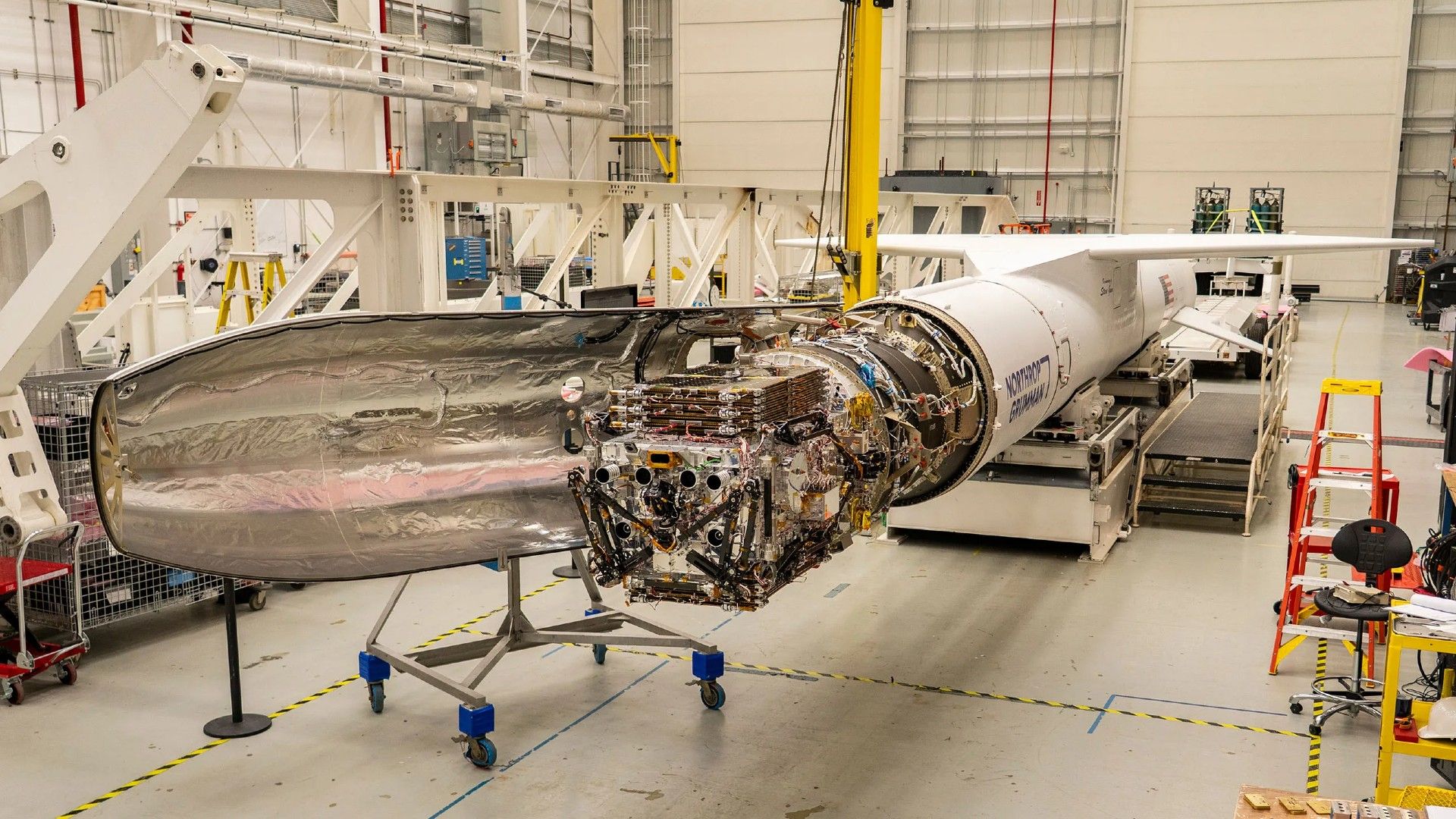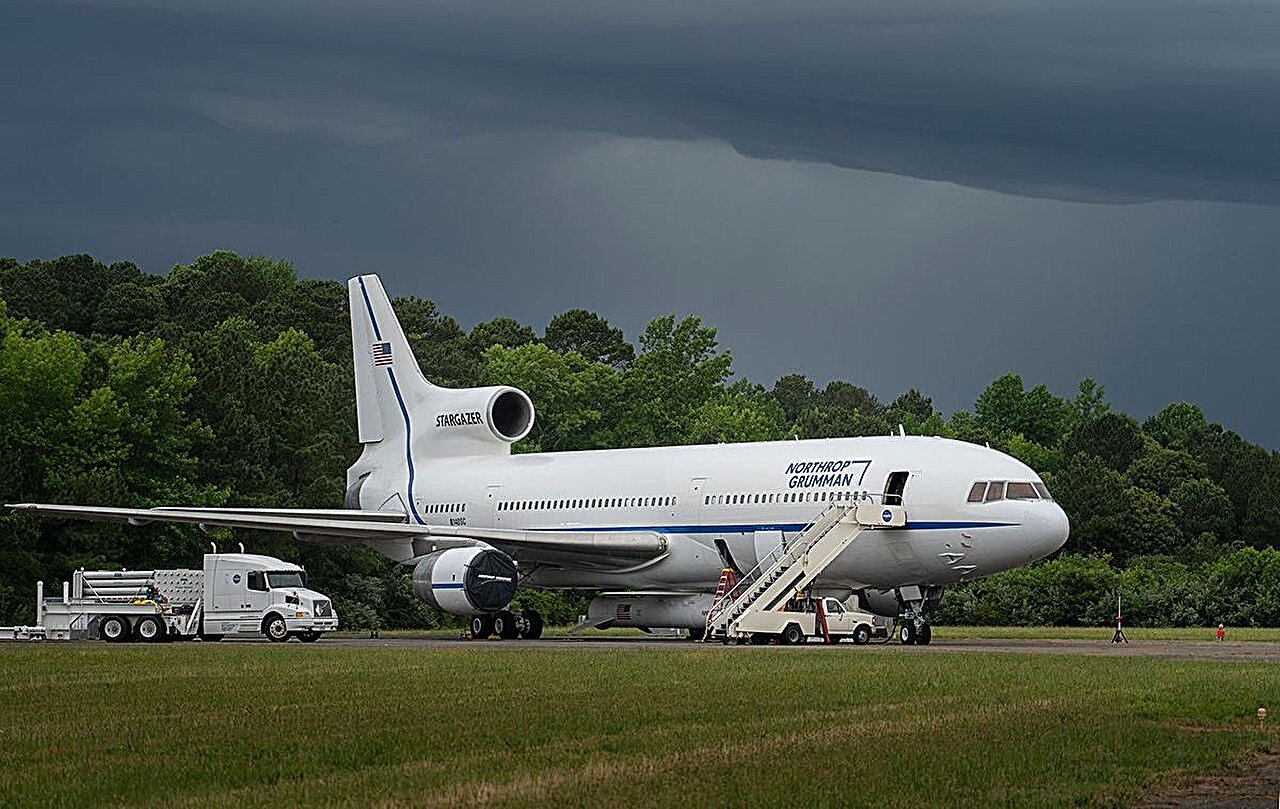
Stargazer, Pegasus XL, and LINK await takeoff on Wednesday, June 17, 2026, at NASA's Wallops Flight Facility in Virginia. Engineers control the temperature and humidity inside the nose cone of the rocket to keep the satellite and avionics safe from weather and changing environmental conditions during flight. Credit: NASA/Ron Beard
A mission to raise the orbit of NASA's Neil Gehrels Swift Observatory is poised for launch no earlier than Tuesday, June 30, at 6:23 a.m. EDT (10:23 p.m. UTC+12), from Kwajalein Atoll, part of the Republic of the Marshall Islands in the South Pacific Ocean.
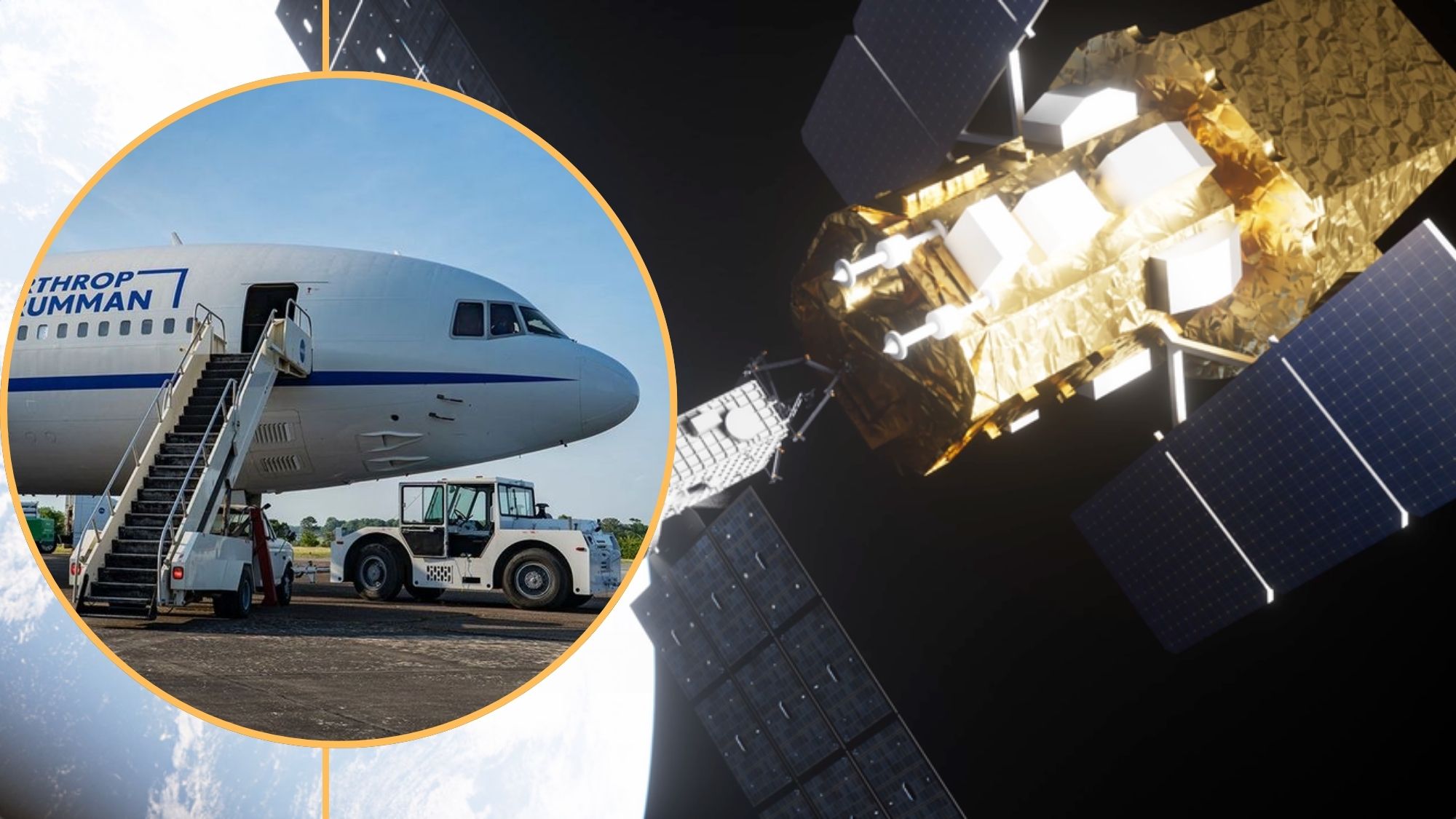
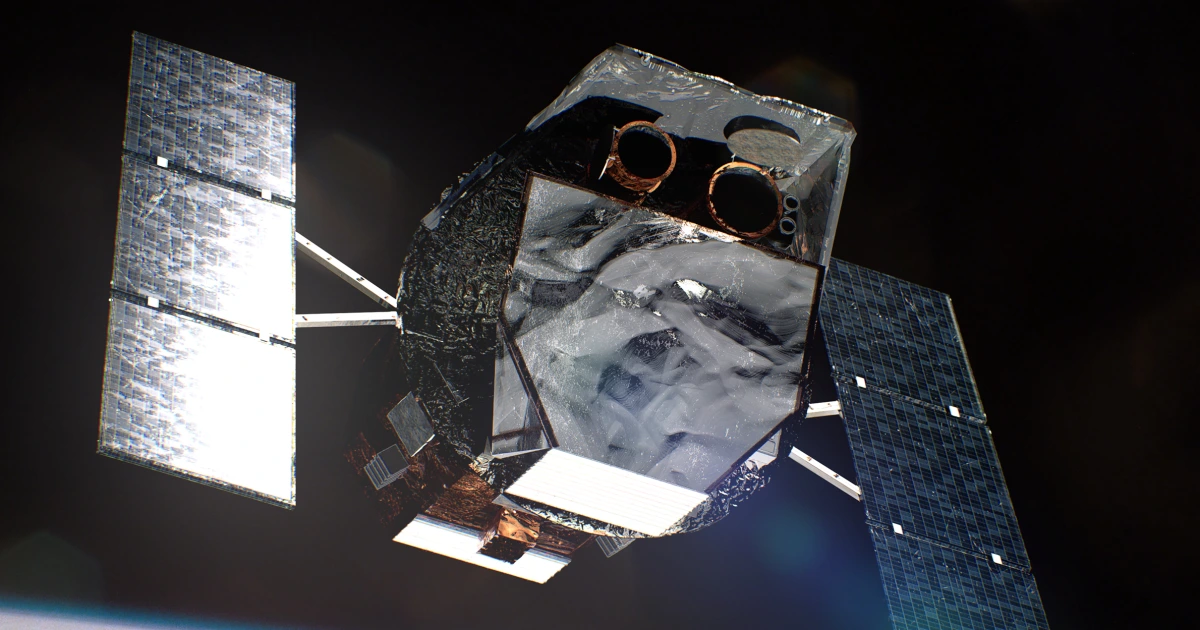
A robotic servicing satellite called LINK, built by Katalyst Space, will blast into orbit on a Northrop Grumman Pegasus XL rocket. LINK will rendezvous with, grapple and slowly raise Swift's altitude over several months, preventing it from re-entering Earth's atmosphere later this year.
"Swift is NASA's multitool when it comes to studying the cosmos," said S. Bradley Cenko, principal investigator, Swift, NASA's Goddard Space Flight Center in Greenbelt, Maryland. "It observes the sky using a wide range of light and rapidly points at short-lived outbursts, alerting other facilities in space and on the ground to help coordinate follow-up observations. For the last two decades, Swift has been a key player in NASA's efforts to understand how the universe works, and we're looking forward to getting back to that work after the boost is complete."