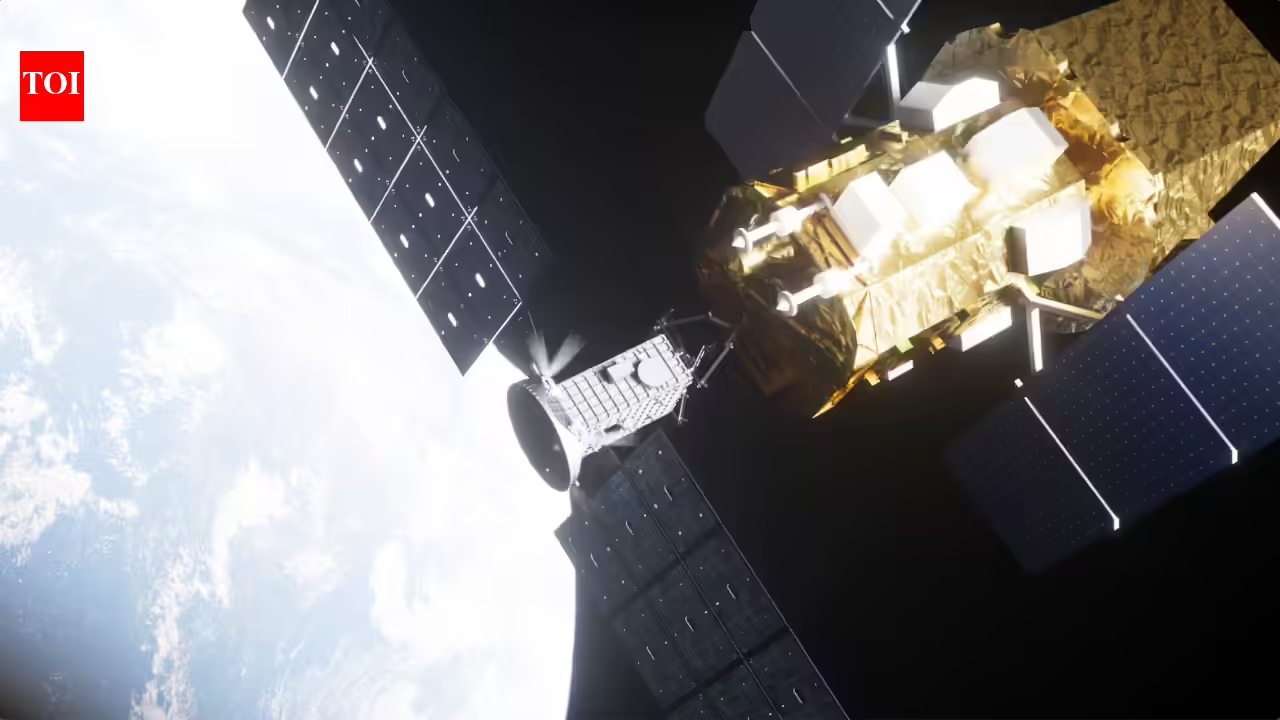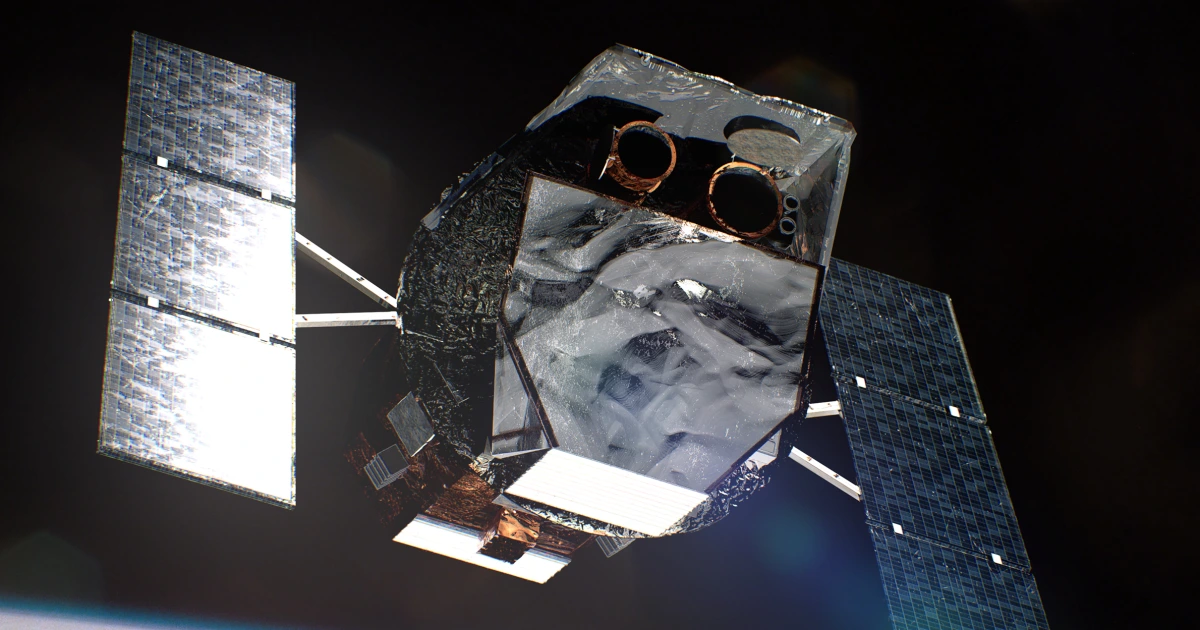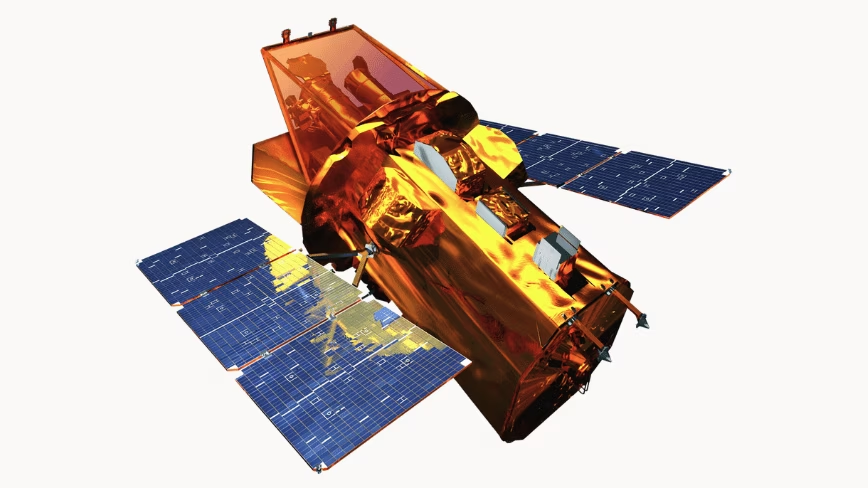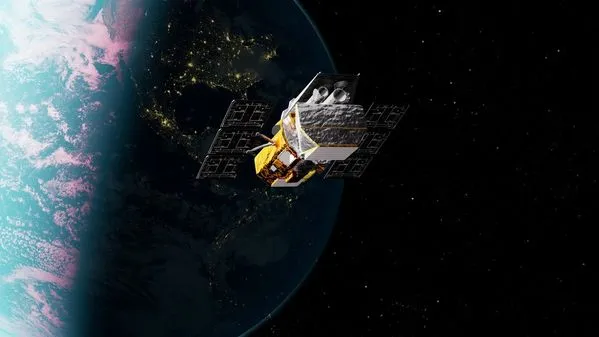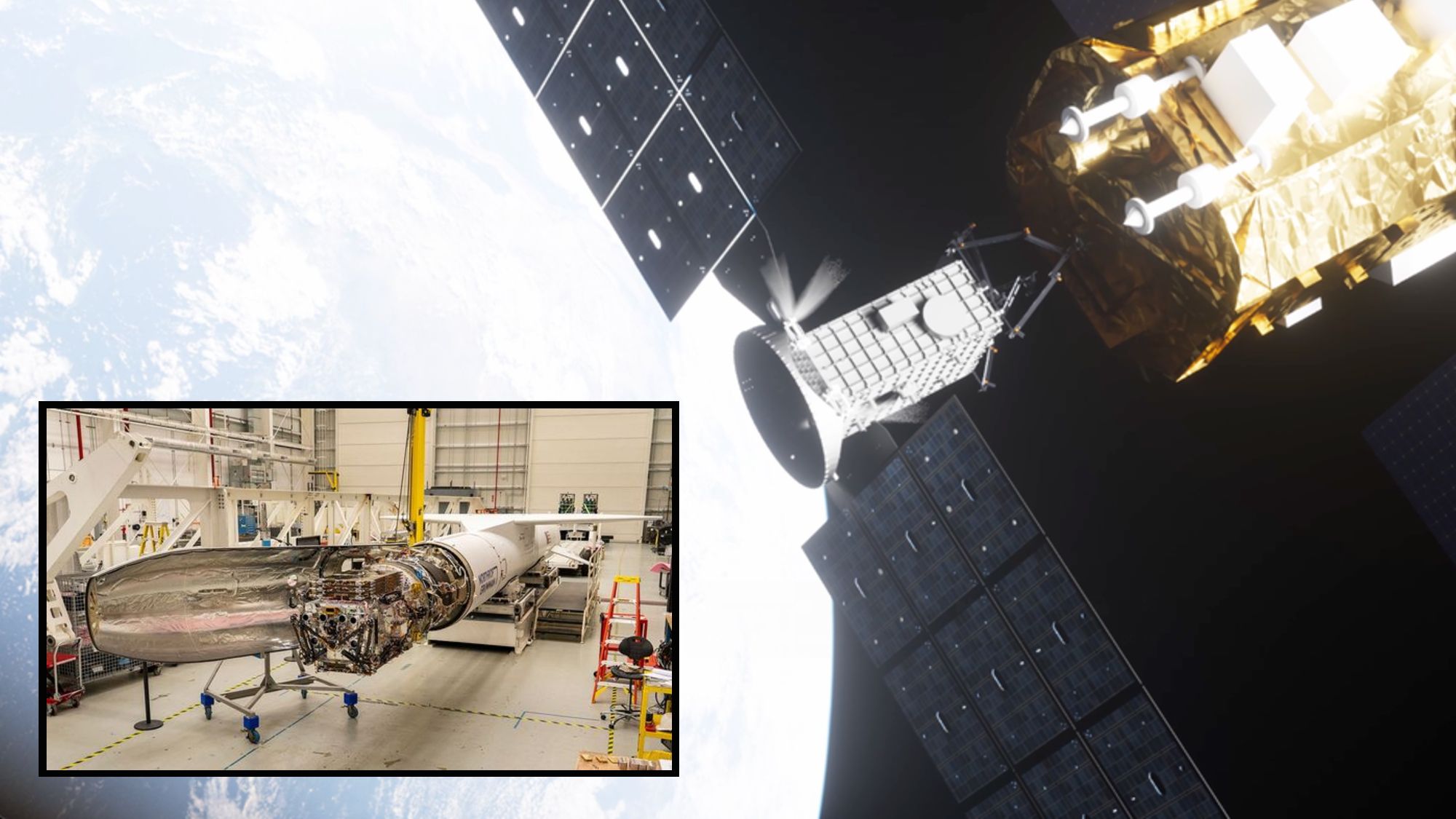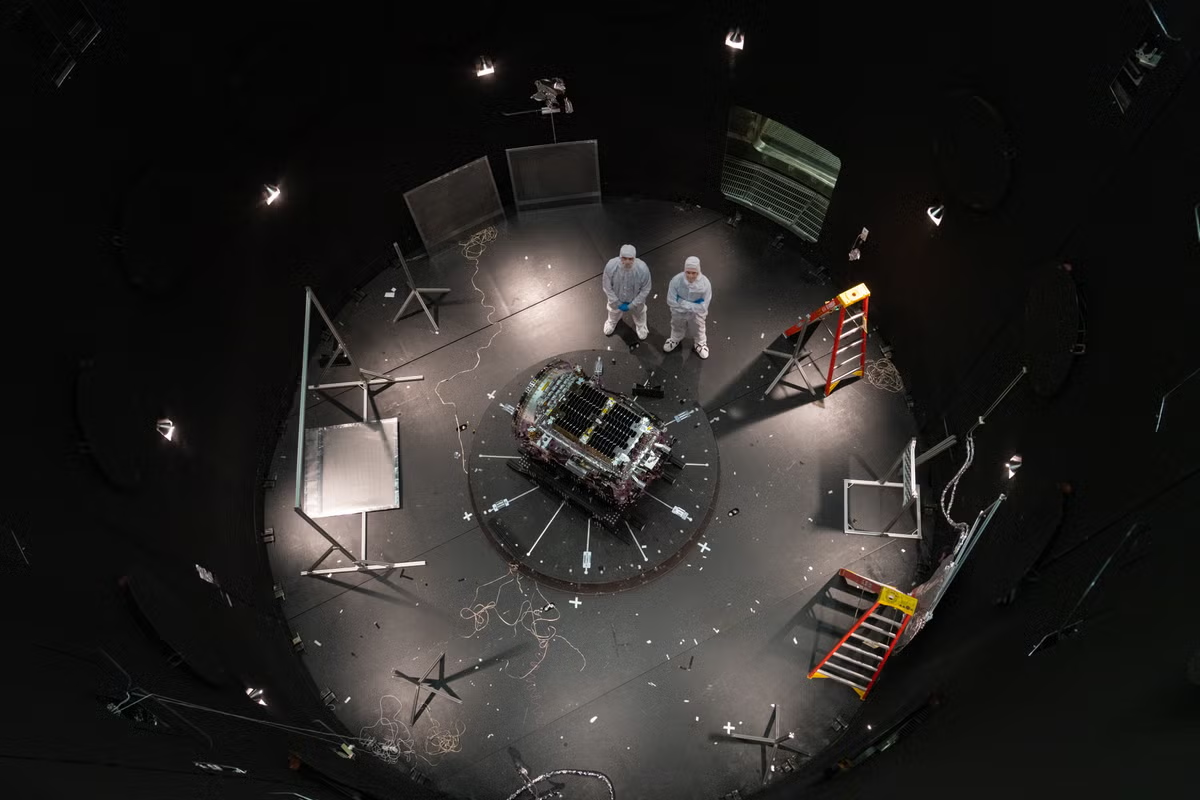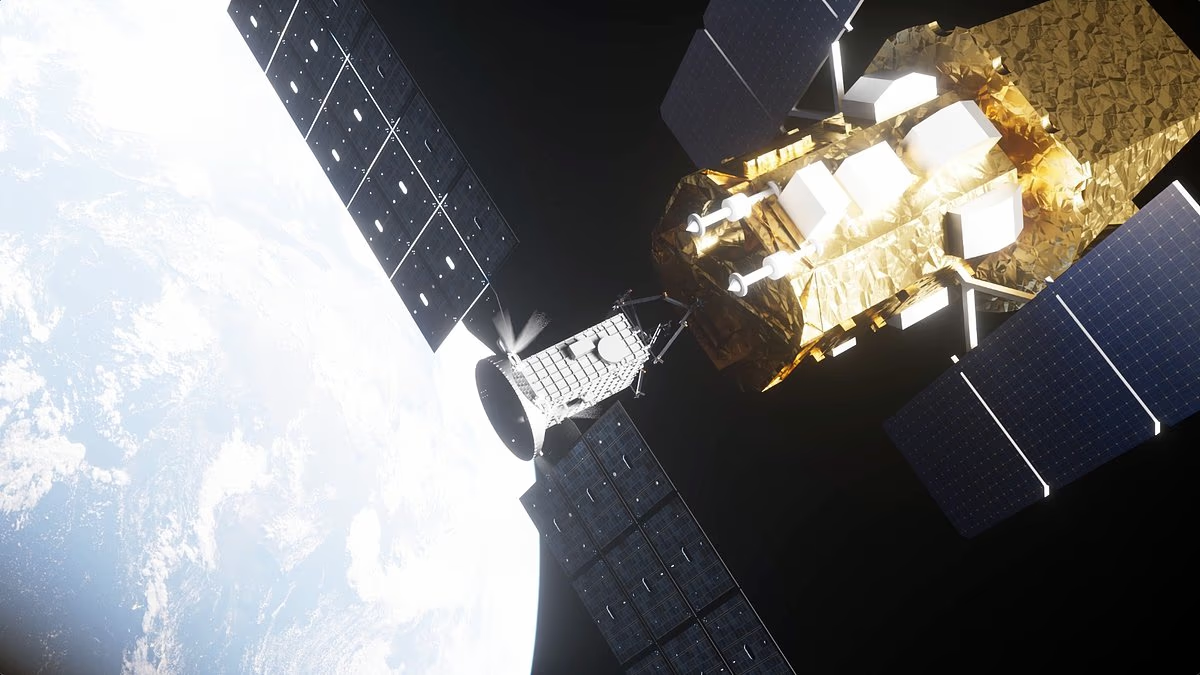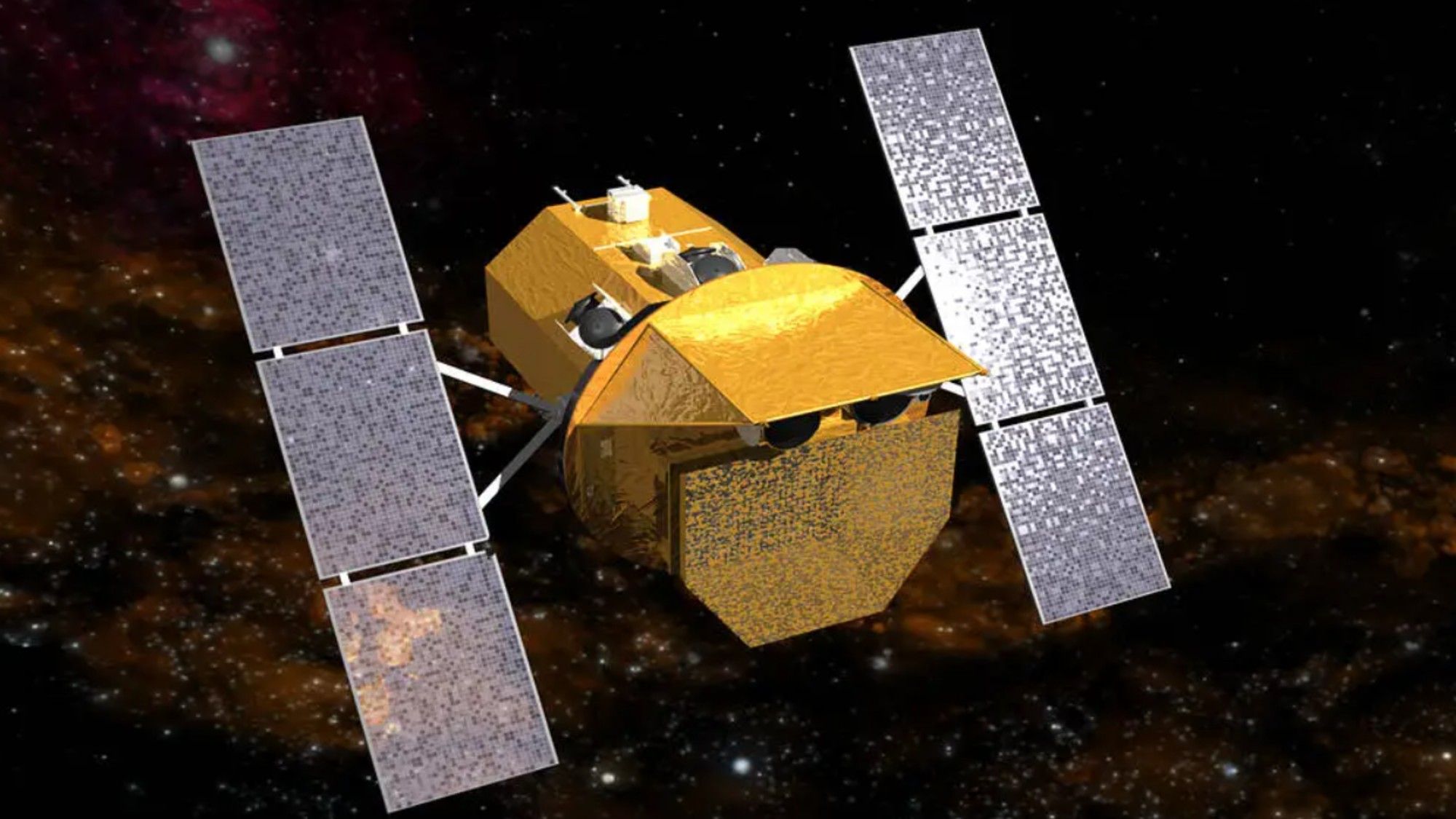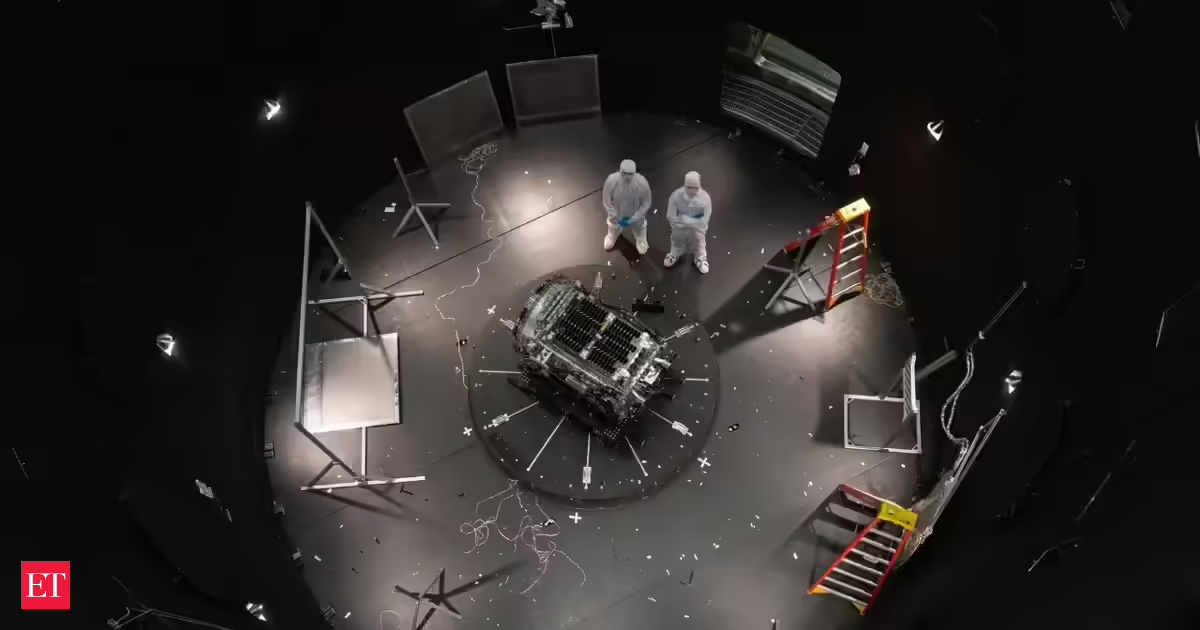
NASA’s Neil Gehrels Swift Observatory is facing a problem that sounds almost impossible: a spacecraft still doing important science is slowly falling toward Earth. The NASA Swift rescue mission is now trying to prevent that ending by sending another spacecraft to capture it, move it higher, and extend its life.Launched in 2004 to detect and track gamma-ray bursts (some of the most violent explosions in the universe), Swift has been an incredibly productive "first responder" for NASA's astrophysics division. However, it faces a major structural limitation: it has no onboard propulsion or thrusters.Recently, intense solar activity has caused Earth's upper atmosphere to heat up and expand. This expansion creates heightened atmospheric drag on satellites operating in Low Earth Orbit (LEO). Without thrusters to fight back against the drag, Swift has been losing altitude rapidly, sinking to roughly 224 miles (360 kilometers). If left alone, it is projected to cross a "point of no return" (185 miles / 300 km) by October and burn up in the atmosphere by the end of the year. To protect its delicate instruments, NASA completely halted Swift's observations in February.The upcoming rescue attempt involves an unusual air-launched Pegasus XL rocket, a robotic spacecraft called LINK, and a carefully planned orbital capture. It is one of the most ambitious examples of satellite servicing ever attempted.The mission is about more than saving one telescope. It is a test of whether humanity can repair, protect, and reuse valuable spacecraft instead of abandoning them when their first mission ends.Why is NASA trying to save the Neil Gehrels Swift Observatory?Space looks empty, but Earth’s low orbit is not completely free of atmosphere. Even hundreds of miles above the planet, tiny traces of gas remain. Over years, those particles create drag, slowly reducing a spacecraft’s altitude.For Swift, that small force has become a major threat. The observatory has no onboard system powerful enough to push itself back into a safer orbit. As the atmosphere changes and expands during periods of higher solar activity, the spacecraft can lose altitude faster than engineers expected. The danger is not a sudden failure. It is a slow countdown.NASA engineers have adjusted Swift’s operations to reduce atmospheric resistance. By changing the spacecraft’s orientation, teams can lower the amount of surface area exposed to the thin upper atmosphere. These small adjustments buy valuable time.But the long-term answer requires something bigger. Swift needs a new push upward, and that means another spacecraft must meet it in orbit.The challenge is extraordinary because Swift was never built to be rescued. It does not have modern docking systems or special repair ports. Engineers must work with a satellite designed more than 20 years ago, using technology that did not exist when it launched.How will a robot catch a spacecraft already moving around Earth?The heart of the mission is LINK, a robotic servicing spacecraft developed by Katalyst Space. Its job is not simply to fly near Swift. It must carefully approach, inspect, capture, and guide the observatory into a higher orbit.That process requires precision. Both spacecraft will be traveling at thousands of miles per hour while orbiting Earth. A small mistake could damage Swift or end the rescue attempt completely.LINK is expected to first study the telescope from close range. The spacecraft will examine Swift’s condition and identify the safest way to attach itself. Only after that inspection will it attempt the capture.The planned approach represents a new chapter in space exploration. Earlier missions focused on launching new spacecraft. This mission asks a different question: what if old spacecraft can be given a second life?That idea could become increasingly important as more satellites age in orbit. Space hardware is expensive, and many spacecraft still have useful instruments long after their original missions. A successful rescue would show that robotic servicing is not just a futuristic concept. It could become a practical tool for maintaining the growing human presence around Earth.Why does Swift still matter after more than 20 years?Swift’s importance comes from its ability to react quickly. Some cosmic events are brief. A gamma-ray burst can appear suddenly and fade before many telescopes have a chance to observe it. Swift acts like an early warning system for the universe. When it detects a powerful event, it can alert other observatories so they can study the explosion from different angles.Gamma-ray bursts are among the brightest explosions known. They can reveal how massive stars collapse, how black holes form, and how extreme physics works in distant parts of space.The telescope also observes the universe in multiple wavelengths, including X-ray, ultraviolet, and visible light. That allows scientists to build a more complete picture of cosmic events.The value of Swift is not only in what it discovers. It is also in how quickly it connects scientists around the world to important moments happening billions of light-years away. Saving Swift means preserving a scientific tool that still has many questions left to answer.FAQs: 1. Why do old satellites become difficult to keep in orbit? Satellites in low Earth orbit constantly interact with their environment. Even tiny particles in the upper atmosphere can create resistance over long periods. Spacecraft also age because their systems were built for specific mission timelines, making upgrades or repairs much harder once they are far from Earth.2. Could humans repair satellites like they repair machines on Earth? Not easily. Space repairs are extremely complex because astronauts or robots must work in a vacuum, handle delicate equipment, and operate with limited communication time. Future missions may rely more on autonomous robots that can inspect, repair, refuel, or relocate spacecraft without human crews nearby.3. Why is satellite servicing becoming important for future space exploration? Launching a new spacecraft often requires years of planning and enormous costs. If valuable satellites can be maintained or upgraded, space agencies could extend missions, reduce waste, and make better use of technology already in orbit.4. What happens to spacecraft when they are no longer useful? Many satellites eventually fall into Earth’s atmosphere and burn up. Others are moved into higher “graveyard orbits” where they no longer interfere with active spacecraft. Managing retired satellites is becoming a major part of responsible space operations.
NASA is racing to save a legendary Space telescope before it falls back to Earth
NASA is executing an unprecedented, first-of-its-kind rescue mission to save the Neil Gehrels Swift Observatory, a highly successful 21-year-old space telescope that is rapidly sinking toward Earth. If successful, the $30 million "Swift Boost" salvage operation could mark the beginning of a brand-new era for commercial in-orbit satellite servicing.
1,022 words~5 min read