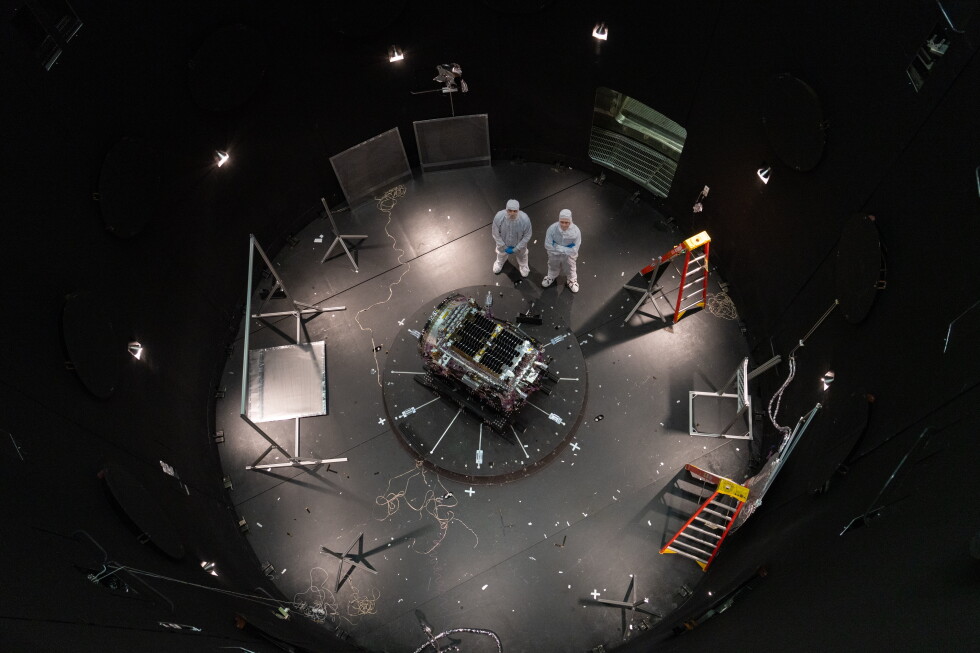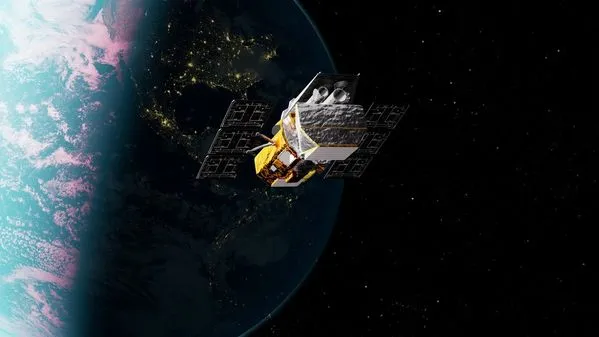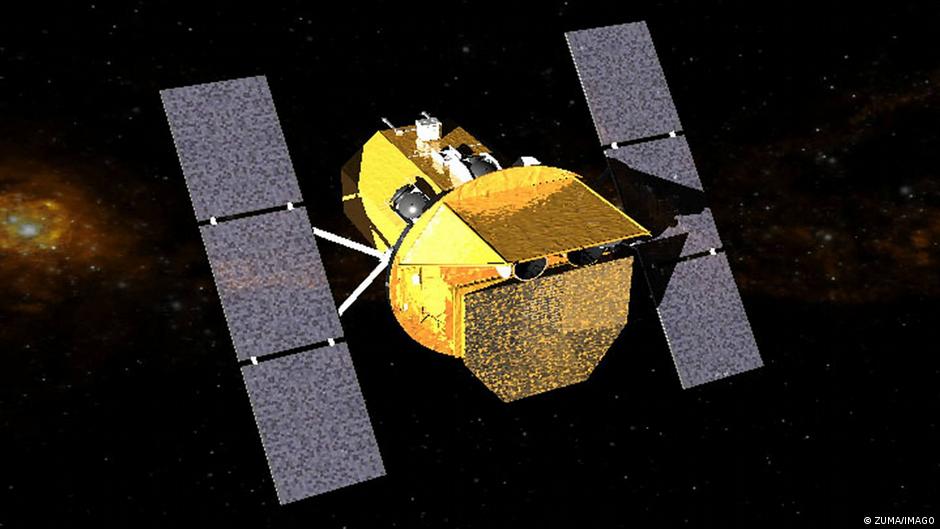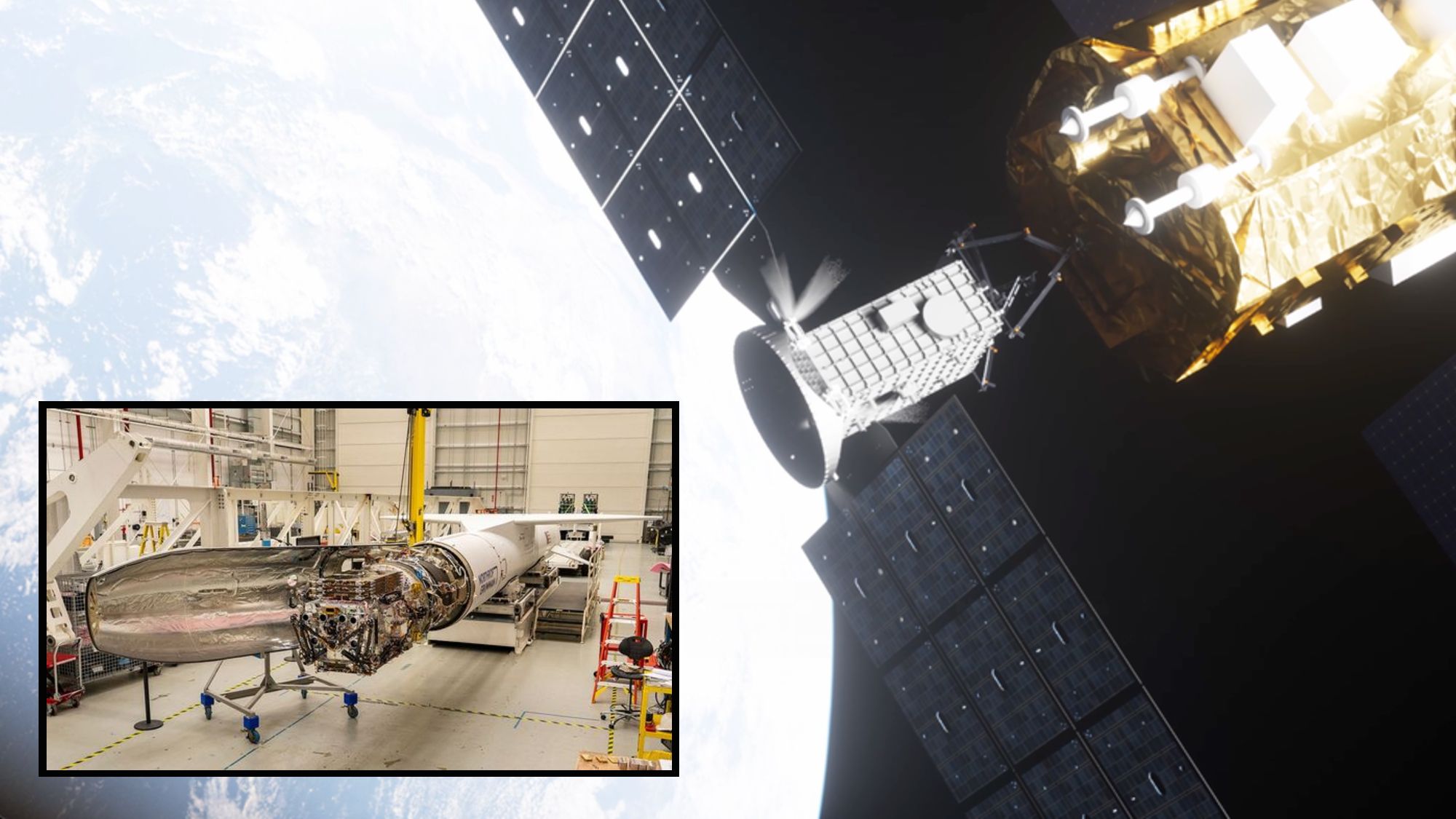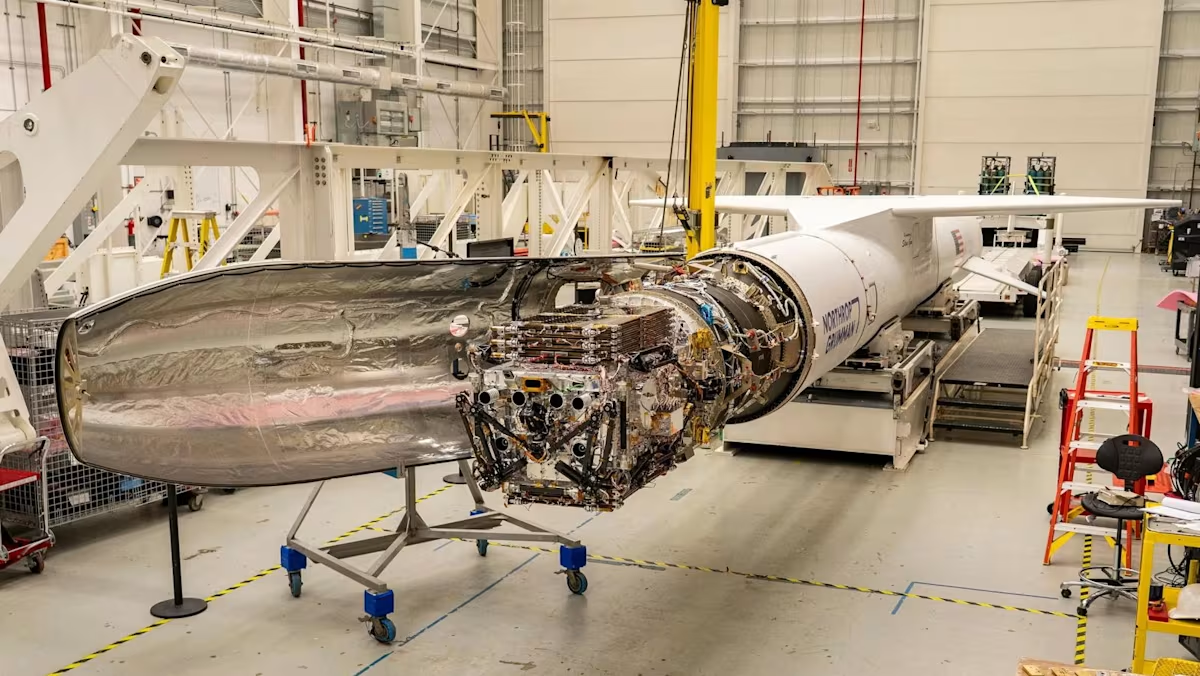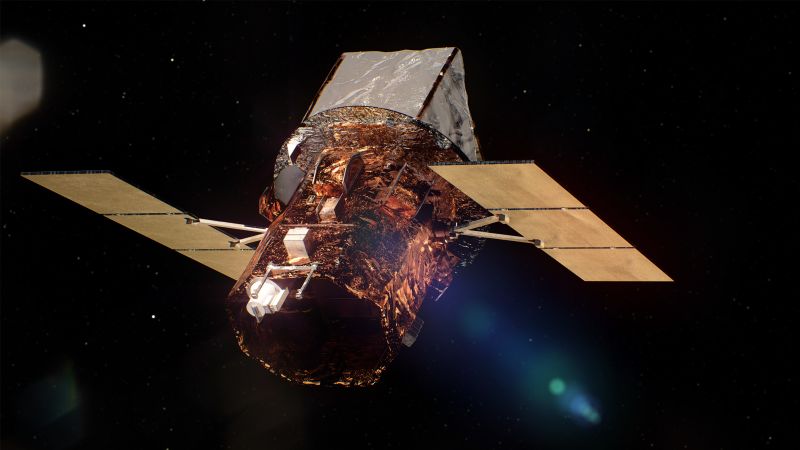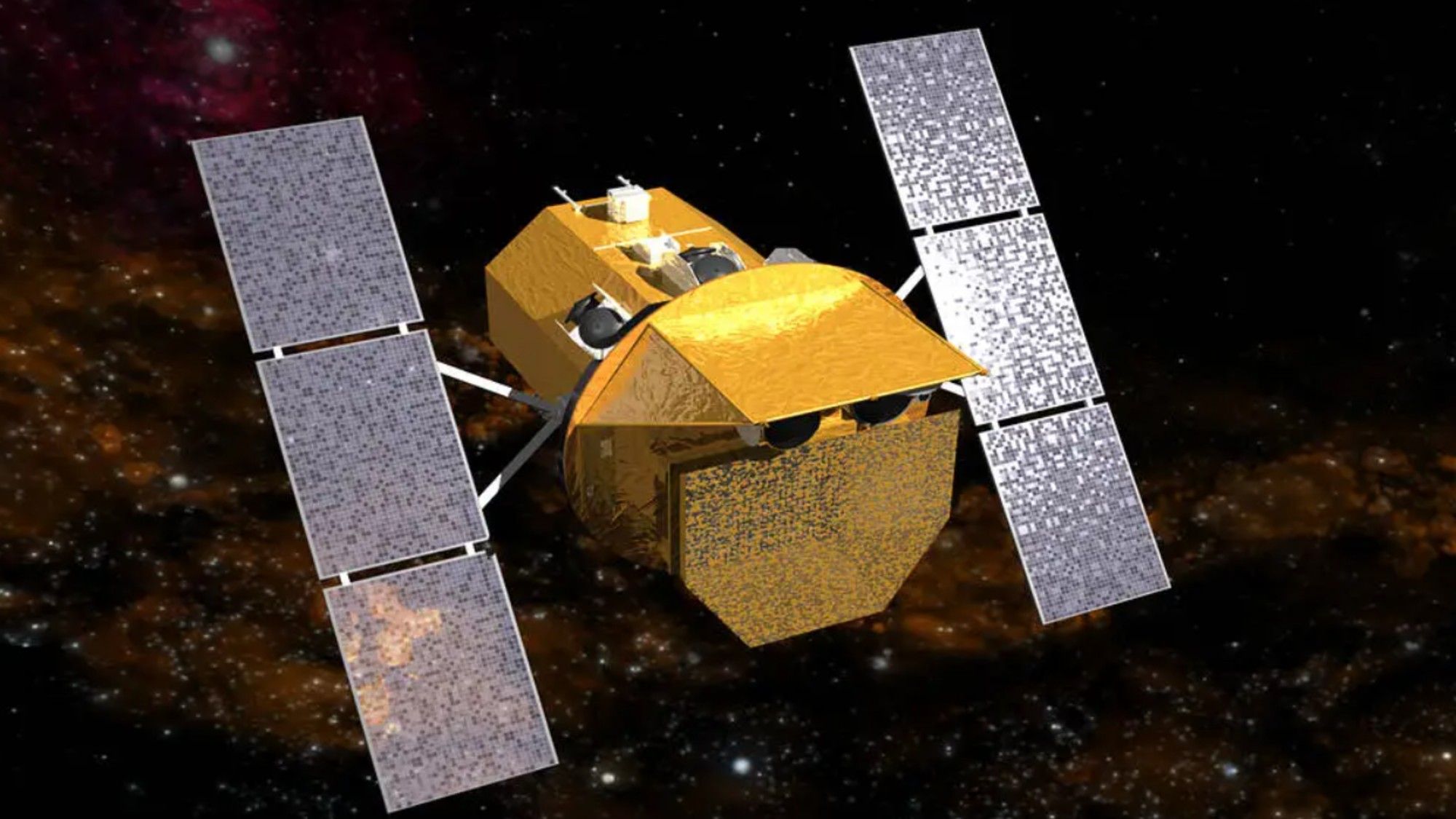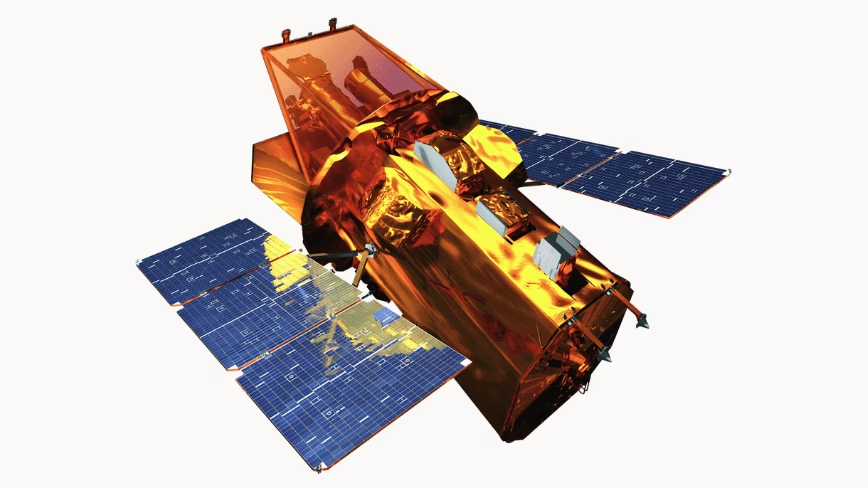
Swift has watched the sky since 2004, catching some of the universe’s biggest explosions. Now it is sinking, and time is short. NASA is paying Katalyst Space Technologies about $30mn to save it, the Associated Press reported. Liftoff could come as early as Tuesday.
The plan sounds simple and is anything but. Reach a satellite nobody designed for capture, grab it, and lift it higher.
Why Swift is falling
Every satellite in low orbit fights a slow drag from the thin air up there. The Sun makes it worse. Intense solar activity has puffed up the atmosphere, and the extra drag now pulls Swift down faster than NASA expected.
The telescope now orbits at about 360km. Left alone, it would drop below 300km by October, past the point where a rescue could still work. After that comes re-entry and a fiery end for a working observatory. NASA has already switched off Swift’s instruments to slow the fall, and science observations stopped in February.