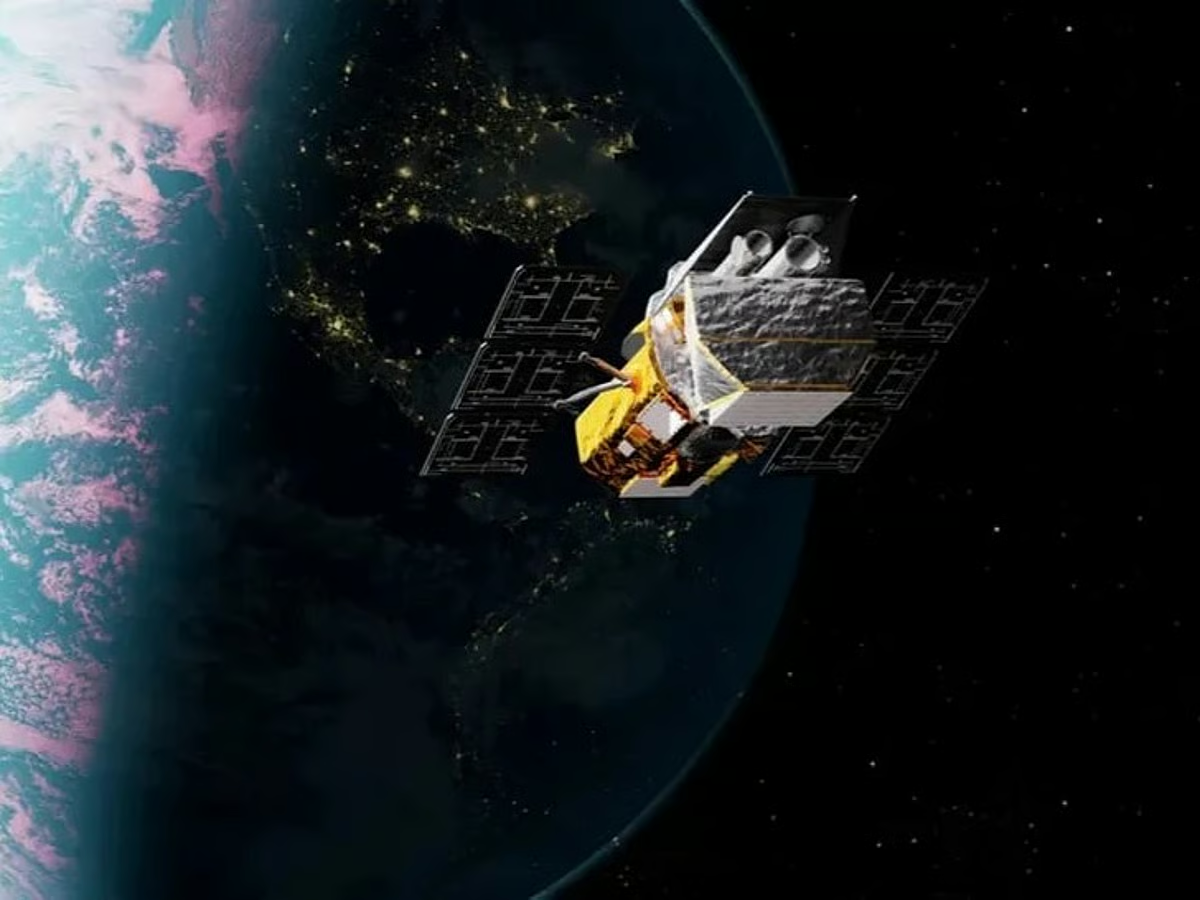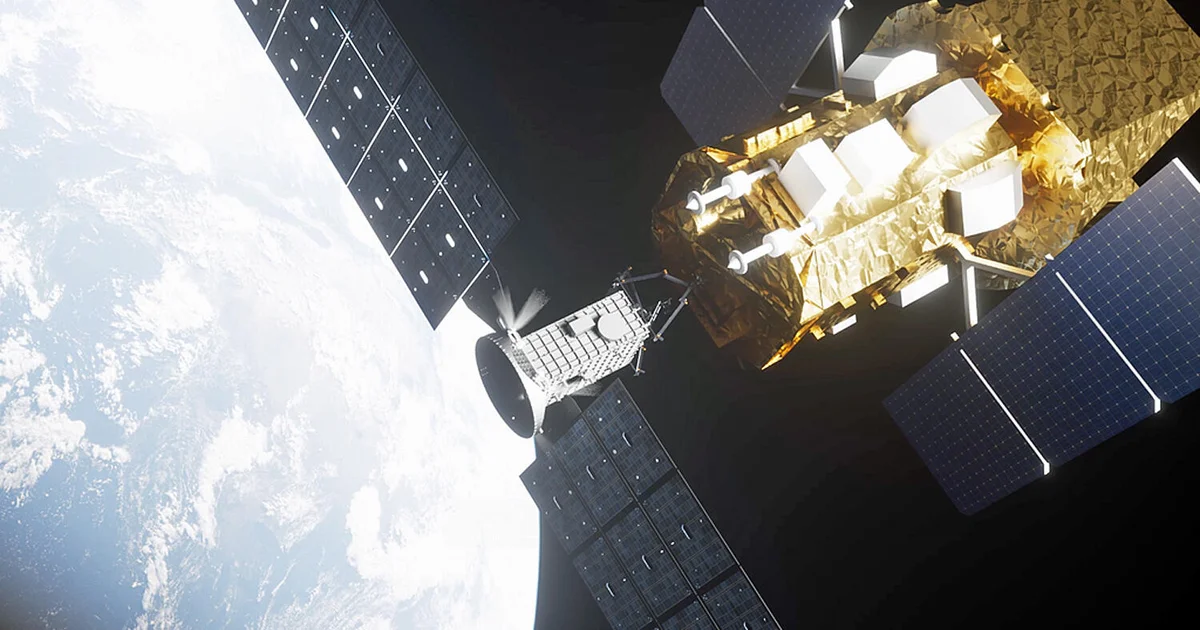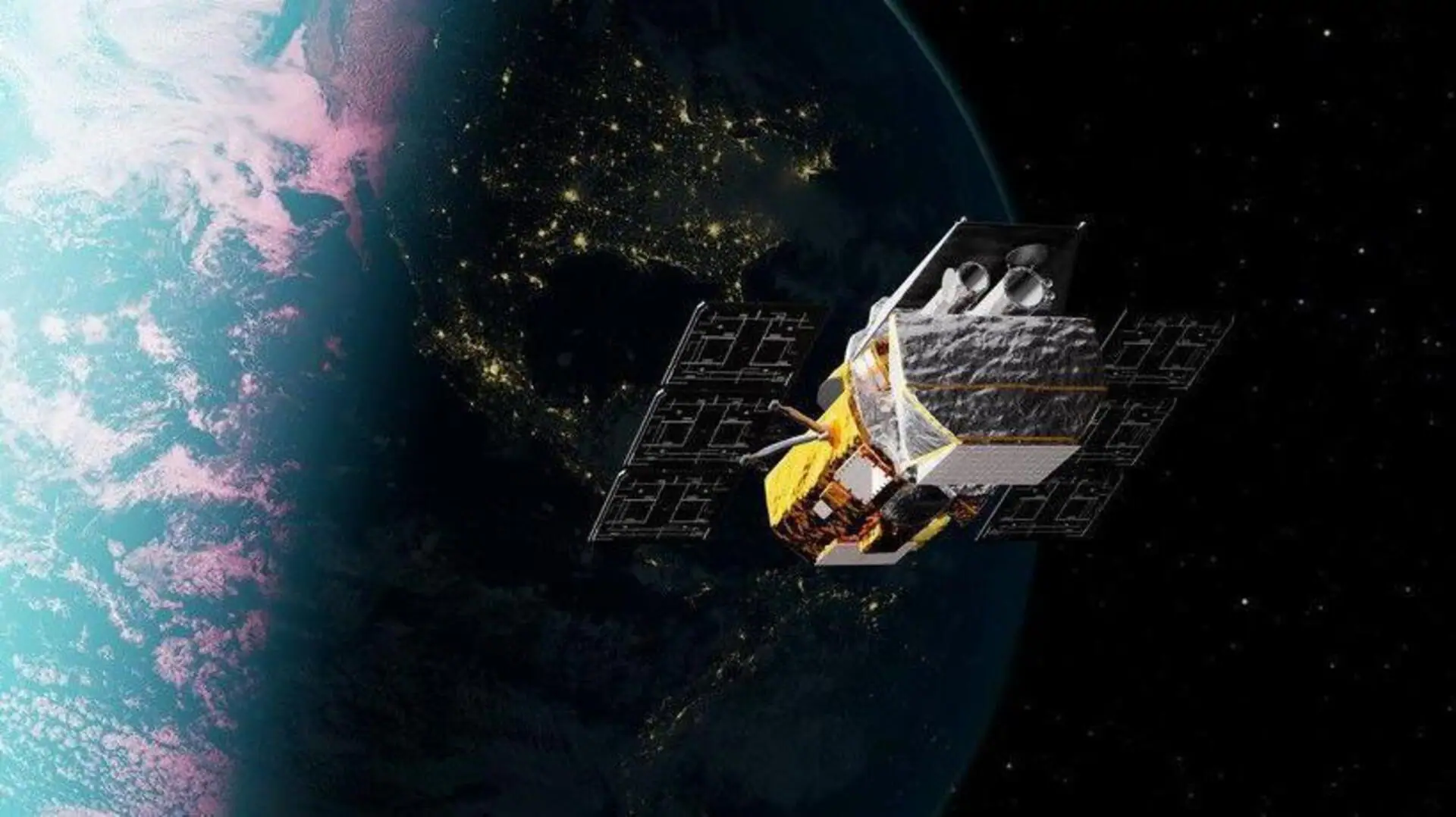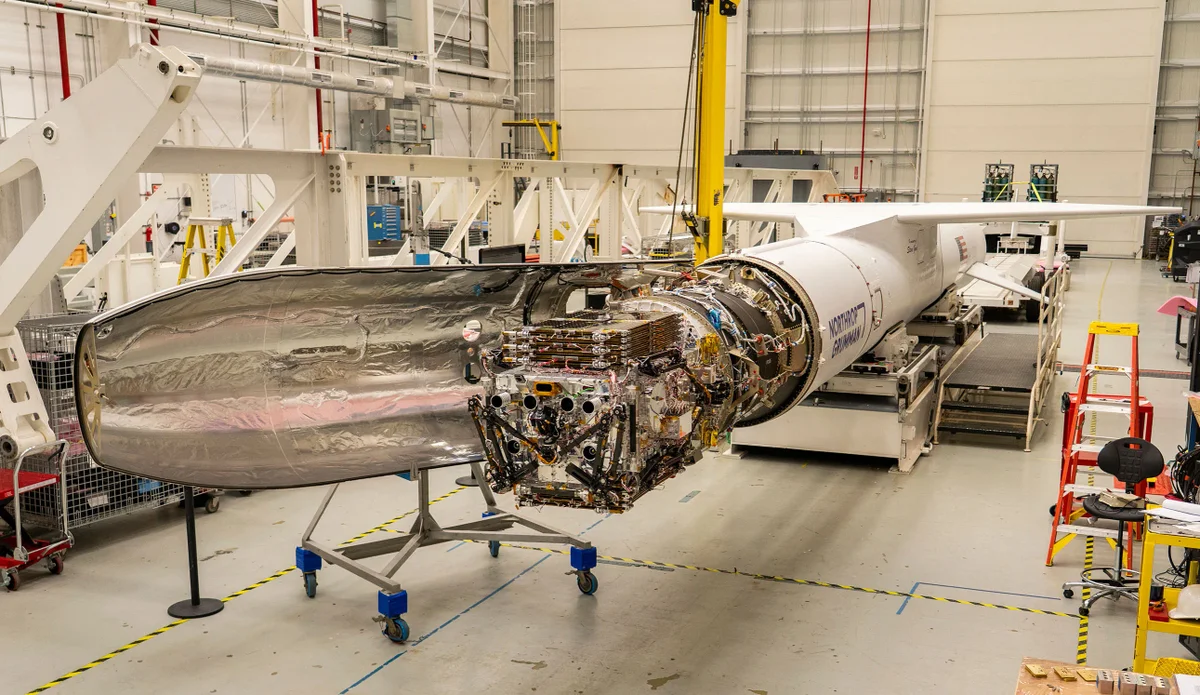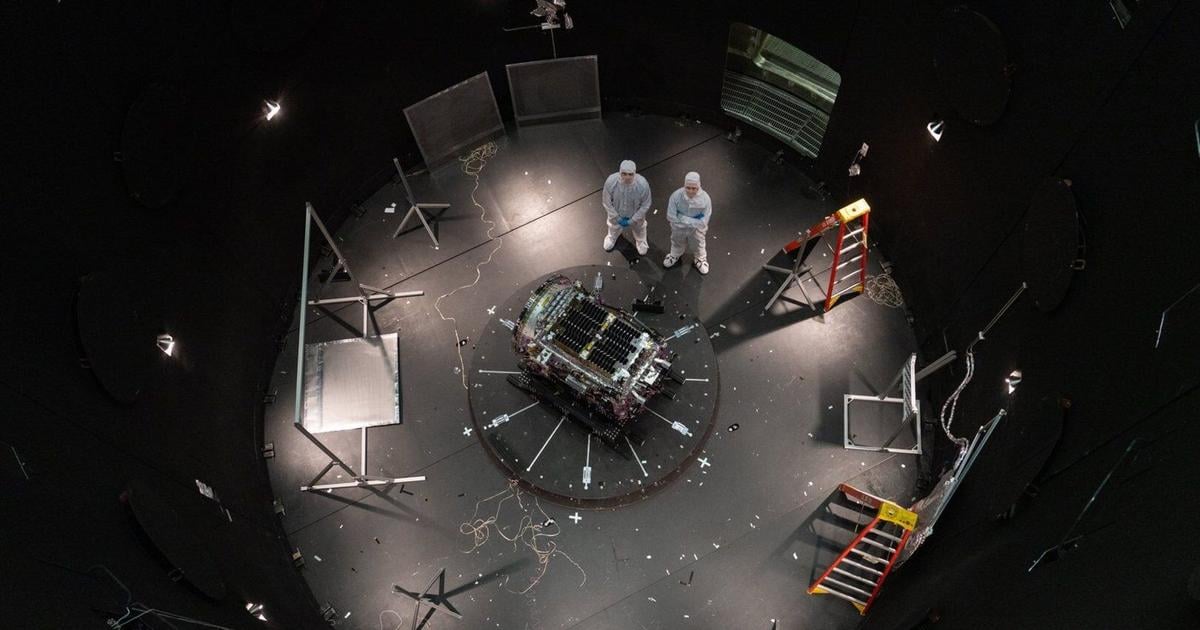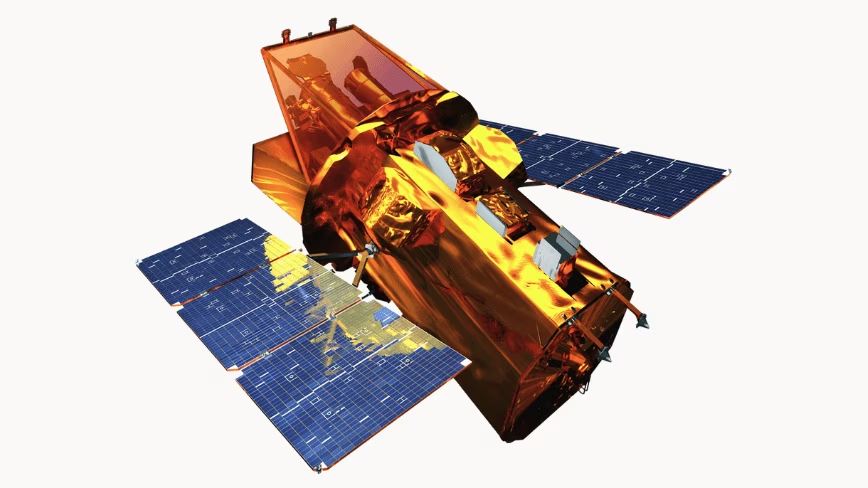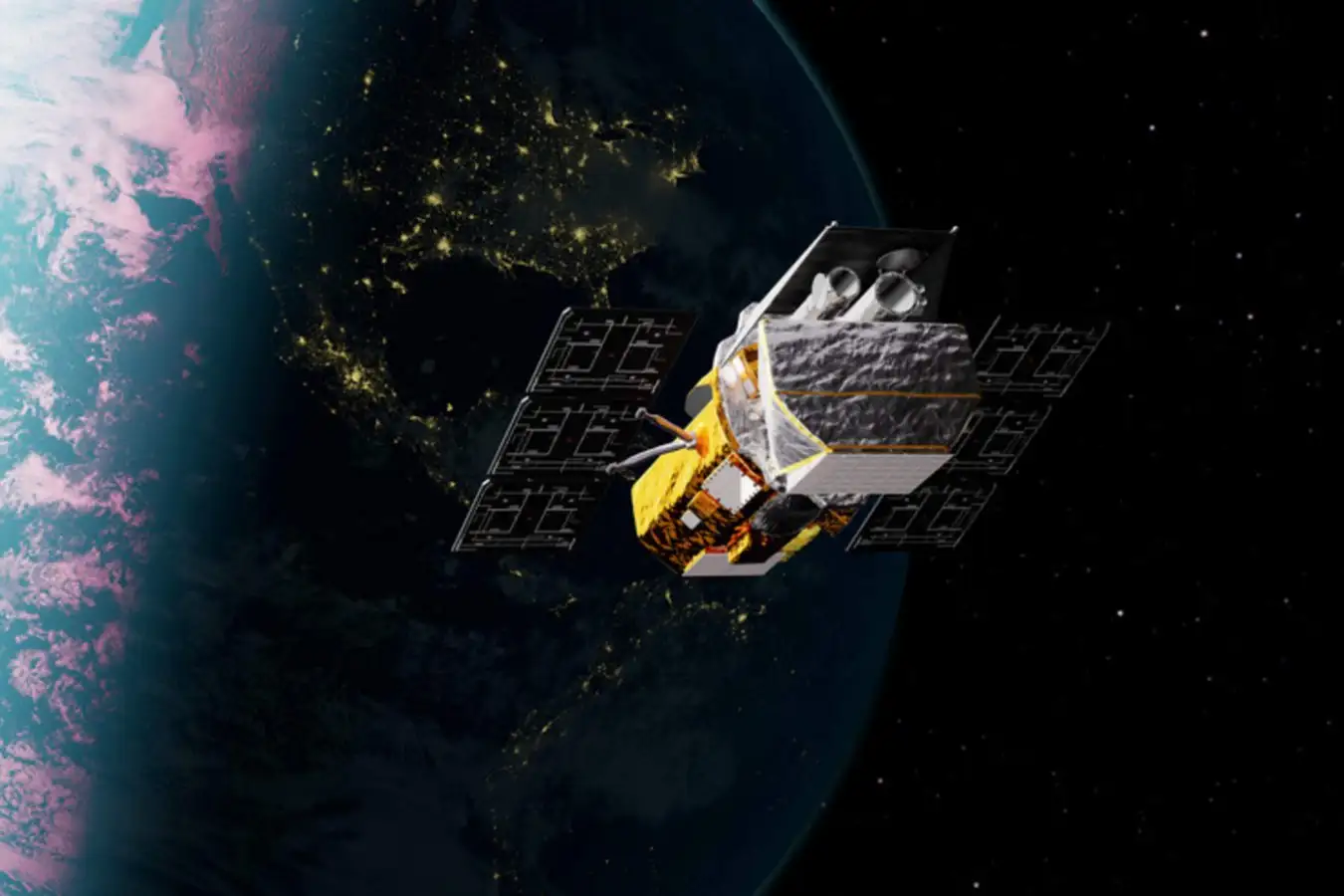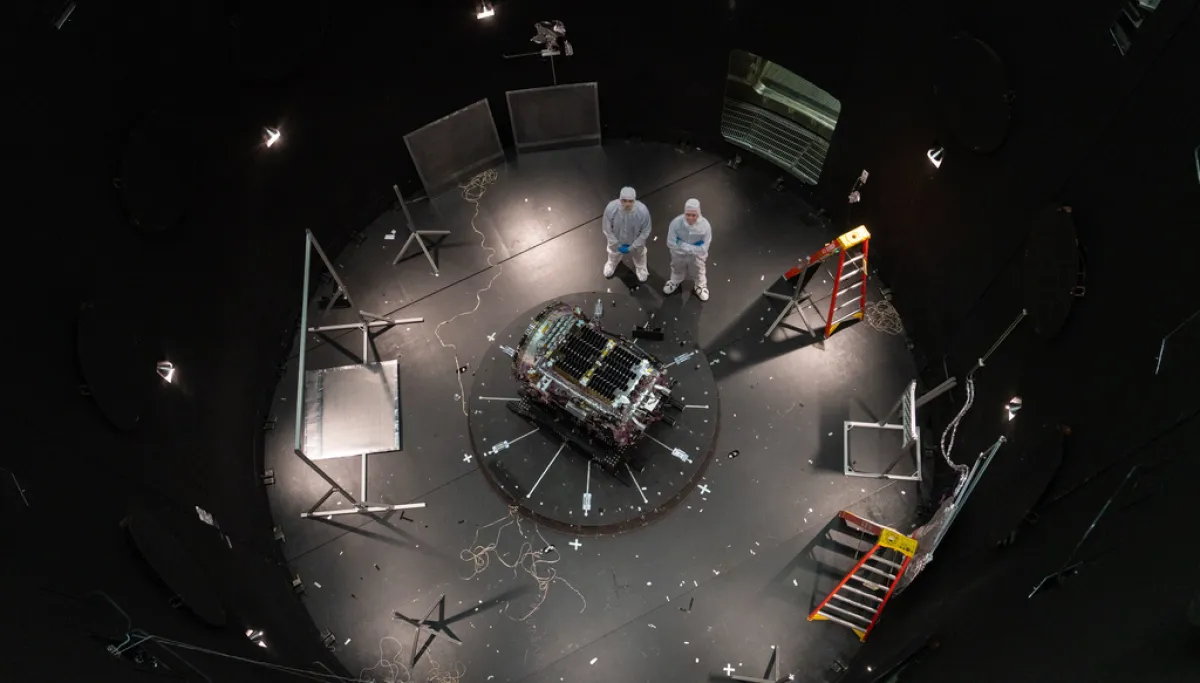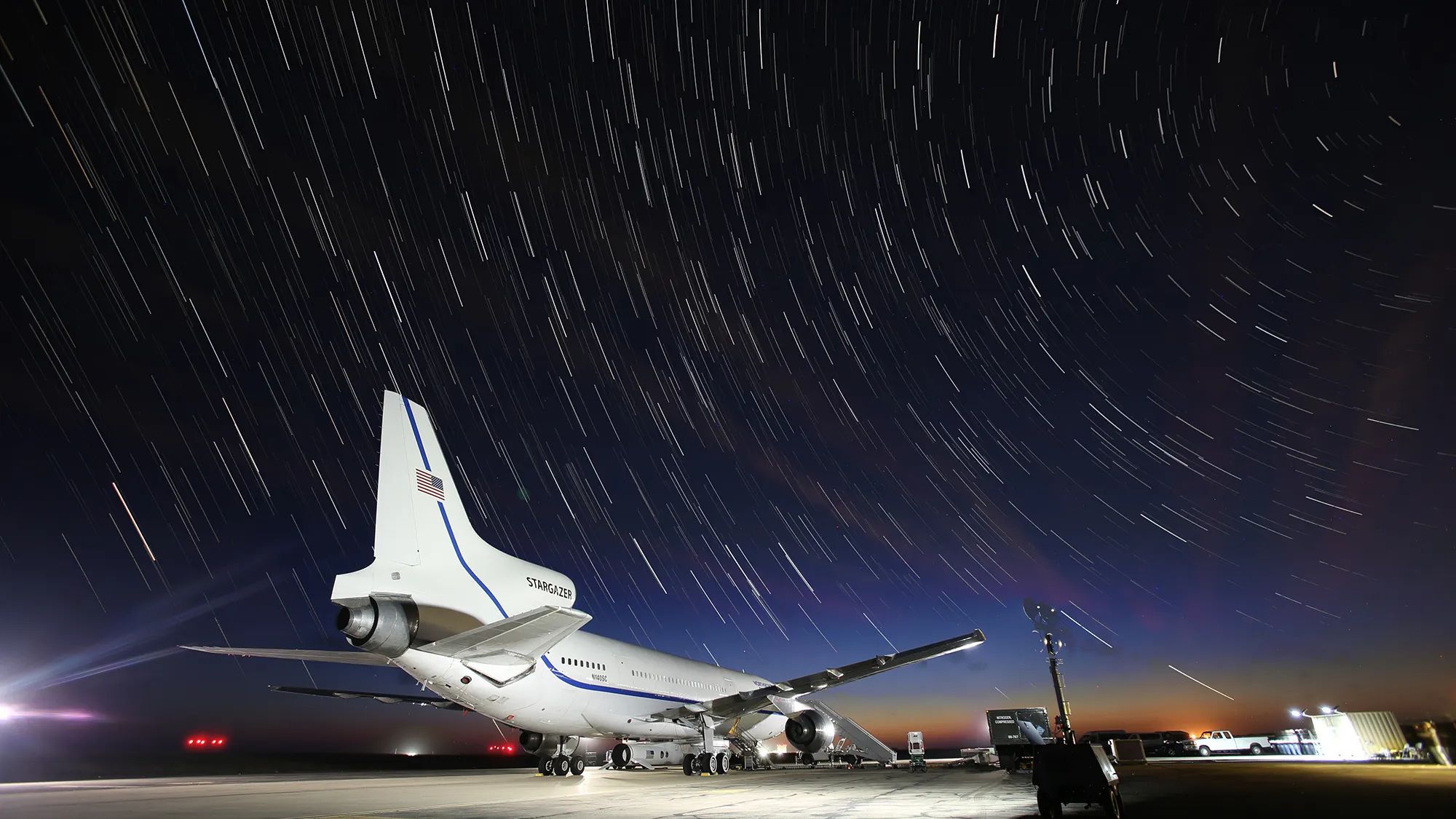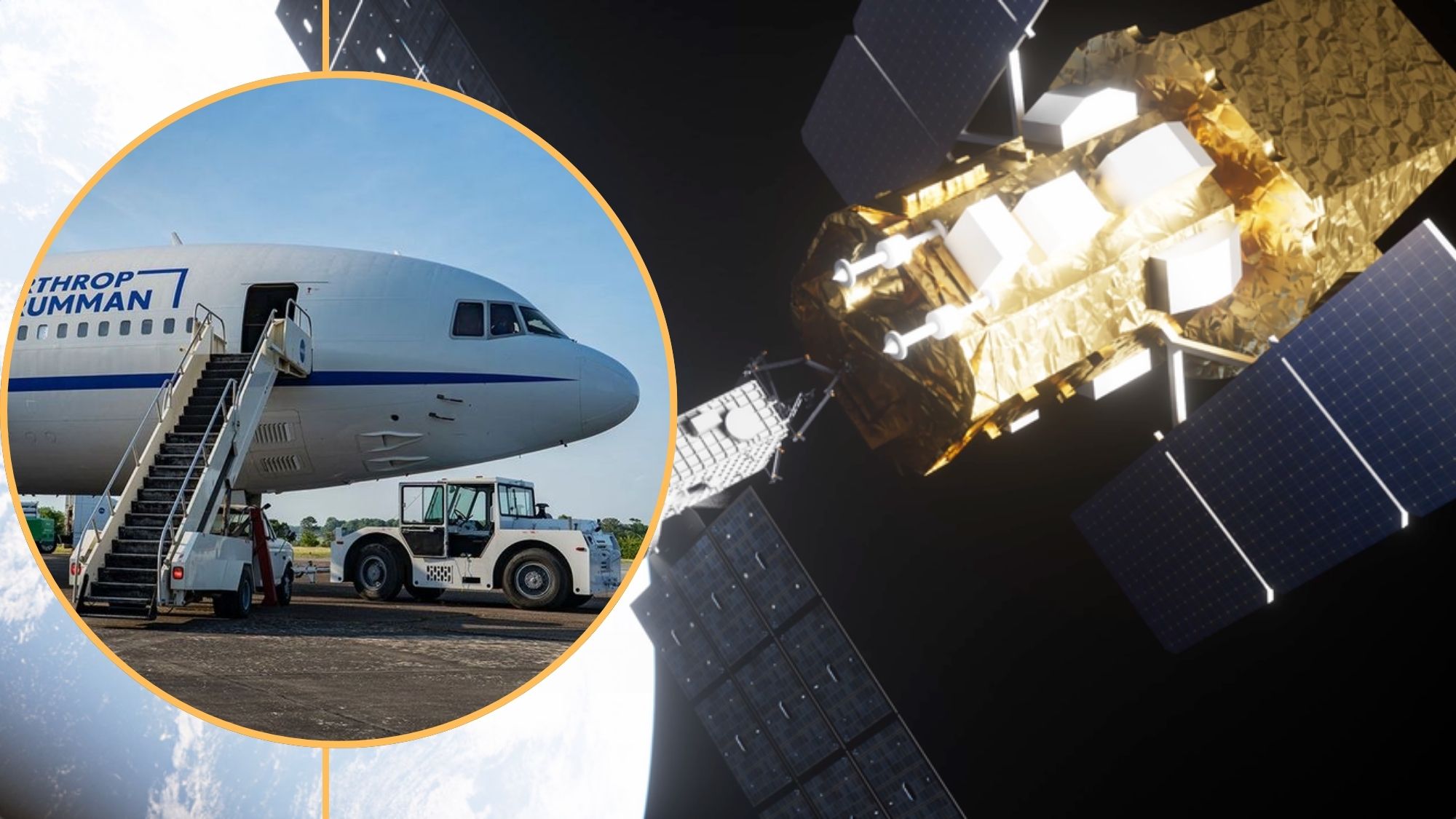
An air-launched Northrop Grumman Pegasus XL rocket has flown for the very last time, sending a private spacecraft on a rescue mission to save one of NASA's most iconic space telescopes from falling back to Earth.The Swift Boost mission successfully launched the LINK satellite, built by Arizona-based Katalyst Space Technologies, on Friday (July 3) at 4:36 a.m. EDT (0836 GMT), according to NASA. LINK will rendezvous with NASA's Neil Gehrels Swift Observatory and tow it to a stable orbit, saving it from impending destruction as its trajectory dips farther into the atmosphere.The Pegasus XL rocket was released from Northrop Grumman's L-1011 Stargazer jet above the Marshall Islands before igniting its engine and carrying LINK into orbit. The successful launch came after previous attempts were called off due to weather and a software issue affecting the rocket's navigation system.Pegasus is a three-stage, solid rocket-propelled launch vehicle that measures 55 feet in length (16.9 meters), capable of delivering up to 1,000 pounds (454 kg) into low-earth orbit (LEO). Following its separation from the Stargazer, the rocket's stages are ignited in sequence to reach its intended altitude in about 10 minutes.Pegasus debuted in 1990, and has since flown 45 missions. Its aerial deployment and flexibility to take off from different airfields allows the rocket to enter hard-to-reach orbital inclinations that are inaccessible from many major spaceports. That's one of the reasons Pegasus is launching LINK, a robotic servicing satellite that can reach Swift's low 20.6-degree inclination relative to Earth's equator.Another reason NASA chose the Pegasus rocket for this mission was time, which is running out for Swift. The $500 million Swift Observatory was launched in November 2004 to study gamma-ray bursts and other high-energy events across the universe. And, despite its more than 20 years of operation, Swift is still providing scientific value.Its orbit, though, has begun to dip dangerously low, where recent solar activity has increased atmospheric drag at higher LEO altitudes and will soon overcome the spacecraft, dragging it to its ultimate demise. Swift, unfortunately, was not designed to be serviced, and wasn't built with the thrusters it needs to raise its own orbit.Enter LINK.After its release from Pegasus' payload bay and initial systems checkouts, the Katalyst spacecraft will begin its long course to rendezvous with Swift. Before beginning its final approach, LINK will spend two to three weeks performing observations of Swift to assess optimal grapple points on the observatory.
NASA launches rescue mission to save the Swift space telescope
NASA has launched the LINK spacecraft on a mission to rendezvous with the aging Swift observatory and boost it into a higher orbit before reentry.
619 words~3 min read