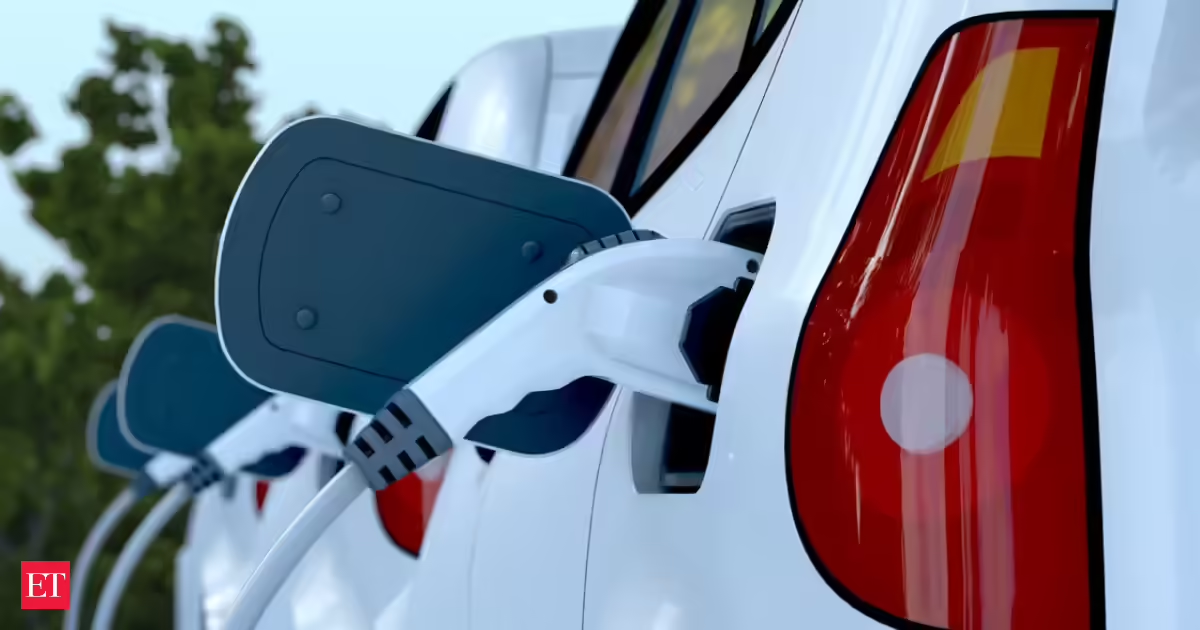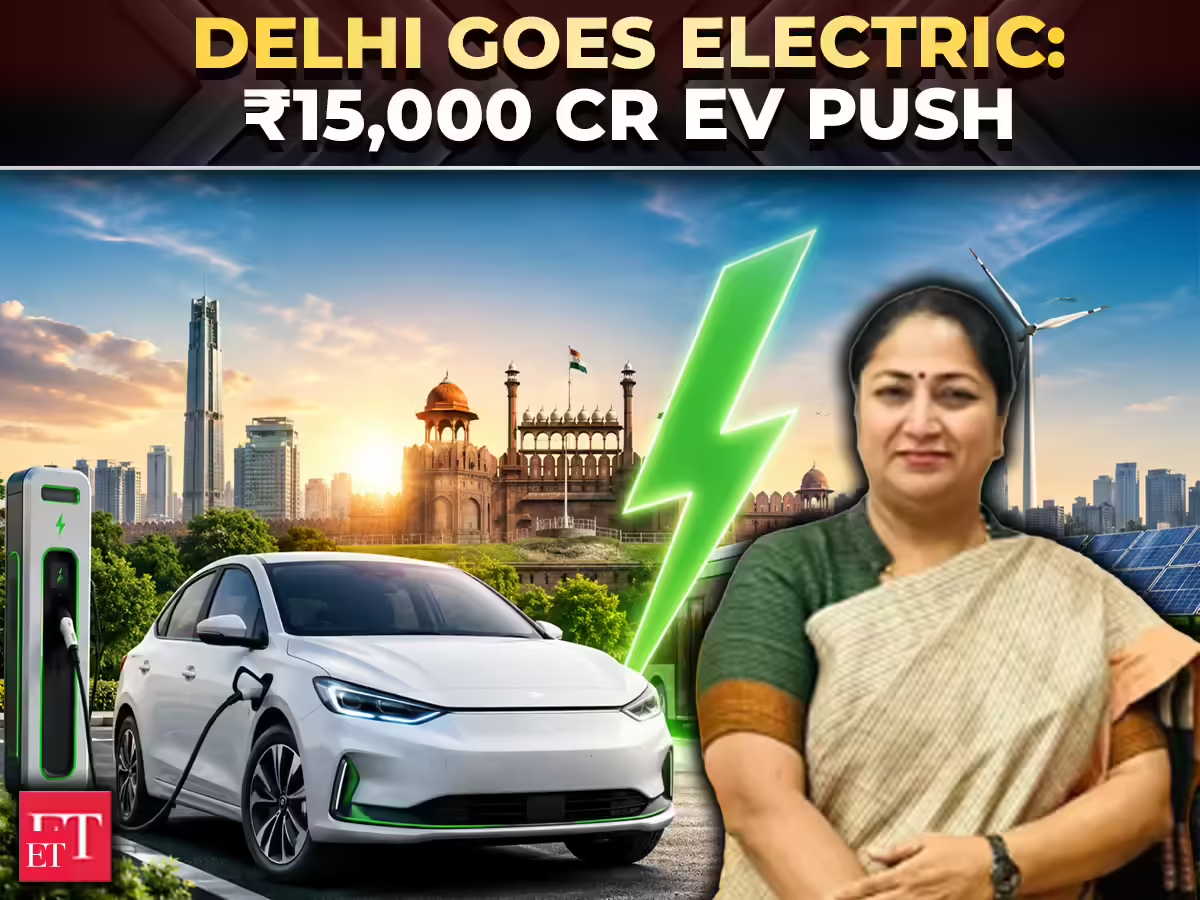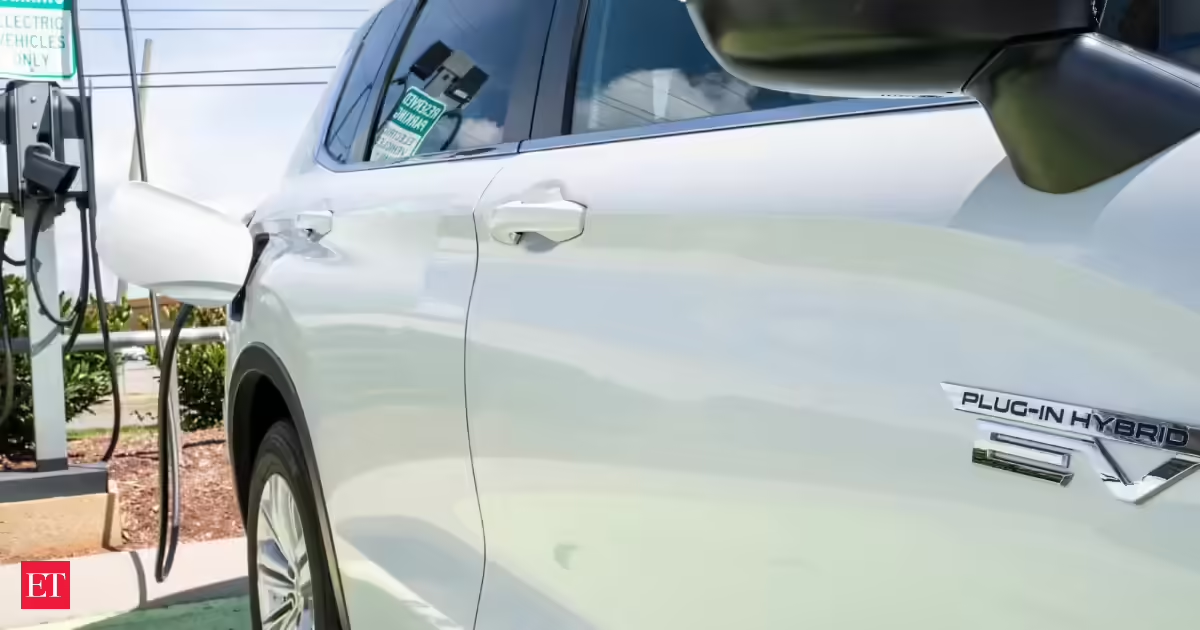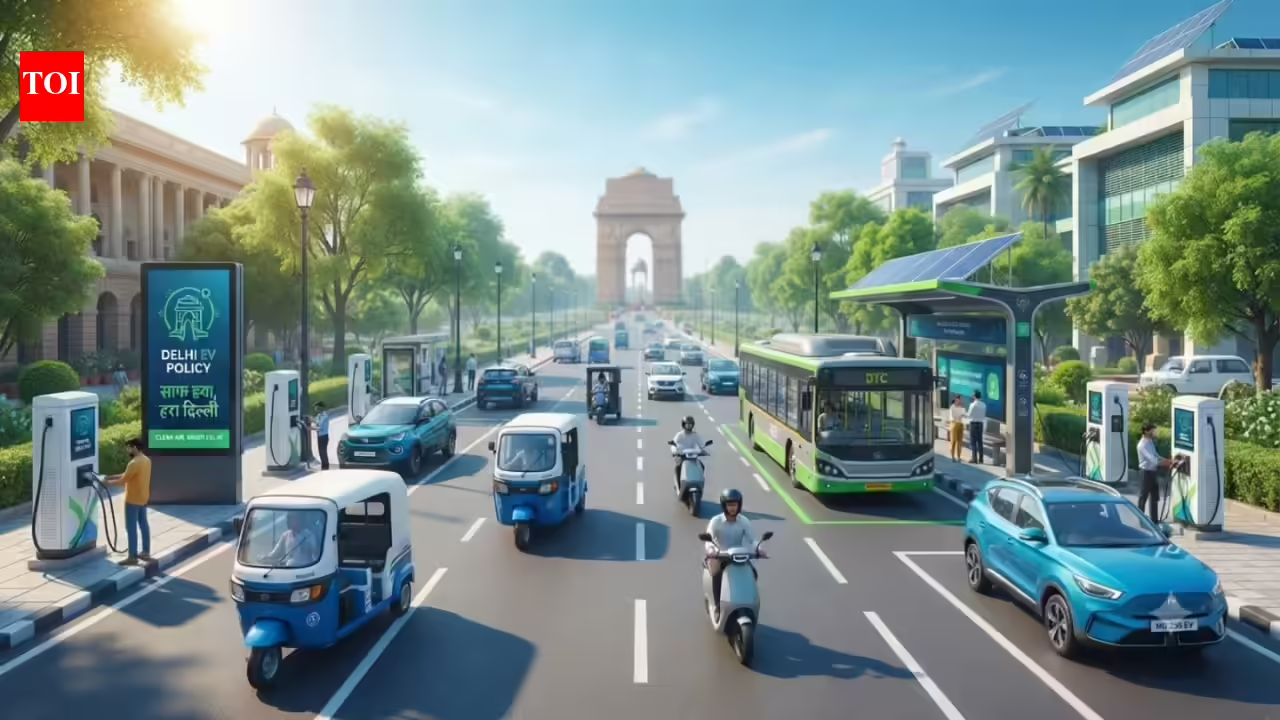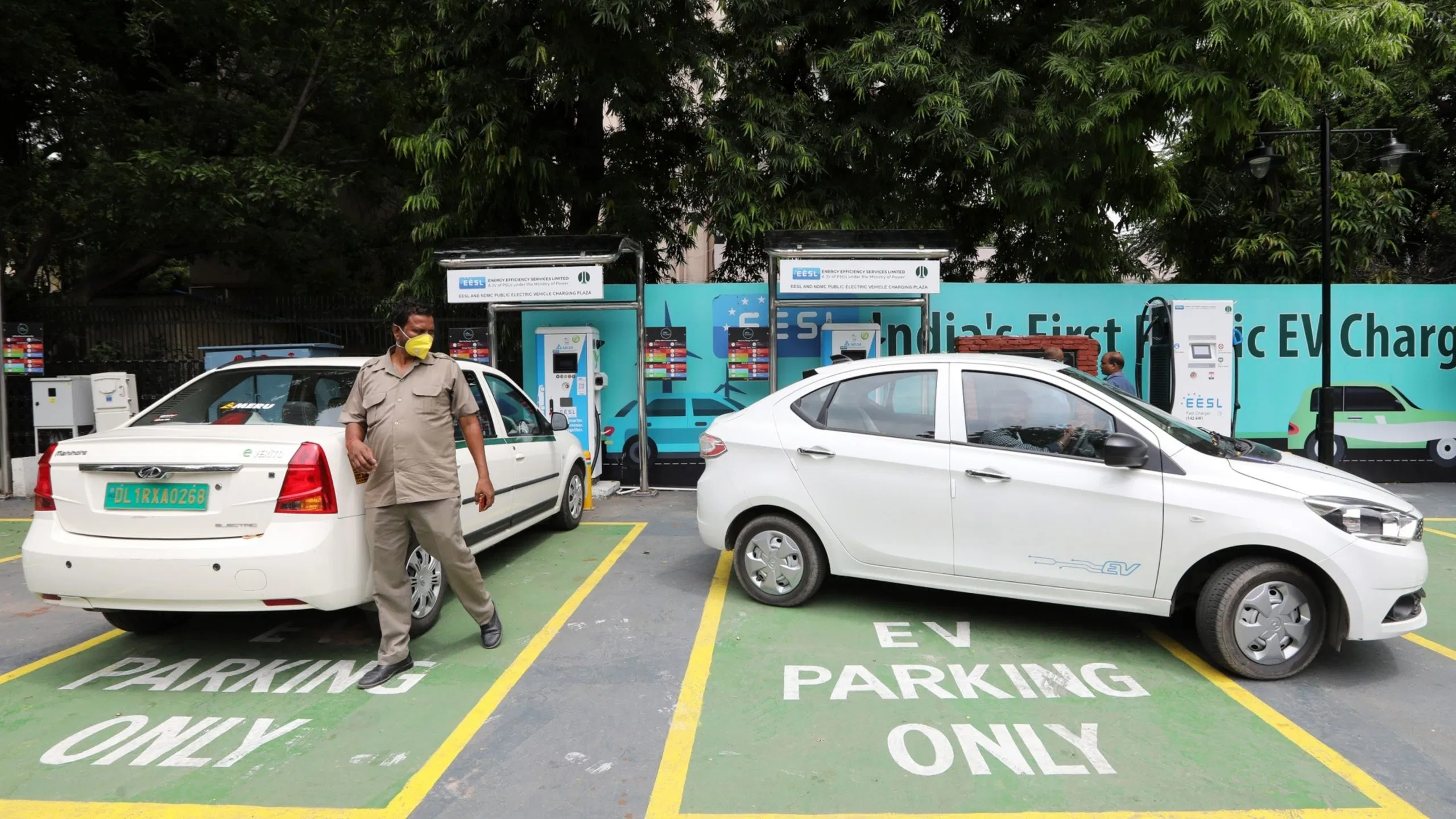
New DelhiThe Delhi Electricity Regulatory Commission (DERC) issued an order on Wednesday, amending its regulations to align with the PM E-Drive (Electric Drive Revolution in Innovative Vehicle Enhancement) scheme, effectively clearing paths for expansion of the city’s electric vehicle (EV) charging infrastructure through central subsidy, officials aware of the matter said on Friday.Officials said the order is expected to remove a major financial and procedural bottleneck in setting up public EV charging stations. (HT Archive)In the order, which clears a critical financial hurdle, DERC directed power distribution companies (discoms) to include the full cost of upstream electricity infrastructure in the demand notes issued to developers of public EV charging stations, battery charging stations, and battery swapping stations.Previously, under the DERC Supply Code and Performance Standards Regulations, demand notes for low-tension connections up to 200 kW covered only service line and development charges, security deposits, and road restoration costs. The expense of upstream infrastructure – such as distribution transformers, high- and low-tension cables, circuit breakers, AC distribution boxes, and protection equipment – was borne by discoms and later recovered through tariffs as part of their Aggregate Revenue Requirement (ARR), according to the order.The ARR is the total annual revenue a discom is permitted to recover to meet its legitimate supply costs, as approved by the DERC. However, with Delhi’s power tariffs remaining unchanged since 2014-15, these costs have not been passed on to consumers so far.Under the PM E-Drive scheme, which provides subsidy for this very upstream infrastructure, charge point operators are required to submit proof of payment of demand notes before 70 per cent of the eligible subsidy is released.The matter was brought before the Commission in May by Delhi Transco Limited (DTL), the nodal agency for implementing the PM E-Drive scheme in the Capital. DTL had argued that without regulatory changes, a substantial portion of network strengthening costs for commercial EV charging infrastructure would continue to be borne by discoms and ultimately recovered from consumers –- despite the availability of central funds, the order noted.Accepting the request, DERC directed that demand notes will now include all upstream infrastructure components specified under the PM E-Drive scheme, in addition to standard charges. It further clarified that these costs will not form part of the discoms’ ARR, effectively insulating Delhi’s electricity consumers from the expenditure on commercial EV charging infrastructure.The Commission has also directed discoms to estimate upstream infrastructure costs based on a cost data book approved by the DERC.Officials said the order is expected to remove a major financial and procedural bottleneck in setting up public EV charging stations, enabling developers to claim the full subsidy available under the PM E-Drive scheme. This, in turn, is likely to spur greater private investment in EV charging infrastructure across the capital, giving a significant fillip to Delhi’s electric mobility push.
DERC revises regulations to accelerate EV charging rollout
The DERC has amended regulations to support EV charging infrastructure in Delhi, clearing financial hurdles and promoting private investment under the PM E-Drive scheme. | Latest News Delhi
467 words~2 min read