AFP, VLKOLINEC, Slovakia
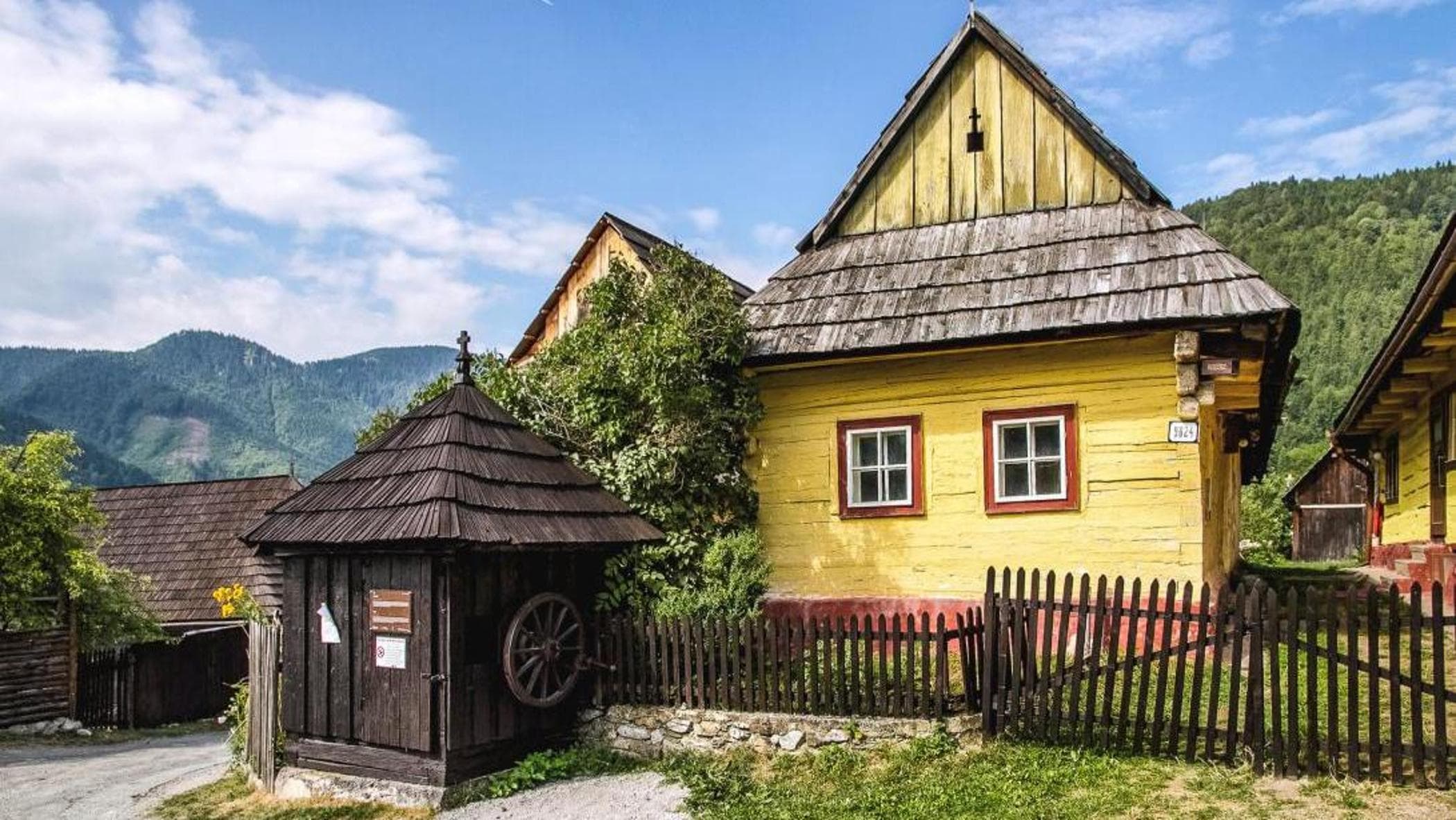
“Private property. No entry,” “No photography” read the signs on a gate set up in front of a traditional log house in Vlkolinec, a UNESCO-listed Slovak village visited by tens of thousands of tourists a year.“Are we in a zoo or something?” 68-year-old pensioner Anton Sabucha asked, nodding to the signs outside his house.Tourists are “going wherever they want, taking pictures and peering around” every day, he said.
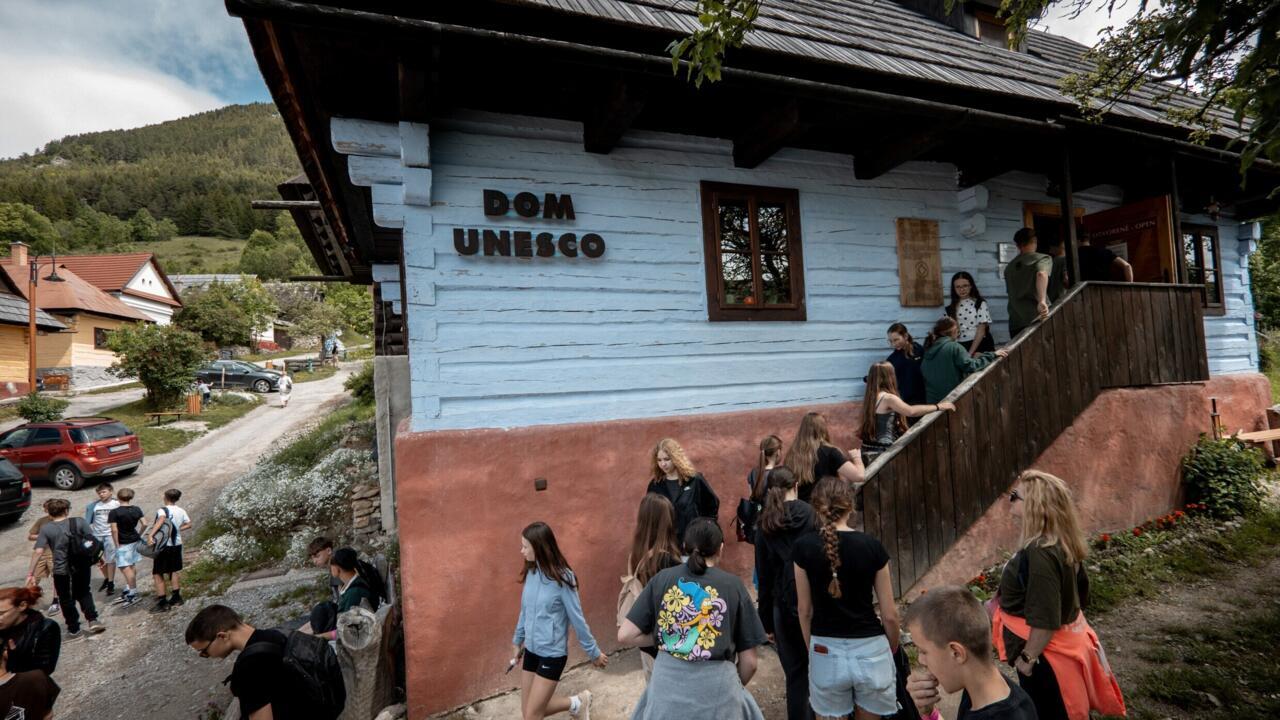
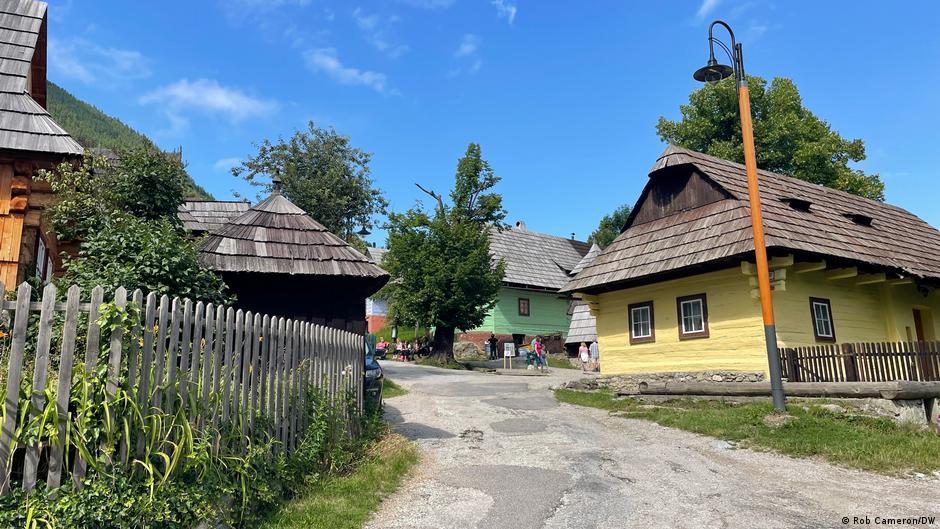
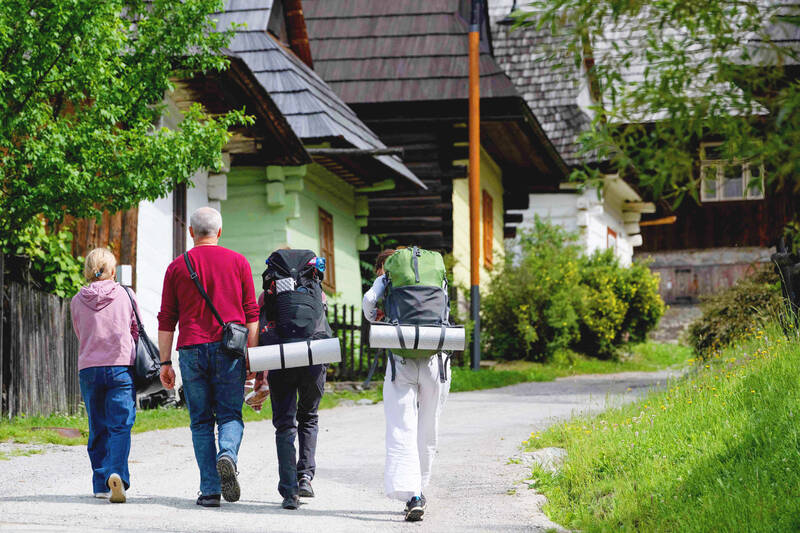
Tourists walk past log houses at the UNESCO-listed Slovak village of Vlkolinec on June 6.
Sabucha said he and other villagers felt like extras on a film set, and that he wanted Vlkolinec’s UNESCO World Heritage status removed.Sabucha, the oldest resident, is one of just 17 people who live year-round in the village, struggling to preserve its authenticity and its inhabitants’ privacy in the face of the tourism boom.
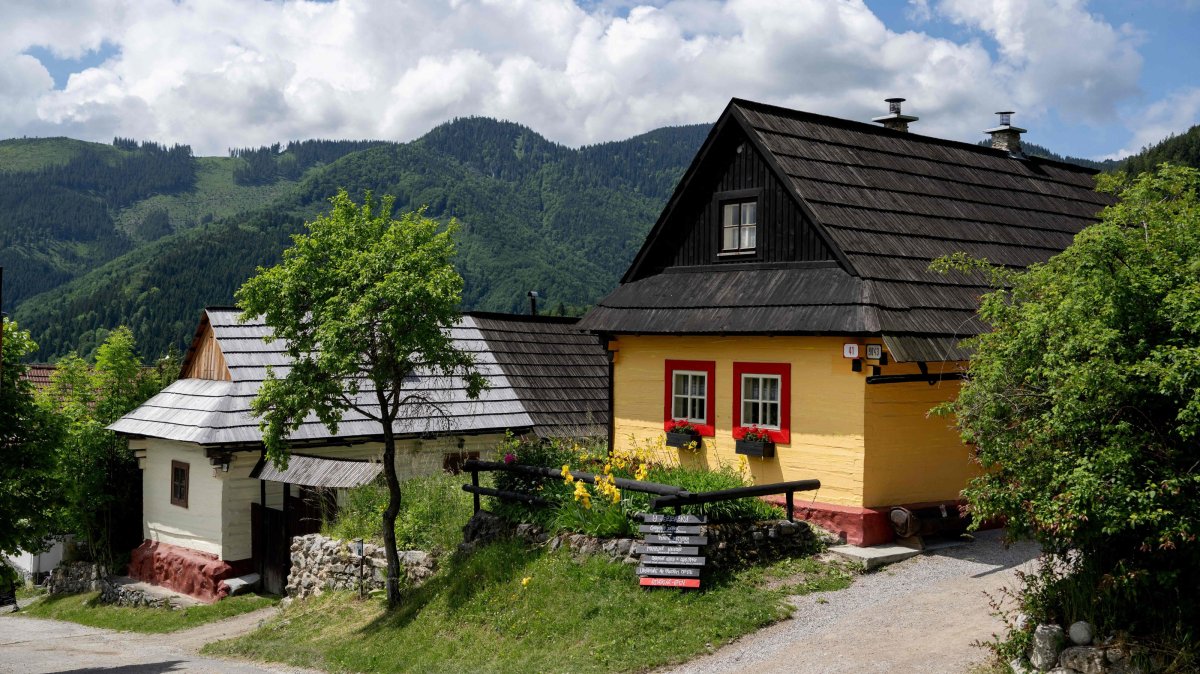
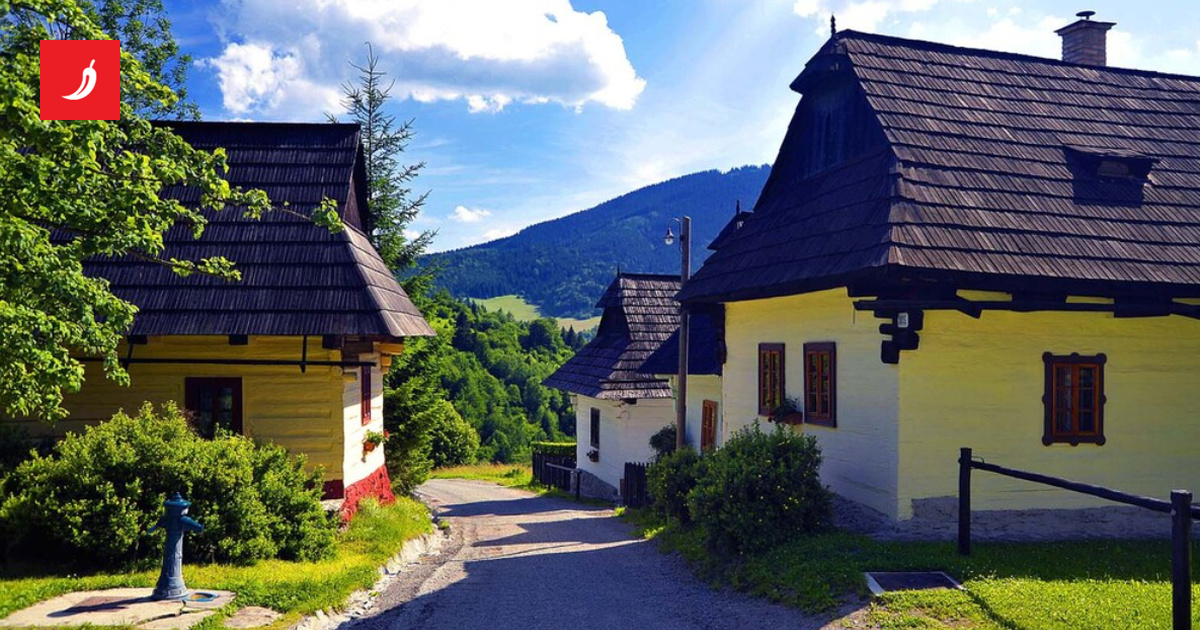
Vlkolinec, which comprises some 45 wooden houses, attracts about 100,000 tourists a year, official estimates show.They wander among the houses — painted mostly in shades of white, yellow or brown — and go biking or hiking in the surrounding hills of central Slovakia.UNESCO recognized Vlkolinec in 1993. Two other sites with traditional log houses also have heritage status in Hungary and the Czech Republic.Besides stopping at the church, belltower and the granary, tourists can visit the UNESCO center, which hosts small exhibitions on nature and history, and showcases films shot in the village, including the 1965 classic Doctor Zhivago.For the tourists’ benefit, Vlkolinec puts on traditional craft demonstrations, from sewing folk costumes and gingerbread decorating to mowing and haymaking.It also stages harvest festivals and re-enactments of traditional weddings.However, Sabucha said several of these customs were never genuinely even part of Vlkolinec’s past and others were no longer practiced.“They’re showing them something that’s no longer here,” he said.While most residents are not lobbying for the UNESCO label to go, they do want their grievances addressed, Vlkolinec civic association chairman Jan Ondrik said.“Locals feel the municipality is doing more for the tourists than for residents,” he said.Vloklinec does not have adequate access roads, parking areas or public toilets needed to cater to the crowds that descend on it.So, some visitors might actually “relieve themselves in someone’s garden,” said Ondrik, who occasionally finds a tourist wandering into his own house.Miroslav Parobek, 62, head of the cultural and tourism department of Ruzomberok City, which administers the site, rebuffed complaints that the village has lost the qualities for which it gained UNESCO status.“This is not an open-air museum. It is a living village,” he said.There were no plans to seek a UNESCO delisting and Ruzomberok was trying to address residents’ complaints, Parobek said.Villagers get an annual 400 euro (US$457.72) “animation contribution” to compensate for the disruption engendered by tourism, he added.Vlkolinec’s population has shrunk by more than 300 people over the past 150 years, but two families have chosen to move to the village in the past decade, despite the excess tourism.“It didn’t matter. We were captivated by the countryside, the silence, the mountains,” billing specialist Lucia Hudecova said.Ruzomberok is seeking international funds to repair and restore the church and other buildings, and to upgrade facilities such as adding more public toilets.The money could also be used to set up a park-and-ride facility outside of the village.Peter Gries, whose green house is across the street from Sabucha’s, said he also favored having Vlkolinec removed from UNESCO.The 63-year-old retiree said life in the village was now like dwelling in “a sewer.”