Japan’s Free and Open Indo-Pacific (FOIP) is evolving from a strategic vision into a regional framework for providing public goods — a structural response to intensifying geopolitical competition, supply chain fragmentation and uncertainty across the region. Within this shift, Japan–India cooperation is emerging as an important driver of regional resilience and stability.
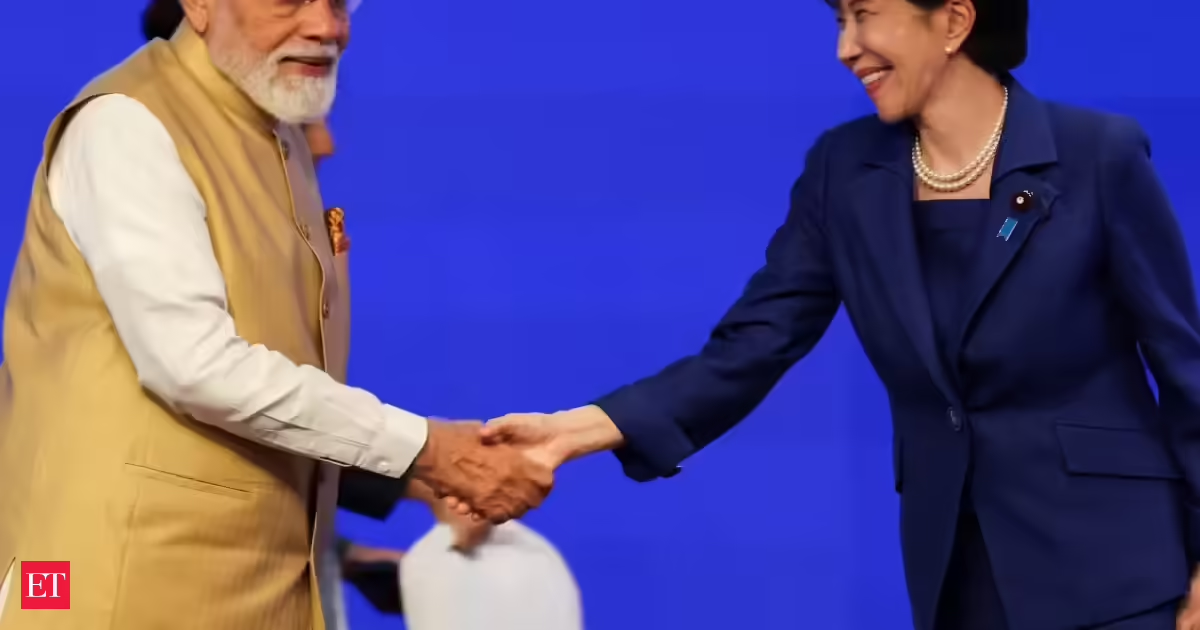
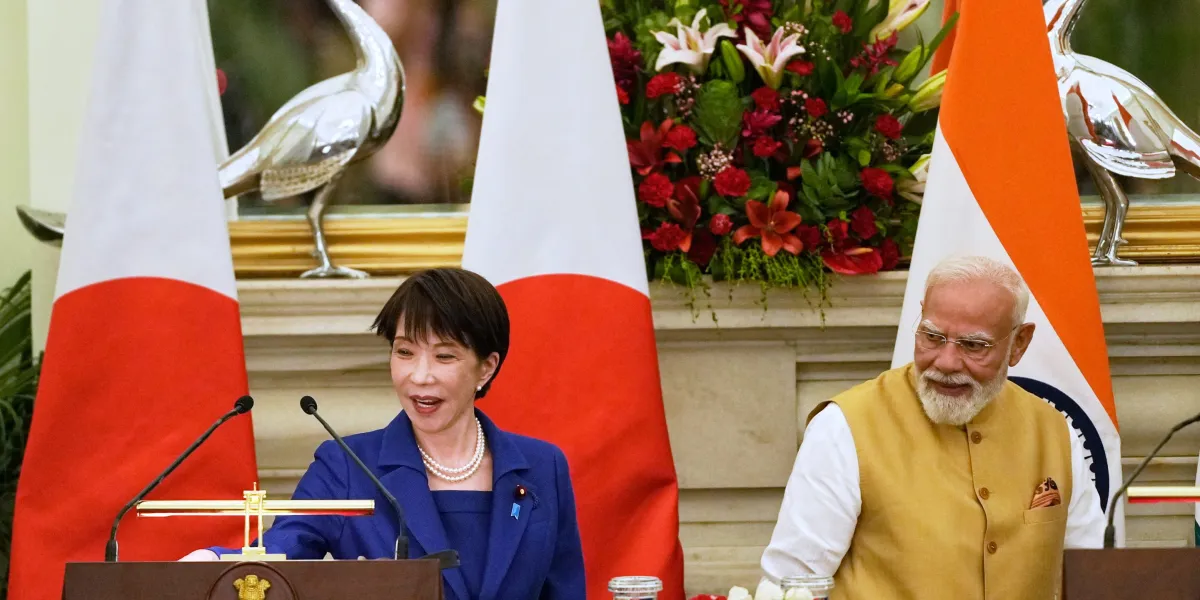
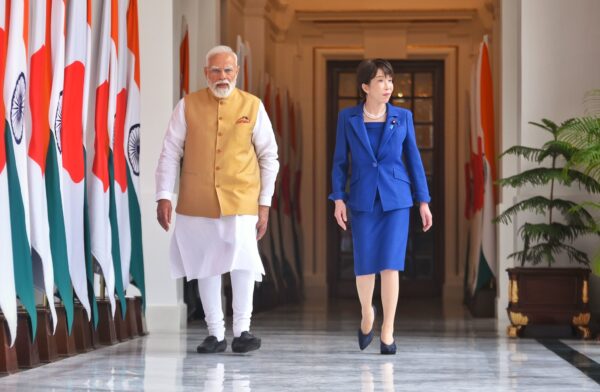
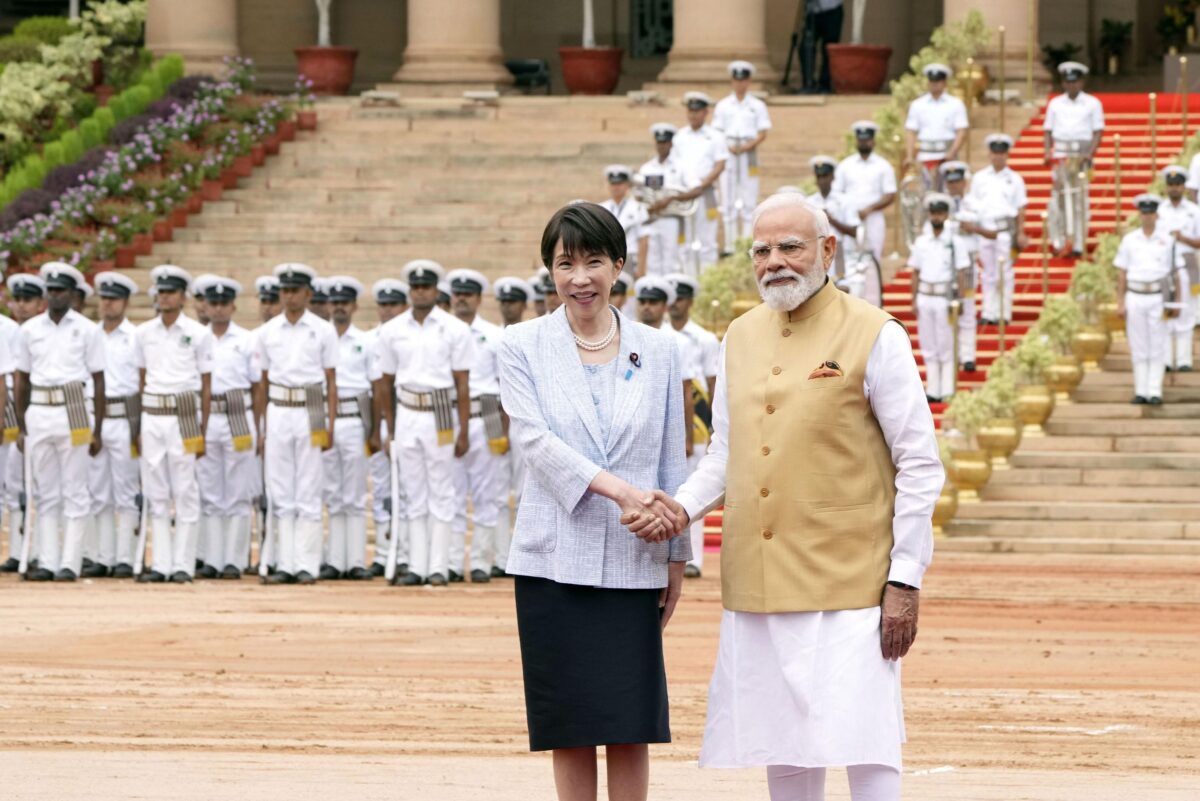
The shift in Tokyo’s FOIP orientation is reflected in the evolution of Japan–India relations. In 2006, then-prime ministers Shinzo Abe and Manmohan Singh laid the foundations of the Japan–India Strategic and Global Partnership with a shared ambition of contributing to regional peace, stability and prosperity. Nearly two decades later, Indian Prime Minister Narendra Modi’s visit to Japan in August 2025 underscored the evolution of the comprehensive strategic partnership to explicitly incorporate economic security and defence cooperation.
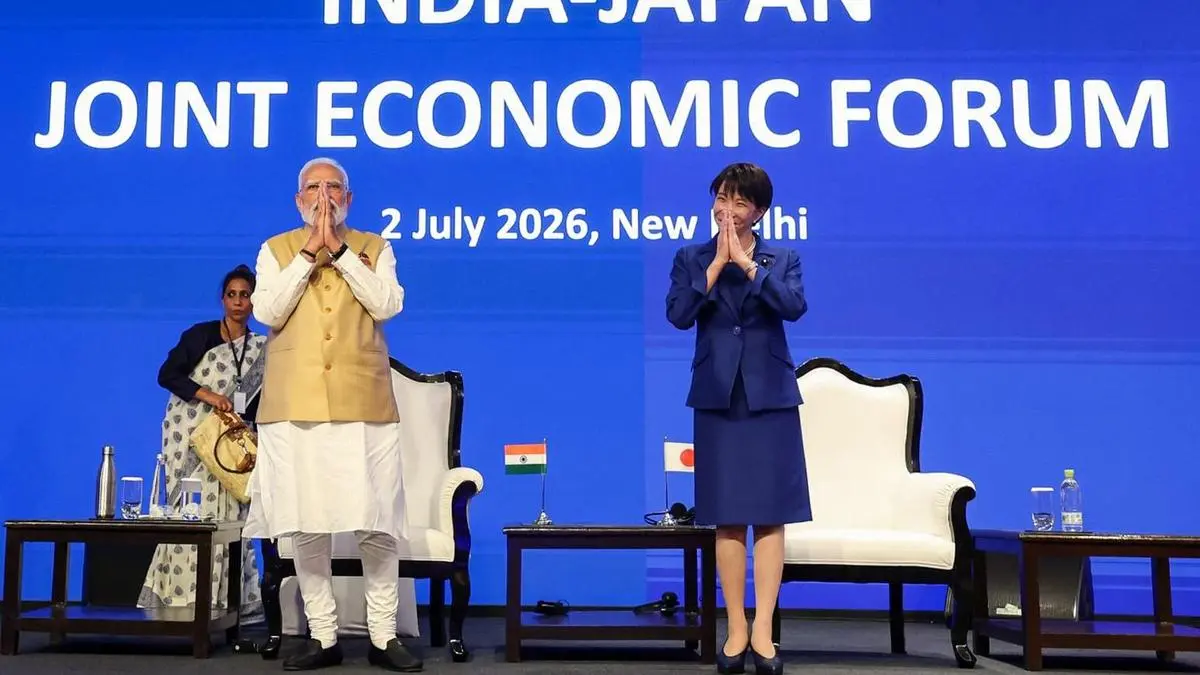
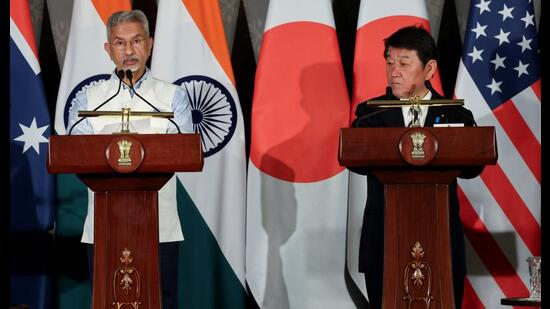
Subsequent diplomatic momentum, including Japanese Minister of Foreign Affairs Toshimitsu Motegi’s visit to India in January 2026 and Prime Minister Sanae Takaichi’s announcement of an updated FOIP in May, signals a broader reorientation in Japanese foreign policy. The updated FOIP places greater emphasis on economic security, resilience and implementation through partnerships and collaborative mechanisms, creating greater scope for Japan–India cooperation within a broader Indo-Pacific network.