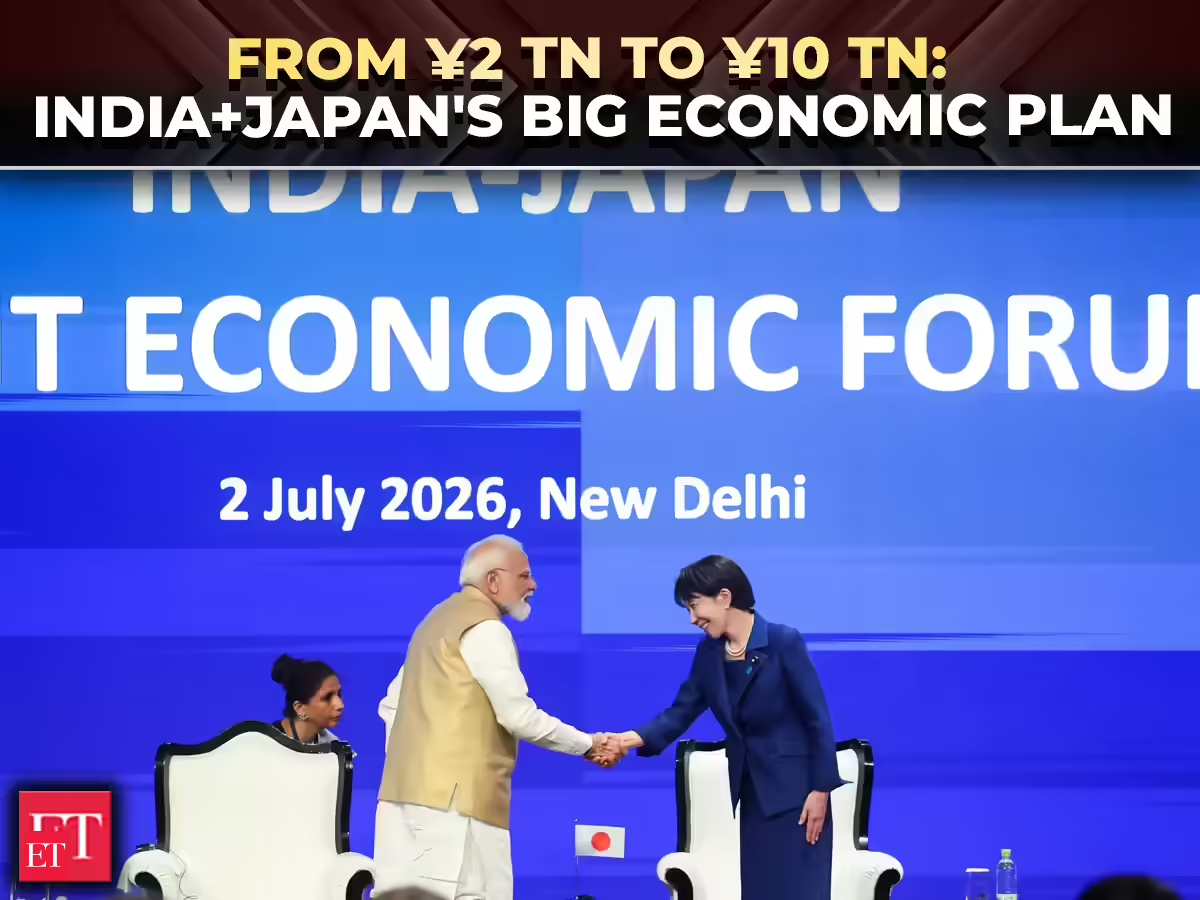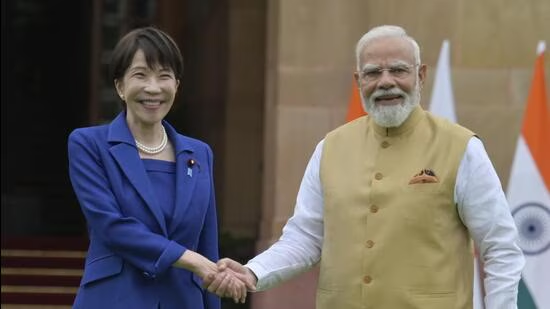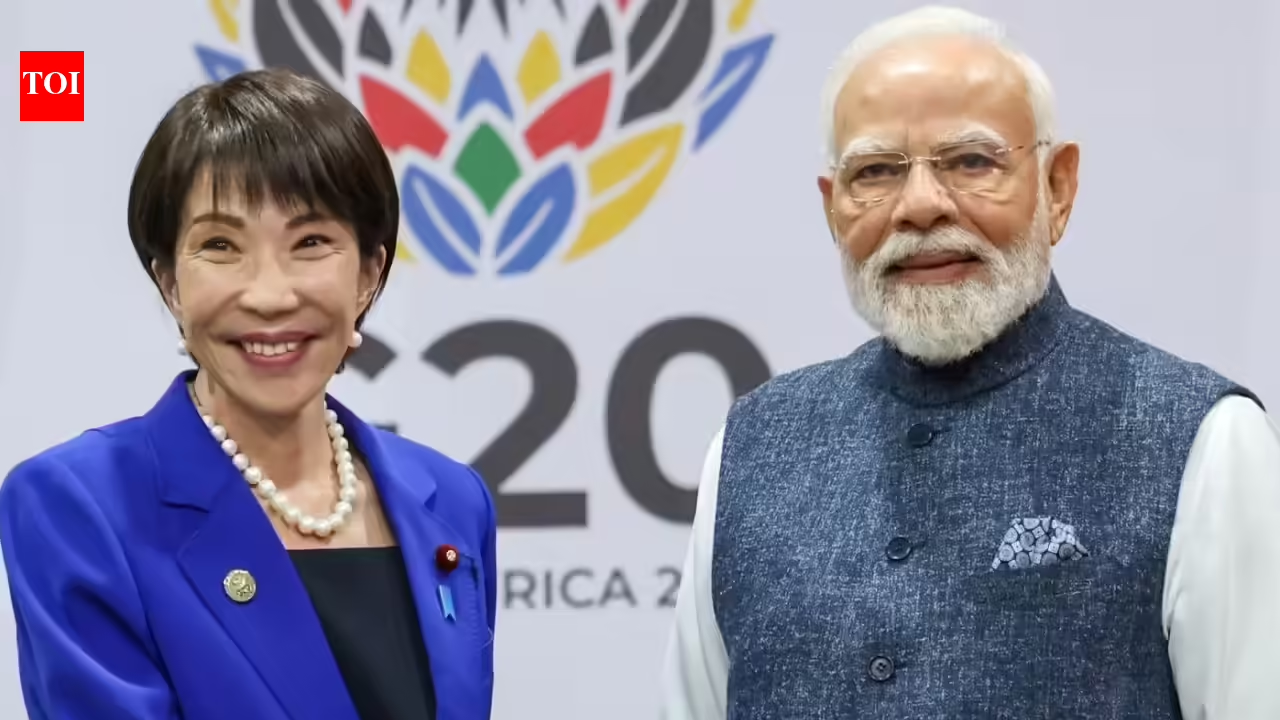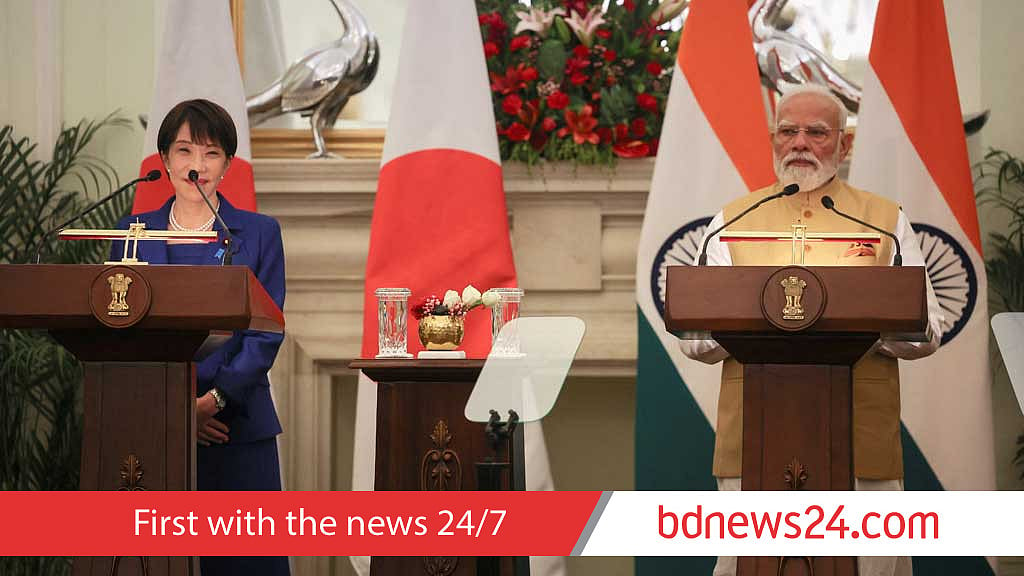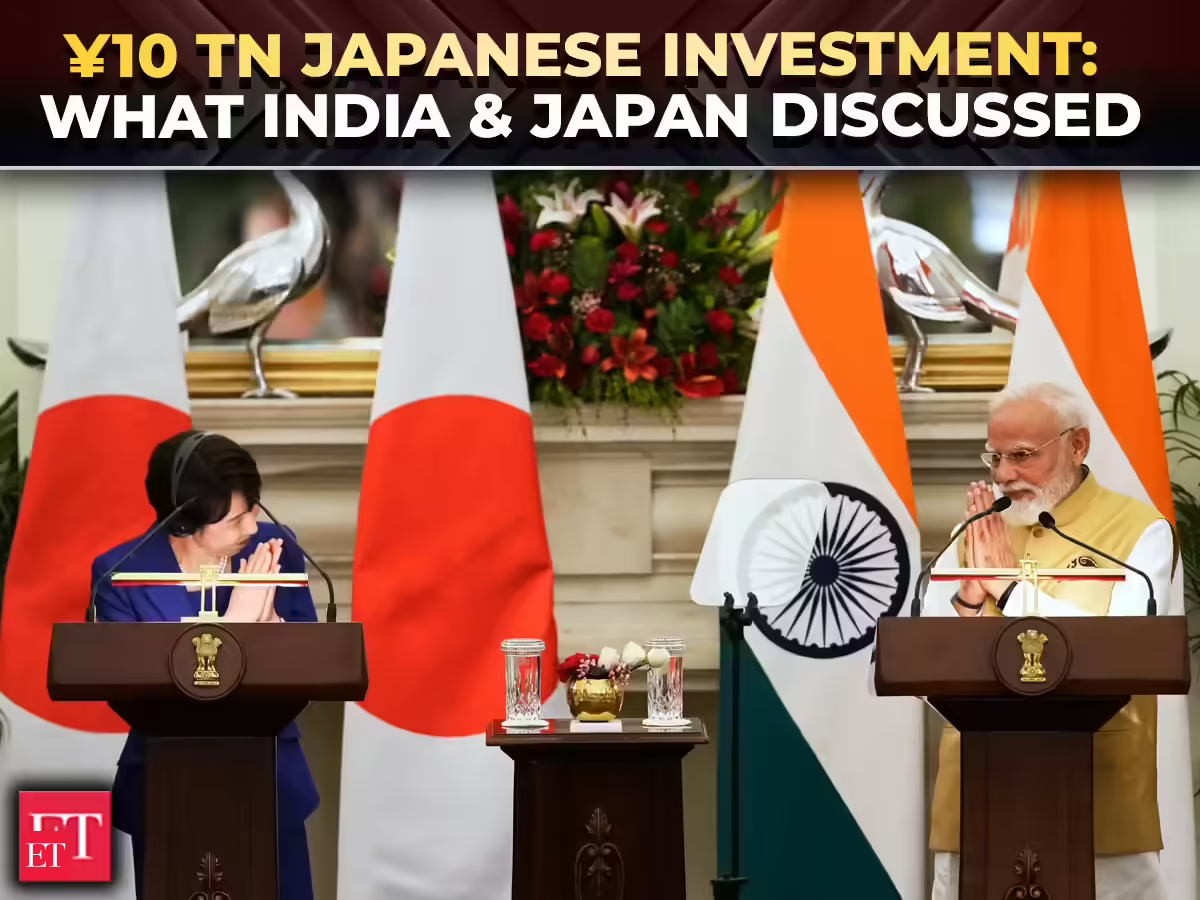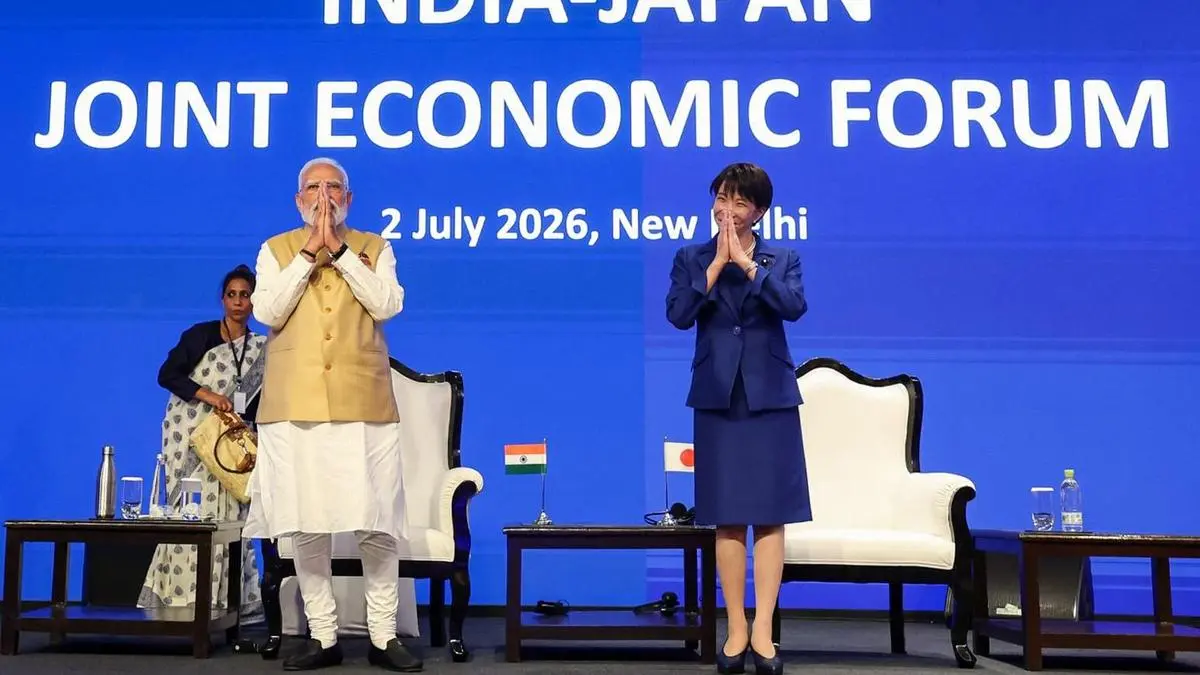
Prime Minister Narendra Modi and Japanese Prime Minister Sanae Takaichi greet the gathering at the India-Japan Joint Economic Forum, in New Delhi on Thursday.
| Photo Credit:
India and Japan on Thursday pledged to work together as major energy-consuming countries in Asia to jointly strengthen energy resilience in light of the current geopolitical situation by deepening cooperation in strategic fuel reserves and maritime energy transport.The development is part of a joint statement issued on Thursday by both the countries after the meeting of Prime Minister Narendra Modi and Japanese Prime Minister Sanae Takaichi, who is on her maiden visit to India.“Both sides highlighted the importance of regional initiatives to strengthen energy resilience, such as Japan’s Partnership on Wide Energy and Resources Resilience (POWERR Asia) and India’s support for energy security in South Asia,” India’s Oil Ministry said.Strategic stockpiling of crude oil and refined products as well as transportation of energy commodities are two critical issues that found resonance during the recent West Asia conflict, which led to closure of the strait of Hormuz (SoH) and is considered the largest disruption in energy supplies in history.According to the joint statement, the two countries reaffirmed the importance of sharing their respective knowledge and experience, and, where appropriate, promoting concrete cooperation related to stockpiling systems and reserve mechanisms for crude oil and petroleum products.Focus areasCooperation will focus on mechanisms related to national stockpiling systems and reserves, including industry stockpiles, coordination regarding arrangements with producing countries and emergency response and market stabilisation.The two sides reaffirmed the importance of cooperation to address shared challenges of energy availability and affordability, through supply assurance, enhancing resilience and creating mechanisms to mitigate volatility, thereby strengthening the voice of oil and gas-consuming countries.Here, the focus will be on cooperation on information-sharing on market trends and joint efforts for market stabilisation. They will also cooperate on exploring engagements for energy supplies from third countries as well as exploring commercial engagements for investments in the upstream sector in third countries.Another significant development is that India and Japan reaffirmed the importance of resilient, self-reliant, and efficient maritime transport of oil and gas as a critical pillar of energy security for both countries. Also, the two sides concurred in exploring collaborative opportunities, including joint investments, across the maritime energy transport value chain.This assumes importance as during the India Energy Week in January 2026 Prime Minister Modi had highlighted that India is working to build the vessels required for LNG transportation domestically, supported by a recently launched ship-building program worth ₹70,000 crore.He also underlined that numerous investment opportunities have been created in constructing LNG terminals at Indian ports, as well as in regasification projects.According to the joint statement, the two sides also confirmed their intention to promote institutional collaboration among relevant stakeholders, including those listed below, in order to deepen comprehensive cooperation in the energy sector, including technical and financial cooperation.“With the aim of advancing cooperation in the priority areas identified in this statement, the two sides decided to have discussions under the India -Japan Joint Working Group on Petroleum and Natural Gas under the aegis of the India-Japan Energy Dialogue. Through this platform, the two sides will share up-to-date knowledge and experience and explore mutually beneficial opportunities for cooperation,” the statement added.Published on July 2, 2026