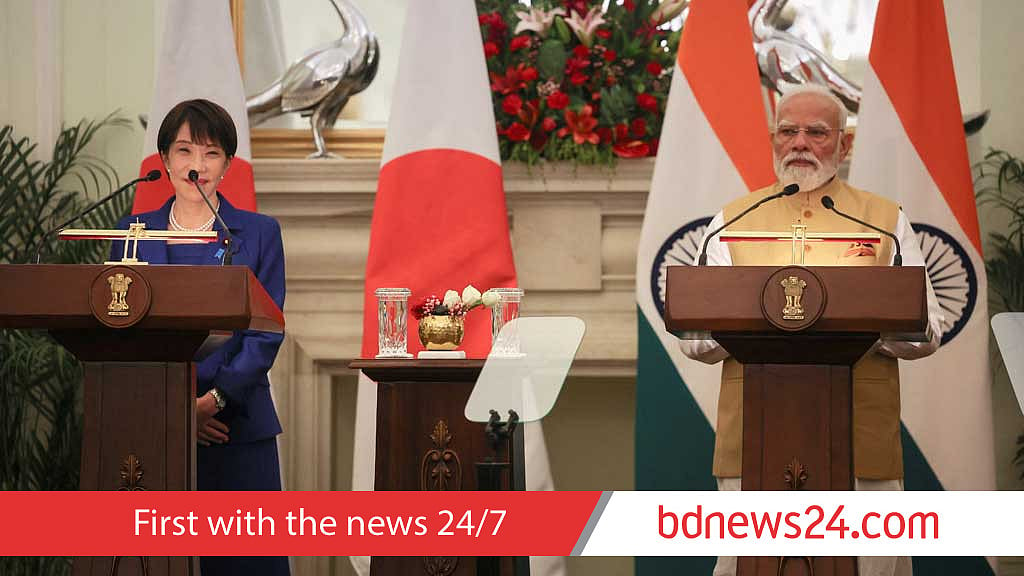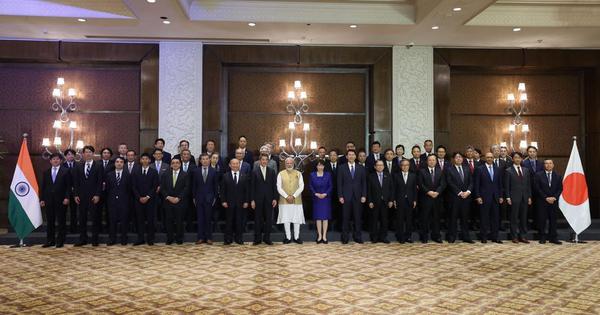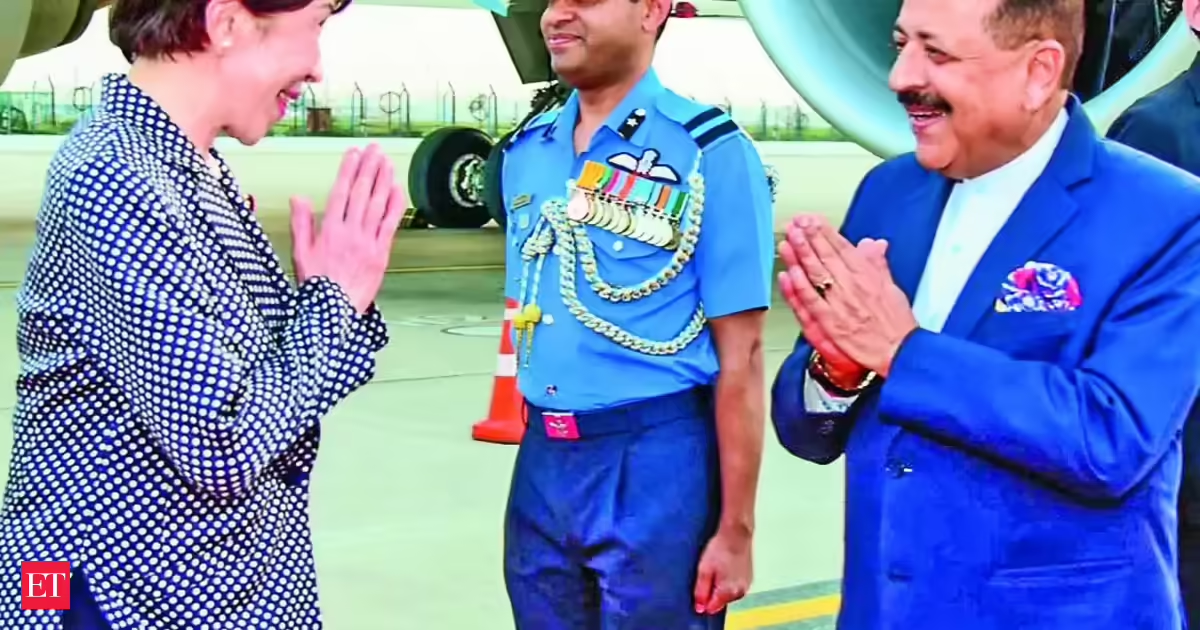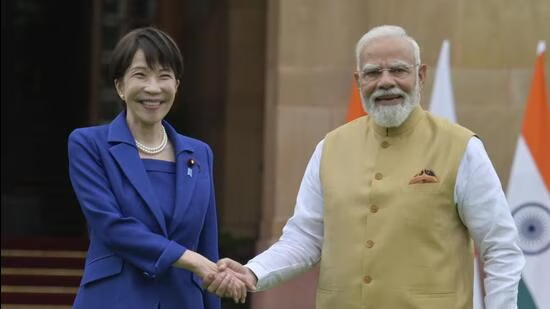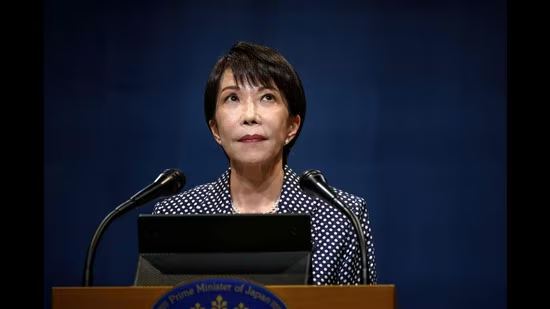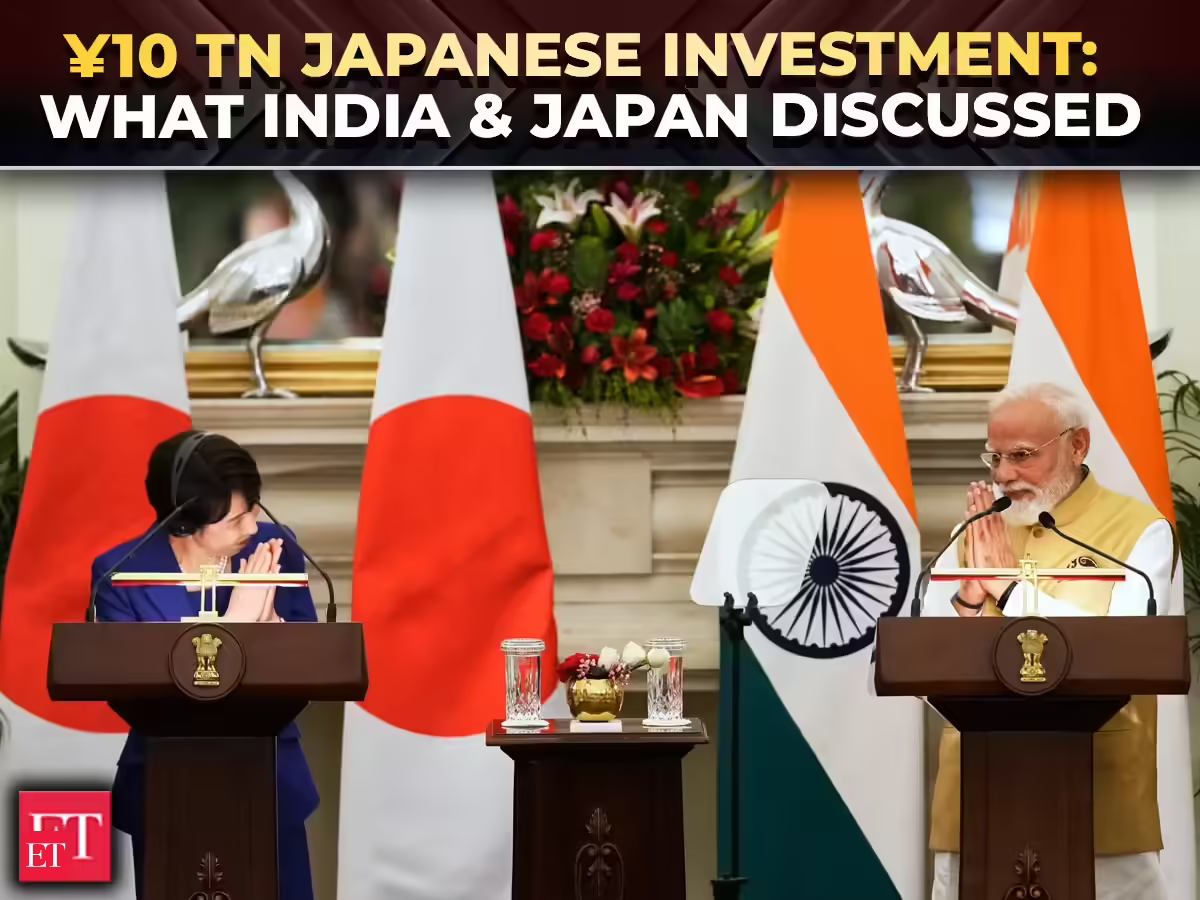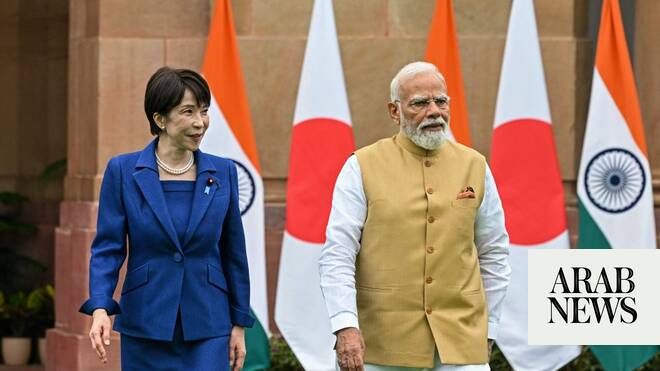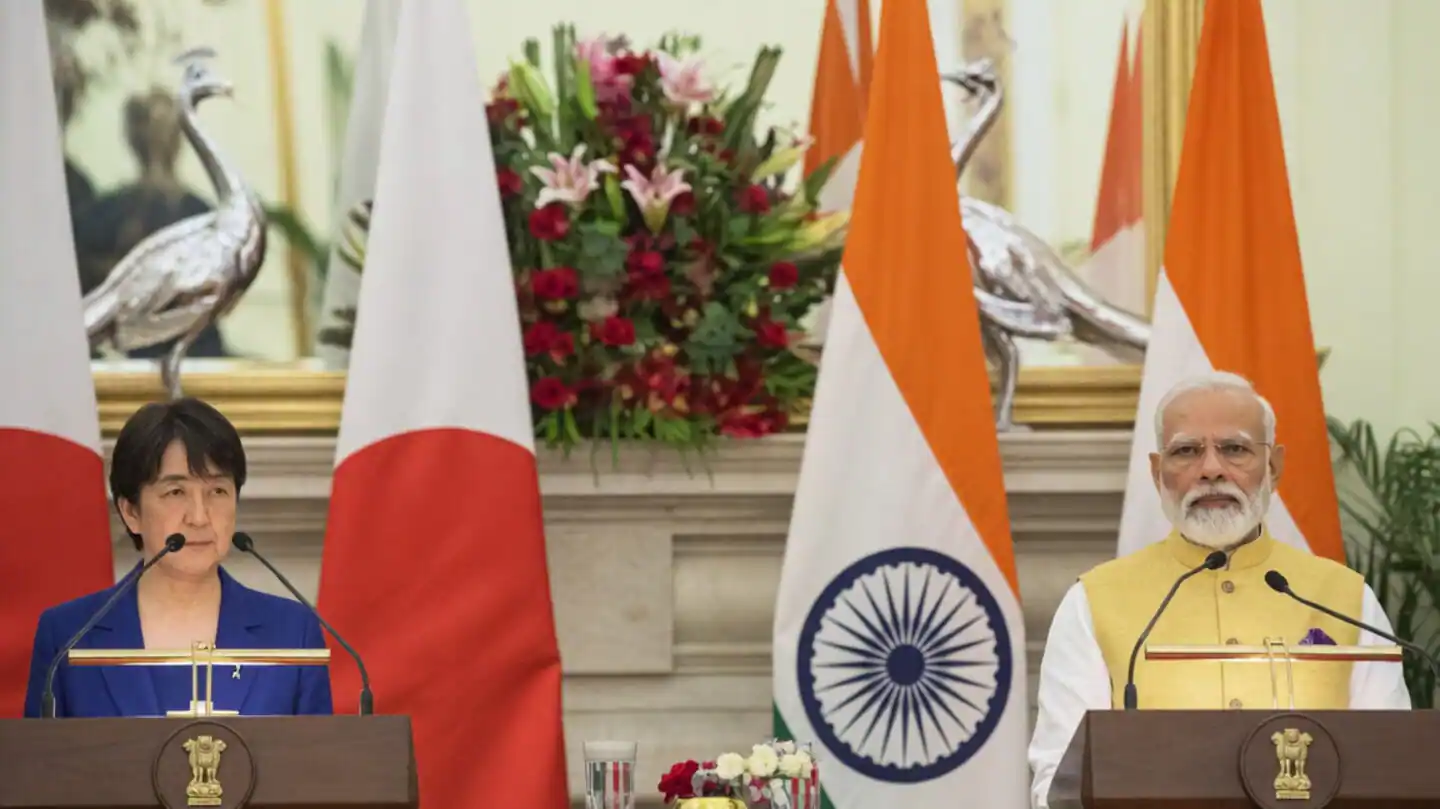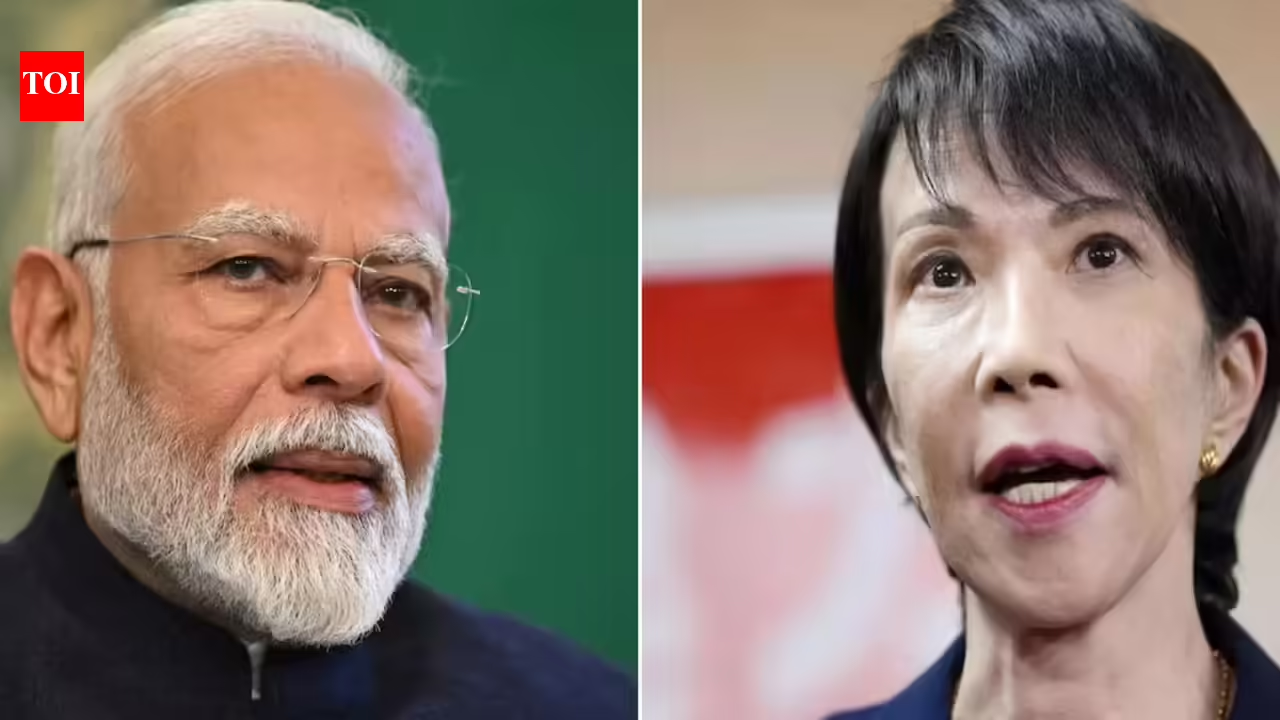
India, Japan firm up deals on energy resilience, critical mineralsThe India-Japan summit on Thursday is likely to see a dozen agreements for cooperation in a range of areas including energy resilience, critical minerals and AI, apart from close to 120 MoUs between private companies, according to diplomatic sources.A joint statement on cooperation in AI and another declaration on economic security with focus on diversification of energy resources and decarbonisation are likely to top the list of key takeaways from Japanese PM Sanae Takaichi’s visit to India that begins on Wednesday.Takaichi will have formal talks with Modi on Thursday before participating in the Japan-India Joint Economic Forum which will be attended by over 100 Japanese businessmen, including many CEOs. Economic security is likely to dominate the agenda of the bilateral visit, the first by either PM since Takaichi assumed office last year, with the leaders focused on securing and strengthening supply chains in areas such as semiconductors and critical minerals. The leaders are also expected to discuss regional and global issues, including the conflicts in Ukraine and West Asia, along with the Indo-Pacific where Japan sees India as an “indispensable partner” in furthering Takaichi’s updated, economic resilience-driven Free and Open Indo-Pacific framework for an international order based on the rule of law. Takaichi’s visit takes place days after China doubled down on its export controls on Japanese defence entities to restrict their access to dual-use items. The economic security declaration is expected to include details about concrete business and government-to-government projects. Among the agreements lined up for the visit are a cooperation document of the 75th anniversary of diplomatic relations between the 2 countries, joint statement on energy resilience and agreements for cooperation in biogas, upstream development of oil and gas, AI, critical minerals exploration, mobility partnership and pharmaceuticals. The leaders are expected to reaffirm their commitment to ongoing collaboration in defence equipment and technology cooperation although no major announcement related to defence is expected during the visit. Diplomatic sources admitted that Japan’s overhaul of its defence export guidelines under Takaichi may unlock the potential for deeper cooperation in co-development and co-production of equipment and technology.Against the backdrop of ambiguous signals by the US on the Indo-Pacific, the future of the Quad framework, including the prospects of an early summit, is also likely to figure in the talks. Both countries along with Australia remain fully committed to Quad and Tokyo has been keen to have the summit in India. While the summit on Indian soil sounds increasingly like a pipe dream because of the uncertainty surrounding Trump’s visit to India, foreign ministers continue to engage and will meet again in Manila later this month. Modi and Takaichi are also likely to discuss ways to promote energy resilience in the Indo-Pacific through POWERR Asia (Partnership on Wide Energy and Resources Resilience Asia), an initiative launched by the Japanese PM amid the West Asia conflict and the subsequent disruption of shipping through the Strait of Hormuz.According to diplomatic sources, the leaders will prioritise advancing strategic coordination under the “synergy” between Japan’s updated Free and Open Indo-Pacific and India's MAHASAGAR (Mutual and Holistic Advancement for Security and Growth Across Regions). This will include advancement of maritime security and defence cooperation and discussions on “the industrial value chain” connecting the Bay of Bengal and India’s northeast. On economic security, the 2 countries are also considering establishing a large-scale green ammonia production facility in India.The last summit in Tokyo saw the 2 sides adopting a Joint Vision for the Next Decade, outlining efforts to deepen collaboration in 8 pillars - economy, economic security, mobility, environment, technology and innovation, health, people-to-people ties and state-prefecture engagement.
India, Japan firm up deals on energy resilience, critical minerals, AI ahead of Modi-Takaichi summit
The India-Japan summit on Thursday is likely to see a dozen agreements for cooperation in a range of areas including energy resilience, critical minerals and AI, apart from close to 120 MoUs between private companies, according to diplomatic sources.
608 words~3 min read