READ MORE: Drinking coffee can slash the risk of deadly liver disease See more Daily Mail on Google - save us as a Preferred SourceBy ZOE HARDY, HEALTH REPORTER Published: 13:22 BST, 3 July 2026 | Updated: 13:24 BST, 3 July 2026
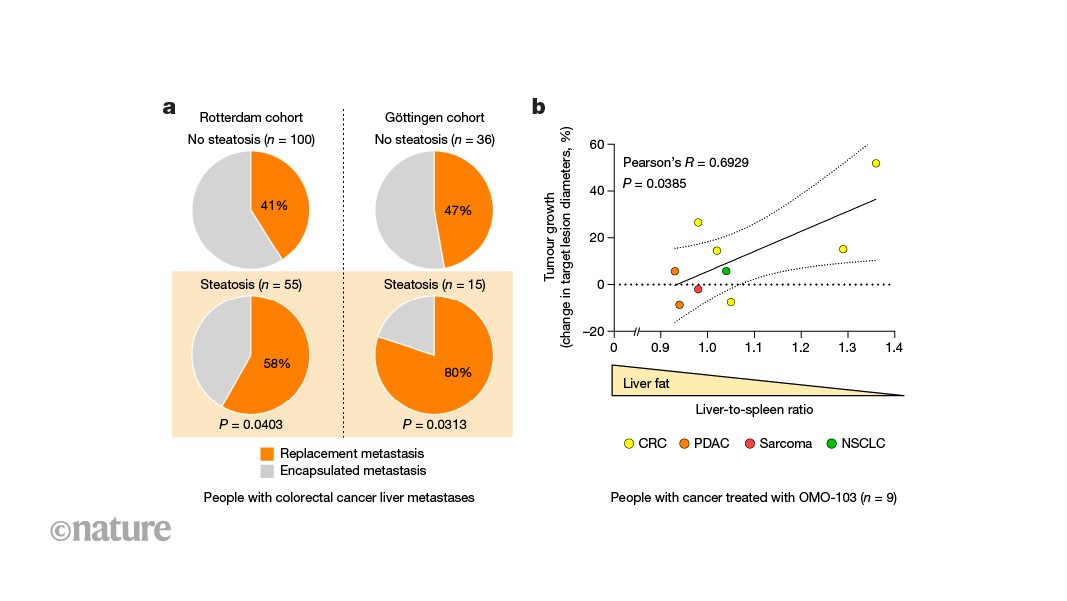
People with fatty livers are significantly more likely to develop one of the most aggressive types of bowel cancer, new research has found. The finding comes following a fourfold increase in liver disease deaths in the UK. One in five people across the country are now thought to have a form of liver disease unrelated to alcohol and instead linked to obesity, unhealthy diets and increasingly sedentary lifestyles. At the same time, the number of under-50s being diagnosed with bowel cancer is on the rise - with obesity thought to be a key driver. The new findings - published in the journal Nature - suggest the disease could be behind one of the most aggressive forms of colorectal cancer. Researchers - from the KU Leuven and Leuven Cancer Institute in Belgium - found that patients with fatty liver are significantly more likely to develop aggressive metastases - where the cancer spreads from the bowel to another organ. This, they say, is important given the rapidly increasing prevalence of fatty liver disease globally, driven by raising obesity and type 2 diabetes rates. 'This work shows that a condition we typically consider a background metabolic issue can directly shape how cancer behaves,' Professor Sarah-Maria Fendt, the study's lead author, said. Fatty liver disease will affect 1.8 billion people worldwide by 2050, driven by rising obesity and blood sugar levels According to the researchers, in fatty livers, elevated levels of fatty acids rewire the behaviour of cancer cells by stabilising a protein that is known to drive cancer growth - called MYC. This in turn increases the production of an amino acid called proline, which is involved in the production of collagen.This extra collagen creates a structure for tumour cells to invade and expand within the liver, replacing healthy liver cells in the process. 'In simple terms, the fatty liver provides both the signal and the construction materials that tumours need to grow more aggressively,' Prof Fendt explains. 'It fundamentally changes the rules of how metastases develop.'This gives us a powerful new way to stratify patients. By identifying those most likely to benefit, we can make clinical trials more efficient and ultimately bring effective treatments to patients faster.' Results from patient-derived tissue showed that by targeting different steps in this pathway - such as the MYC protein, amino acid production or collagen formation - the team were able to reduce the growth of aggressive tumours.