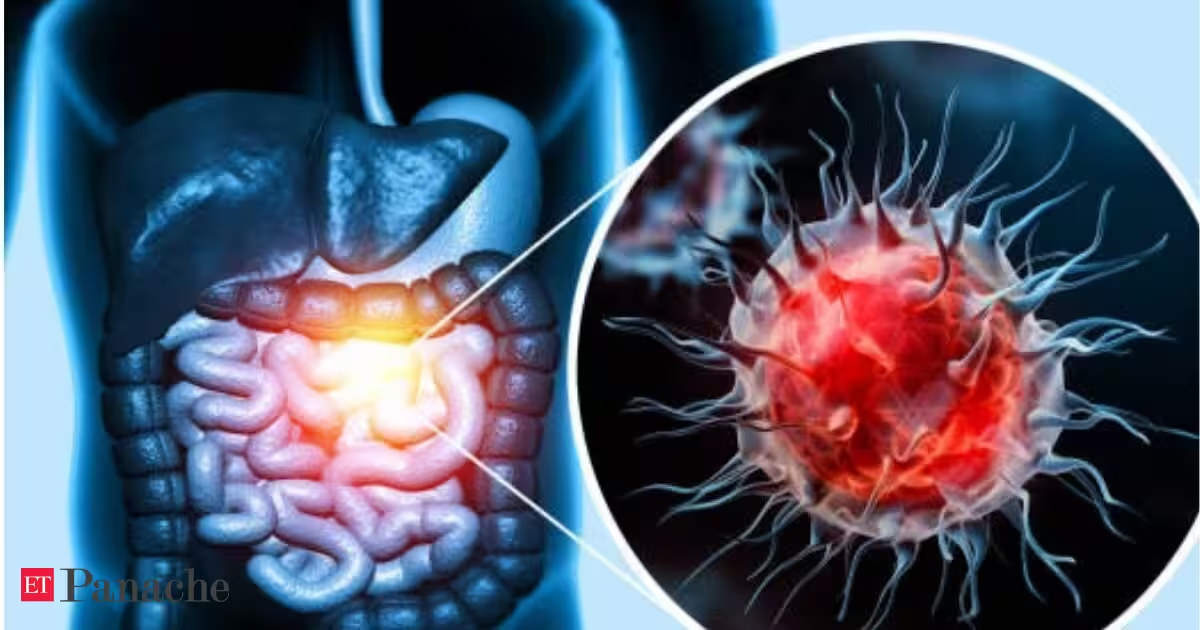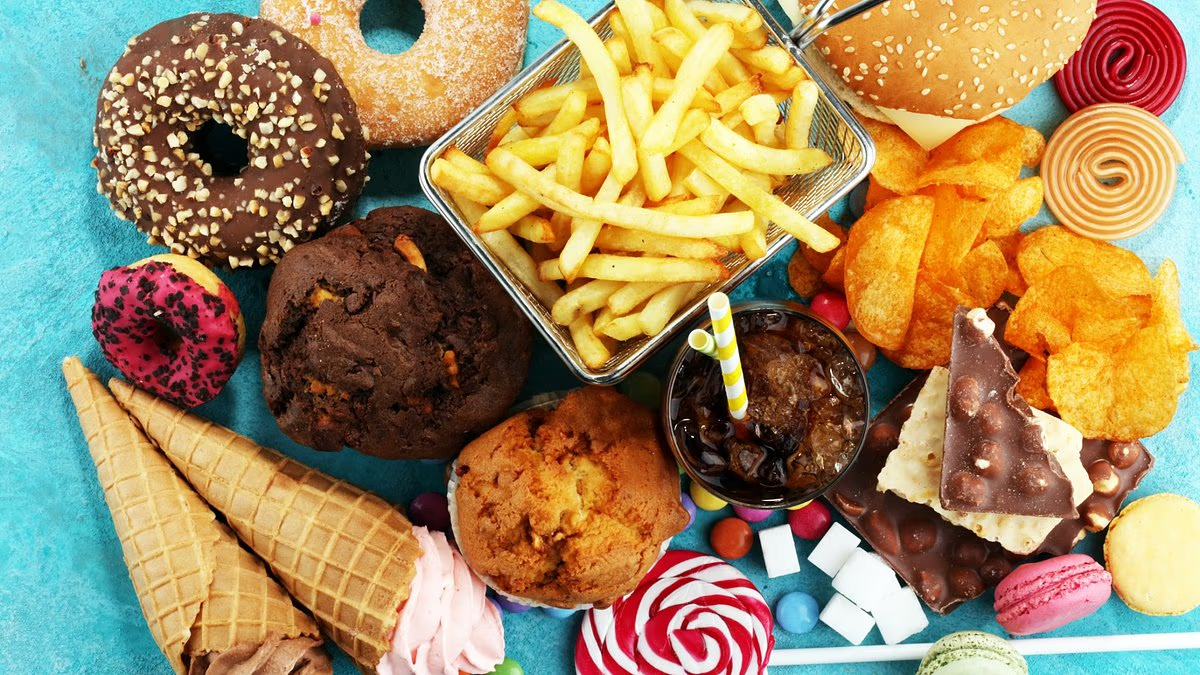
Experts continue to be baffled by the explosion in bowel cancer among otherwise healthy, fit young people.Cases of the deadly disease have jumped by 50 per cent in British under-50s over the past 30 years. And there's one theory that appears to be the most popular among medics: The cancer is fuelled by ultraprocessed food, which we're eating more of than ever before.Last year, a major global study found that those who eat a diet high in the foods - like ready meals, crisps, deli meat and sugary cereals - have a 45 per cent increased risk of developing potentially cancerous growths on their large intestine or rectum. The authors of the research, from The National Cancer Institute, suggested that the range of additives in such products could provoke cancer-causing changes to the healthy bugs in our gut.But with some of our favourite foods featuring eye-wateringly long lists of unidentifiable chemicals, it can be a challenge to know exactly what to avoid.Some studies have identified emulsifiers - compounds that thicken foods and are found in margarine and mayonnaise - as a trigger for gut damage, while others have pointed to artificial sweeteners.Here, diet experts highlight specific ingredients that could pose risks to your gut, and those that aren't worth worrying about. Experts have warned of emerging links between cancer-causing microbes and additivesThickeners in mayo and salad dressings could be a riskEmulsifiers have become the latest food villain. Used in everything from sliced bread to ready meals, emulsifiers are particularly important in products where ingredients that would naturally separate - such as oil and water in salad dressings - need to stay mixed together. They are also widely used to improve texture, consistency and shelf life in processed foods.Two emulsifiers in particular have become the focus of much of the research, according to Rob Hobson, registered nutritionist and author of Unprocess Your Family Life - carboxymethylcellulose, or CMC (E466), and polysorbate 80 (E433).The former is most often found in low-calorie desserts and salad dressings, while polysorbate 80 is used in a wider variety of foods - from bread and cakes to sports drinks and even plant-based milks.'These ingredients have been shown to alter the activity and composition of gut bacteria,' says Hobson, adding that there's also evidence that the chemicals can harm the protective lining of the bowel.'They've also been shown to promote inflammation, which has long been linked to increased cancer risk.'It's these mechanisms, working together, that could theoretically create conditions for bowel disease, including cancer, over time.'Other emulsifiers also found to have similar effects include carrageenan (E407) - found in a plethora of vegan products - and mono- and diglycerides of fatty acids (E471), in margarine and peanut butter. Food additives and preservatives are found in ultra-processed foods found in many homesExperts have previously explained that these emulsifiers form a gel-like clump in the gut. According to top nutrition expert Professor Tim Spector, this leaves our healthy microbes 'unable to communicate...and they produce abnormal chemicals in response.'In a post on his social media page, the scientist added: 'They disrupt the gut lining because we have a careful layer of fat and water in our gut but these emulsifiers are mixing the two.'It's this 'disruption' of the essential anti-pathogen barrier that is thought to make us vulnerable to bacterial infections, which can go on to fuel cancer. Microbiome expert Dr Alasdair Scott told The Mail: 'We think that this process could be linked to bowel cancer.'Studies done on animals that confirm this, but not yet on people — in humans it can be much more difficult to prove why exactly a tumour has formed.'The experts caution that more evidence is needed from human studies before firm conclusions can be made.
Which additive is most likely to fuel bowel cancer?
Experts continue to be baffled by the explosion in bowel cancer among otherwise healthy, fit young people. Could the answer lie with the chemicals in thousands of our favourite foods?
1,325 words~6 min read