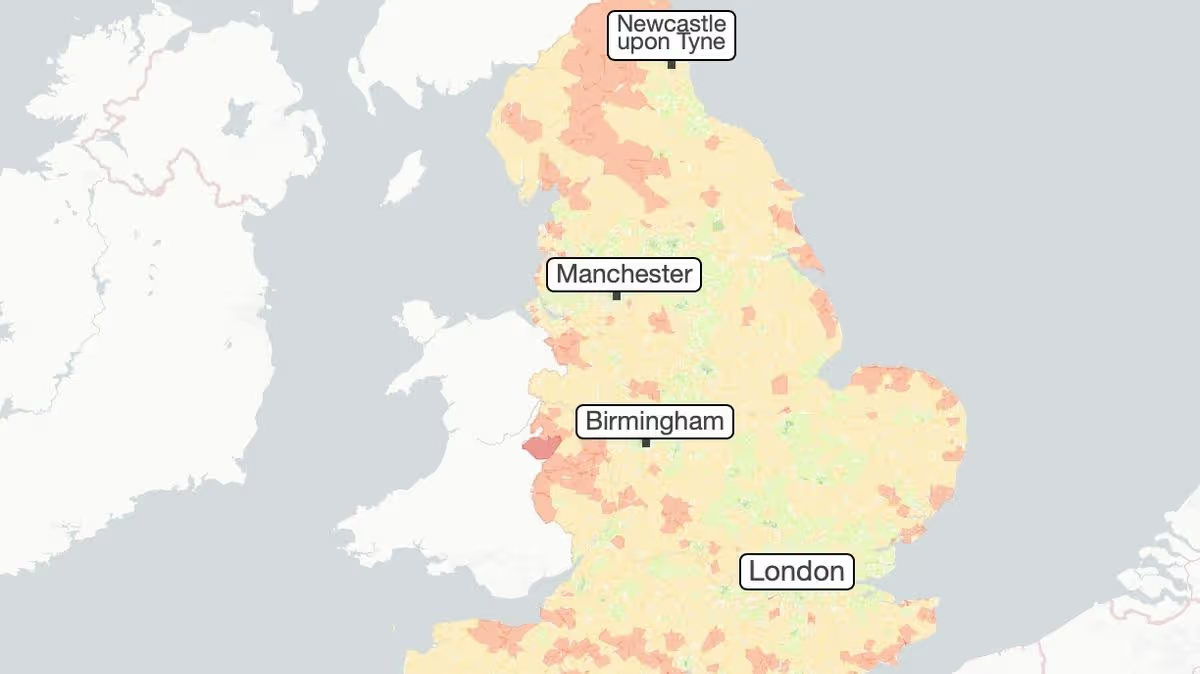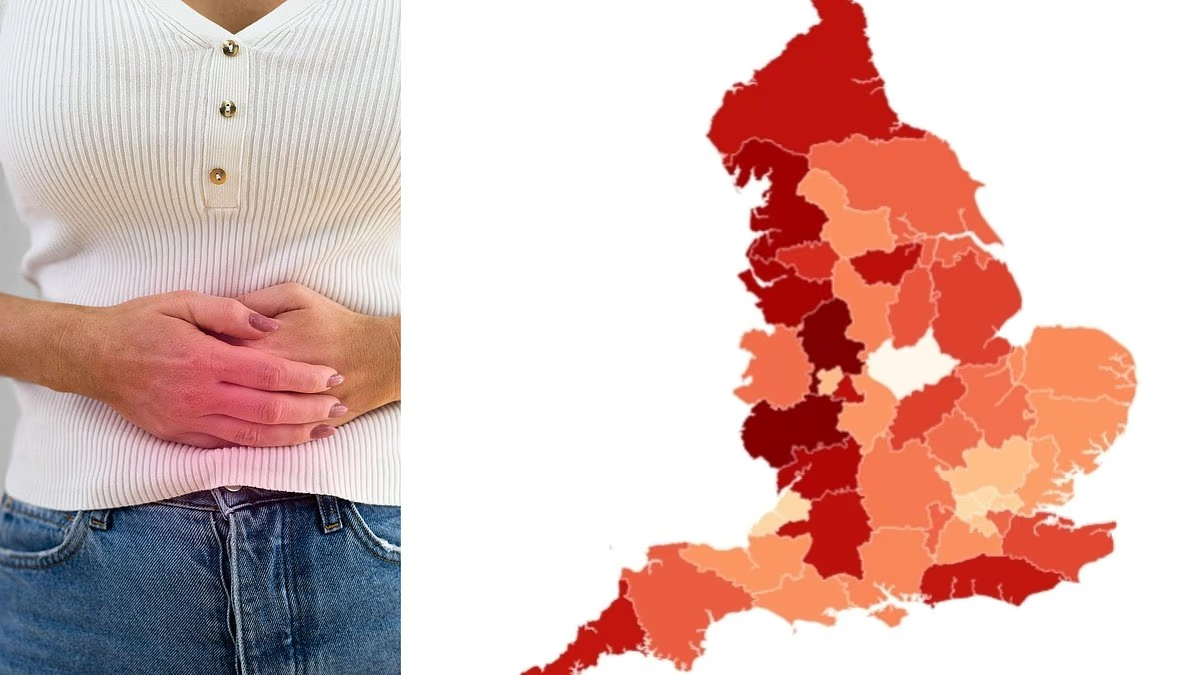
The UK's mysterious bowel cancer crisis rumbles on. Cases have risen in all age groups since the 1990s, with the most seismic surge seen in those aged under 50. In Britain, those under 49 today are around 50 per cent more likely to develop bowel cancer than people of the same age 30 years ago. Globally, the increase is even more dramatic, with cases of bowel cancer doubling in the same time period.But the likelihood of developing the disease varies hugely depending on many factors including, intriguingly, where you live.Here, the Daily Mail's exclusive analysis of NHS data reveals the bowel cancer hotspots of the UK - where diagnoses are highest in both men and women.The results - presented in a simple map - show striking differences between regions, with some showing 75 per cent more diagnoses than others.The graphic is based on the latest NHS data available - from 2022 - and is age-standardised, which means it will not be skewed by areas with older populations.
The data is collected from NHS Integrated Care Board's (ICB), which are now responsible for planning and delivering NHS services in their local areas. There are now 36 ICBs in England, although there were 42 when these data were recorded. The highest rate of bowel cancer diagnoses among men was recorded in NHS Staffordshire and Stoke–on–Trent, with 96.2 diagnoses per 100,000 people. Interestingly, for women, the highest rate was recorded elsewhere; in NHS Suffolk and North East Essex, at 69.1 diagnoses per 100,000 people. The lowest was NHS North West London with 48.6 per 100,000.The lowest rates for men were at NHS Leicester, Leicestershire and Rutland, with 70 per 100,000. Every area recorded a higher incidence of bowel cancer among men than women, reflecting the known global trend.Men in NHS Herefordshire and Worcestershire were second most likely to be diagnosed with the disease, and those in Lancashire and South Cumbria were a close third.Other areas with low rates of diagnoses include NHS Hampshire and Isle of Wight.Experts have long linked bowel cancer outcomes with deprivation, with those living in the poorest parts of the country more likely to die with the disease. Dame Deborah James died aged 40 in 2022 after suffering the disease for six years. She fearlessly campaigned for greater awareness of bowel cancer symptoms and early detectionStoke–on–Trent - which has particularly high rates of bowel cancer - is the 13th most deprived area out of 317 local authorities in England, according to official data.Diets rich in ultra processed foods and increasingly inactive lifestyles are thought to be fuelling the trend - and both factors are also linked to deprivation.Cases are also rising in the US, where experts are also sounding the alarm.Research from the American Cancer Society (ACS) earlier this year found that there is around a three per cent increase of young adults being diagnosed with bowel cancer every year, with 158,850 new cases and 55,230 deaths predicted in the US in 2026. Dr Ahmedin Jemal, senior vice president of surveillance, prevention and health services research at the ACS, said: 'It's clear that colorectal cancer can no longer be called an old person's disease.'We must double down on research to pinpoint what is driving this tsunami of cancer in generations born since 1950.'Earlier this year, consultant gastroenterologist and cancer expert Dr Angad Dhillon told the Daily Mail what the public can do to prevent their risk of the disease.'Eating a diet rich in plants and fibre, maintaining a healthy weight, staying physically active, avoiding smoking, keeping alcohol within recommended limits and managing stress all play an important role,' he said.