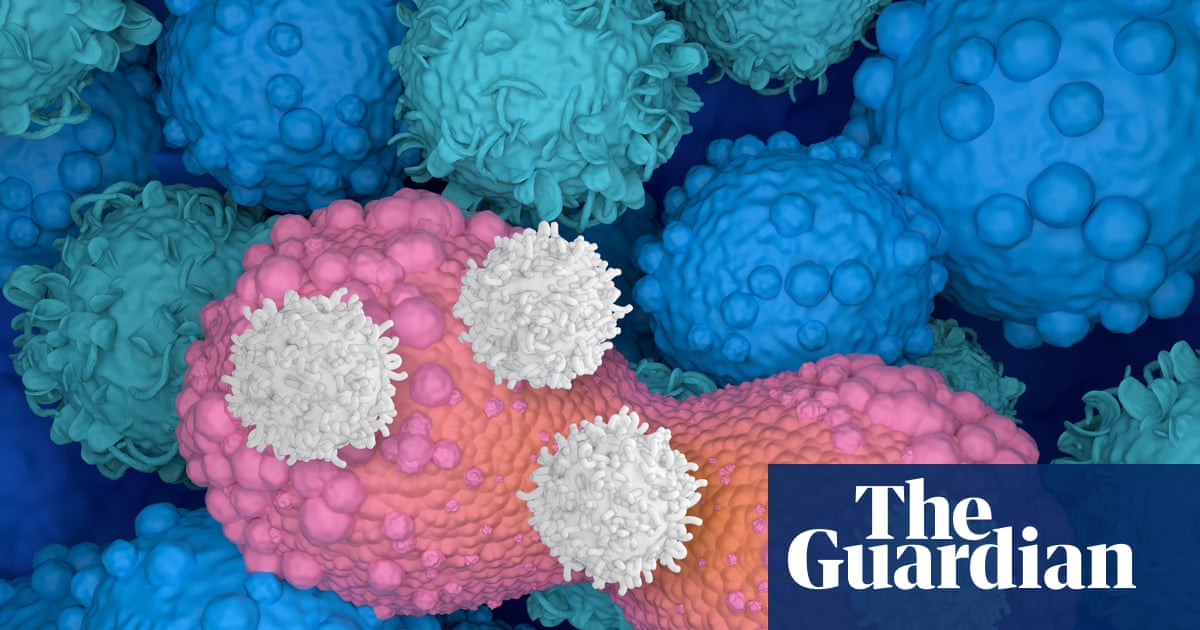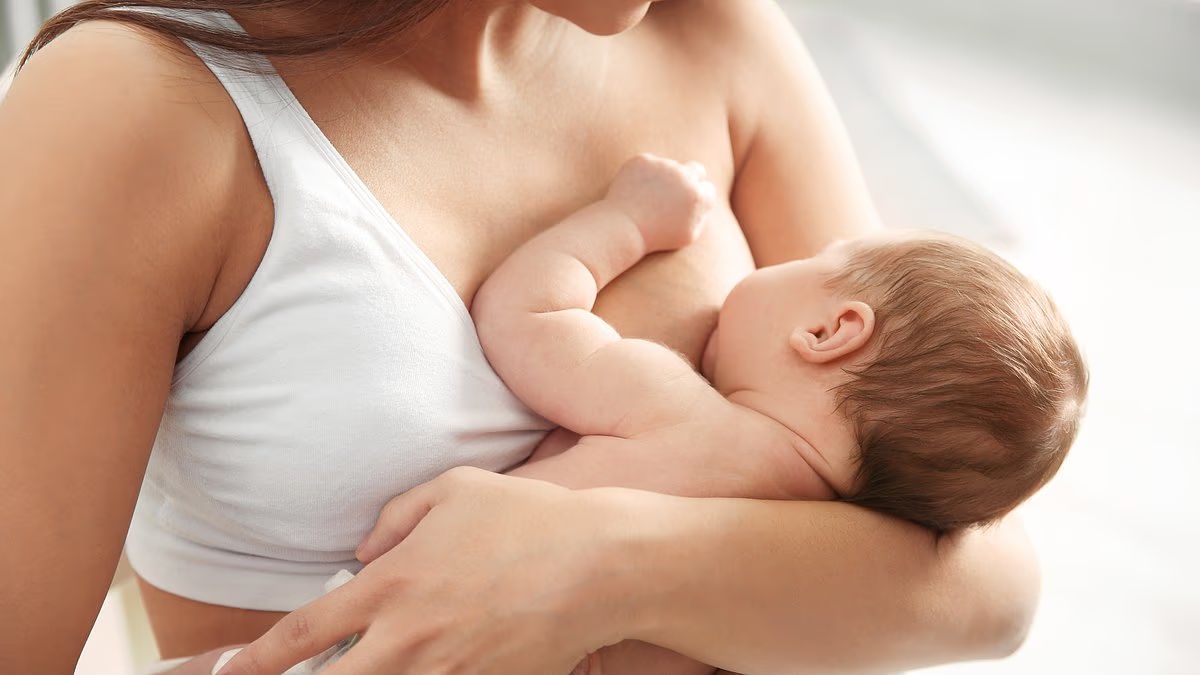
It has long been known that women who have children are at a reduced risk of breast cancer, but until now experts didn't understand why. Now Australian researchers have shown that the natural protection against breast cancer offered by childbearing could be linked to an influx of killer cells in the breast. The team - from Peter MacCallum Cancer Centre - hope that doctors will soon be able to induce this natural protection without the need to conceive, offering hope to women who can't or don't want to have children. 'Our research shows that women had better outcomes if they have breast tissue with high levels of Killer T-cells - a specialised immune cell that helps detect and destroy abnormal cells like cancer,' Professor Kara Britt, the study's co-lead author, said. 'We uncovered that these T cells are recruited during pregnancy, but survive for a long time and potentially stay in the breast tissue patrolling it for abnormal cells for years,' she added.These protective cells were found in breast tissue up to ten years post pregnancy. The findings come following a sharp rise in the number of young people diagnosed with the disease, with 8,500 cases among young women every year in the UK.It has long been suggested that having children earlier in life can help protect against ovarian and breast cancer. But experts have cautioned against raising fears among career women who delay having children, and those who can‘t conceive. The team said their findings open up new avenues for preventative interventions that may slash the risk of cancer in high-risk women who have not conceived The study - published in the journal Nature Immunology - found that pregnancy hormones trigger the production of these killer cells in the breast, around halfway through pregnancy. These cells then remain well after breastfeeding, for up to 10 years, exerting a long-term anti-tumour effect and providing protection against breast cancer. Models suggest that T-cells - located within the milk ducts - rely on milk-producing breast cells for survival and growth, offering an explanation as to why only women who have a full-term pregnancy experience a reduced risk Using hormone treatments, researchers were able to bring about the same changes in breast cells to trigger this influx of T-cells that protect against breast cancer - without the need for pregnancy.The team concluded: 'These findings are very exciting and open up new avenues for immune-preventative interventions that may reduce the development of breast cancer in high-risk populations who have not conceived.' While the link between reproductive factors, hormones and a woman's cancer risk is extremely complex, separate research has suggested having children younger can protect against the disease. This is because breast cells remain in an immature and vulnerable state until a woman gets pregnant. These immature cells are more sensitive to oestrogen and other growth-stimulating hormones and are more likely to grow in abnormal ways, increasing the risk of cancer.
Having children naturally protects the body against breast cancer
It has long been known that women who have children are at a reduced risk of breast cancer , but until now experts didn't understand why.
783 words~4 min read