Patients who had more cells had better outcomes, particularly for aggressive types such as triple-negative breast cancer
In the 18th century, physicians noticed nuns had some of the highest rates of breast cancer. It was one of the earliest clues that led scientists to suspect that child-bearing and breastfeeding could protect against the disease.
Modern data has confirmed the centuries-old observation but the biological reasons behind it have remained unclear. Explanations have often focused on pregnancy-related hormonal changes, but research published Tuesday in Nature has found breastfeeding provides long-lasting immune protection.
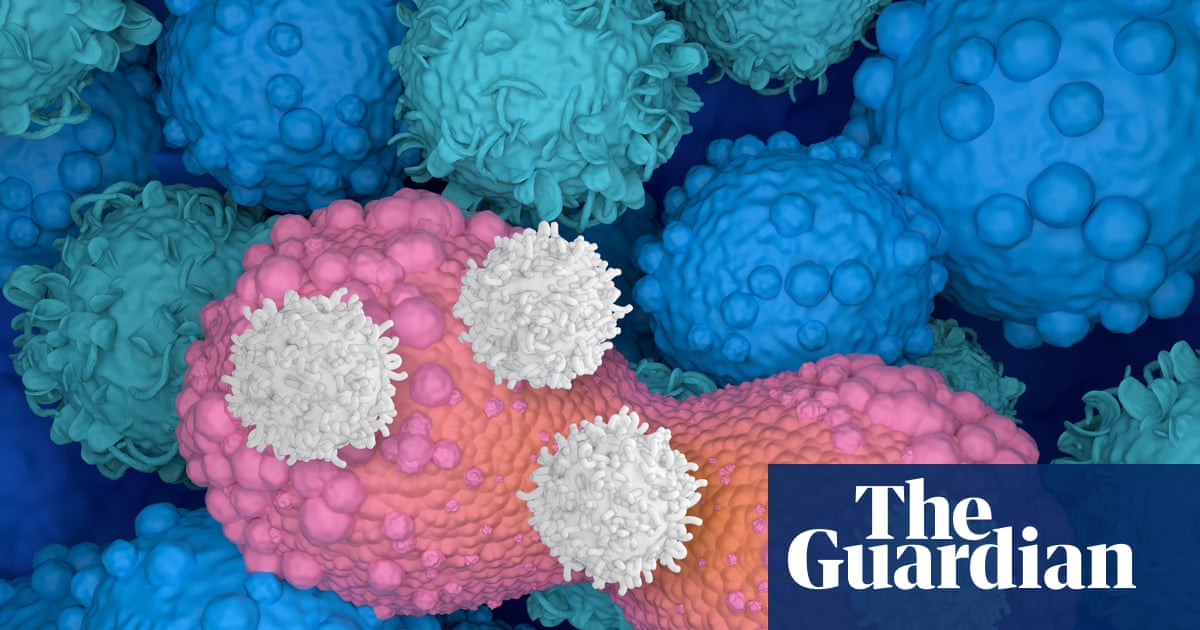
Prof Sherene Loi, a clinician scientist at the Peter MacCallum Cancer Centre in Melbourne, said the most sophisticated level of the immune system, called the adaptive immune system, involves T-cells which react against particular viruses or bacteria – and also against cancer. This response is “one of our very modern therapeutic weapons against cancer.”
Loi, the senior author of the new study, said her team had noticed some breast cancers had large amounts of these specialised immune cells, while others had very few.