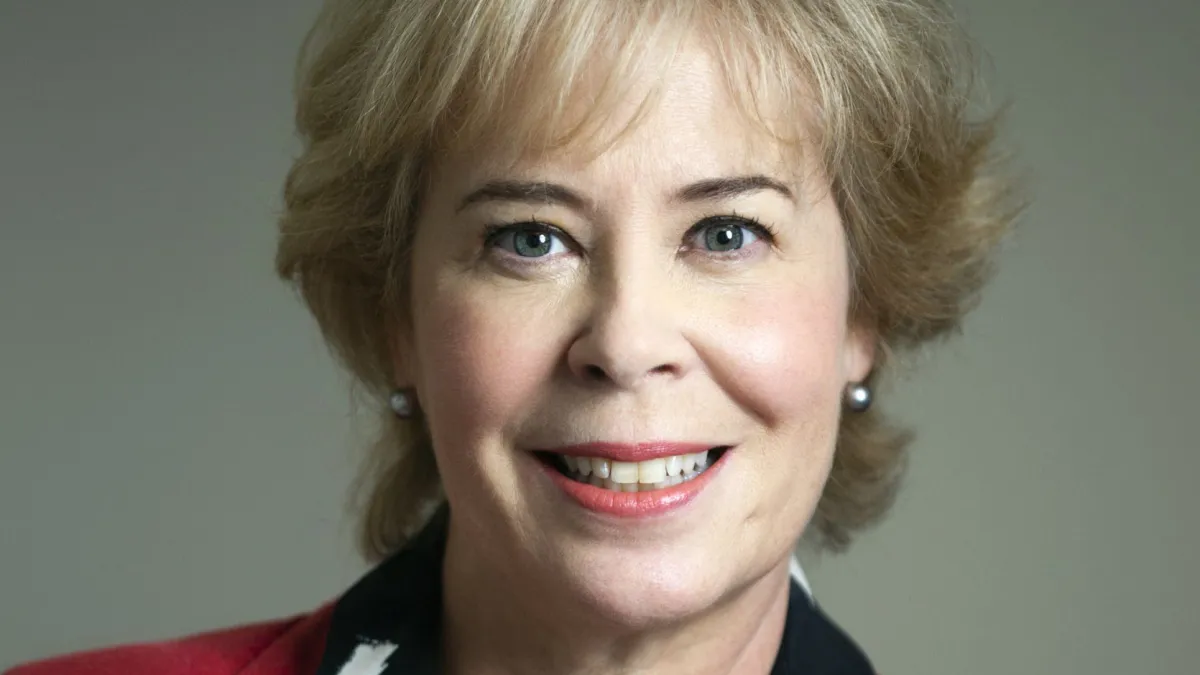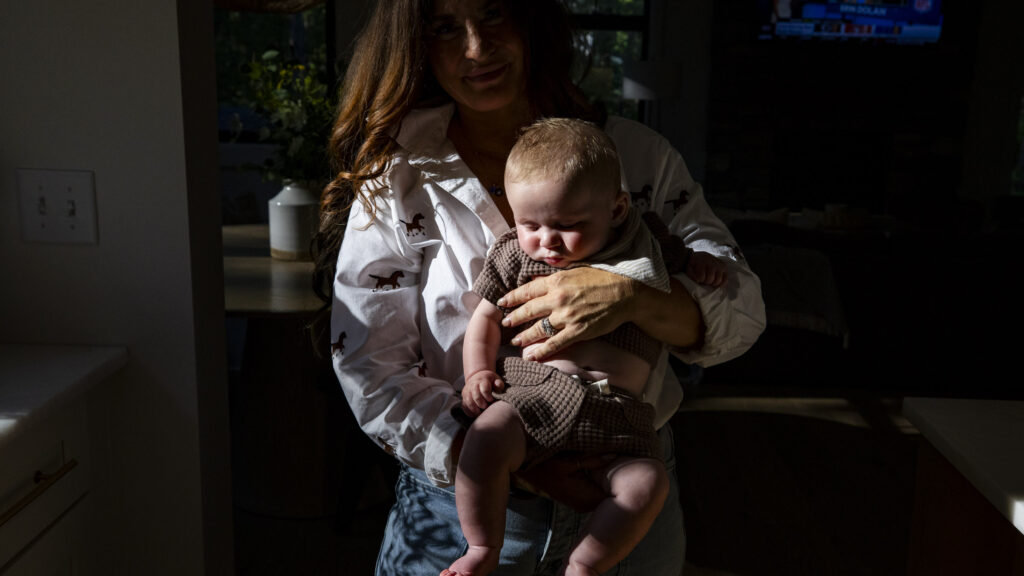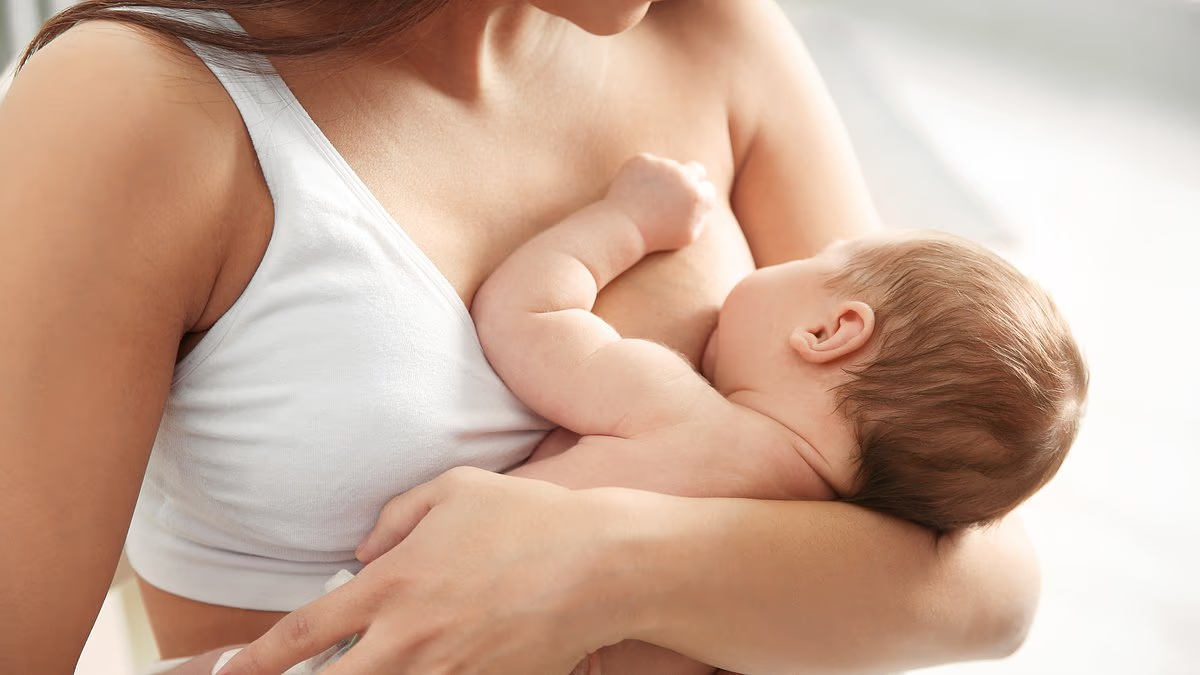
Women who postpone having children face a significantly higher risk of breast cancer, a leading doctor warned at the world’s largest cancer conference – in comments that will reopen the debate about having children later in life.‘Women are having children much later and there are issues with that,‘ Dr Andrea DeCensi, director of medical oncology at Galliera Hospital in Italy said. ‘People are reluctant to talk about it, but delayed childbearing is one of the biggest contributors to rising breast cancer rates.‘His remarks follow a sharp rise in the number of young people diagnosed with the disease, with 8,500 cases diagnosed in young women every year in the UK.It has long been suggested that having children earlier in life can help protect against ovarian and breast cancer. But experts have cautioned against raising fears among career women who delay having children, and those who can‘t conceive.However, Dr DeCensi believes girls as young as 16 should be educated about the risks. ‘Biologically, women are ready for pregnancy soon after their first period,‘ he said. ‘The optimal window for childbearing is between 20 and 35. After that, not only does it become more difficult to conceive, but breast cancer risk significantly rises. And this is something a lot of women don’t know.‘As a society we are having children later and later – with education, work, and the cost of living all having an impact on when and if women are having children,’ Dr DeCensi said. Waiting to have children later in life is one of the biggest risk factors for breast cancer, experts say‘The problem is that this goes against what the body is biologically designed to do, resulting in a rise in breast cancers across the board.’He added that teaching girls at school about the risks of delaying having children in health education could help get soaring rates back down. ‘Many women aren't aware that waiting to have children can have an impact on breast cancer risk, and by the time they go for their first screening at 40 or 50, it’s too late to change that.‘Lifestyle factors such as inactivity, poor diet and obesity are contributing to rising cancer rates, Dr DeCensi conceded – but he argued that delayed childbearing remains a 'major societal risk factor that no one seems willing to talk about’.While the link between reproductive factors, hormones and a woman’s breast cancer risk is extremely complex, having children younger has been shown to protect against the disease.This is because breast cells remain in an immature and vulnerable state until a woman gets pregnant. These immature cells are more sensitive to oestrogen and other growth-stimulating hormones and are more likely to grow in abnormal ways, increasing the risk of cancer.
The lifestyle choice that raises risk of breast cancer by 60 per cent
'People are reluctant to talk about,' says Dr Andrea DeCensi, director of medical oncology at Galliera Hospital. 'It's one of the biggest contributors to rising breast cancer rates.'
TL;DRAI
Women delaying first child to 30s face 60% higher breast cancer risk than those at age 22; optimal biological window ends at 35. Growing prevalence signals employers must address how workplace culture affects reproductive timing—a critical health equity and retention issue.
786 words~4 min read